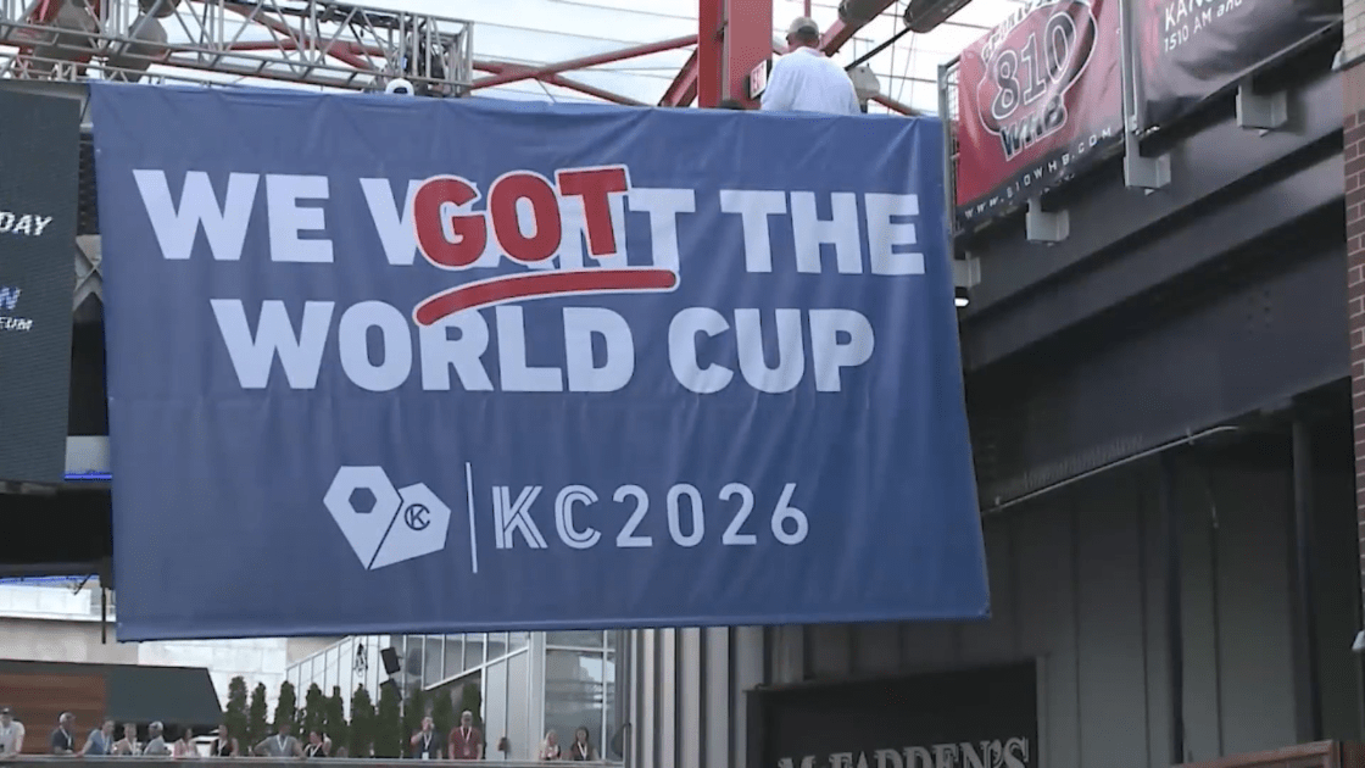
Kansas City, Missouri is making final preparations to host six pivotal matches during the 2026 FIFA World Cup, including a high-stakes quarterfinal. The city’s commitment to global sports excellence is reflected in major upgrades to stadium infrastructure, transportation systems, and hospitality services.
With massive investments in public transit, airport expansion, and digital fan engagement platforms, Kansas City is positioning itself as one of the most advanced host cities for the tournament.
As Missouri gears up for the world stage, updates like fan analytics displays and integrated event planning apps complement new tools like Missouri sports betting, designed to help fans stay connected to key tournament milestones while exploring local events.
Hosting Six Pivotal Matches at Arrowhead Stadium
Kansas City will take center stage in 2026 by hosting six major matches of the FIFA World Cup, including one of the four critical quarterfinal games. These matches are expected to attract tens of thousands of international fans, players, and media personnel to the heart of the Midwest. The schedule will feature group stage clashes, a knockout round fixture, and a defining quarterfinal that could see football giants competing in front of a record-breaking crowd.
Each of these six games represents a surge of tourism and economic growth for the region. City projections estimate tens of millions in revenue from hotel bookings, transportation services, food vendors, and retail outlets. Beyond the monetary benefits, Kansas City’s hosting rights solidify its reputation as a sports capital capable of delivering world-class events on par with global cities like London, Madrid, and Rio de Janeiro.
The Quarterfinal Game: A Defining Moment
The quarterfinal match scheduled at Arrowhead Stadium will not only decide one of the four semifinalists but also mark a milestone in Missouri’s sports history. With seating expansions and technology enhancements, the game will be watched by over 76,000 live spectators and broadcast to hundreds of millions worldwide.
This single match could generate up to 100 million dollars in direct and indirect economic impact, according to city estimates. Sports tourism agencies anticipate that the quarterfinal will elevate Kansas City’s international profile, highlighting its hospitality, logistics, and entertainment sectors. The event’s magnitude positions Missouri as a strategic epicenter in North American football culture.
Renovation of GEHA Field at Arrowhead Stadium
A massive renovation project is transforming GEHA Field at Arrowhead Stadium into a modern venue ready for the demands of global competition. Enhancements include upgraded seating, advanced lighting, expanded locker rooms, new turf designed for soccer-specific matches, and sustainability-focused improvements to reduce the carbon footprint.
Renovations have prioritized both comfort and efficiency. Additional restrooms, improved accessibility for disabled fans, enhanced Wi-Fi infrastructure, and real-time match statistics screens will redefine the spectator experience. Players will benefit from world-class training facilities, locker room redesigns, and upgraded recovery zones that meet FIFA’s highest standards.
The Expanded Kansas City International Airport
The newly completed terminal at Kansas City International Airport (KCI) is now one of the most advanced in the nation. It features 40 gates, upgraded customs and immigration areas, and expanded luggage handling capacity to manage the influx of international visitors.
The terminal expansion was completed at a cost of approximately 1.5 billion dollars, offering more efficient passenger flow and improved accessibility. The airport’s advanced design reduces wait times while incorporating eco-friendly technology to minimize emissions. Airlines are preparing additional routes for the tournament period, ensuring smooth connections from major global hubs such as London, São Paulo, and Tokyo.
Infrastructure and Public Transit Upgrades
Kansas City is expanding its transit systems with new bus routes, increased frequency on the KC Streetcar line, and the addition of electric buses. Road improvements near Arrowhead Stadium are being prioritized to reduce congestion and enhance safety during match days.
With an estimated 450,000 visitors expected during the tournament, Kansas City’s expanded public transit system will play a crucial role in managing crowd flow. Park-and-ride stations, digital fare systems, and real-time route updates will improve travel efficiency and ensure accessibility for all fans attending the matches.
Digital Enhancements and Smart City Features
Kansas City’s World Cup preparation includes significant investments in technology-driven initiatives to improve the fan experience and event logistics.
Fan analytics displays, integrated event planning applications, and localized AR experiences will allow visitors to navigate venues, track team statistics, and connect with real-time match updates. These innovations create a seamless environment where fans can stay informed and immersed in the tournament atmosphere.
Missouri Sports Betting Integration
The state’s legalization of sports betting offers fans an added layer of engagement during the 2026 World Cup. This measure aims to generate additional tax revenue while providing secure, regulated platforms for local and international visitors.
Partnerships between local casinos, online betting platforms, and international sportsbooks are expected to bring millions in economic benefits. Missouri’s gaming commissions have introduced strict regulations to ensure transparency, consumer protection, and integrity in all betting operations during the event period.
Economic Growth and Job Creation
World Cup preparations have already spurred significant economic activity across Missouri. Construction projects, service contracts, and event management opportunities have created thousands of temporary and permanent jobs.
Hospitality, catering, logistics, and media industries are experiencing unprecedented growth in anticipation of the World Cup. Local businesses are adapting to serve international clientele, and hotels across Kansas City have reported early reservations reaching 90 percent capacity for tournament weeks.
Sustainability Commitments and Green Initiatives
Environmental sustainability has been a core focus of Kansas City’s World Cup planning. Organizers are implementing recycling programs, electric transit fleets, and renewable energy sources for stadium operations.
The city aims to meet FIFA’s Green Stadium certification standards by using solar panels, efficient lighting, and low-emission materials. Arrowhead’s transformation into an eco-efficient venue will set a precedent for future global sporting events hosted in the United States.
Community Engagement and Cultural Promotion
Beyond infrastructure, Kansas City is emphasizing cultural celebration and local participation throughout the event.
Community-driven festivals, art exhibitions, and music showcases will run parallel to the tournament, highlighting Missouri’s rich culture. Local schools and youth organizations will participate in educational and athletic initiatives designed to inspire future generations of players and fans.
Security and Event Management Coordination
Security is a top priority for the 2026 FIFA World Cup, with federal, state, and local agencies collaborating on comprehensive safety measures.
Advanced surveillance systems, multi-agency coordination centers, and trained volunteer programs will ensure crowd management and emergency response readiness. The security framework aligns with international standards to guarantee safety for players, fans, and officials throughout the tournament.
The Global Legacy for Kansas City
Hosting the World Cup represents more than just a sporting achievement for Kansas City. It signifies the city’s evolution into a leading destination for international tourism and cultural exchange.
The infrastructure, technological improvements, and global exposure gained from the 2026 FIFA World Cup will continue benefiting Kansas City long after the final whistle. The city’s new reputation as a host for global-scale events will strengthen Missouri’s economic landscape for years to come.