Introduction: Planning an Adventure Beyond Nepal’s Famous Trails
Planning a trip to Nepal sounds simple until you actually start looking at the options. One page pushes you toward quiet mountain trails and old Himalayan villages, the next shows climbers roped together on a glacier, and suddenly you’re not sure which kind of trip you’re really after.
Nepal covers all of it. There are multi-day treks that ask for little more than good boots and patience, and there’s technical mountaineering that demands proper preparation. Two trips show how different things can get: the Manaslu Circuit Trek, a long and remote walk through changing valleys, and Mera Peak Climbing, a genuine high-altitude summit push in the Everest region. Which one fits you depends on fitness, time, altitude tolerance, weather, and what you’ve already done in the mountains. This guide walks through routes, preparation, mountain culture, safety, and planning, so you can choose with a clear head.
Understanding Nepal’s Adventure Travel Landscape
Trekking, Peak Climbing, and High-Altitude Exploration
Trekking and climbing get lumped together a lot, but they’re different things. A trek follows established trails, usually with teahouses along the way. A peak climb leaves the trail behind at some point and puts you on snow or ice, often with ropes and technical gear. Nepal offers everything between those two ends, from easy lodge-to-lodge walking to guided mountaineering.
Fitness, acclimatization, and technical skill all matter when you pick an itinerary. The Everest region and the remote Manaslu area also feel quite different on the ground, with their own logistics, crowds, and rules.
How to Choose an Adventure That Matches Your Experience
Start with the boring questions. How many days can you really take off? What’s your budget? How have you handled altitude before, and are you fine with basic rooms and simple food? Be honest here. Choosing a route because it sounds impressive, or because the summit number looks good on paper, is how people end up miserable on day six.
Remote Himalayan Trekking and Mountain Culture: The Manaslu Circuit Trek
What Makes the Manaslu Circuit Trek Different?
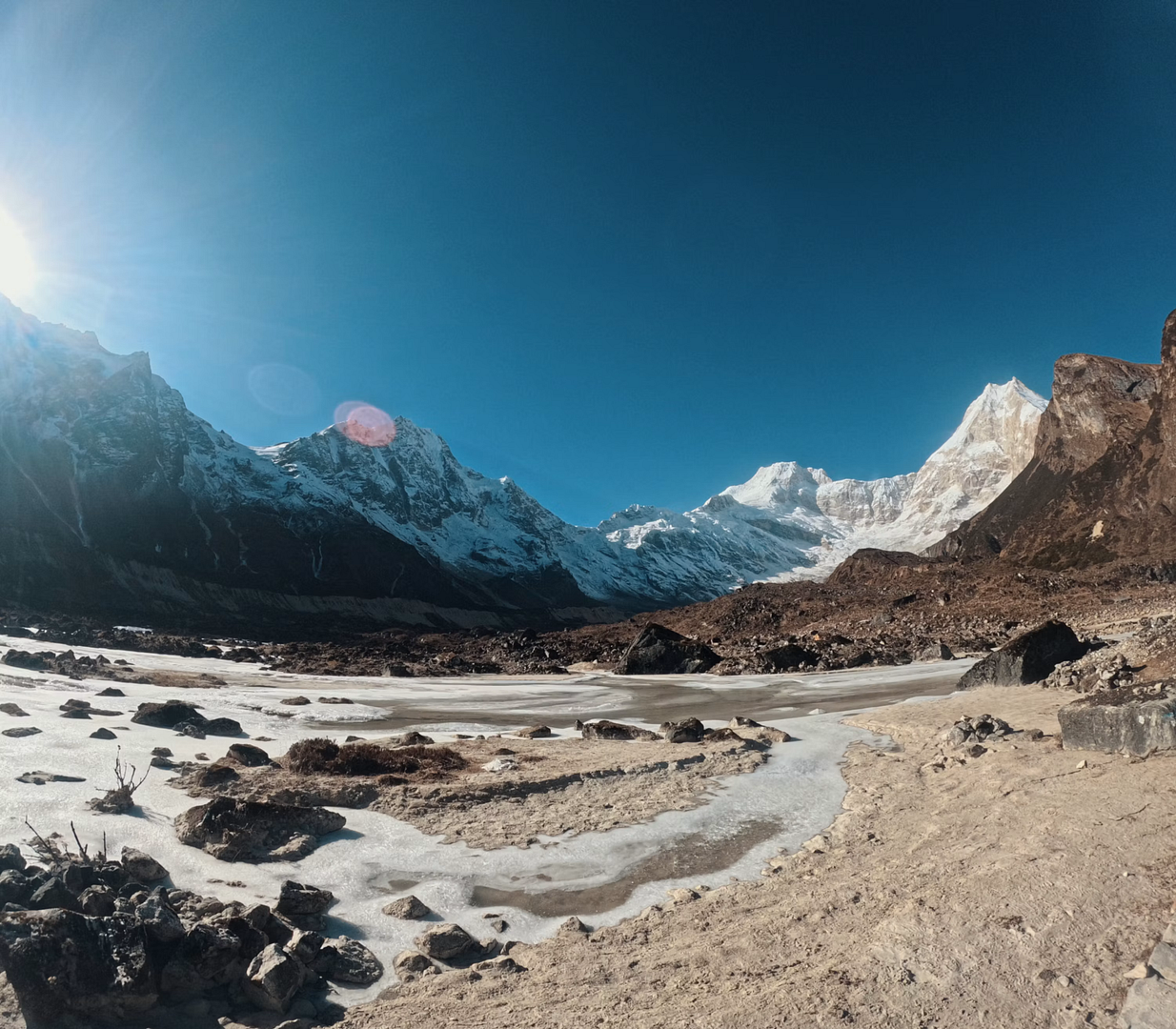
The Manaslu Circuit Trek loops around Mount Manaslu and it’s a demanding journey. You move through river valleys and forested sections, pass traditional villages, and then climb into increasingly high, bare terrain. The scenery keeps shifting, which is half the charm.
Culture is the other half. Higher up, you’ll see Buddhist monasteries, prayer flags, long mani walls, and traditions with a strong Tibetan influence. Travelers who prefer quieter mountain settings and real village encounters tend to love it.
Route Conditions, Acclimatization, and Daily Walking
Gradual elevation gain is the whole game here. Good itineraries build in acclimatization so your body has time to catch up. Walking hours, trail conditions, weather, and altitude all affect how far you get each day, and some days will be slower than you planned.
The big challenge is Larkya La Pass, which reaches roughly 5,106 metres. A flexible schedule helps a lot. If the weather turns or someone shows altitude symptoms, you need room to slow down instead of pushing on.
Permits, Guides, and Practical Arrangements
Manaslu is a restricted trekking area, so there are specific permit requirements and guided trekking arrangements. Rules and costs change, so check current regulations and documentation before you leave home.
On the trail, expect basic lodges, simple meals, and limited services in remote villages. Drinking water needs some thought, and cash is worth carrying in advance, since you can’t count on finding it along the way.
Mountaineering Experiences in the Everest Region: Mera Peak Climbing
What to Expect from Mera Peak Climbing
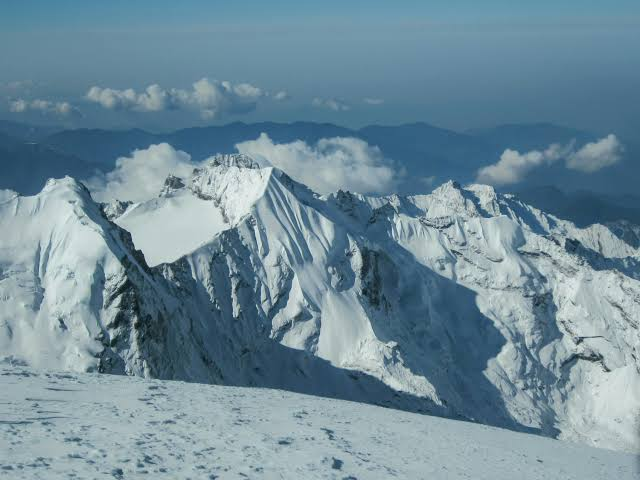
Mera Peak Climbing is a high-altitude mountaineering experience in the Everest region, with the main summit commonly given as about 6,476 metres. The journey mixes trekking through remote valleys with glacier travel and then the summit attempt itself.
The views are a big part of the appeal, with remote settlements below and major Himalayan peaks around you. Still, Mera isn’t just a longer trek. Climbers need suitable preparation, the right equipment, and professional guidance.
Fitness, Technical Preparation, and Acclimatization
Cardiovascular endurance, leg strength, and balance all help, and so does having walked many days in a row. Crampons, ice axes, ropes, harnesses, and other technical gear come into play depending on the route and the conditions that season.
Acclimatization matters more than almost anything. You should also be able to recognize the signs of acute mountain sickness. Reaching the summit depends on weather, snow and glacier conditions, your health on the day, and the expedition leader’s safety call.
Choosing a Responsible Peak Climbing Operator
A good operator has qualified guides, a realistic acclimatization schedule, clear emergency procedures, sensible group sizes, and transparent inclusions. When you’re researching climbing support and expedition arrangements, a name like Peak climbing nepal is one of the places travelers often start looking.
Before you commit, confirm what equipment is provided, what insurance is required, how emergency evacuation works, and what the summit-day plan looks like.
Trekking vs. Peak Climbing: Which Himalayan Experience Fits You?
Comparing the Manaslu Circuit and Mera Peak
The two trips differ in purpose, terrain, physical demands, altitude, technical requirements, and planning. The Manaslu Circuit is a long-distance trek built around mountain culture and a high pass crossing. Mera Peak puts glacier travel, mountaineering preparation, and a summit attempt at the center.
Both need fitness and acclimatization. Peak climbing simply adds technical and environmental factors on top.
Time, Budget, and Experience Considerations
Trip length, guide services, permits, equipment, accommodation, meals, and transport all shape the final cost. Compare complete itineraries instead of headline prices, because two offers that look alike can include very different things. And choose by experience and priorities, not by how tall the mountain is.
Best Time for Trekking and Peak Climbing in Nepal
Spring and Autumn Conditions
Spring and autumn are the seasons most people prefer for Himalayan trekking and climbing. Visibility, temperatures, and trail conditions are generally friendlier, though mountain weather can change fast. A good season doesn’t guarantee clear skies or a successful summit.
Weather, Delays, and Itinerary Flexibility
Cold, snowfall, strong winds, rain, and transport disruptions can all show up. Build in buffer days, pack suitable layers, and check current forecasts with local guides. Sometimes a summit attempt or a high-pass crossing has to be postponed or abandoned for safety, and that’s part of mountain travel.
Essential Preparation for a Nepal Mountain Adventure
Training, Equipment, and Travel Insurance
Train progressively. Build endurance, do plenty of uphill walking, add strength work, and fit in practice hikes before you fly. Pack suitable footwear, layered clothing, sun protection, trekking poles, hydration gear, and any personal medication.
Read your travel insurance carefully. Check that it explicitly covers high-altitude trekking, mountaineering where relevant, and helicopter evacuation.
Altitude Safety and Responsible Travel
Ascend gradually, take acclimatization days, drink enough, and tell your guide about symptoms early. If you suspect altitude illness, don’t keep going up.
Respect local customs, manage your waste responsibly, and support local communities where you can.
Practical Travel Planning: Transport, Accommodation, and Costs
Getting to the Trailhead and Organizing Accommodation
Transport depends on the route or climbing itinerary you choose. Kathmandu is the usual base for preparation and logistics. Along the way you’ll find teahouses and basic mountain lodges, and facilities can be limited in remote areas. Confirm accommodation, meals, transfers, and equipment logistics in advance.
Building a Realistic Adventure Budget
Your budget should cover permits, guides, porters where appropriate, accommodation, meals, transport, equipment rental, insurance, and a contingency fund. Costs vary with season, itinerary length, group size, service standards, and current regulations. Ask what’s included and which extras you’ll pay for locally.
Final Thoughts: Planning a More Rewarding Himalayan Adventure
It comes down to one decision: exploring remote mountain communities on the Manaslu Circuit, or preparing for a high-altitude summit on Mera Peak. Whichever you choose, realistic preparation, gradual acclimatization, local expertise, responsible travel, and a flexible schedule make the difference.
Match the itinerary to your physical condition, experience, available time, and interests. The quality of a Himalayan adventure depends not only on the destination but also on the preparation, decisions, and respect you bring to the mountains.
Frequently Asked Questions About Nepal Adventure Travel
Is the Manaslu Circuit Trek suitable for beginners?
It can be tough for beginners. The length, altitude, remote conditions, and high pass mean preparation and careful itinerary planning really matter.
Do you need mountaineering experience for Mera Peak Climbing?
Proper training, technical instruction, acclimatization, and professional guidance are important, so go in prepared and don’t treat it like a standard trek.
What is the best season for Nepal trekking and peak climbing?
Spring and autumn are the commonly preferred periods, although conditions vary by route and by year.
How difficult is Mera Peak compared with the Manaslu Circuit Trek?
They’re hard in different ways. Manaslu is demanding high-altitude trekking, while Mera Peak is a climbing expedition with glacier travel and mountaineering equipment.
What permits and guides are required for these adventures?
Requirements differ by destination, so verify the current rules before you travel.