
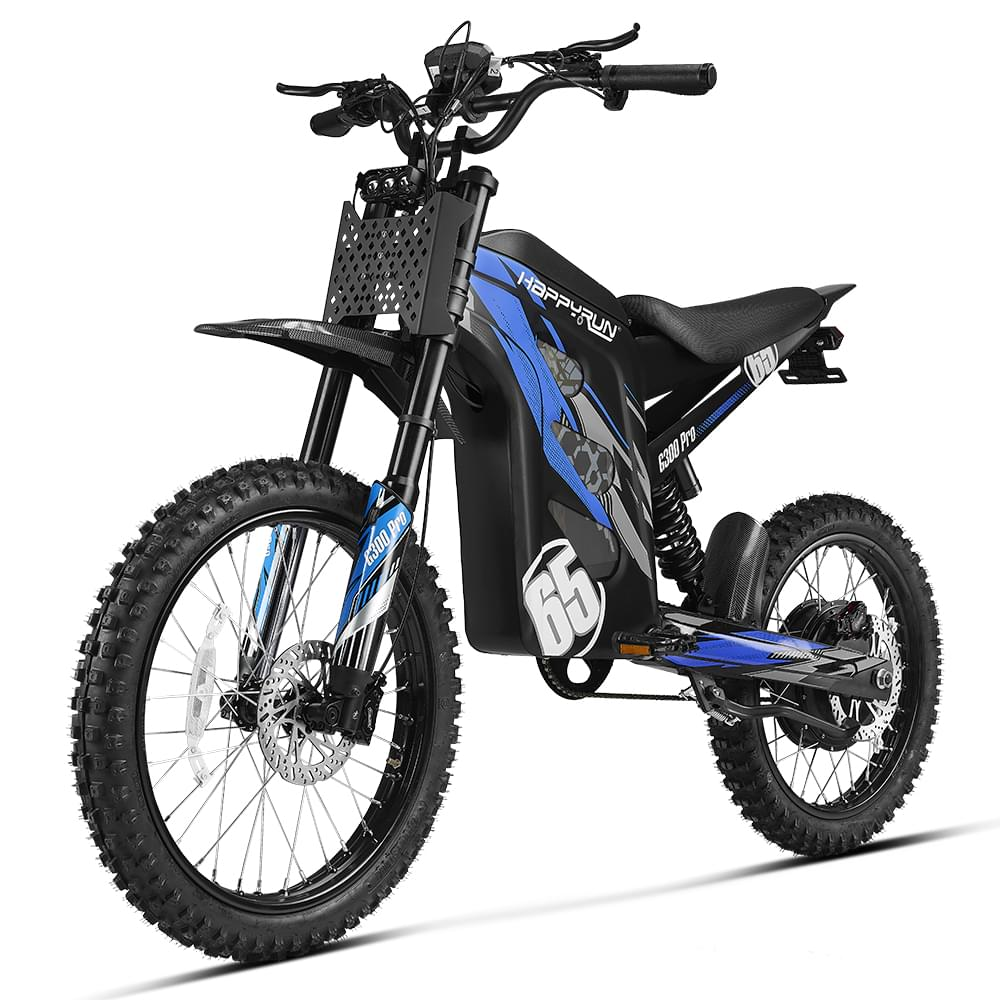
Take an electric bike off pavement and onto a real trail — loose gravel, a forest path, a climb with roots crossing it every few feet — and it stops behaving like the bike you rode to work that morning. Choosing one for that kind of riding takes more thought than picking a commuter model. That’s the whole reason brands like HappyRun build models specifically for it. Rough ground finds a bike’s weak points fast: the motor, the battery, the suspension, the tires, the brakes. All of it gets tested at once. So whether you want something for easy weekend trails or a proper electric dirt bike for adults who ride harder terrain, it pays to know what you’re actually looking at before you hand over money.
A Commuter Bike Wasn’t Built for This
Rocks. Roots. Mud, sand, steep pitches, the occasional drop you didn’t see coming. That’s the terrain an off-road electric bike has to handle, and it’s terrain a commuter bike basically never sees. You need a frame that can take a beating, suspension that actually works, tires with real bite, brakes you trust without thinking about it, and a motor that doesn’t fold the second the ground gets uneven. HappyRun lists real specs for every model on its site, so you’re not guessing at what you’re getting. A light city bike might feel fine on a smooth street, but put it through a few miles of trail stress and the cracks show up quickly. Adventure builds exist because of exactly that problem.
Motor and Torque on Steep, Technical Ground
Here’s where a lot of riders get surprised. A motor that feels plenty strong commuting to the store can suddenly feel weak the moment a trail tilts upward. Flat ground barely asks anything of a motor — steep climbs are a different story, and torque is what actually gets you up them at low speed. But raw power isn’t the whole picture. How that power arrives matters almost as much as how much of it there is. On loose dirt, a sudden jolt of acceleration is a lot harder to manage than power that builds gradually. Predictable power is better, most of the time, once the trail turns technical.
Battery Range Drops Faster Than the Spec Sheet Suggests
A short, steep, rocky climb with constant acceleration will chew through a battery faster than most riders expect — faster than the number on the box implies, anyway. Manufacturer range figures are a starting point, not a promise. Rider weight, terrain, weather, tire pressure, how aggressively you ride, elevation gain — all of it eats into that number. If you’re heading somewhere remote or planning a longer ride, don’t cut it close. Leave yourself more range than you think you’ll need.
Suspension and Tires: Rough Ride vs. Controlled Ride
This is one of the clearest gaps between a real off-road e-bike and a basic city one. Front suspension soaks up hits from rocks and roots, keeps the front wheel where it needs to be, and honestly just makes the ride less punishing. Full suspension goes further — more rear-wheel control, more comfort once things get genuinely rough. Tires do just as much work. An off-road tread bites into loose dirt and gravel in a way street tires simply can’t. Width and pressure matter too — drop the pressure and you get better traction and a softer ride, but go too far and the tire gets unstable, or worse, gets damaged.
Brakes Matter More Than People Think on Technical Trails
Steep descents and slick obstacles don’t forgive weak brakes. Hydraulic discs usually win on raw stopping power, though mechanical brakes can still hold their own depending on the bike, the trail, and how much the rider weighs. Good brakes aren’t just for stopping fully — you lean on them constantly to control speed on climbs and manage a controlled descent instead of a scary one. Before a long ride, check the pads, check the rotors, check the cables or hydraulic lines, and pay attention to how the lever feels in your hand. It tells you more than you’d think.
Frame Strength and Protecting Yourself
A frame built for off-road use has to absorb repeated hits and vibration, plus the extra weight and stress a powerful motor and battery add. Look at what the components are actually rated for — a bike can look rugged and still not hold up. And gear isn’t optional here. A helmet that actually fits is non-negotiable. Gloves, solid footwear, eye protection — none of it is overkill once the ground gets technical.
Electric Dirt Bike Adult Riders Can Actually Trust vs. a Standard Adventure E-Bike
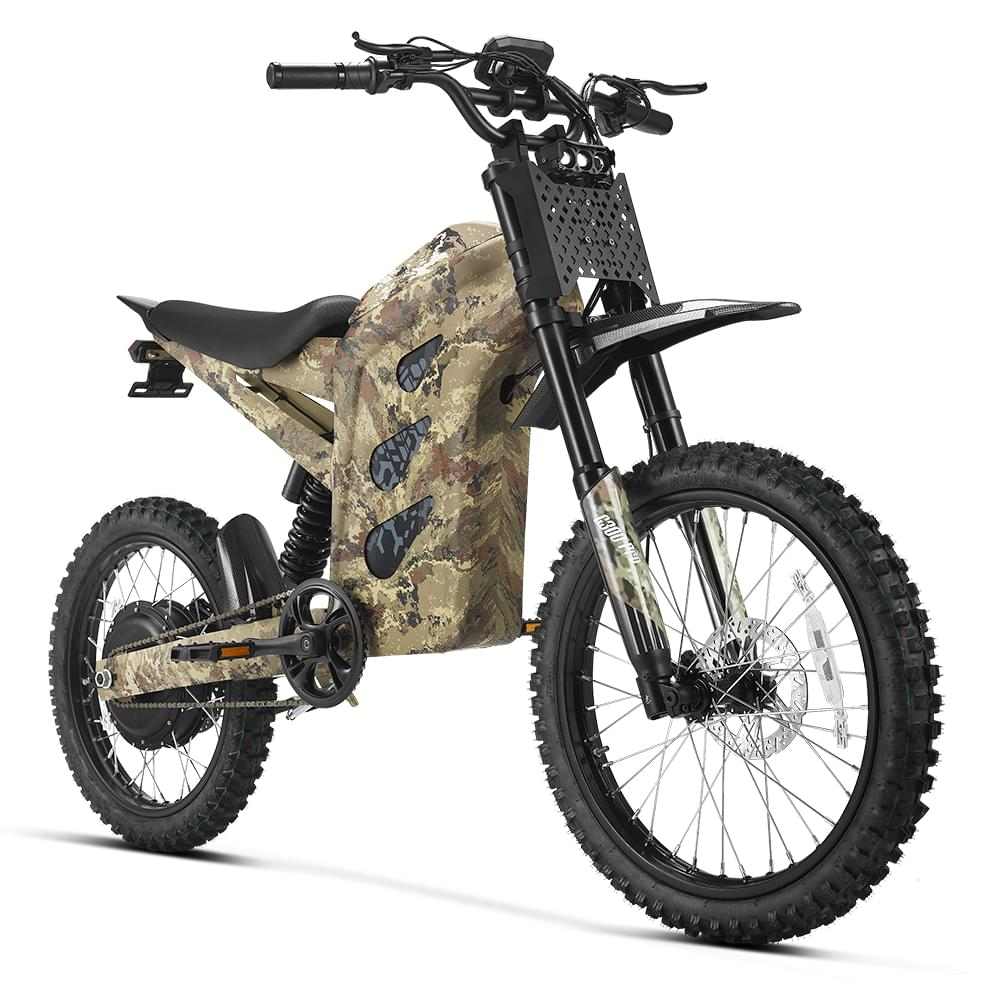
Some trails just need more than a pedal-assist adventure e-bike can give you. An electric dirt bike for adults can provide the stronger motor, tougher suspension, and sturdier frame needed for steep, technical terrain. HappyRun makes both styles — dirt-bike builds and adventure e-bikes — so it’s worth actually comparing the specs side by side instead of guessing which one fits how you ride. The two aren’t interchangeable. Different rules apply, different gear, and different skill levels may be required. Be honest with yourself about whether you’re sticking to marked trails or chasing something rougher.
Before You Go: A Quick Pre-Ride Check
Tires, brakes, chain or drivetrain, battery connections, suspension, the main frame components — run through all of it before you head out. Confirm the battery’s got enough charge for the ride you’ve actually planned, not the ride you hope stays short. Pack basic tools, water, a way to navigate, a way to reach someone if things go sideways somewhere remote. Off-road riding rewards people who prepare. Knowing your bike’s limits — and your own — counts for just as much as the bike itself.
Matching the Bike to Where You’ll Actually Ride
The right off-road bike depends on where you plan to ride. A maintained gravel or forest trail may require less suspension and power than steep, rocky terrain with frequent climbs and loose surfaces. Before choosing a model, consider the trail conditions, typical ride length, elevation, and level of control you need. For riders considering an electric motorcycle, the same principle applies: your budget should be balanced with the equipment required for the terrain you actually plan to ride.
Recommended HappyRun Electric Dirt Bikes for Off-Road Riding
For riders tackling uneven ground, the right combination of power, suspension, braking, and control can make a significant difference. HappyRun has several models suited to different off-road riding needs.
G18 Pro: Its full suspension and hydraulic brakes help provide stability and controlled braking when riding across uneven trails.
G300 Pro: With a 6,500W peak motor, off-road mode, full suspension, and hydraulic brakes, the G300 Pro is suited to riders looking for stronger performance on challenging terrain.
F18 2.0: Its 6,000W peak mid-drive motor and up to 245 N·m of torque provides strong power for climbs and demanding trail conditions, while its suspension helps maintain control over rough ground.
Choosing the Right Off-Road Electric Bike
Looks shouldn’t drive this decision. A capable motor, enough battery to cover the terrain, real suspension, the right tires, brakes you can rely on, a frame that won’t quit on you — that’s what actually makes an off-road electric bike worth the money. Think through where you’ll ride, how far, and how rough it gets before you buy. Get that right, and an ordinary weekend turns into something worth remembering. Take a look at HappyRun’s full lineup on their official site if you want to compare models directly.
Frequently Asked Questions About Off-Road Electric Bikes
Do I really need a dedicated off-road e-bike, or is a commuter model enough?
A commuter bike can survive light gravel without much trouble, but it wasn’t built for sustained trail stress. Once things get steep, rocky, or technical, a dedicated off-road model holds up in a way a commuter bike just doesn’t.
Does suspension actually make that big a difference?
Bigger than most people expect going in. Front suspension alone helps a lot with comfort and control, and full suspension adds real grip and stability once the terrain turns genuinely rough.
What actually drains battery range the fastest in real riding?
Terrain and rider weight, more than anything printed on a spec sheet. A steep, technical climb will burn through a battery far quicker than flat ground ever would.



