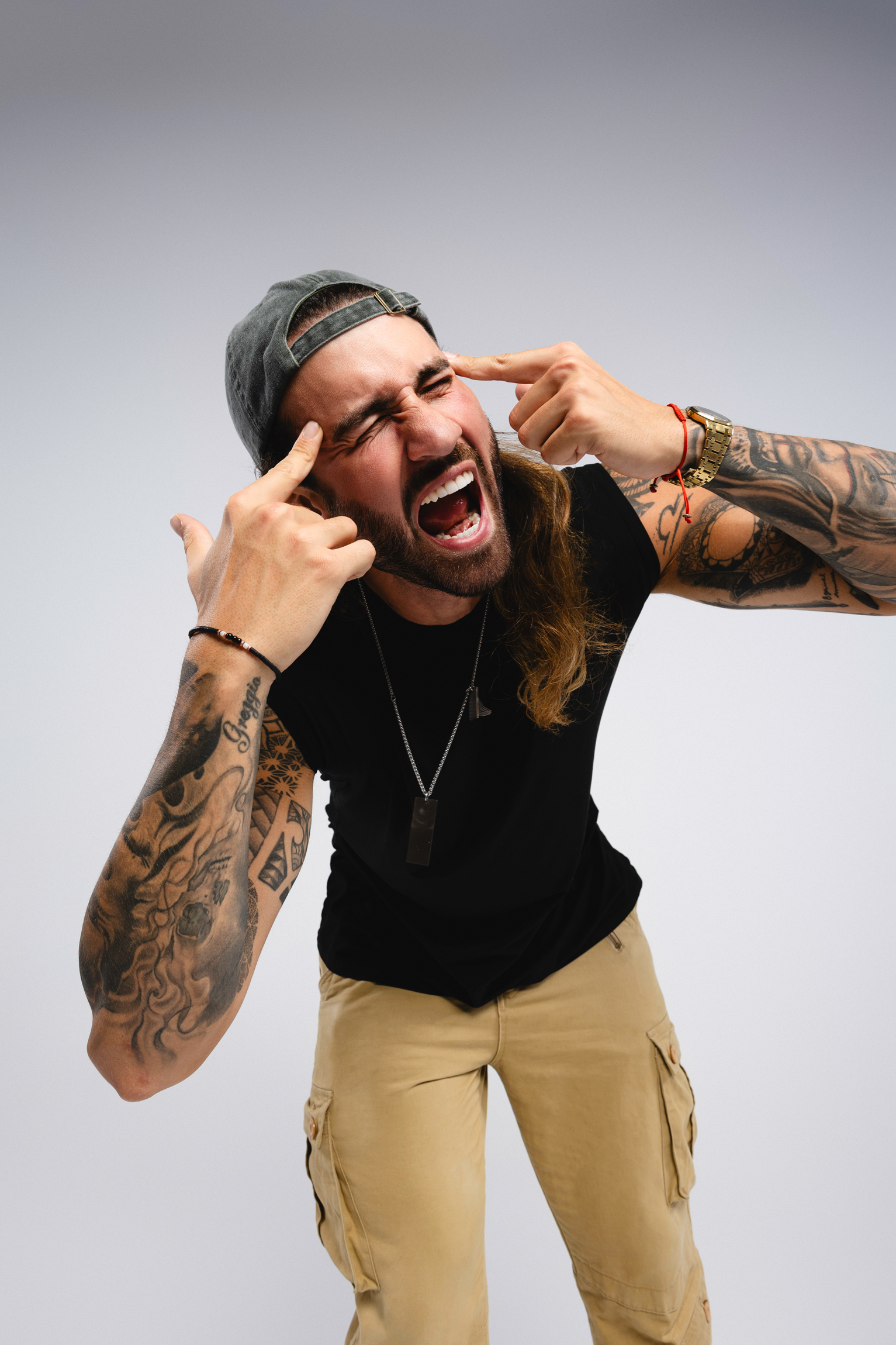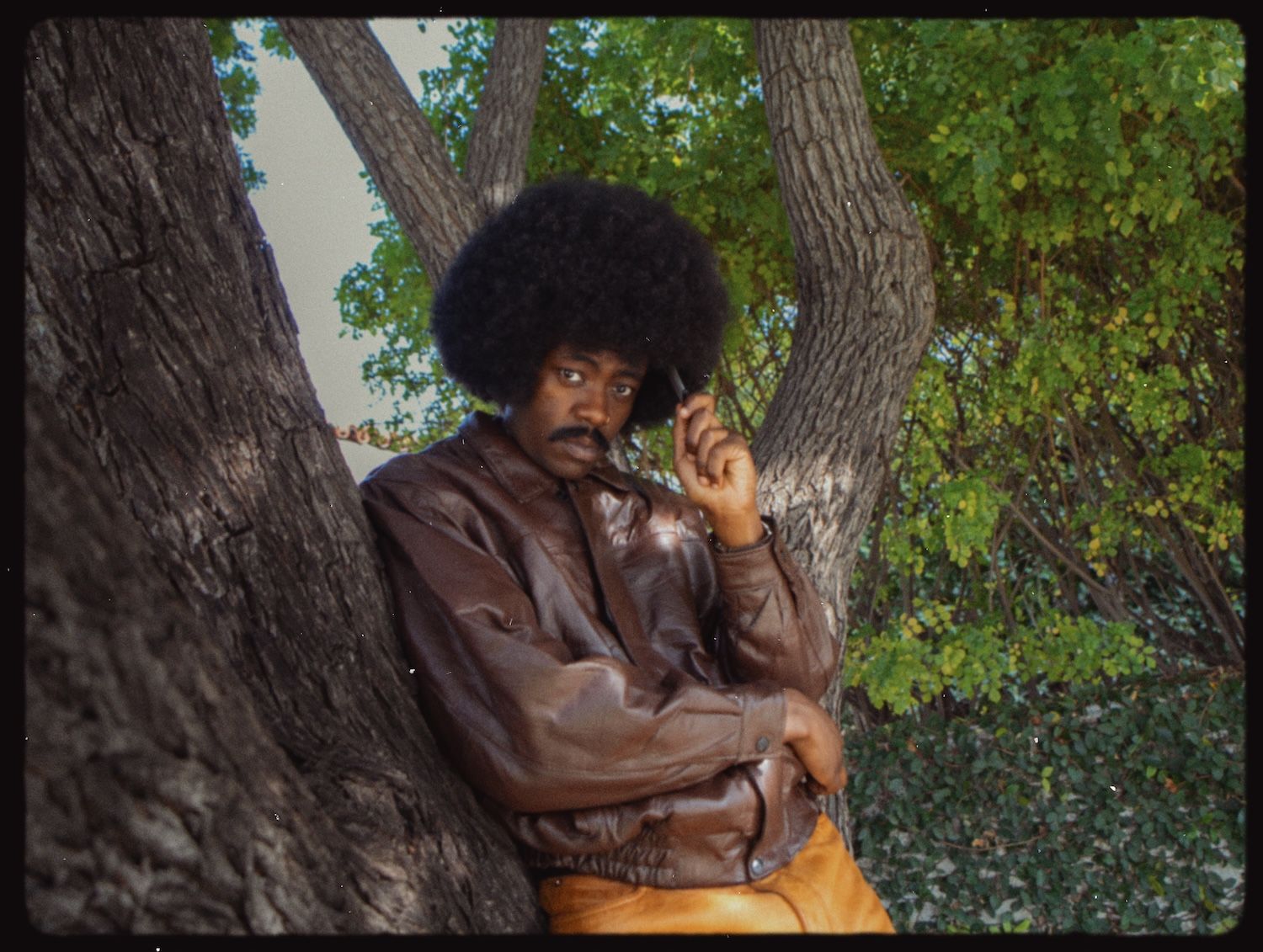
While many artists lean into the weight of their emotions, Stetson-toed hippie PawPaw Rod takes a different approach. Describing himself as “medicine in the candy”, he filters heavy emotions and themes through funky grooves, warm basslines, and playful melodies, balancing humour and lightness while turning introspection into something both digestible and accessible.
A self-described military brat, born in Hawaii and raised in Oklahoma, Rod draws from an eclectic range of influences. Ahead of his new album Picture Day, he begins to map out his world through nostalgic, emotionally led singles like “I Wish”, “Bettin On Me”, and “The Get Back”. Together, they introduce a body of work shaped by loss, self-assertion, and resilience, offering an early glimpse into the emotional world of the record.
In conversation with 1883, PawPaw Rod reflects on identity, style, and memory, as well as the process behind Picture Day and his upcoming tour.
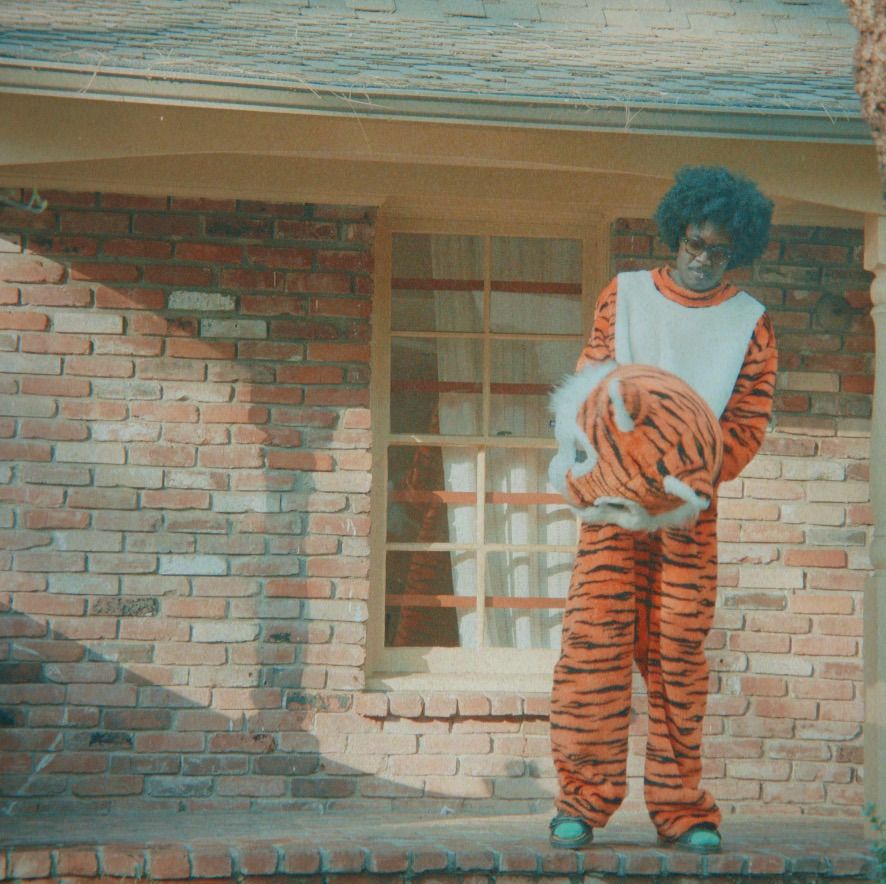
“Bettin On Me” is rooted in self-belief, but the visuals feel playful rather than intense, especially with the tiger suit. What made you approach that message in a light, humorous way?”
I’m always trying to put the medicine in the candy, which is a phrase people like to say. If I can make things playful while having a message, that’s always the best for me. Every day we wake up and have to be the mascot for our own team, our own self.
So that was kind of the idea behind it. I thought people would get a little chuckle out of it. It wasn’t on purpose, but it’s the mascot from my old high school. So I didn’t think about that until after the fact. I thought, oh, that’s cool, but that was the intent behind it. Shout out to Jesse Boykins for coming up with that.
I’m curious to know why the tiger suit. You could have worn any other animal.
Well, the outfits presented to me were either a tiger, a chicken, and then a cow, and I thought, “you know what? I’m not going to be an idiot in either of those two.” The tiger makes sense. The tiger’s eyes are one of my favourite things. Let’s go with the tiger. So that’s kind of how we came up with that.
You’ve spoken about constantly moving growing up. Do you feel like music became a way of grounding yourself, or more of a way of escaping that instability?
Honestly, the cute answer would be grounding myself, but I still feel I’m working on that as we speak. I think there was probably a little bit of escapism in it, or a lot of escapism. Anytime I get on a plane or go to a new school or a new city, everything might be unfamiliar, but my headphones are familiar. These voices from my favourite artists are familiar and almost feel like holding your hand or patting on the back, like, everything is going to be okay.
To the point where I feel, for better or worse, when either conflict arises or problem solving or sadness or anything, before I go to anybody, I think of a song as the remedy for whatever I’m going through and think, oh, these lyrics match this situation. So I think it’s probably a mix of both with that escapism, and I think that’s what I admire in my music and my shows, because even if it’s for that hour and 20 minutes that you’re at my show, the intent is for you to feel welcome, that nobody’s judging you, you’re in a safe place that feels almost like a family reunion.
Is there a particular song that you often listen to most of the time?
Absolutely, some of them always change. But I really like this Lonnie Liston song called “It’s Changed”, which has no lyrics. I play that song when I’m super excited or when I’m reflecting. I play it on my birthday every year. I play it when I’m taking some goddamn mushrooms, or if I’m at the beach, or I’m on a drive. That song is always somewhat of an anchor. It’s a portal to just blissful energy.
Another song I always return to, especially when it rains, is “Dead Presidents” by Jay-Z. I used to play that song all the time. When I was in high school, I had this Buick, and anytime it rained I put it on just because, when I watched the music video, there’s an overcast and you could see the rainbow from the concrete on the street, which makes me think of rain. So anytime it’s raining and I’m listening to it, I don’t know what year it is.
It resets something, and reinstils the excitement I had at the time when I first played the song. So I think those are the little hacks that music can represent that can go either way, because you can have a song or an album that makes you think of maybe a person that’s not here anymore, or a time that isn’t around anymore. But if you allow yourself to get through that little bit of pain or that moment, then it brings you back to where you were and how you felt genuinely in that moment too.
Your music pulls from soul, funk, hip-hop, and alternative without settling in one place. When you were building Picture Day, did you try to unify those influences or keep that sense of movement?
A little bit of both. I’ve always called myself nomadic, and because of that, each city and state I lived in, I can think of what albums or songs I was listening to when I was in that place. When I think of South Carolina, I think of Yellowcard and Dem Franchize Boyz. If I think of 2003 Washington State, I think of Ashanti or Christina Milian. Or if I’m in Oklahoma, I’m thinking of Lil Wayne, Wiz Khalifa, and Mac Miller.
Our generation grew up on video games such as Tony Hawk, Madden, and NBA 2K, and they have every song in every genre. At this stage in the game, we were influenced by everything. I tell people too, it’s kind of like a compilation of sounds. I feel like I’m time-travelling through music. People might see just how I look and say, “Oh, you remind me of the 70s”, or might hear some of the melodies and think of the blog era of Mac Miller, Wiz Khalifa, people like that. Naturally, as a person in America, or anywhere for that matter, it’s hard not to be influenced by everything at this point.
How do you incorporate your personal style with your music, visually or musically?
I think as you’re growing up, at least for me, I tell people I’m a recovering people pleaser. Wherever I moved, when people were trying to figure out who I am or what I remind them of, they’d immediately say, “Oh, you look like…” or “You remind me of…” this or that.
And as a young kid, or even as an adult still figuring yourself out, you might take heed to those things. You start thinking, “What is it about that?” or “I like how people respond when I do this, or when I’m like this.”
For me, that was a battle growing up, because doing that can make it take longer to figure out what you actually like, because you’re trying to please so many people. But at the same time, I think it’s beautiful, because that’s also how we carry on tradition in a tasteful way, through personal style.
For example, I went on a cruise with my family a week ago for the first time. And there’d be older people, maybe in their 50s or 60s, who would approach me and say, “You remind me of this guy named John I knew back in the day. He had a big afro just like you.” Or when I was living in Norman, some older hippies would say, “Man, you look like Jimi Hendrix. Did you know his last show in America was in this town?” Or like, “You’re the ghost of…”
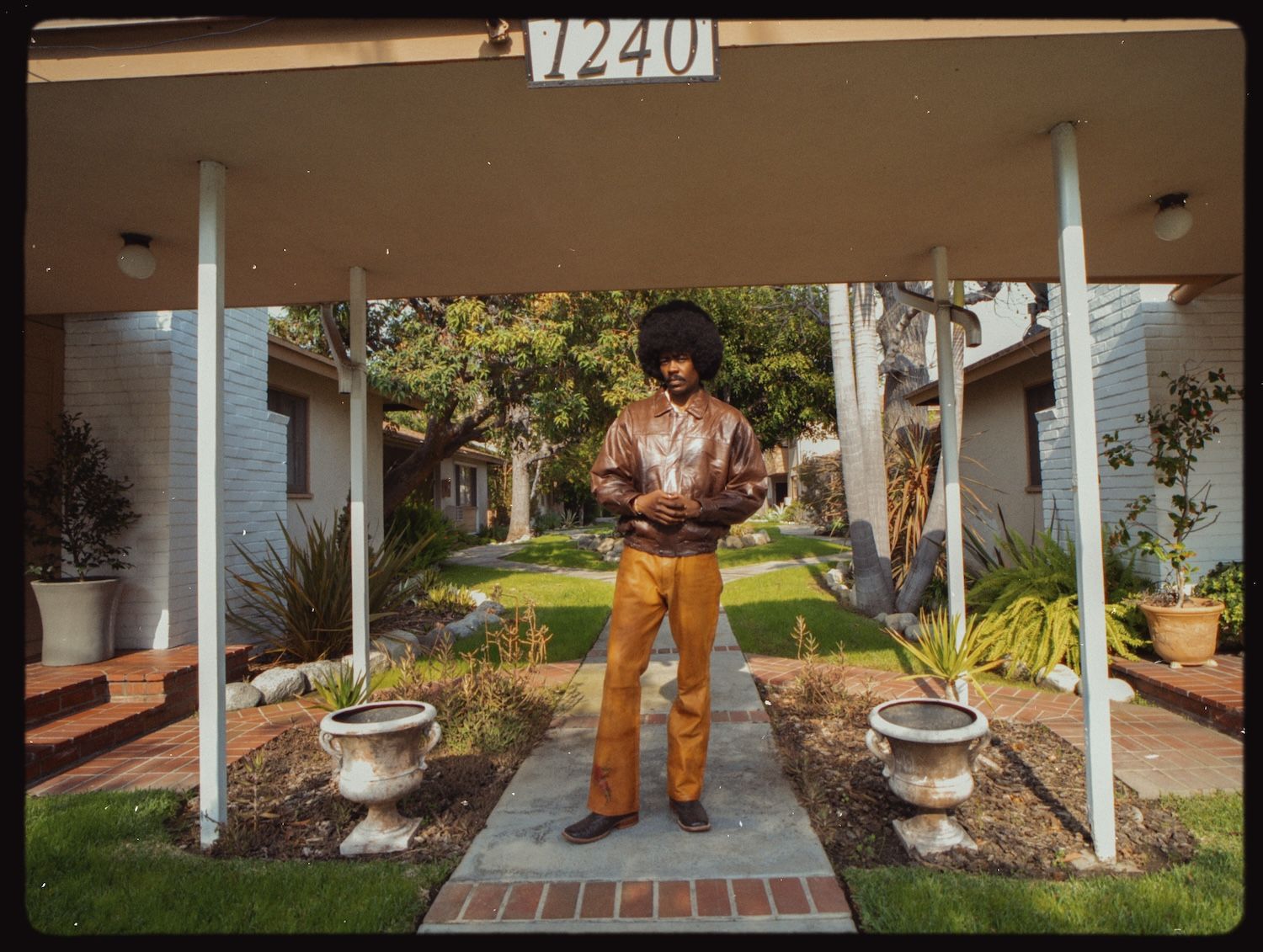
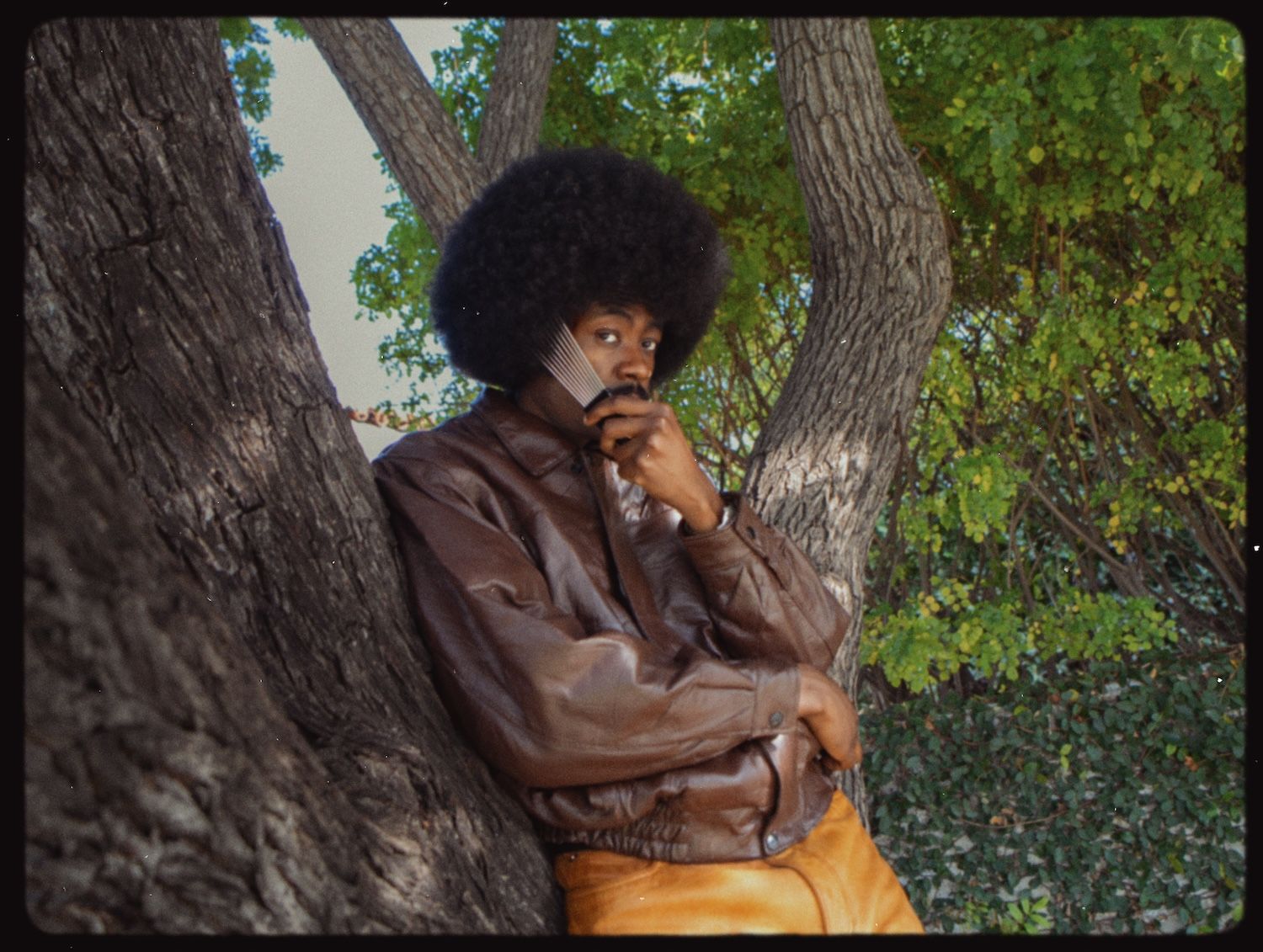
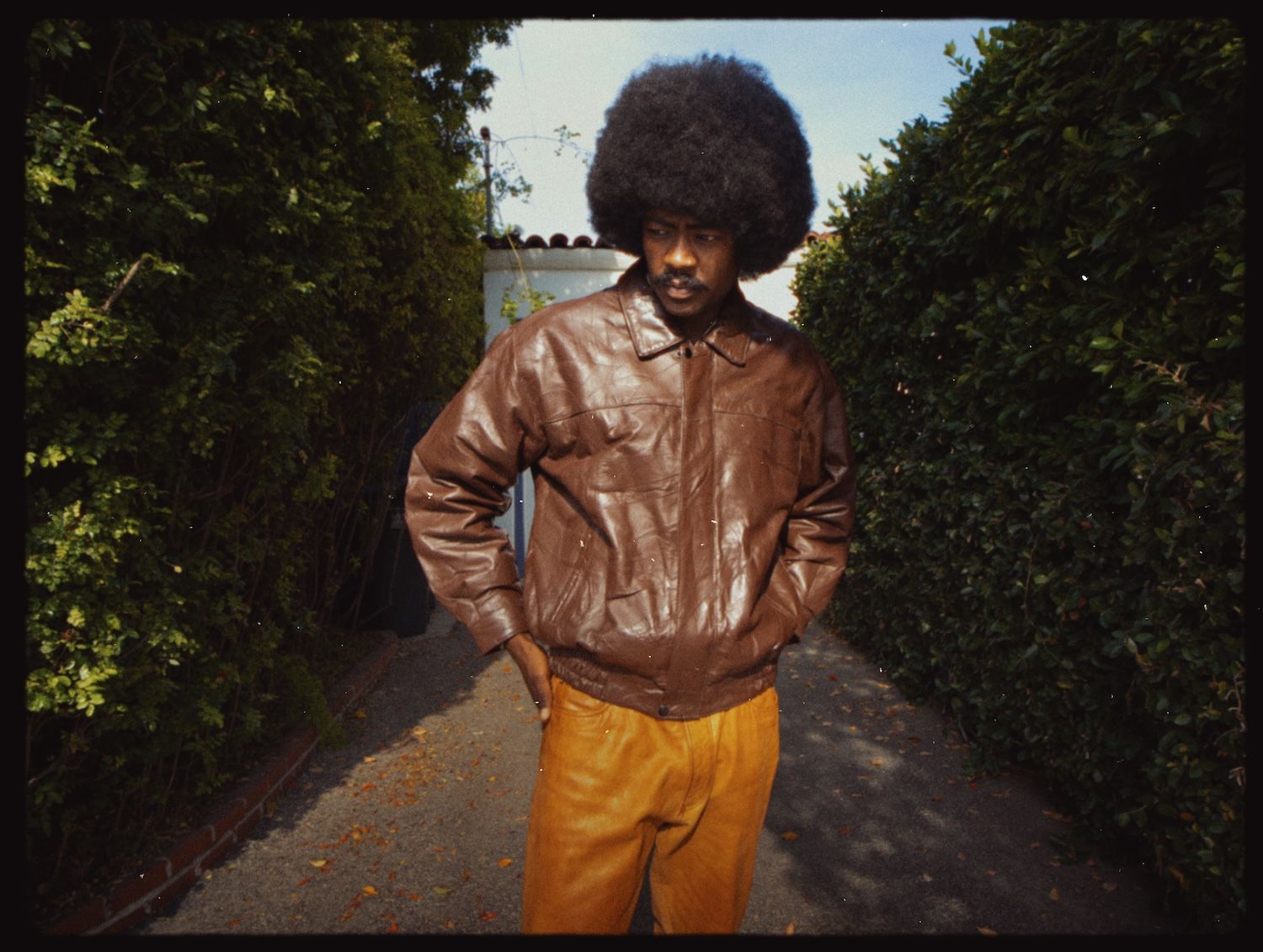
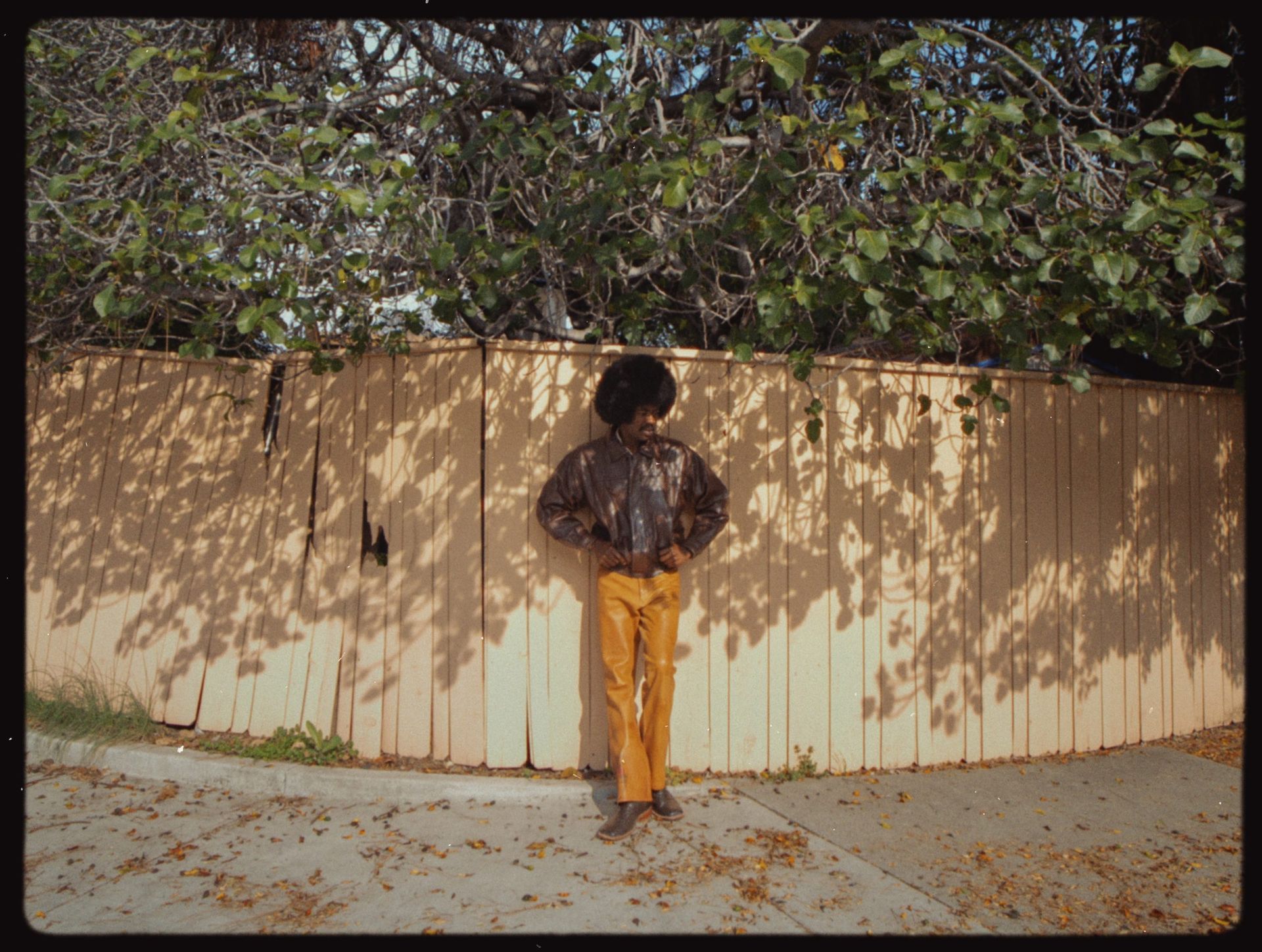
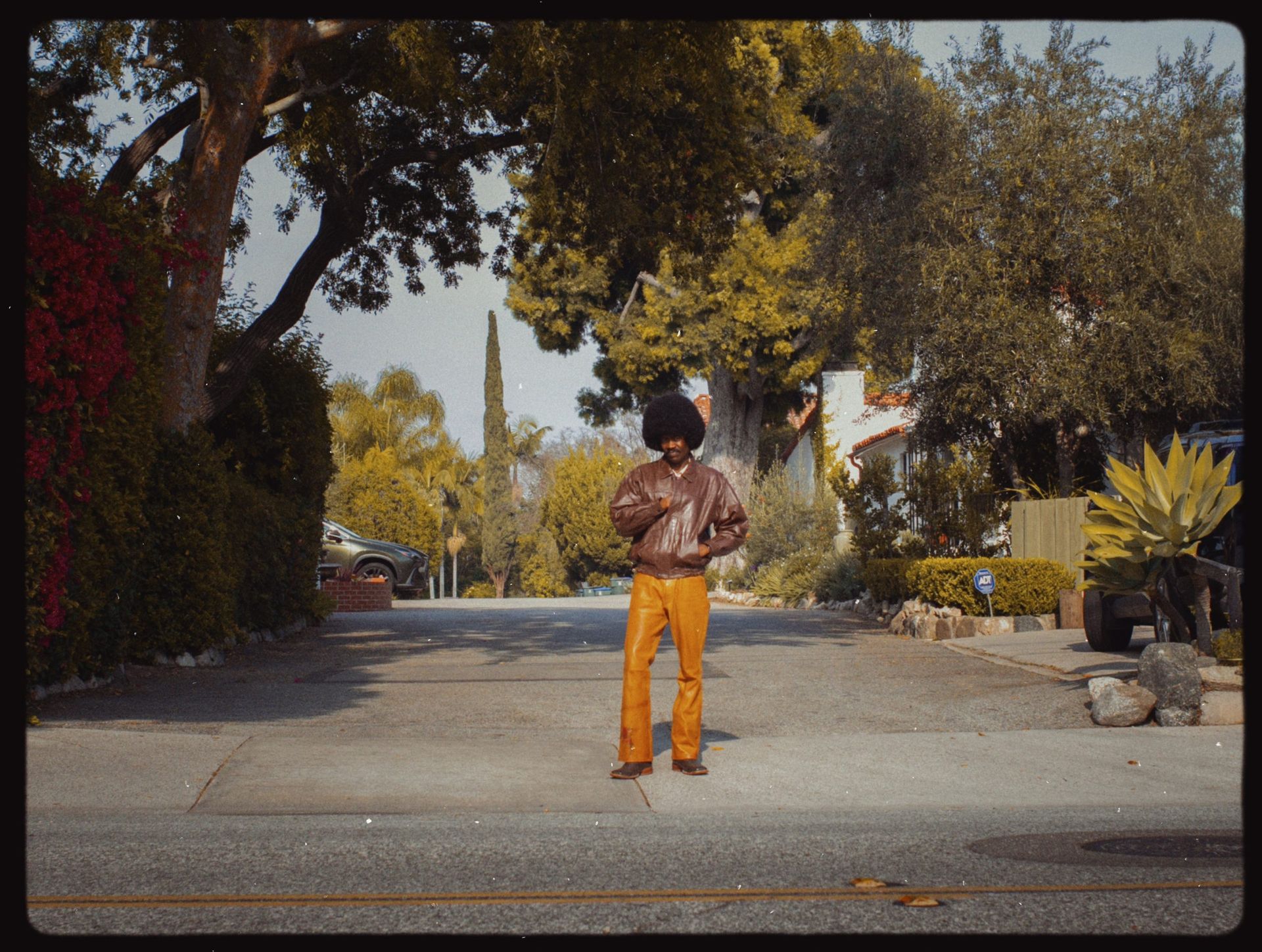
When my pawpaw passed, one of the things I did was go through his closet. Everyone in the house was picking what they wanted, and fortunately, I was small enough to fit into his clothes. I still have his leather jackets that I wear all the time. You’ve probably seen them on some of my covers. And it’s my way of holding onto that, because sometimes my family might not fully get the music. My dad might say, “You’re dropping music, but where is it? Where can I hear it?”
But when you can see something, it’s different. It’s like, “Oh, I see Pawpaw in this.” Or I see the history in how you wear your hair, or wearing rings like your uncles used to. That makes me feel comfortable. That’s my extended version of having my headphones on.
Because I live in a world where I’m always moving around, and I think I can be impressionable. I want to believe people, I want to believe good news, good intentions. So I have to be careful, because I can sometimes forget where home is. And I’m proud that with the way I move, I can just look in the mirror or look down at my hand and see a ring, and it brings me back. It brings me comfort.
You’ve described Picture Day as a series of snapshots. How did growing up without a fixed sense of place shape the way you tell your story on this record?
I have different ways of processing a project. I have this photo album at my dad’s house that my meemaw and pawpaw sent us when we lived in Germany. You could look through the pictures, press a button, and hear somebody talking.
It was super cool, especially back then. I’d go back and visit them and run straight to those photo albums, just for identity’s sake. Like, “Yo, this is what you were like back then.”
And maybe it’s ego, but for me, there’s going to be a moment where, God willing, my future kids or my nephews or cousins are going to see old pictures of me, or hear about their uncle or cousin, and want to know what I was like, and how it relates to them on their journey. I have songs that speak to that, whether it’s motivation or just an idea of how we go about love.
It’s like when you go to the doctor, and they ask, “Do you know your family’s history?” I don’t speak for everybody in my family, but there might be someone who’s like, “Oh, you remind me of young Rodney.” And if that happens, they can actually go back, listen to songs, hear my voice, hear my tone.
That’s why it’s important to capture everything you can. It’s like throwing a rope back. Not just for the world, but for your family too. Or the world, you never know.
I’ll go on social media and hear something new. There’s this song that’s gone super viral on TikTok now, but it came out in the early 2000s, “Just the Way You Are” by Milky.
I heard it for the first time two weeks ago, and I was like, “Yo, what the…” I’ve never heard this before. It felt so good, and I wished I’d had it in my life the whole time. That’s the importance of documenting and sharing things. It’s infinite. It’s a message in a bottle that washes up to you, and now you can take that and apply it to your life. Photos do that. Stats do that.
That’s why I think Picture Day is one of the oldest traditions we have, and people can resonate with that. Especially at my shows, it feels like everybody’s there. One of the first shows I went to when I moved to LA was at The Forum. I saw Hall & Oates, and Train was opening. Crazy lineup.
I remember looking around and thinking, “This is what I want my fan base to feel like.” It felt like a family reunion, older people, people of colour, everyone.
I remember watching an interview with Bomani Jones. He was talking about Anderson .Paak, who’s one of my favourite artists. Malibu really changed my life. He performed at the Hollywood Bowl and did Malibu front to back. One of the takeaways from that show was how he makes the fans feel like they know each other. They’re just kicking it, talking like they’ve been there forever. And if you can create that feeling, if you can give off that kind of energy, that’s what it’s all about for me.
“I Wish” comes from a more emotional place, but it’s presented with a sense of lightness. How do you balance weightier feelings with that more uplifting tone in your work?
Again, I think it goes back to the idea of medicine in the candy. If I really care about getting emotions out for future generations of my family to understand, I don’t want to leave anything out. I don’t want to make it seem like everything was just happy-go-lucky.
It also shows how you handle those moments. When I made that song, I was coming off a crazy tour, going through some loss, and the only way through those feelings, which I still feel at times, is movement, and celebrating for the people who can’t be here. And knowing that kids are watching, following your lead, and how you react. Because a lot of it isn’t about what happens to us, it’s how we handle it.
I think about it like football, quarterbacks like Jalen Hurts, Peyton Manning, or Donovan McNabb. They get hit, sacked, bodies falling on them, people trying to take them out mentally. But every time they get up, they’re like, “Good hit, big guy.” They don’t let it take them out of their zone. That shows you how to move. I’m motivated by that.
Or Shai Gilgeous-Alexander from the Oklahoma City Thunder. When someone tries to get in his head, he’ll just smile. Because when you get thrown off, you’re not in your flow anymore. There’s a book I read, Inner Excellence by Jim Murphy. It talks about how when you focus too much on competition, or someone else doing well, you come out of your own flow. You lose that childlike energy. So it really matters how you handle situations.
And I am not perfect. I have a line on the album, “I’m not squeaky clean, I crashed out last week out loud.” I am just trying to be honest and know that every day is another opportunity. Sometimes I even go back and listen to my own songs to stay grounded.
I remember being on tour, about to have band practice, and I was having a rough day. But I performed one of my songs, “Message”, at band practice, and I was like, “Yo, this is getting me out of the rut right now.” Saying those lyrics again motivated me.
And it made me grateful that I care about what I record, because I have to live it. I have to perform it every night. If I do not believe in it or it feels like a lie, that would be hard. I am glad I said this on this song.
My condolences for your loss. There is no easy way of dealing with those kinds of circumstances. But one thing I will say is that I really do commend you for translating that into your music so beautifully.
Thank you, I think sometimes it’s as wild as an artist, it sometimes feels like we exploit ourselves, because it seems artists or people who speak publicly, we spend so much time analysing ourselves, so we can give that to people.
I don’t know how much we are really supposed to do that. So when it happens, it’s painful to do that at times, you know? And if you’re trying to do it genuinely, while honouring yourself and other people, and then to go out and do that in front of people every night, it’s a wild feeling.
“The Get Back” feels rooted in older sounds and influences. When you are referencing that kind of musical history, how do you make it feel like your own rather than nostalgia?
I have a line from an unreleased song. It goes, “music is like a tradition. Doing what means something is what makes it different.” I think naturally, if you speak from your heart, it’s going to translate into your likeness. Like the Jay-Z line, “no two alike, like a snowflake.”
When you’re just doing you and doing things you genuinely like, it’s going to come out authentic. I had a conversation with one of my good friends, he’s an incredible artist, younger than me, and we were going back and forth about listening to older music. He said, “Why would I go back? I’m in this generation, I’m trying to do my own thing, not copy anybody.”
And I get that, because every generation does that to an extent. But at the same time, going back and being inspired by something is naturally going to come out differently anyway. You don’t have the same upbringing, you’re not seeing the same things, you’re just taking what you need.
It’s like how Pablo Picasso might respond to a Vincent van Gogh painting. Different eras, different generations. And now the next artist continues that conversation through their art. There’s always something layered on top of something.
I think that also ties into that idea of when you’re ready to learn, the teacher appears. When your ear opens up, you hear things differently, based on what you’re ready to receive. So that song I was telling you about, “Just the Way You Are” by Milky, it’s been out, but it was meant for me to hear it right now. And I can apply it to my life, as I’m supposed to right now.
Your music feels quite intimate, but you’ve played big stages and are heading into a headline tour. How do you adapt that intimacy for a larger audience?
I’ve been making music since I was 16. We would play in rooms where there were two people in there, and I would always treat those shows like I was playing the festivals I’m playing right now.
I would always say when I’m praying by myself, “God, you picked the right one. You picked the right one”, because I love this. I really love this.
I play shows how I’ve always played them, so it feels like the same show. We did Berkeley with Still Woozy, and the crowd was huge. Everything was in slow motion when I was on stage. I was thinking of everything that had taken place up to that point, and I didn’t really feel any different, honestly. It speaks to the preparation, when you become your own testimony.
It makes me think of Kobe Bryant’s Muse, a documentary that came out after he tore his ACL and came back. He mentioned that when you work hard and dedicate your life to something, you shouldn’t be surprised when certain things happen. When you spend too much time feeling like “Oh my God, this is happening”, you don’t allow the moment to really take shape because you’re so caught up in it.
After Picture Day, do you feel like you’ve found a clearer sense of identity as an artist, or are you still intentionally keeping things open?
I would love to keep things open. One of my favourite quotes is from Dan Le Batard, another sports journalist from Miami. He said you must fall in love with the work, whatever that entails. For me, being an artist isn’t just about what I put out into the world. It’s falling in love with walking outside, hearing birds chirp or seeing a happy couple holding hands. It’s paying attention to detail or just being reflective of a moment while knowing you’re in a moment.
It’s a lifestyle. It’s in how I move, how I dress, how I show up. That’s why I connect with artists like Erykah Badu, the idea that hip-hop is bigger than the government. And I truly believe that, because I feel like I graduated from school listening to music. I’ll hear a line from Jay-Z before anything else. There’s always meaning in it if you’re paying attention, like messages hidden in plain sight. For me, being an artist is ongoing. It’s not something you arrive at. It’s something you live.
I love that, thank you so much for taking the time to spend with 1883. Congratulations on your headline tour. I hope it goes amazingly, and I look forward to the release of Picture Day.
Thank you kindly, thank you kindly. We are going to get over the water soon. We will be in London at some point.
“Bettin on Me “is out now
For tickets for PawPaw Rod’s Picture Day Tour 2026 visit here.
Interview Nancy Anekwe
Photography Aris Chatman