There are very few places left on Earth that genuinely resist travellers.
The South Pole is one of them.
Situated at 90 degrees South, deep in the Antarctic interior, it rises more than 2,800 metres above sea level on a plateau of polar desert. Temperatures routinely fall below minus 30 degrees Celsius, wind speeds can exceed 100 kilometres per hour, and the nearest accessible shoreline is roughly 1,300 kilometres away. By any reasonable measure, it is one of the most hostile environments a person can choose to enter.
And yet, for a small number of travellers each year, that hostility is precisely the point.
The South Pole has drawn extraordinary figures since Roald Amundsen first reached it in December 1911, just weeks ahead of Robert Falcon Scott. The stories of that era, triumph and tragedy compressed into a single southern summer, continue to shape how we understand human endurance.
For a growing segment of affluent travellers, luxury now means one-of-a-kind travel experiences shaped by access, rarity, and depth. Standing at 90 degrees South is not simply a travel milestone. It is a reminder of scale, remoteness, and the limits of what ambition alone can achieve.
What separates a successful South Pole expedition from a dangerous one is not equipment or fitness alone, though both matter. It is expertise: the kind that comes from years of operating in polar environments, understanding Antarctic logistics from the ground up, and knowing how to read a continent that offers no margin for error.
What reaching the South Pole actually involves
Most expeditions begin at Union Glacier, a blue-ice airstrip in the Heritage Range operated seasonally as a hub for deep-field Antarctic access. From there, the route to the Pole depends on the style of expedition chosen.
Fly-in journeys, where guests travel by ski-equipped aircraft directly to the Amundsen-Scott South Pole Station, offer the most direct route. Overland traverse expeditions, crossing the plateau on purpose-built all-terrain vehicles or on skis, take considerably longer and require a higher level of physical preparation.
In both cases, the operating window is narrow. The Antarctic summer runs from approximately November through January.
Outside that window, the continent is inaccessible to civilian expeditions, and even within it, weather systems can close airstrips, halt traverses, and reshape itineraries within hours.
Flexibility is a technical requirement in such expeditions.
This is where the architecture of the expedition itself becomes the determining factor.
A well-designed South Pole journey builds weather days into the schedule, maintains contingency routing, and operates through field leaders who understand how Antarctic conditions behave at a granular level.
The case for specialist expedition operators
Every element of a South Pole expedition, from permits and environmental compliance to cold-weather systems and emergency response planning, requires advance coordination within an established Antarctic framework.
The Antarctic Treaty System and tourism guidelines make clear that visits are governed by environmental and operational rules, not informal access.
For travellers considering a South Pole expedition with expert polar guides, the value of that expertise does not appear in brochure language but in the decisions made before and during the journey.
Experts help assess seasonal timing, pre-plan the safety set, shape the safest route, advise on gear that is actually fit for conditions, and prepare travellers for the realities of altitude, cold exposure, and delay.
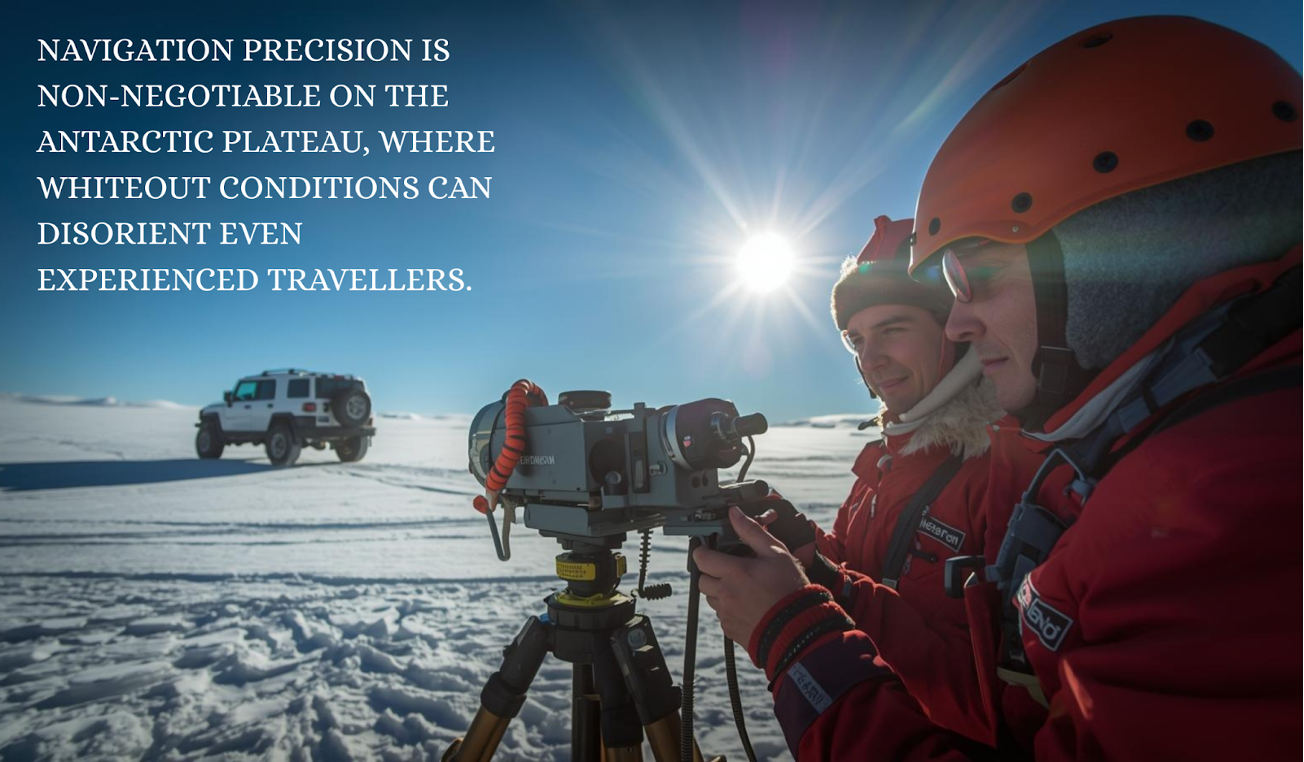
Once in the field, they monitor weather patterns, manage pacing, read snow and visibility conditions, and make judgment calls that can protect both safety and the integrity of the experience.
That guidance also changes the journey in less obvious ways.
Experienced polar leaders know when to pause rather than rush, when to adjust plans without compromising the expedition, and how to interpret the landscape so travellers understand not only where they are, but what makes that place extraordinary.
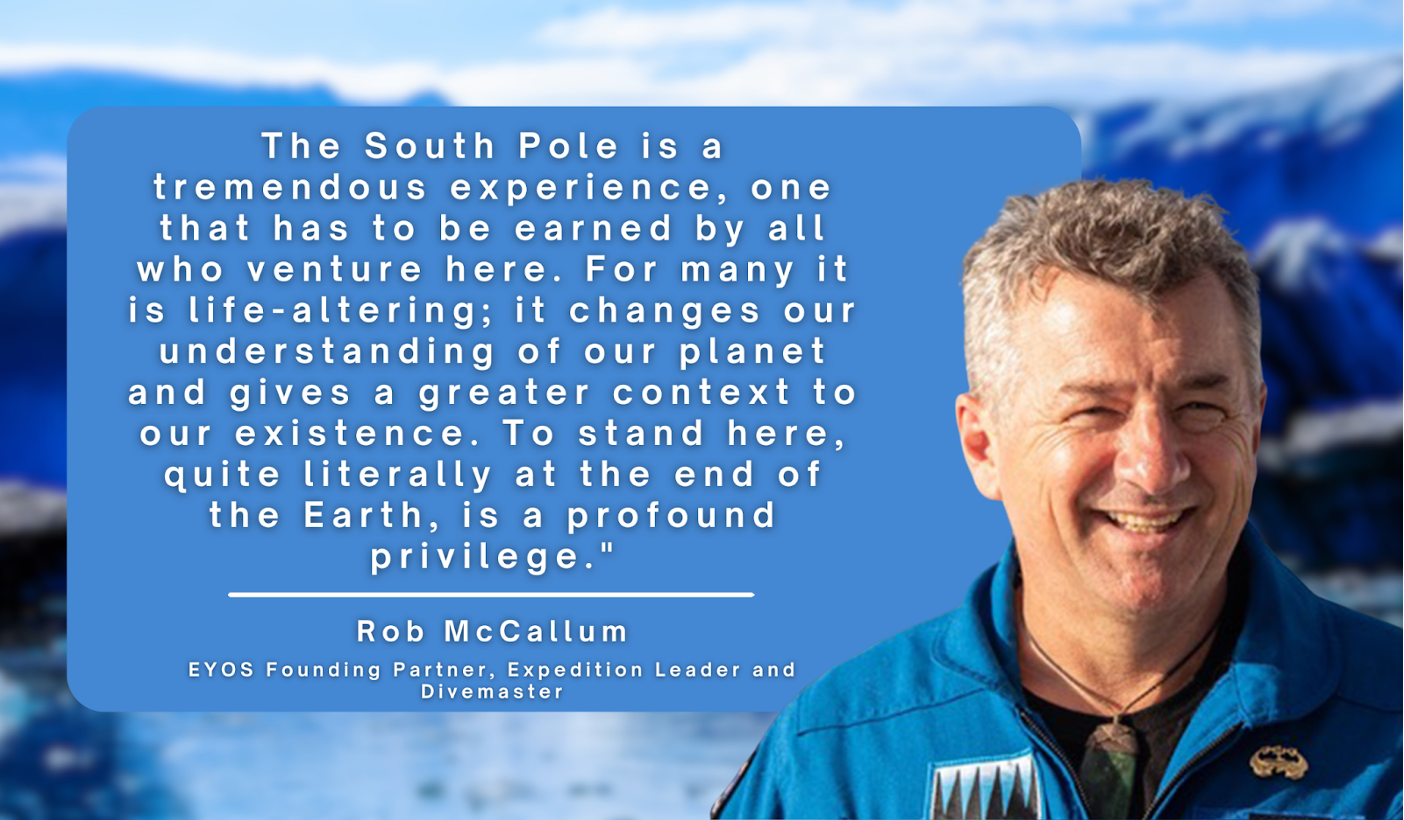
EYOS Expeditions has operated in polar environments for over two decades, building a track record in some of the planet’s most challenging destinations, from the Northwest Passage and Svalbard to the Ross Sea and Antarctica’s Peninsula.
Their South Pole programme draws on that accumulated field experience to construct journeys that are both genuinely extraordinary and operationally sound.
The distinction between an expedition company and a tour operator matters here.
An expedition operator designs around the environment first, building itineraries that respond to real conditions rather than imposing fixed schedules on a place that does not accommodate them. More importantly, expert operators understand that in Antarctica, success is not simply reaching the destination. It is reaching it responsibly, safely, and with enough context for the journey to feel meaningful rather than merely extreme.
Following Amundsen and Scott: the weight of the history
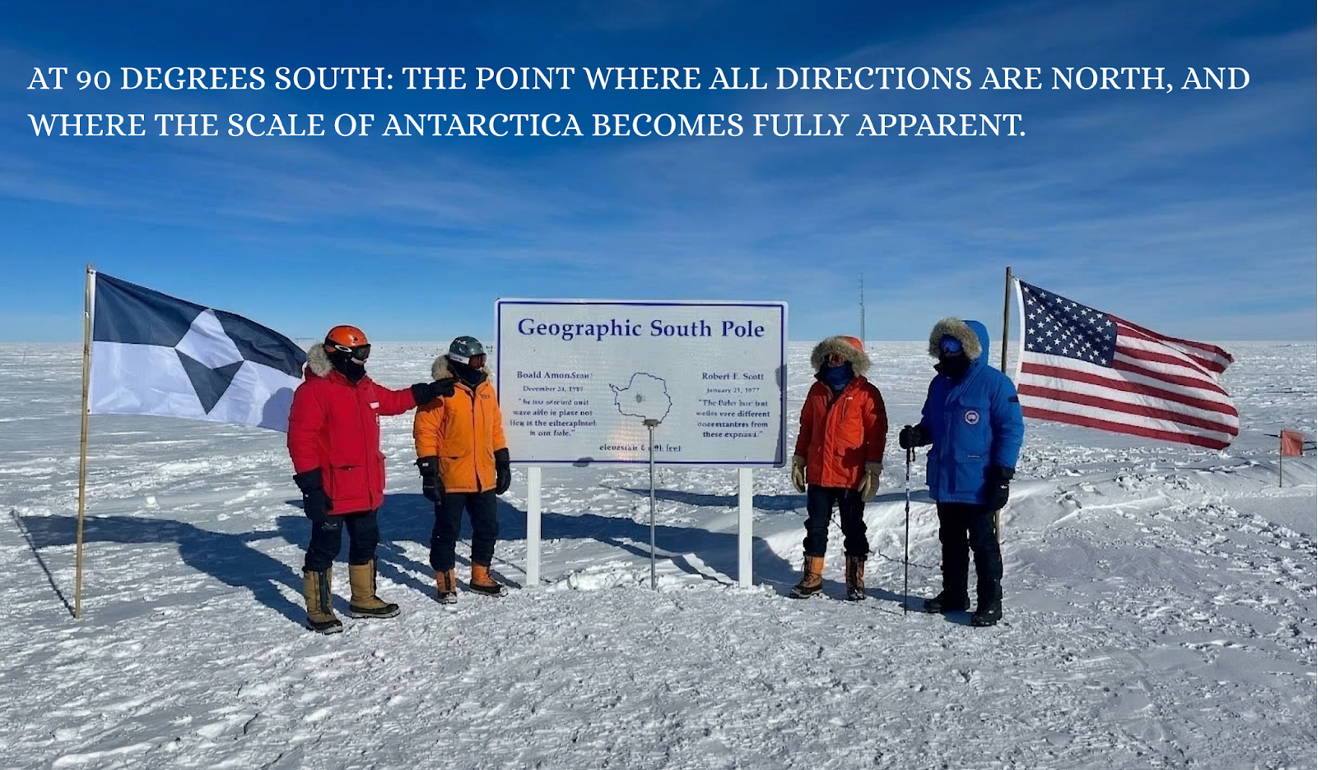
For many who make the journey, the historical dimension is inseparable from the physical experience. The race to the Pole between Amundsen’s Norwegian team and Scott’s British expedition has been studied, debated, and retold for more than a century.
Standing at 90 degrees South, visitors encounter that history not as a museum exhibit but as a lived geography: the same plateau, the same horizon, the same cold.
Experienced expedition leaders contextualise that history in ways that genuinely deepen the experience. Understanding the logistics Amundsen employed, his use of dog teams, his careful depot-laying strategy, and his obsessive attention to cold-weather equipment illuminates what the journey demands even today. Scott’s fate, and the decisions that contributed to it, carry different lessons about the cost of underestimating the continent.
That narrative layer does not come standard with a flight booking. It comes from guides who have spent years in polar environments and know how to translate the landscape into something more than scenery.
Practical considerations for prospective South Pole travellers
The South Pole is not a destination that requires mountaineering credentials or extreme athletic ability, though base fitness and cold-weather tolerance are important. What it does require is a willingness to operate within the constraints the environment sets, and the trust to defer to expedition leadership when conditions demand it.
A few practical considerations shape the process:
- Plan early. The field season is short, aircraft access is limited, and specialist support is finite. Serious expeditions are rarely arranged at the last minute. Expert operators help travellers choose the right season, trip structure, and preparation timeline.
- Respect altitude. The South Pole’s elevation is significant in its own right, and polar atmospheric pressure can make it feel higher. Preparation and pacing are part of the experience, and experienced expedition teams help travellers understand what to expect before arrival.
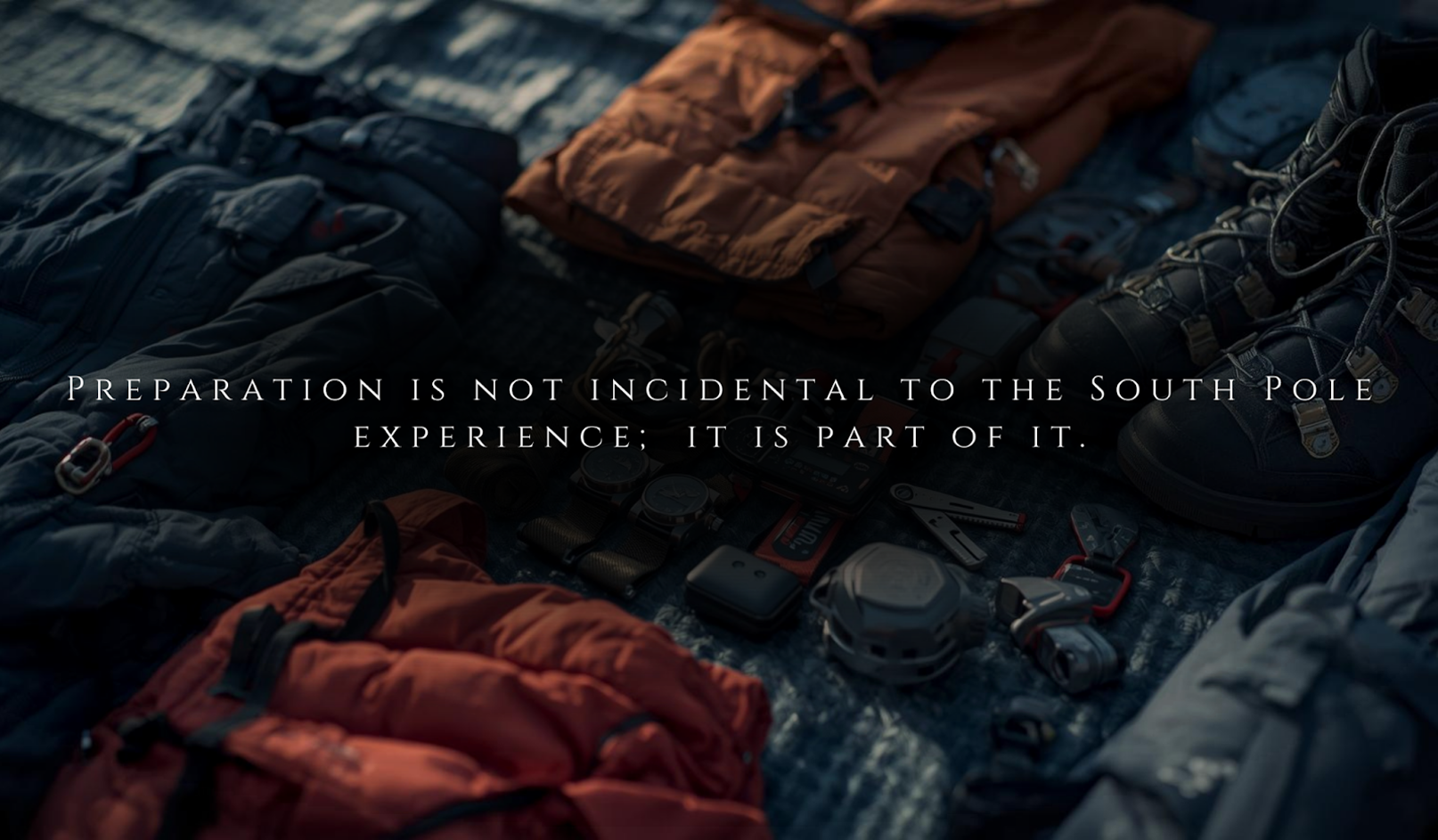
- Treat equipment as essential. Layering systems, insulated boots, eye protection, and technical cold-weather gear are not optional extras. They are part of the expedition’s safety architecture. Expert guidance is especially valuable here, because the right operator can help travellers distinguish between what is necessary, what is excessive, and what performs reliably in Antarctic conditions.
- Expect flexibility. Weather, visibility, and field conditions can all affect movement. In Antarctica, patience is part of competence. Expert leaders help travellers adapt to these changes without losing confidence in the process.
- Choose the operator carefully. Experience shapes everything, from route planning and contingencies to the tone and quality of the journey itself. The best expedition teams do more than manage logistics. They create the conditions for travellers to experience the South Pole with both safety and perspective.
The authority governing civilian access to the continent, also shapes the permit landscape. Operators with established track records in Antarctic operations understand this framework and how to work within it efficiently.
What the South Pole offers that nowhere else does
The South Pole offers none of the usual comforts by which luxury travel is often measured.
What it offers instead is rarer: true remoteness, immense historical gravity, and the clean perspective that comes from standing at the edge of what is logistically and psychologically accessible.
For the traveller who has already seen many of the world’s celebrated destinations and is looking for something with greater weight, the Antarctic interior delivers an experience that belongs in a category of its own.
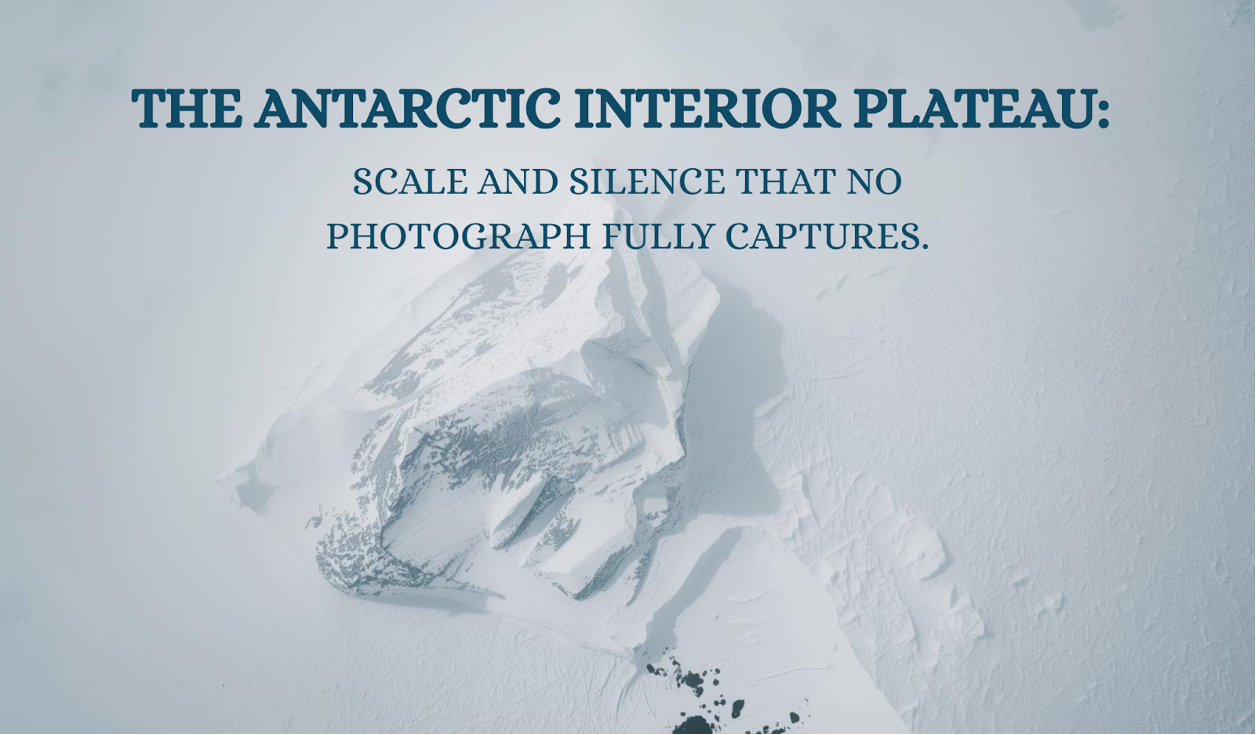
The scale of the plateau, the silence that surrounds it, and the knowledge of where you are standing in relation to the rest of the planet combine into something that many describe not as thrilling, but as quietly transformative.
Very few people will ever make the journey.
To reach the South Pole safely, meaningfully, and with confidence in the systems behind it is what expert expedition guidance changes.