In a tech industry fixated on speed and immediate feature rollouts, product designer Kalyani Tupkary is pushing back with a different approach: using speculative design and foresight to shape how digital systems handle long-term change.
Tupkary is a Senior Product Designer at Roblox and previously led product design initiatives at Twitch. Across both, her practice has sat at the intersection of product design and speculative design. Her work combines core product design practice, from user research to systems thinking to shipping at scale, with foresight methods like horizon scanning, signal mapping, and scenario planning. It looks past the next quarter to how products, and the people who use them, might change over years.
“As a product designer, I work on products that are put into the world quickly. They are real,” Tupkary said. “But I also design artifacts that don’t exist in our world, but could. They are fictional, often taking the form of ordinary objects that hint at alternate worlds or futures. That space between what exists, what could exist, and what we can imagine is what I mean by ‘sometimes real, sometimes fictional, and often dreamed in-between.'”
Her approach targets a common blind spot in tech development: building for short-term goals without considering broader cultural or technological shifts. Rather than attempting to predict a single outcome, her practice focuses on preparing organizations for unpredictability.
“A foresight-led product design practice translates qualitative and quantitative research into experiential artifacts,” Tupkary explains. “Designers are equipped with the tools, craft, and skills to simulate futures. This means materializing fuzzy ideas into compelling experiences, creating concrete, interactive prototypes that let leaders evaluate which scenarios are worth planning for.”
To help stakeholders engage with unfamiliar ideas, Tupkary draws on the “future mundane,” a concept from designer Nick Foster that uses familiar, everyday objects to make alternative futures feel tangible. “One of the most effective techniques I use is taking something familiar and rendering it differently,” she said. “This creates a kind of estrangement that forces people to re-examine an artifact through a different lens and question their current relationship with technology.”
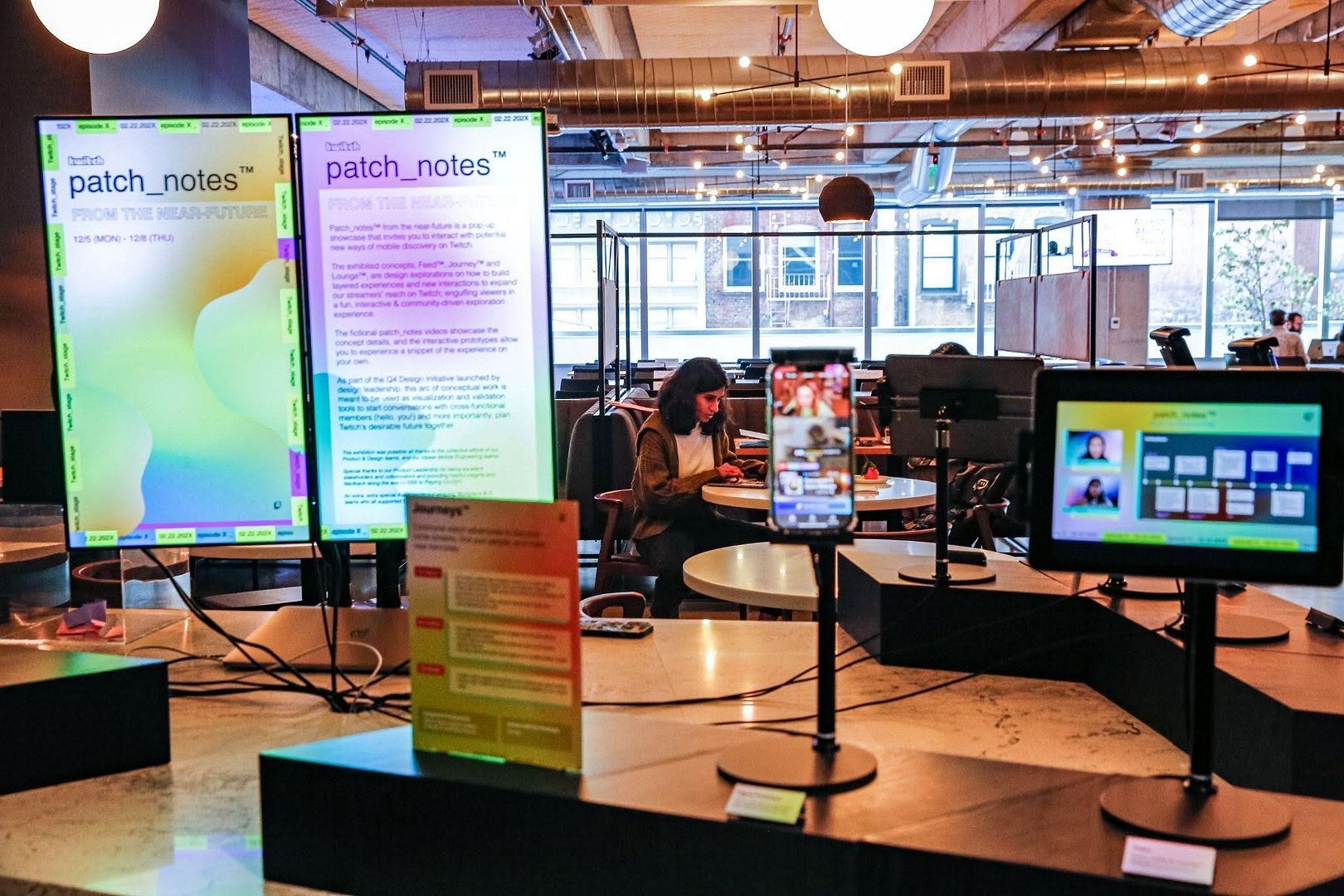
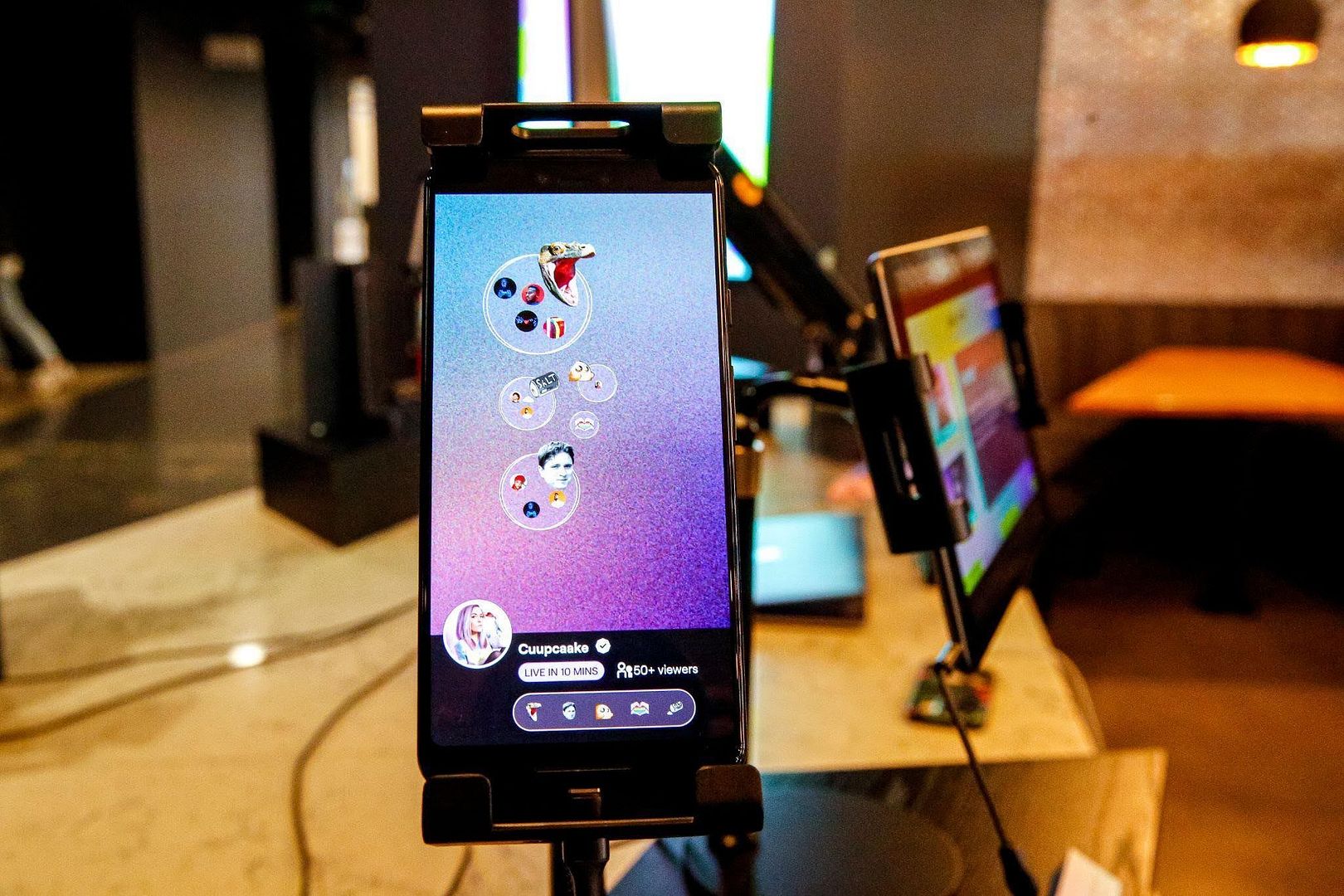
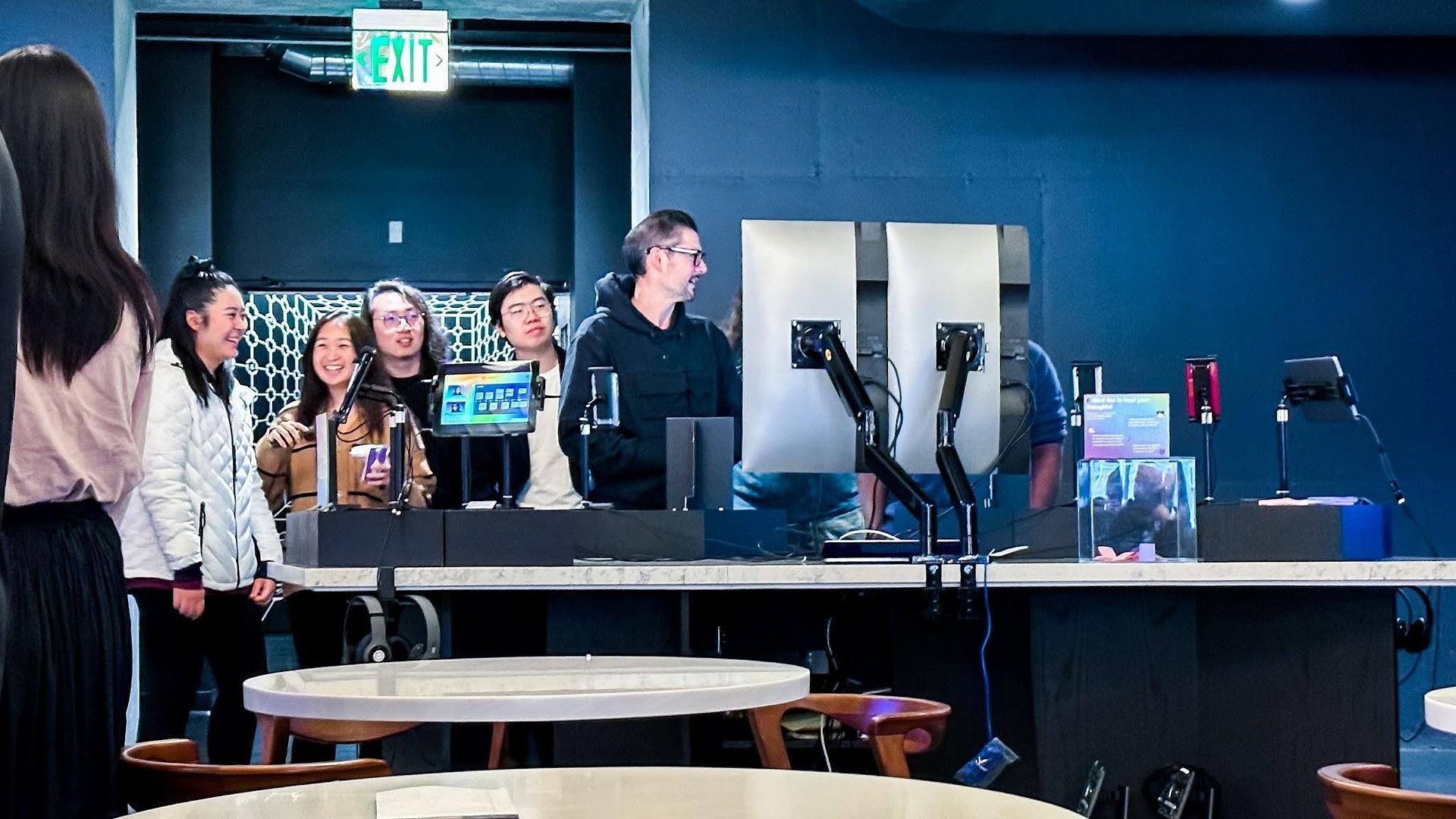
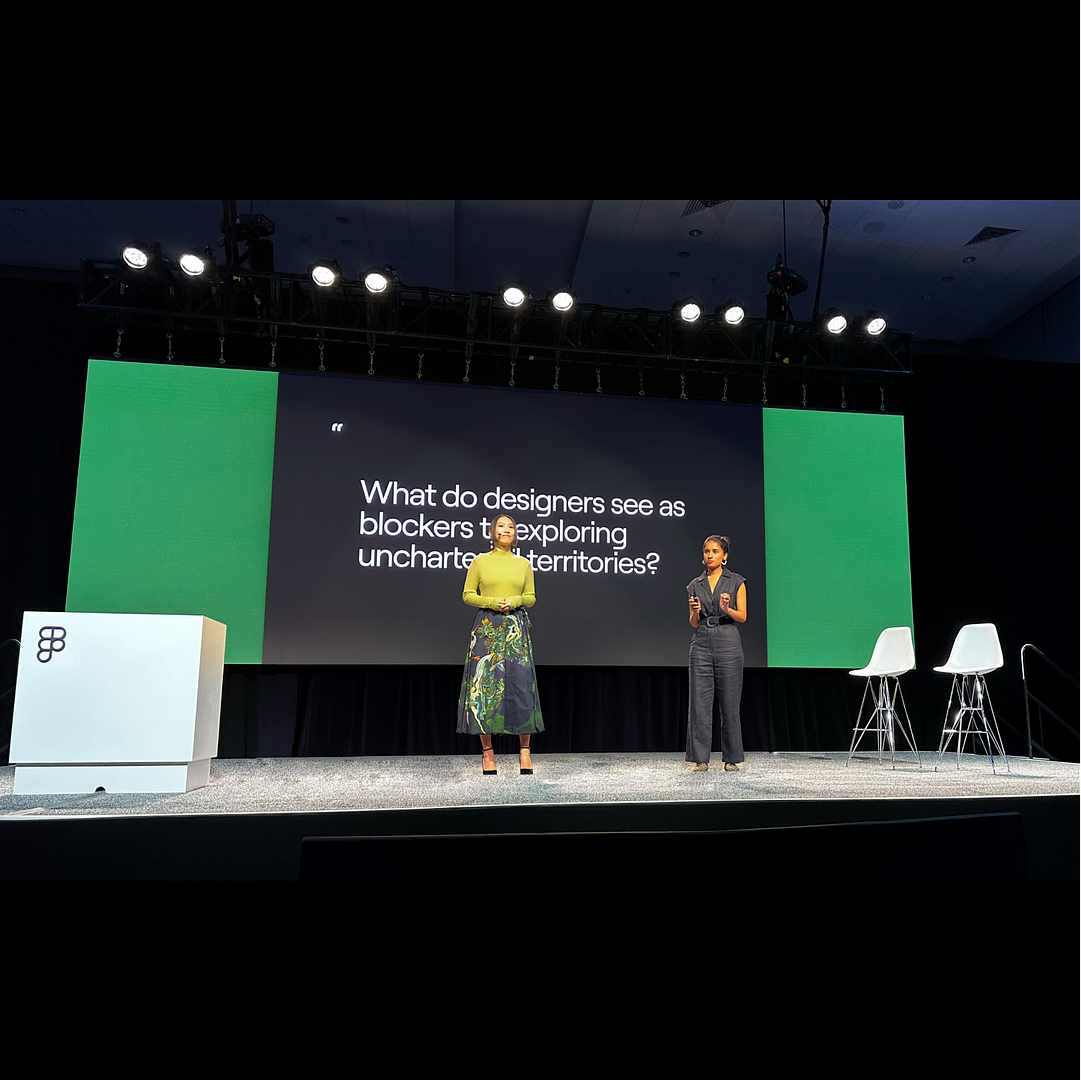
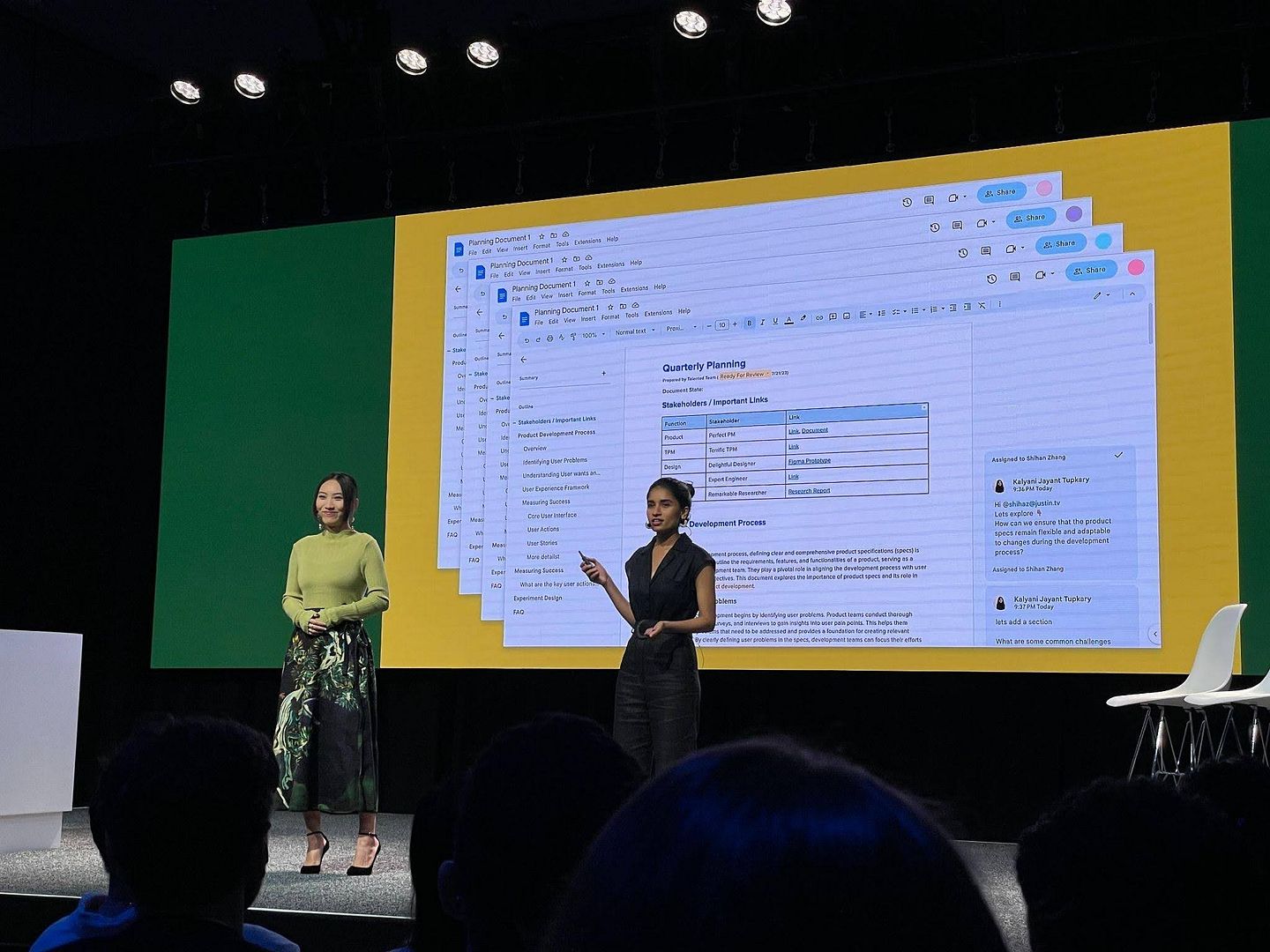
She put this into practice at Twitch. In 2022, she conceived and led Twitch from the Future, an exploratory project that translated complex qualitative and quantitative research into tangible possibilities for what Twitch could become. Her team turned these ideas into interactive prototypes and fictional product launches, including “patch notes from the future” that borrowed the format Twitch uses to announce new features. The project culminated in an immersive pop-up exhibition at Twitch HQ, where employees and executives could experience possible futures firsthand. Its ideas informed annual roadmap planning and broader product strategy. The project was named Runner-Up in the Speculative UX Design category at the Silicon Valley UX Awards, an honor shared with Shihan Zhang. Tupkary and Zhang later presented the methodology at Figma’s Config 2023 and published it on Figma Community as A Journey into Speculative Design, so other designers could build on the approach.
Alongside this, her product work includes the redesign of the Twitch mobile app, the launch of its Discovery Feed, and safety and social features at Roblox.
Tupkary trained at the National Institute of Design (NID) in India, where acceptance rates hover around 1%, and later at Parsons School of Design in New York on a President’s Merit Scholarship. Outside of tech, her research has earned international recognition. She won the Next Generation Foresight Practitioners (NGFP) Innovative Methods Award for Calendar Collective, an archive exploring non-linear ways of experiencing time that was featured in the MIT Press book Not Here, Not Now. Her ongoing work on time includes Incomplete Glossary of Time, which uses generative AI to coin new words for hard-to-describe temporal experiences.
Her work has been exhibited internationally, including in The Olfactory Thing (2026), part of the TIAT x Flora AI residency in San Francisco; MozFest’s AI Cosmologies (2023); The Wrong Biennale (2022); London Design Fair (2017); and Story of Space in Goa (2017).
When collaborating with engineers, Tupkary keeps the work centered on human problems over pure technical constraints. “Collaboration works best when the work is rooted in a people problem, rather than simply a business problem,” she said. “When designing products used by millions of people, every decision needs to be carefully weighed. That often means focusing on atomic parts and incremental improvements rather than radical redesigns.”
She views AI as a fast-changing medium that requires constant experimentation. “With AI, it does feel like the ground beneath our feet is shifting, and it is,” she said. “I try to treat technology as a rapidly changing material. That means continuously experimenting with new tools, figuring out new workflows, and understanding not just what they can do, but how they are changing the way people create, work, and interact with technology.”
As tools make it easier to go from an idea to working software, Tupkary believes the designer’s primary job is shifting from production to critical evaluation. “As AI makes it possible to turn an idea into working software almost instantly, product designers have an increasingly important role in asking the harder questions: What should we build? Why? And how do we make sure speed doesn’t replace the thinking required to build something meaningful?” she said.
“Products that positively impact people are still rooted in an understanding of human behavior, culture, context, and needs,” she added. “As the ability to build accelerates, design provides the judgment and perspective needed to decide what is worth building.”
Words: Tom Oakley
Images: Courtesy of Kalyani Tupkary