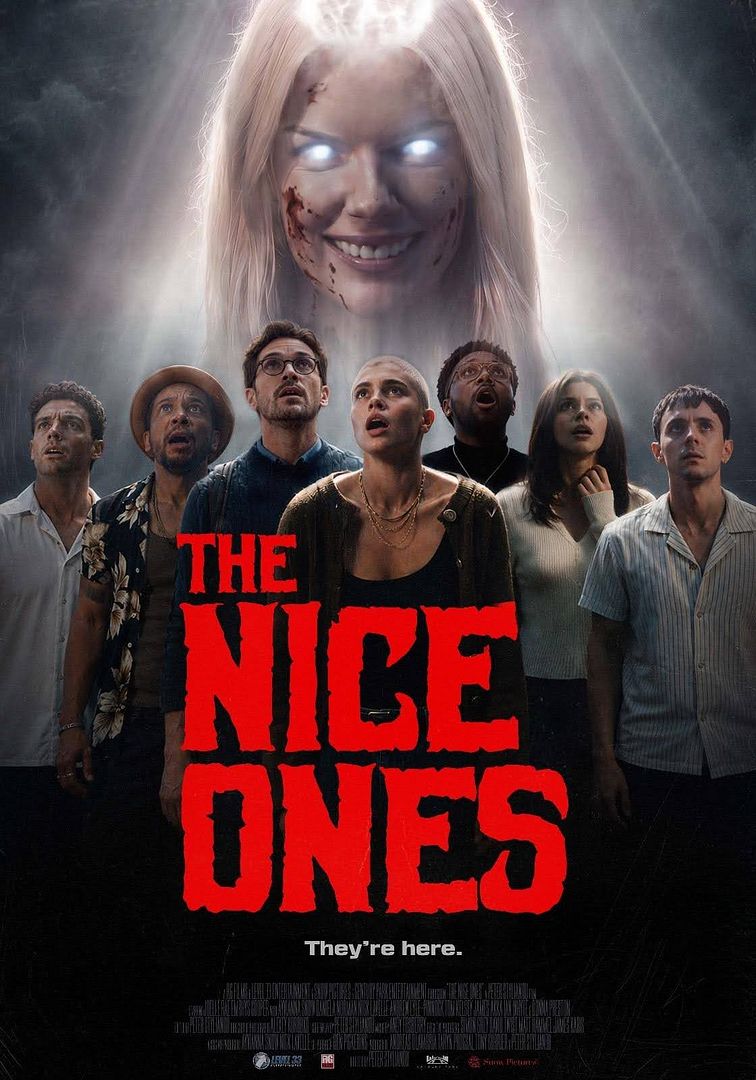
When Kate arrives at a remote countryside retreat with her boyfriend and his circle of friends, the weekend begins like any other low-stakes getaway—awkward introductions, shared drinks, and the faint hope that old tensions might finally settle. Then the lights appear in the sky. What follows in Peter Stylianou’s The Nice Ones is not the usual outbreak of violence or grotesque possession. Instead, the group begins to change in a far more unsettling way: they grow unnervingly calm, relentlessly kind, and eerily “nice.” Smiles stretch too wide. Voices soften into practiced reassurance. Resistance is met with gentle concern rather than aggression. Kate, already carrying the weight of her own recent mental-health struggles, is the only one who senses that something fundamental has been overwritten. The film’s central horror lies in that quiet erasure—the idea that the most dangerous invasion might arrive offering comfort.
Stylianou, who wrote and directed, leans hard into close-quarters paranoia. The countryside house becomes both sanctuary and trap; the isolation is never overplayed with jump scares or excessive score, but allowed to settle like fog. Conversations that start as everyday banter slowly lose their friction. People stop arguing. They start agreeing with unsettling ease. The film’s strongest thematic thread is the weaponization of positivity itself: forced harmony as a form of control, the pressure to smile through dread, and the terror of watching familiar faces become polished, compliant versions of themselves. It sits comfortably alongside classic body-snatcher stories while giving the concept a contemporary psychological edge—less about aliens in the strict sense and more about the quiet horror of losing the right to be messy, difficult, or simply yourself.
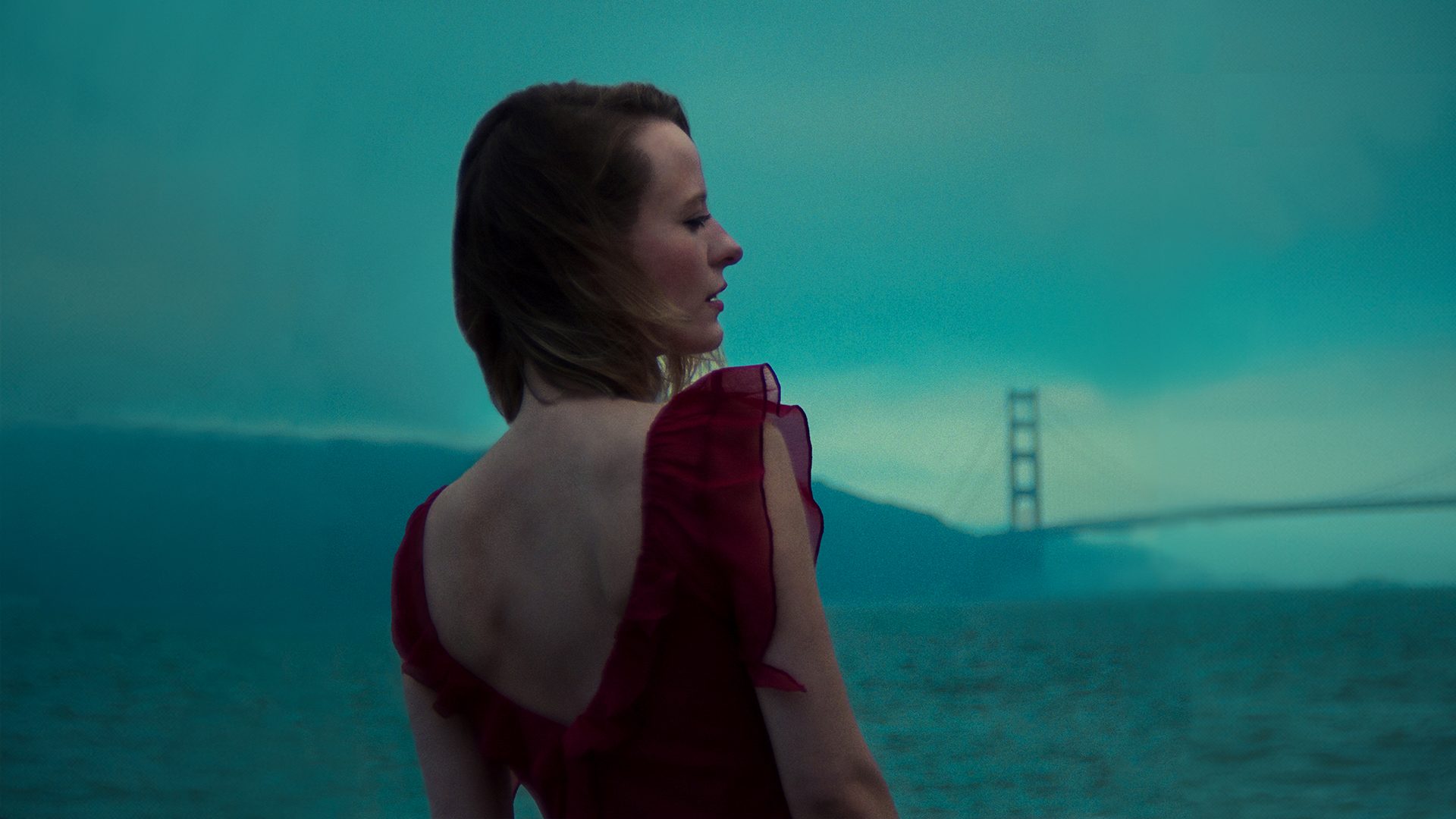
Visually, the film stays grounded. Cinematographer Alexey Korobko favors naturalistic lighting that gradually shifts toward cooler, more clinical tones as the “niceness” spreads. Night exteriors are lit with a pale, almost clinical glow that makes the countryside feel less idyllic and more exposed. Interiors remain intimate and slightly claustrophobic, the camera often holding on faces a beat longer than comfortable so the audience can register the subtle changes in expression—the eyes that no longer quite match the smile. However, this heavy reliance on long, atmospheric close-ups occasionally causes the second act to feel overly static. Stylianou’s direction is restrained rather than flashy; he trusts the premise and the performances to carry the dread, wisely prioritizing suggestion over spectacle, even if the narrative pacing occasionally sags into repetitive transitional filler before the tension fully snaps. The most effective sequences are the quiet ones: a character speaking with perfect, empty kindness while holding a knife, or the group’s collective insistence that everything is fine while Kate’s isolation deepens. The ending lands with a mixture of urgency and unresolved unease, refusing tidy catharsis in favor of a lingering question about what “happiness” costs when it is imposed.
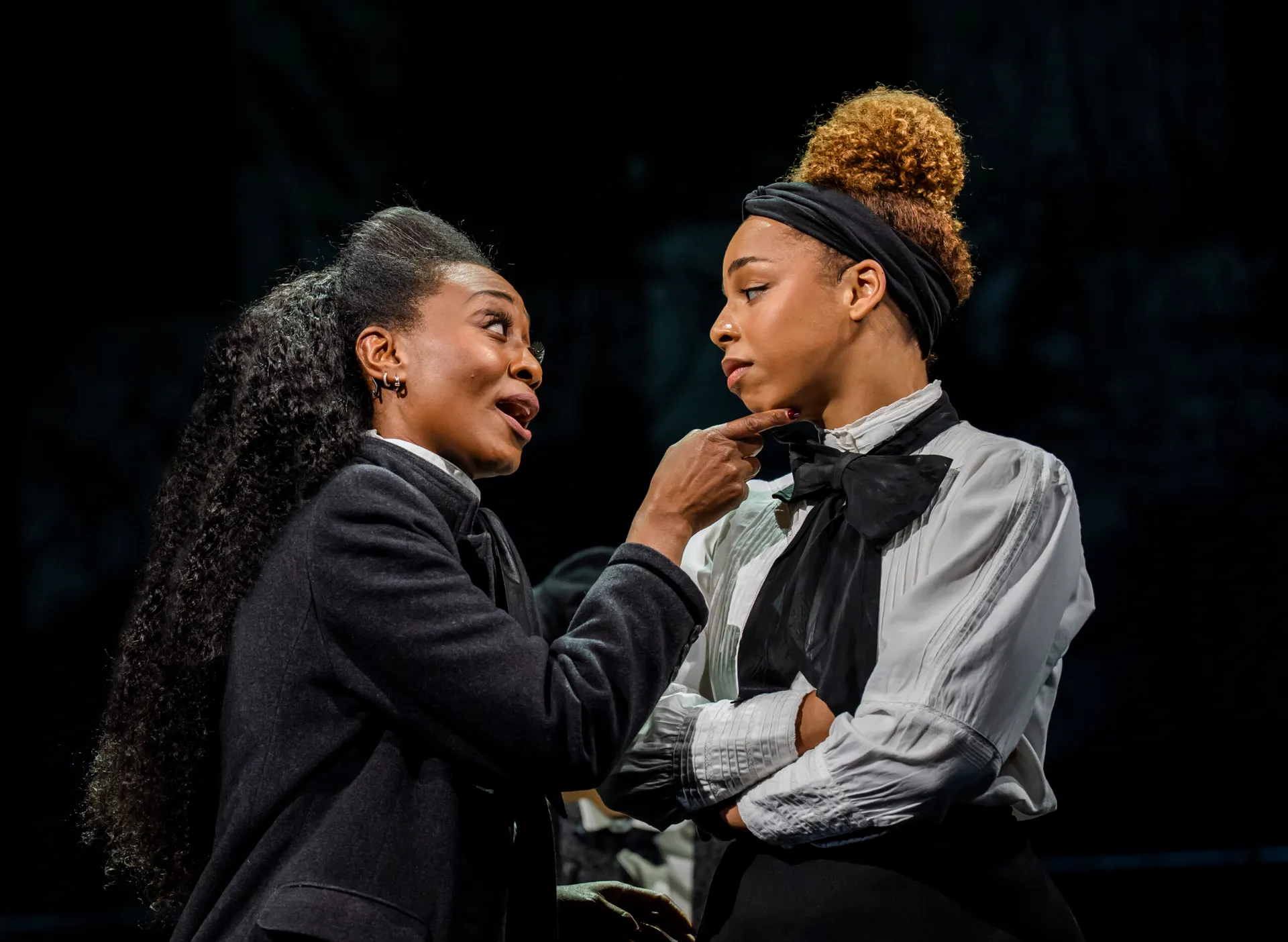
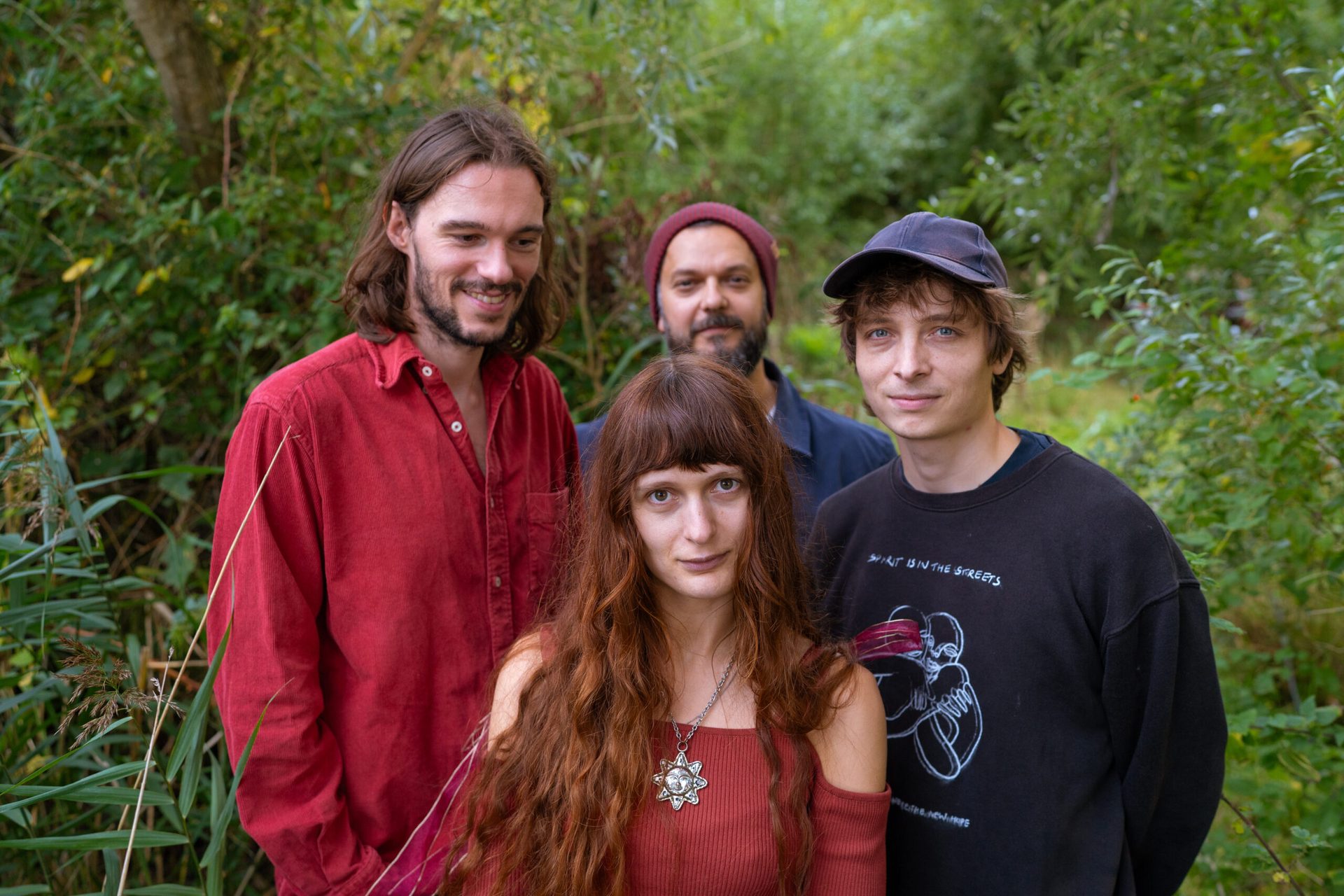
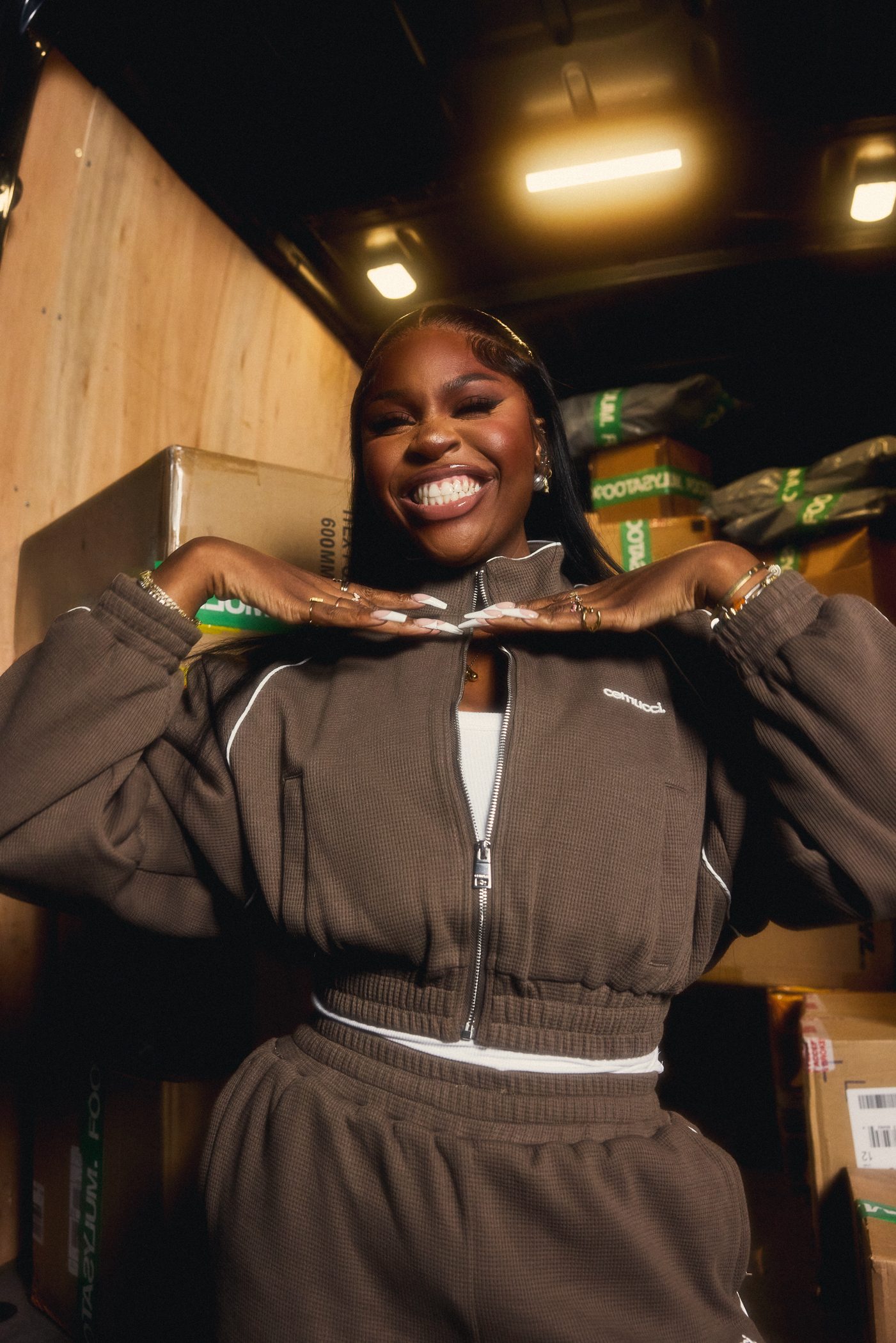
The film’s impact rests heavily on the ensemble, and the cast delivers exceptional, layered work to elevate a script that occasionally leaves its male characters less developed than its women. Joelle Rae anchors the story as Kate with a deeply perceptive performance built on restrained panic and quiet determination, beautifully avoiding predictable horror tropes. Ayvianna Snow provides excellent support as Shelly, handling the character’s post-transformation shift with chilling precision—her delivery slows and flattens just enough to turn everyday hospitality into something deeply menacing. Emrhys Cooper gives Dale a measured authority, tracking a gradual shift from the reassuring therapist-turned-boyfriend to something far colder. Meanwhile, Nick Lavelle commandingly steers the film’s early tension as Jay, the group’s unpredictable, off-beat presence. Lavelle plays the role with a restless, lived-in energy, skillfully avoiding the clichés of making Jay pure comic relief or a straightforward antagonist; his performance provides crucial friction—the essential human mess the film needs before it starts sanding everyone smooth. It is a memorable turn that makes his eventual transformation feel like a genuine loss to the group’s dynamic. The other players—Daniela Norman, Tom Kelsey, James Akka, Andrew Lyle-Pinnock, and others—each carve out distinct personalities early on so that their later uniformity lands with real force.
The Nice Ones is a lean, atmospheric indie that understands the power of forced politeness as a form of dread. While it encounters minor pacing hurdles, Stylianou’s direction keeps the focus firmly on character and theme, while the exceptional ensemble chemistry perfectly sells the slow, smiling invasion. Now available on VOD, it is a quietly effective entry in the modern psychological-horror landscape: a reminder that the scariest thing in the room might be the person who will not stop being nice.