In early February 2026, My Body is Dust inhabited Asylum Chapel in Peckham, London, a space where time and material converge. Part of the nomadic “Othering” series, the exhibition treated the city itself as an evolving stage. The chapel’s fractured glass, exposed beams, and weathered walls resisted restoration, appearing less as a monument and more as a body in continual becoming. Dust settled everywhere, not only as residue but as a lens for perception, where filtered light, echoes, and texture shaped the act of looking.
Captured by Daisy
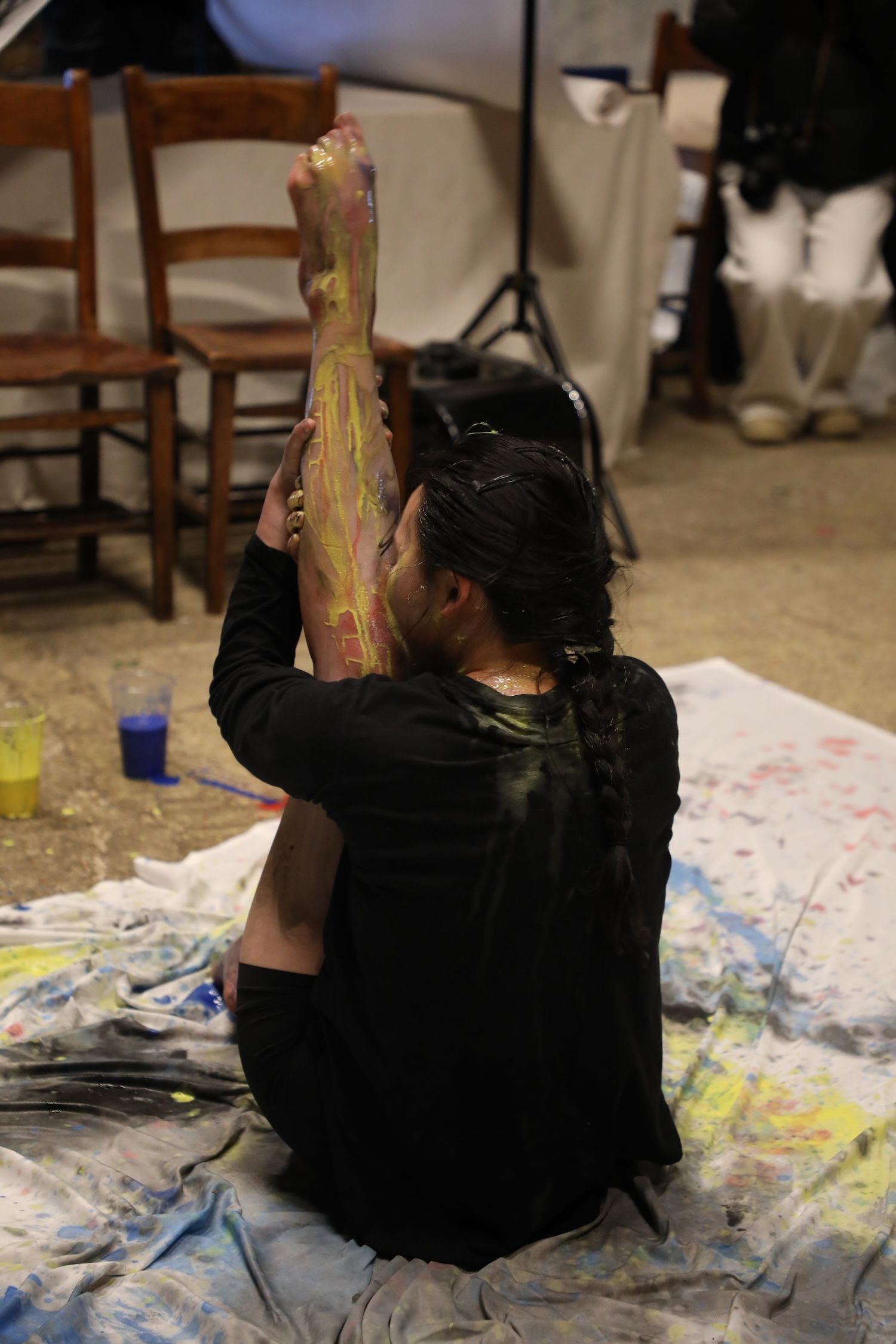
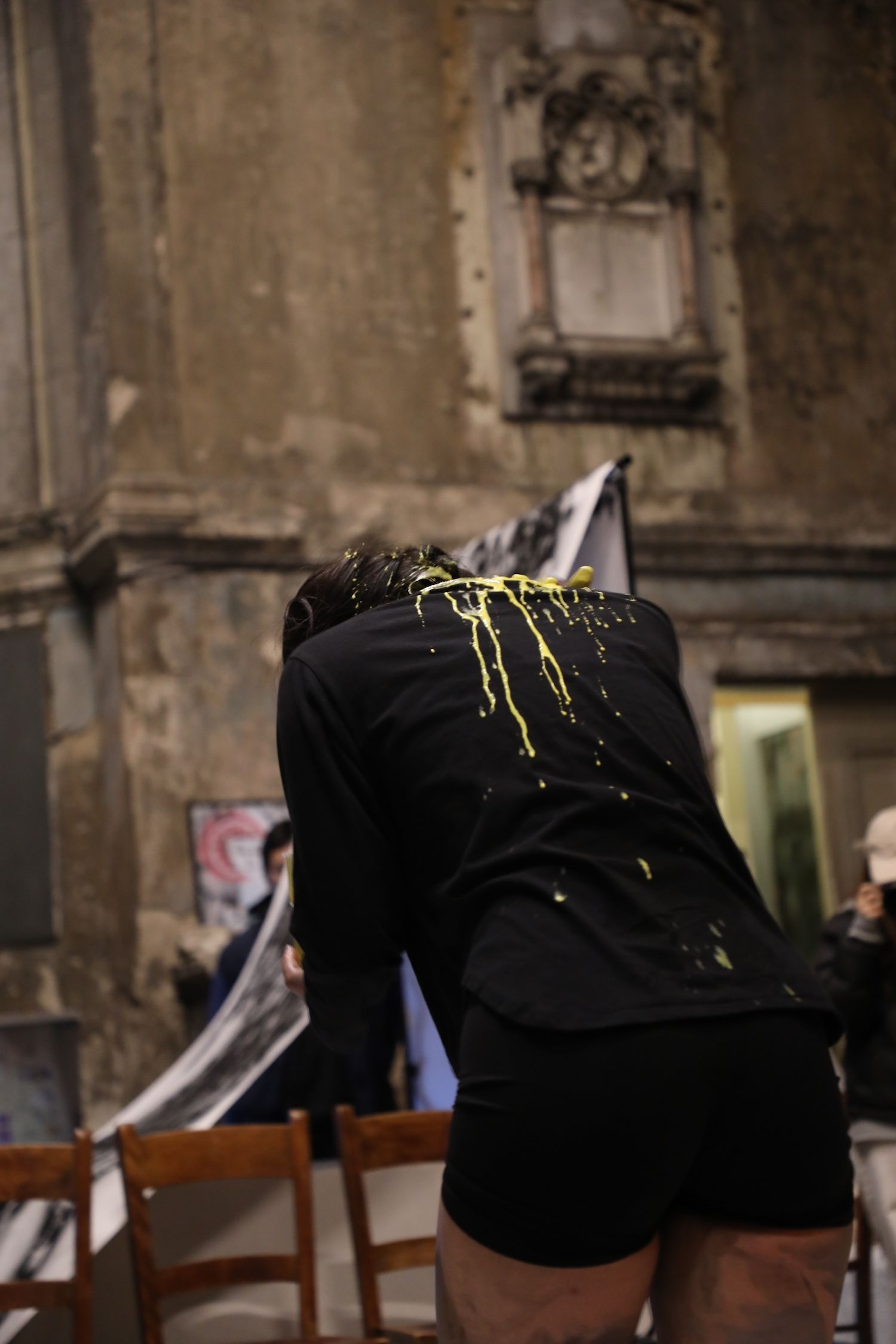
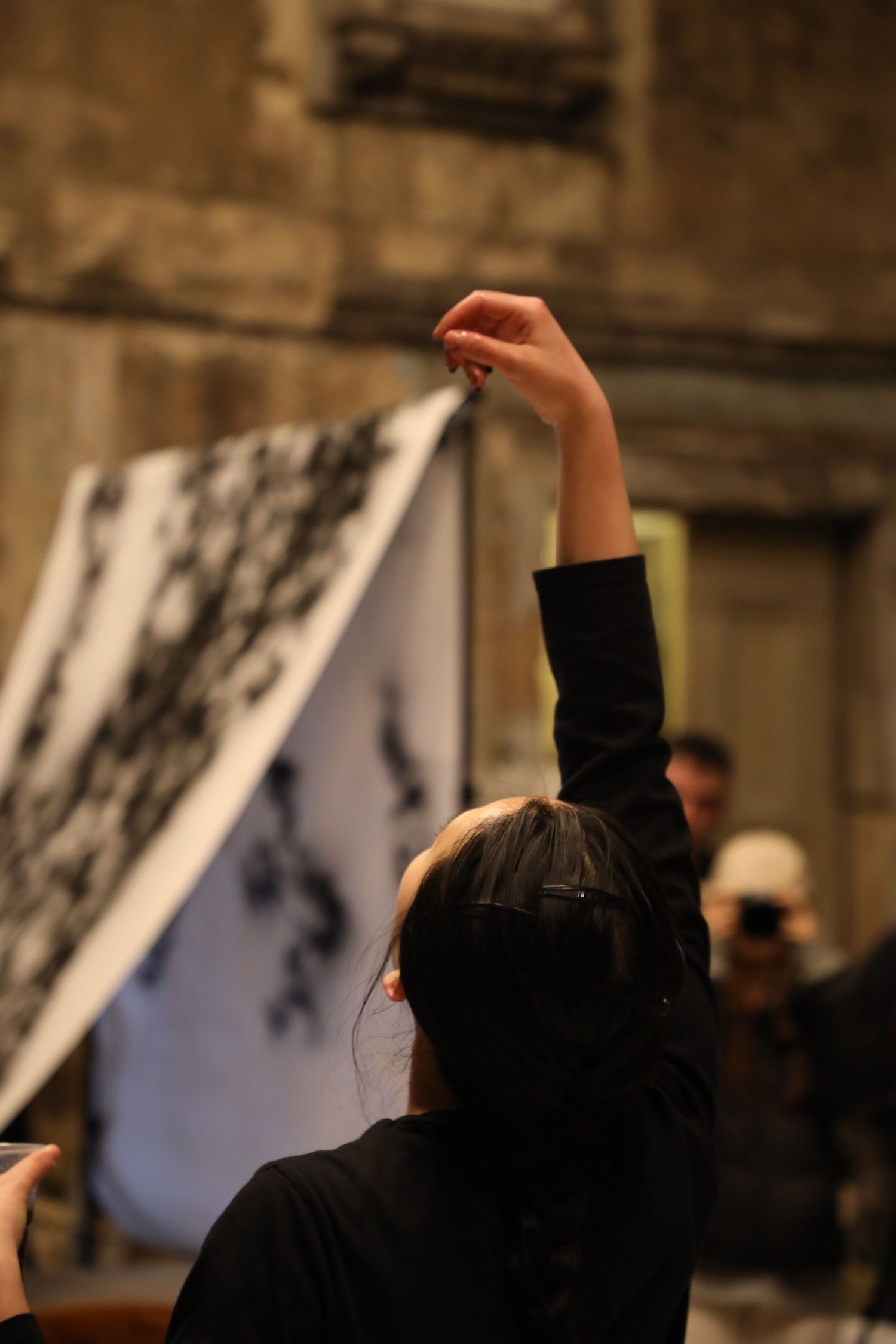
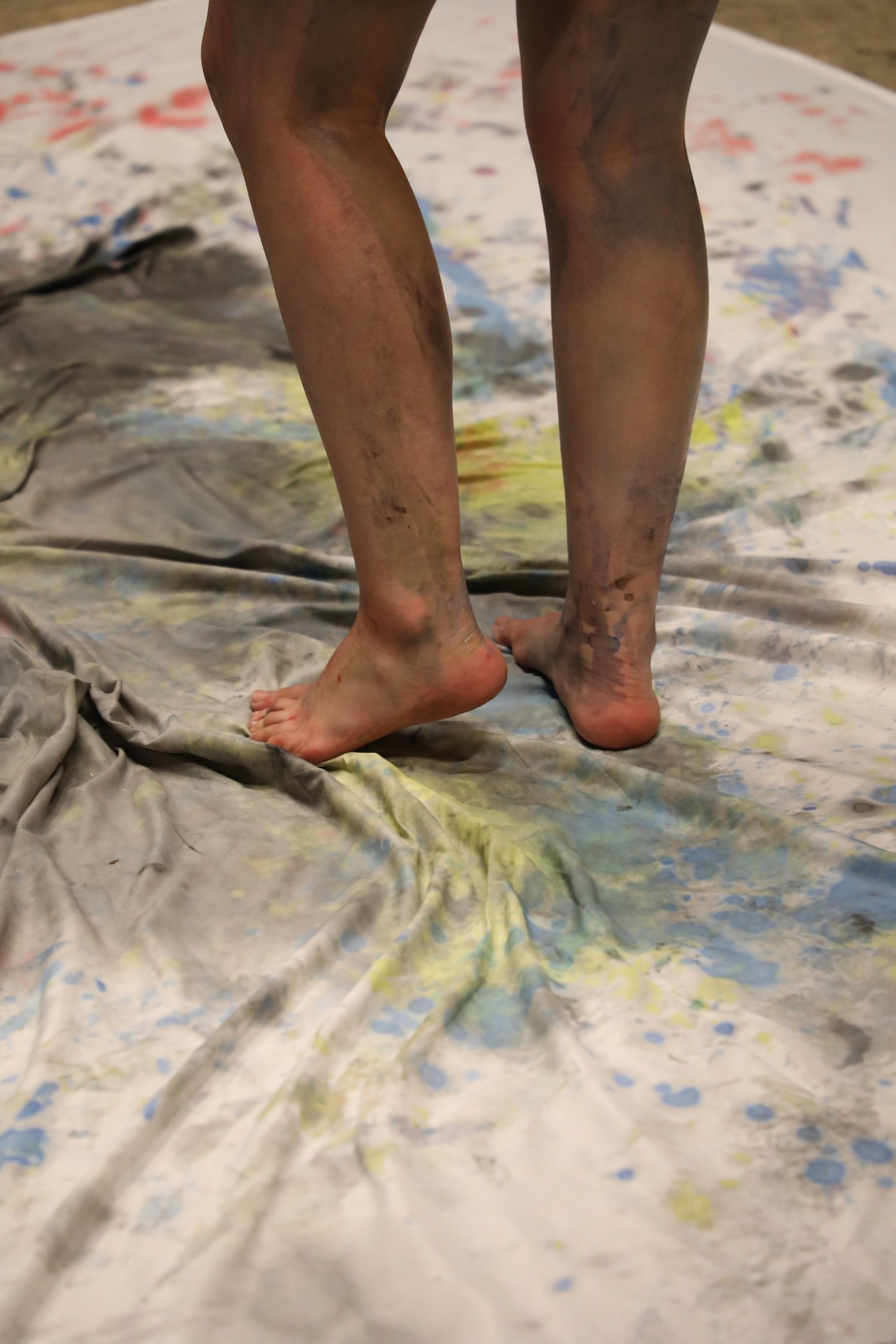
Within this shifting environment, Roseline Zhang’s When We Listen to Our Body through Emotions II unfolded as a negotiation between body, surface, and atmosphere…Zhang’s practice seeks to explore how bodily perception and emotional states can be translated into spatial and material conditions, resisting fixed representation in favour of lived, sensory experience. It did not appear as a fixed image but gradually emerged as a living event, one to be entered rather than observed from a distance. The 3×3 metre canvas, laid horizontally, invited movement and contact, turning every trace into an index of presence and duration. By placing the canvas on the ground, Zhang deliberately shifts painting away from a visual surface toward a site of encounter, where the body becomes both the agent and measure of mark-making.Marks gathered where the body returned insistently, compressing pigment into dense matter; elsewhere, gestures thinned into near absence, registering hesitation, withdrawal, or breath suspended in time. The painting did not resolve into an image but remained in a state of continual arrival, a field of subtle traces that carried the memory of their making.
By working horizontally, Zhang transforms the canvas into ground to inhabit, traverse, and negotiate. Her body moves not as a performer before an audience, but as a sensing instrument in contact with material and space. Drawing and movement dissolve into one. Each trace retains the memory of gestures still unfolding, read not solely with the eyes, but kinaesthetically…This process foregrounds duration, repetition, and bodily feedback as essential components of the work, rather than secondary to a final visual outcome.
Captured by Daisy
Emotion is handled with restraint. Nothing is dramatized; nothing illustrated. It accumulates quietly beneath articulation, shaping rhythm and leaving subtle yet enduring impressions. In Zhang’s practice, these impressions hover between visibility and concealment. These disciplines are not cited as background alone, but are actively reconfigured within her practice, where performative temporality and spatial structuring converge into a painterly language that continues to evolve across different sites and iterations.
The canvas becomes a site, not an object, continuously reconfigured through engagement.
Her dual training in physical theatre and architecture informs the work. From theatre, she brings an acute awareness of timing, presence, and the significance of intervals. From architecture, a sensitivity to spatial relations and the unconscious orientation of bodies within an environment. The canvas becomes a site, not an object, continuously reconfigured through engagement.
Within My Body is Dust, this approach resonates profoundly. The exhibition’s concern with use, how bodies and spaces co-constitute one another, is enacted through Zhang’s work. Light shifts, sound reverberates, and audience presence subtly recalibrates movement. The painting cannot be separated from these conditions; it is shaped through them and, in turn, reshapes the experience of the space.
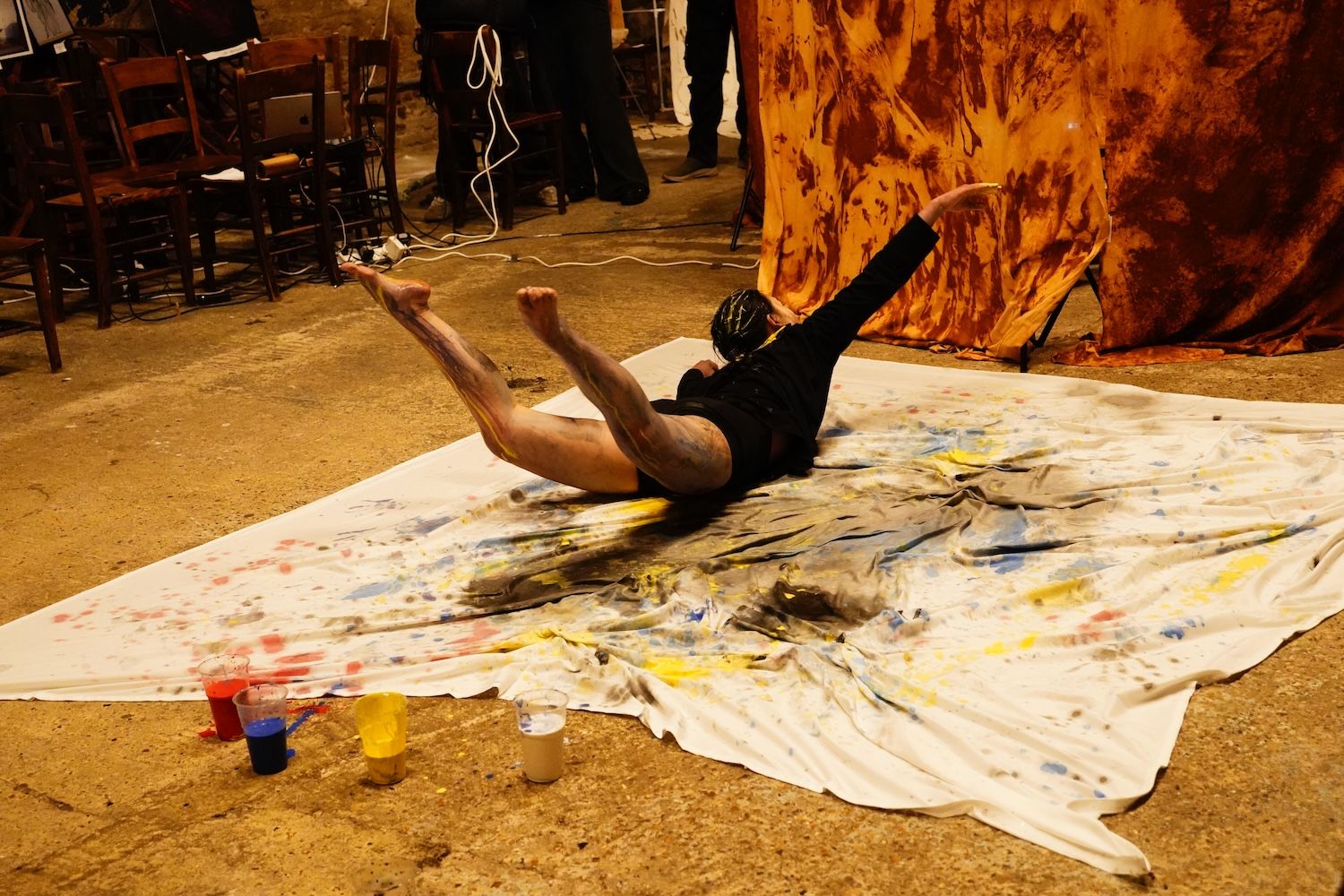
Standing within the work heightens awareness of one’s own body. Breathing becomes perceptible. Time stretches, loosens, refuses linear containment. Zhang does not dictate this experience…she makes it possible.
The work also engages broader social conditions. In a world where emotional life is often deferred, managed, or rendered invisible, the body becomes a site of accumulation. Zhang provides a space in which this tension can be felt without being reduced to explanation. Her gestures reveal how individuals navigate emotion, memory, and spatial context, reflecting both intimate experience and the social rhythms that shape contemporary urban life.
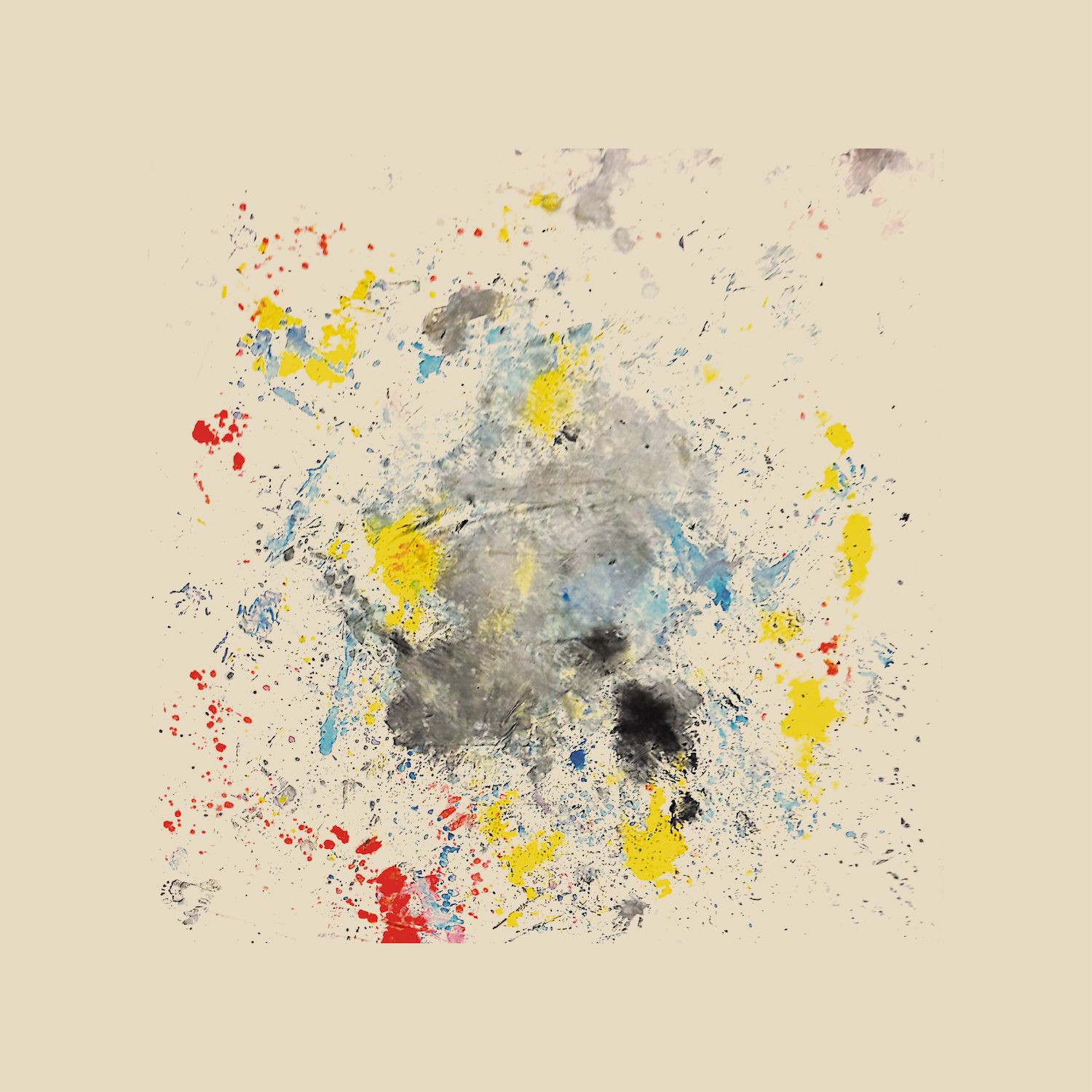
Even as the performance ends, the painting remains unsettled, holding durations that resist singular reading. Each iteration of When We Listen to Our Body through Emotions carries this openness forward, allowing the work to shift with different sites, audiences, and atmospheres. It is an ongoing inquiry, privileging sensitivity over closure.
Within the worn, luminous interior of Asylum Chapel, where history lingers as material presence, Zhang’s gestures enter a quiet dialogue with space itself. Both remain incomplete, continuing to form through use, contact, and time. The work’s clarity lies not in an image to be read, but a condition to be inhabited.
By Aaliyah C.
Editor-in-Chief, Re:Art
London-based writer and critic working across performance and cross-disciplinary practices