Route 66 turns 100 in 2026, giving road trippers a rare reason to revisit the highway that helped define the American driving vacation. The historic route crosses eight states between Chicago and Southern California, linking big cities, desert landscapes, roadside museums, small-town diners, and landmarks that reward unhurried stops.
A Centennial trip can last a long weekend or several weeks. Either way, smart packing matters because a road trip involves more than fitting belongings into a car. The best setup keeps overnight essentials easy to reach, protects valuables during stops, and leaves enough room for food, souvenirs, and emergency supplies collected along the way.
Match the Luggage to the Length of the Route
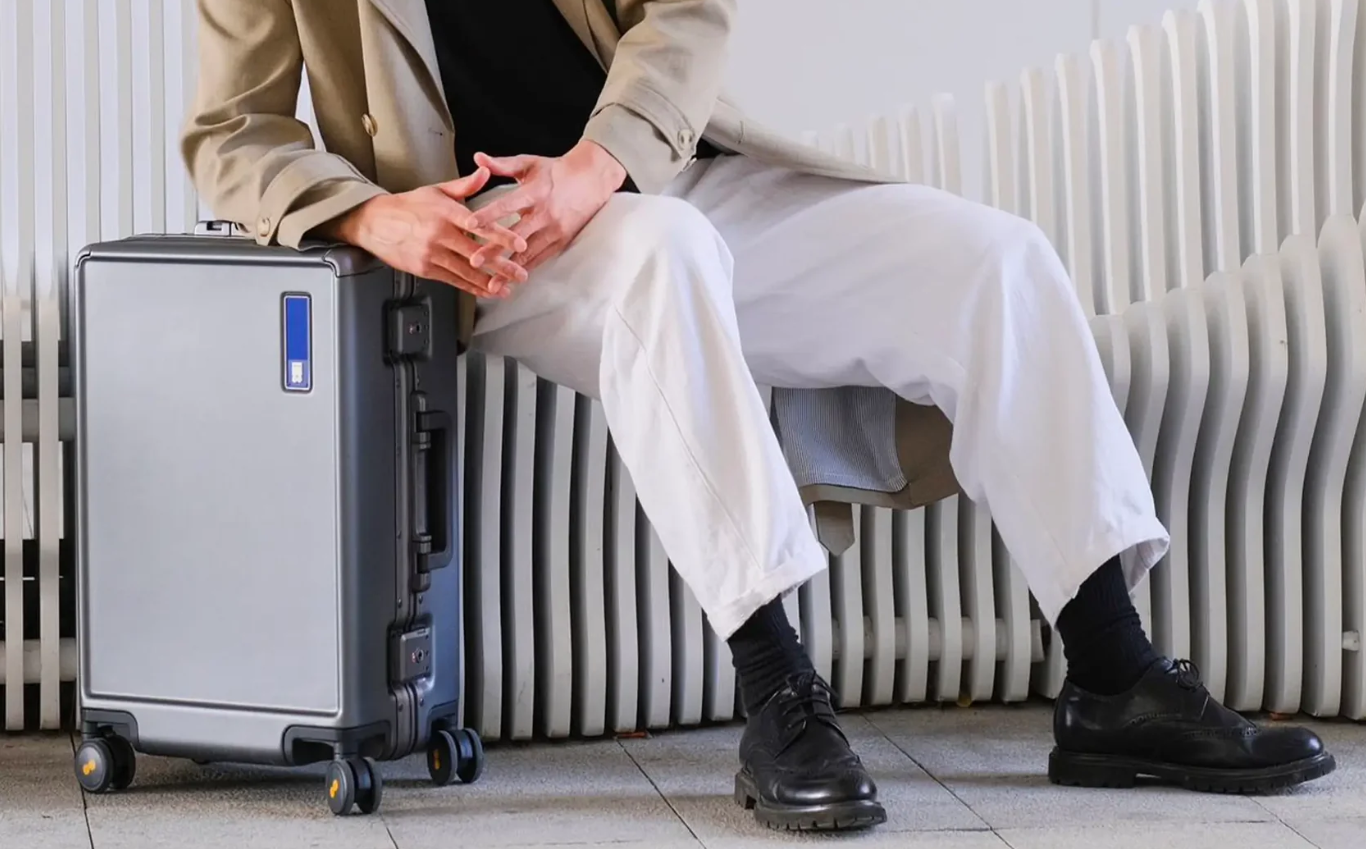
Start with the number of overnight stops rather than the total mileage. A traveler covering one state over three or four days may only need a carry-on suitcase, especially when each hotel stay is brief. A compact case is easier to lift from the trunk, roll through a motel corridor, and repack before an early departure. It also encourages a smaller wardrobe built around pieces that can be worn more than once.
For a longer journey, resist the temptation to fill the vehicle with separate bags for every category. A well-planned piece of luggage for each person, supported by one shared tote for road essentials, usually creates a cleaner system. Leave part of the cargo area open from the beginning. Route 66 is known for vintage shops, local crafts, maps, and roadside souvenirs, and unused space is much more valuable than an extra outfit that never leaves the case.
Build a Wardrobe for Eight Different States
Route 66 crosses several climates, so a single weather forecast cannot guide the entire packing list. Chicago may feel cool or wet while Arizona and California remain hot and dry. Lightweight layers work better than one bulky coat: begin with breathable shirts, add a sweater or fleece, and keep a light rain shell where it can be reached without unpacking the car.
Choose clothes that combine easily and can handle repeated wear. Neutral trousers, shorts, and tops reduce the number of complete outfits needed. Comfortable walking shoes are essential for museums, downtown districts, and short trails, while a second pair gives damp or dusty shoes time to air out. A hat, sunglasses, sunscreen, and a refillable water bottle deserve space even outside summer because long drives and exposed roadside stops can increase sun exposure.
Separate Overnight Items from Road Essentials
The items used in the car should not be buried under clothing. Keep charging cables, medication, identification, hand sanitizer, tissues, snacks, and a light layer in a small cabin bag that stays within reach. Store valuables out of sight whenever the vehicle is parked, and take passports, wallets, cameras, and medication into the hotel overnight.
Packing cubes can divide clothing by type or by day, but the biggest improvement comes from creating a repeatable hotel routine. Place sleepwear, toiletries, and the next day’s outfit near the top of the case. Dirty clothing can move into a separate washable bag. With this approach, a one-night stop does not require opening every compartment, and repacking takes minutes rather than becoming a complete reset each morning.
Prepare the Car as Carefully as the Suitcase
A Centennial drive still depends on ordinary road safety. Check the tires, brakes, fluids, lights, and spare-tire equipment before departure. Carry a basic first-aid kit, flashlight, charging bank, paper map, and enough drinking water for remote stretches. Download offline directions because mobile service can weaken outside larger towns, and share the planned route with someone at home.
Avoid packing the rear window so high that visibility is reduced. Heavier cases should sit low and close to the rear seats, while objects that may shift during sudden braking should be secured. At each overnight stop, bring visible bags inside when possible. The goal is not to prepare for every unlikely problem, but to make common delays, weather changes, and minor vehicle issues easier to manage.
Leave Room for the Road to Change the Plan
Route 66 is most memorable when there is time to follow a hand-painted sign, talk with a local business owner, or stop for a view that was not on the itinerary. A simple luggage system supports that flexibility. Pack enough to stay comfortable, keep daily essentials accessible, and avoid loading the car so tightly that every spontaneous stop becomes inconvenient. Review the case at the end of each day, return loose items to their usual places, and restock water before the next long stretch. The Centennial may inspire the trip, but the small discoveries between destinations will shape the experience.