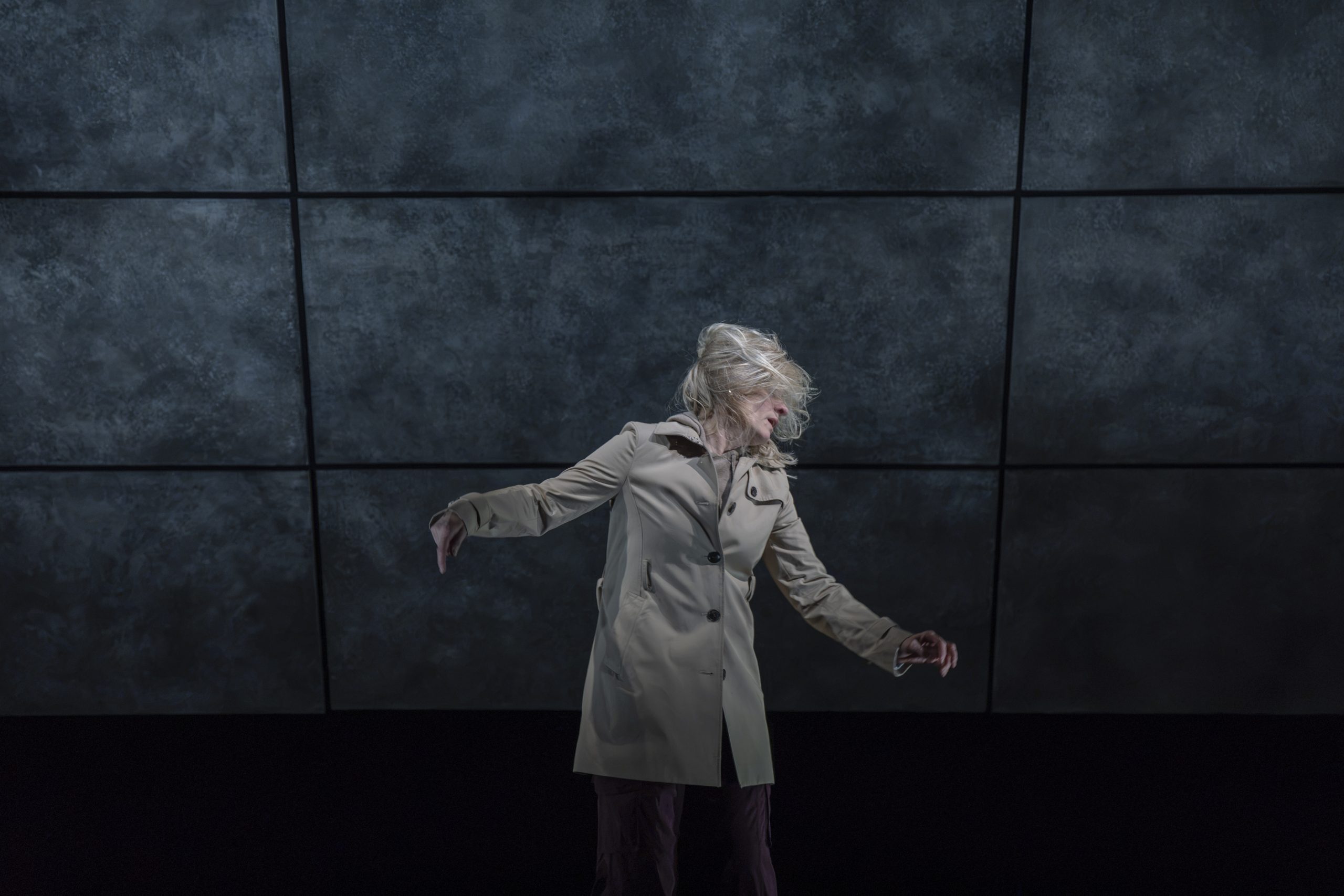
A vicar. A baker. A nosy neighbor with entirely too much free time.
None of them trained investigators, and yet somehow they’re the ones cracking the case before the actual police get anywhere near it.
TV’s never really let go of the amateur detective, and decades in, people still can’t get enough of watching some ordinary person quietly outsmart the professionals. From Agatha Christie adaptations to whatever’s trending on streaming this year, the formula keeps getting recycled because it just works.
Networks have tried plenty of other crime formats over the years, gritty procedurals, true crime reenactments, prestige thrillers with twisty conspiracies, but none of them have managed to push the amateur sleuth out of the picture entirely. There’s something about watching someone completely unqualified for the job do it better than the people who are actually paid for it that never seems to get old.
The Appeal of Someone Who Isn’t Supposed to Be There
Part of it’s the mismatch itself.
A professional solving a crime? Expected.
An amateur doing it? Feels almost illicit, like watching someone step way outside their lane and somehow pull it off because they just notice things other people miss.
That gap, qualification versus actual competence, is where most of the genre’s tension and humor comes from. It’s also just more relatable than watching a hardened homicide detective do their job. Most viewers will never carry a badge or run forensic tests, but plenty of them have been the person at a dinner party who noticed something didn’t quite add up.
That small, familiar instinct is exactly what these shows tap into, and it’s a big part of why the format keeps working no matter how many times it gets retold.
Father Brown and the Quiet, Moral Detective
Few amateur sleuths pull this off better than a small-town priest solving murders with nothing but patience, empathy, and an unsettling read on human nature.
The Father Brown detective series leans hard into a gentler style of detection, moral insight over forensic procedure, and that’s probably exactly why it’s stayed a comfort watch this long after it first aired.
Comfort Over Chaos
Honestly, a lot of the genre’s staying power comes down to tone, not plot. PBS Masterpiece broke this down pretty well, pointing out that these stories skip the graphic violence on purpose and lean into puzzle-solving and tight-knit communities instead.
It’s escapism without the weight grittier crime dramas usually carry. That reassurance isn’t a limitation, it’s the whole point.
The Everyday Hero Behind the Investigation
The amateur sleuth isn’t just some plot convenience either. CrimeReads made a good case for this, arguing these characters take on real risk without any institutional backing, no badge, no backup, just intelligence and nerve. That vulnerability is a big part of why people root for them so hard.
Where to Watch More of the Genre
Newly hooked on the format? There’s no shortage of shows worth digging into past the obvious classics. This roundup of binge-worthy crime and mystery shows is a decent place to start hunting for whatever you fall into next.
A Format That Refuses to Age Out
The amateur detective has survived every TV trend for one simple reason: it never needed high stakes or big production to work. Just a curious, sharp person and a mystery worth solving.
That combination’s held up across decades, networks, and more imitators than anyone could count, and it hasn’t needed a single reboot or gimmick to stay relevant. People still love watching an underdog outsmart the folks who are technically paid to know better, and that’s not changing anytime soon.
Did you enjoy learning about the enduring appeal of the amateur detective on television? If so, be sure to check out more content from our site.