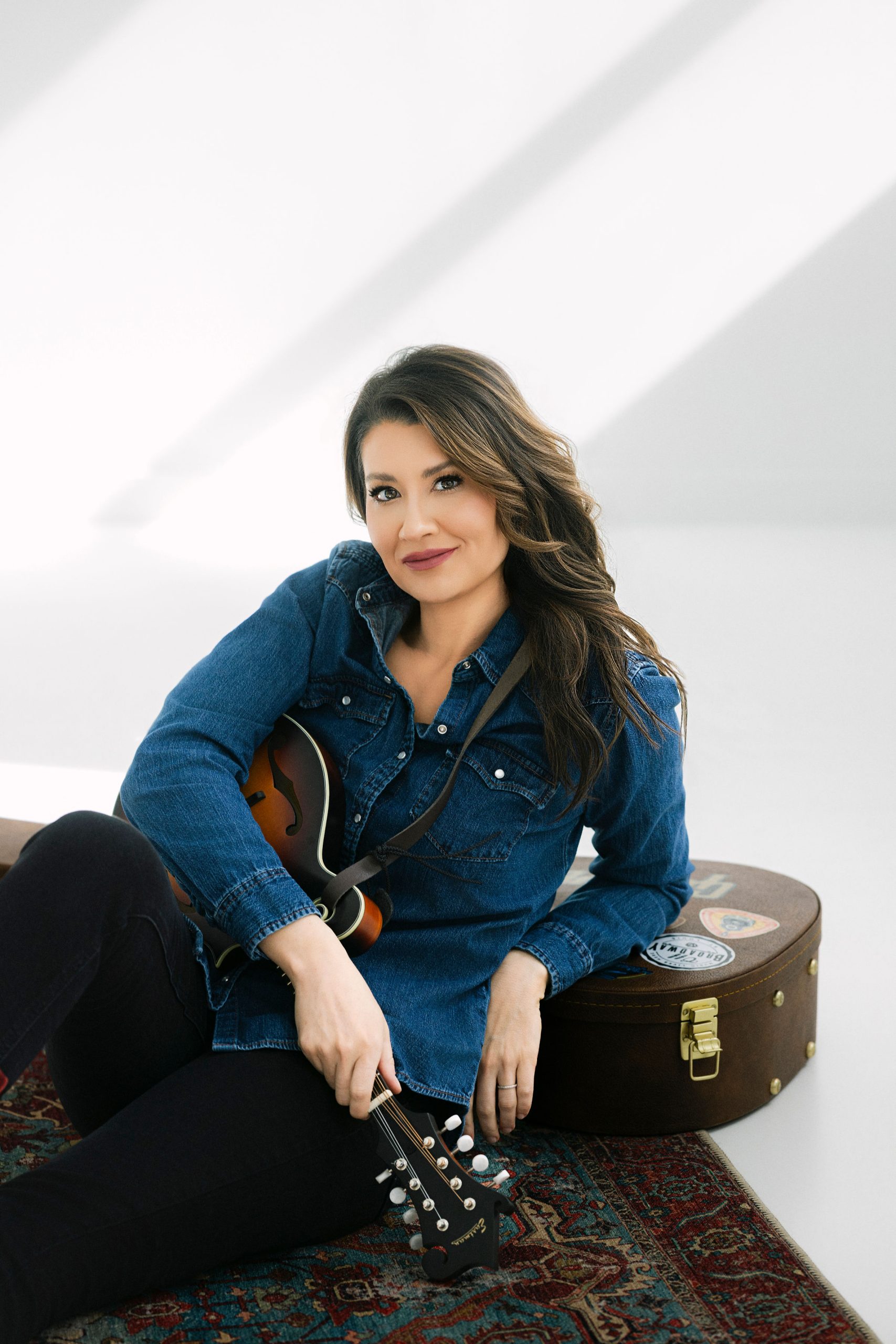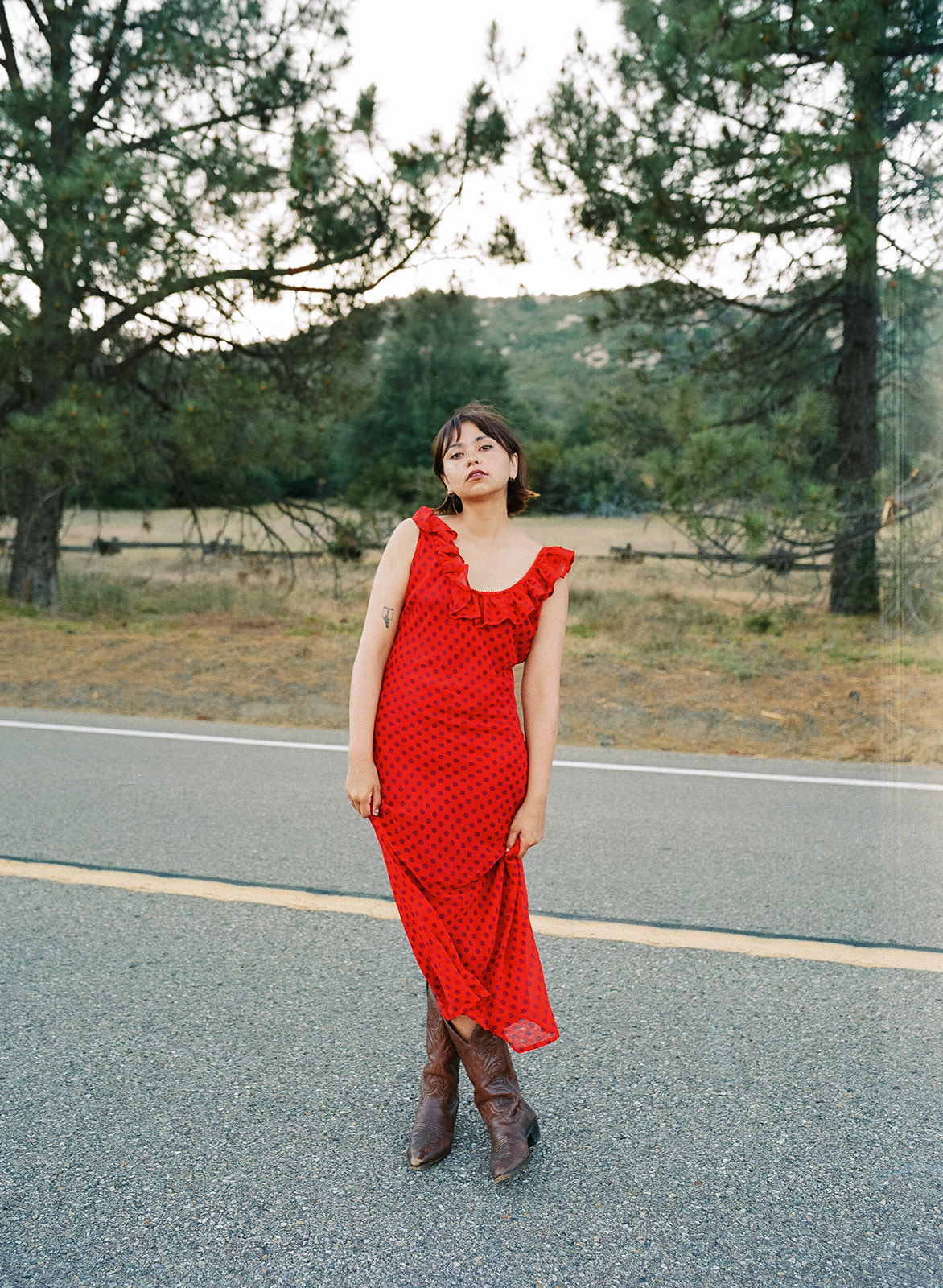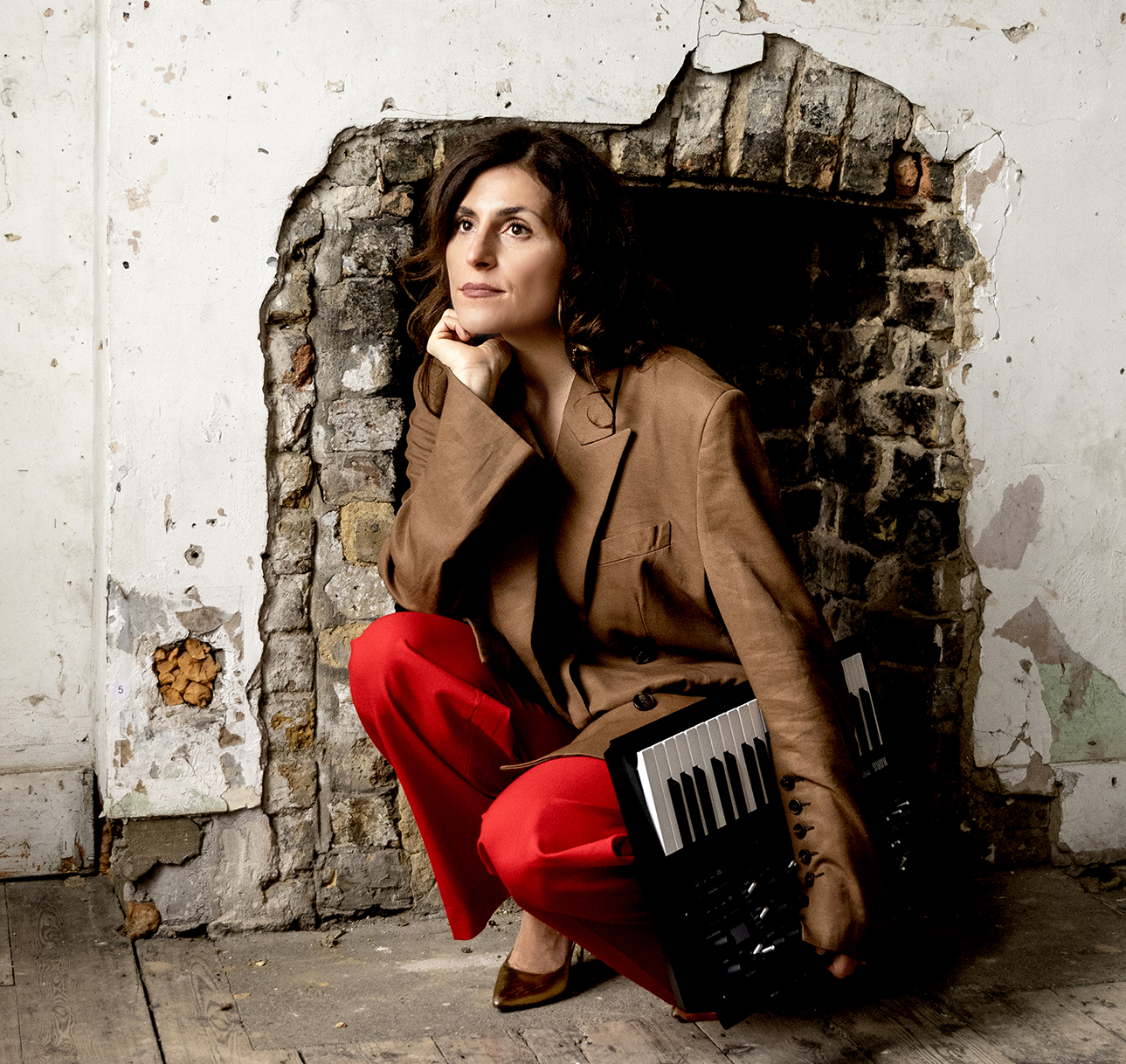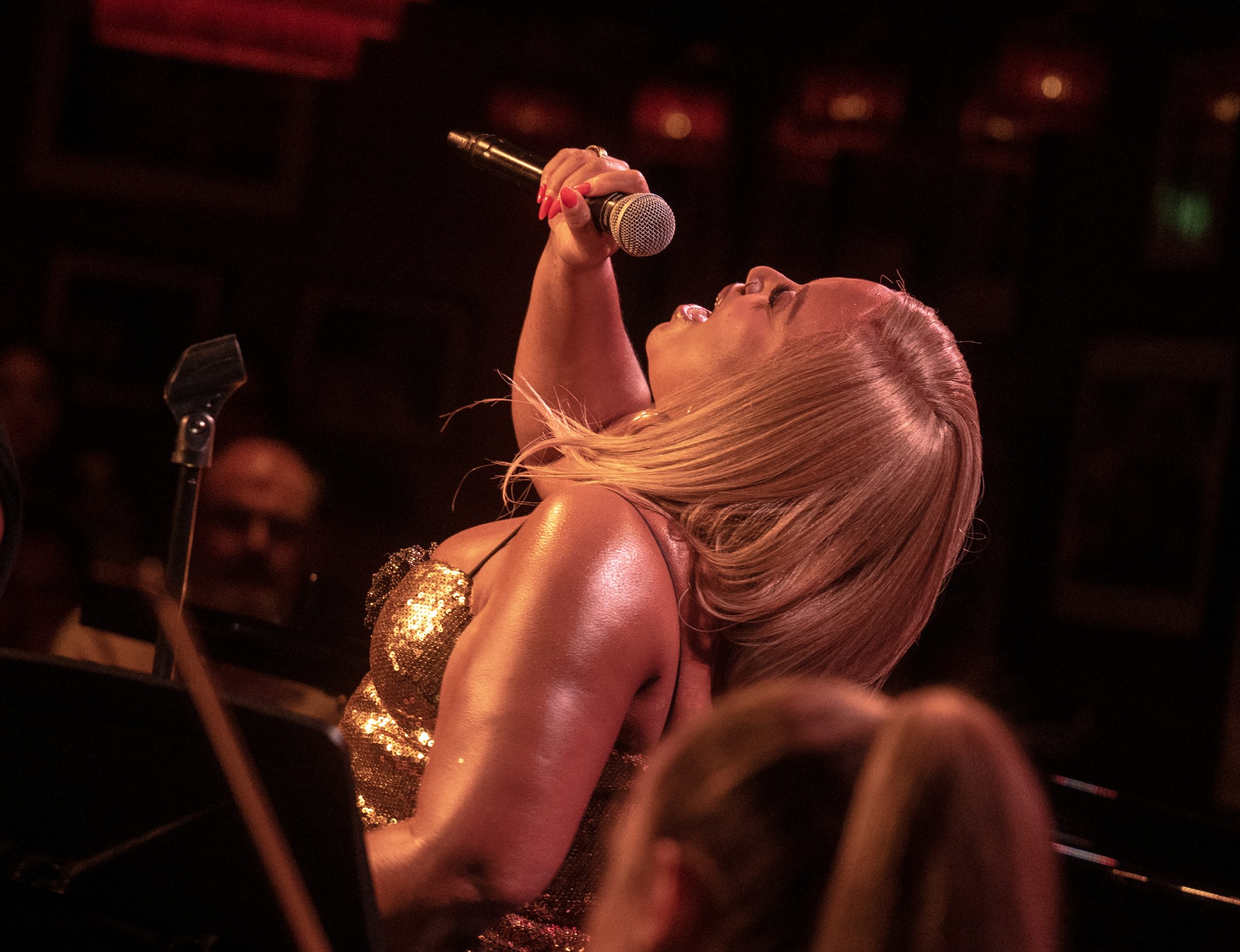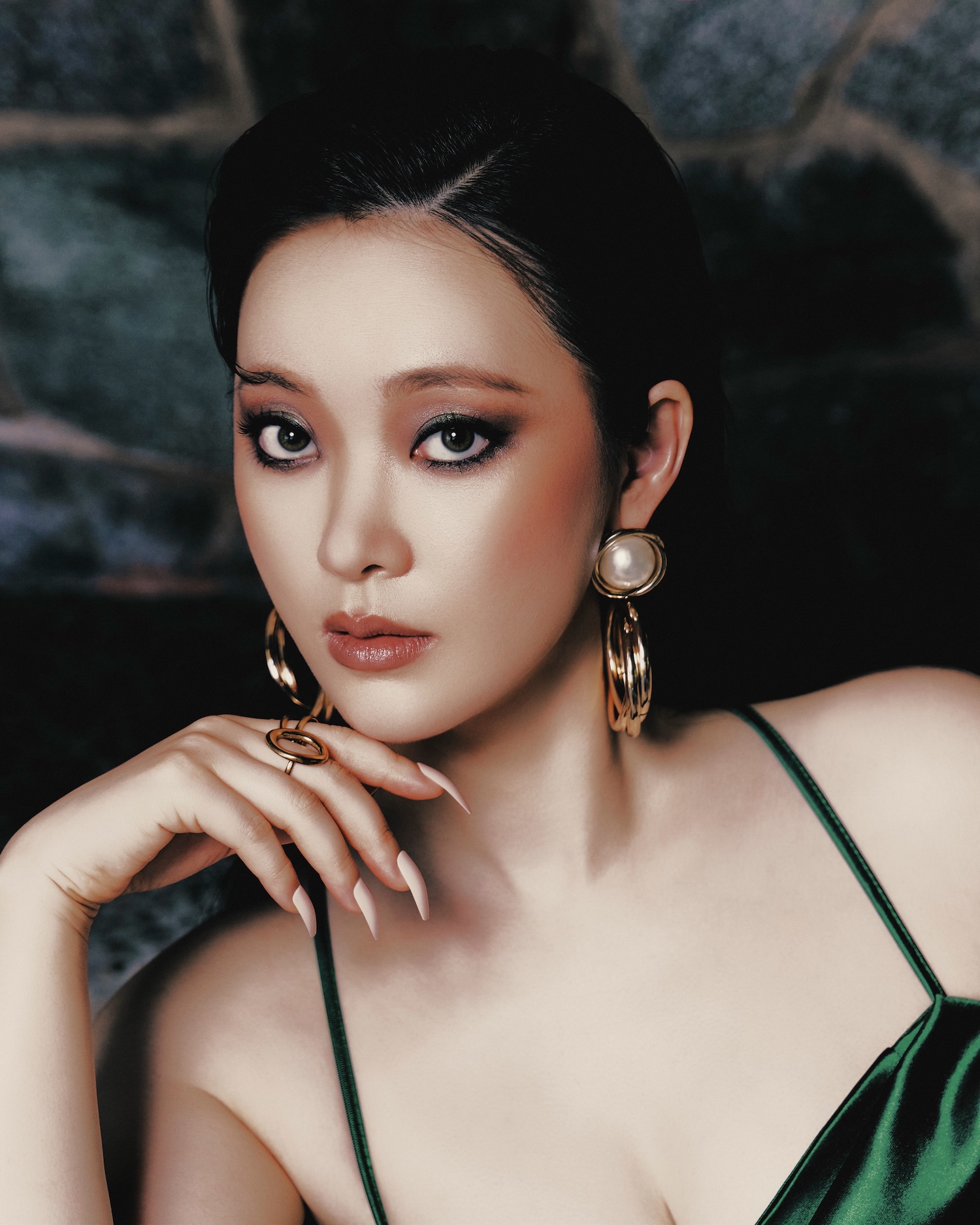
A Korean R&B and Soul singer-songwriter born in Busan, South Korea and grew up in Brooklyn, New York, later moving to Seoul where she has lived most of her life. Whether it is through K-pop, jazz or classical music, these genres and different backgrounds have helped to curate her own identity, one that embraces vulnerability as a strength, and finds art to be a place of honesty, not perfection. Proving to be the master of her own destiny, she’s moving on from Universal Music to run her own independent label TEAM SAAY.
In conversation with 1883 Magazine, SAAY shares all the details and inspiration behind making her latest track ‘Slow’ and how she manages to stay authentic in the pursuit of her emotional truth in this next chapter of her life.

1. If you can walk me through your own world. How does preparation feel like for concerts and the recording booth?
My preparation is so different for a live performance, and also, when I’m in the recording session. Because I do lots of things between, but both begin with understanding the emotional intention. Before a live performance, I prepare physically because my shows involve both singing and movement. So, I focus on warming up my body, stretching, controlling my breathing, and making sure my voice feels stable without pushing it too hard. But mental preparation is just as important at the same time, so before I go on stage, I try to stop thinking about technical details and reconnect with why I wrote the songs in the first place. If I’m only focused on singing every note perfectly, or remembering every movement, the performance can become mechanical. I just want to be prepared enough technically that I can forget about technique once I’m on stage, and become emotionally present.
2. What makes you feel authentic in how you express yourself as an artist?
Not to think about the superficial or artificial things. Just focus on your core messages., your identity and journey which brought you here, and that’s my main focus, as always.
3. You mentioned that you used to live in Brooklyn. How’s that experience like living in New York, that setting for tapping into your own music, and compared to where you live now in South Korea?
I’m from Busan, but I moved to Seoul when I was 18 years old, so half of my life I was in Busan, and half of my life I stayed in Seoul. But I lived in so many different cities within a short time, but Brooklyn especially, I lived there when I was like 4 or 5 so I don’t remember every detail about it, but I do remember one thing very clearly. The family I stayed with always had jazz and classical music playing throughout the house. So looking back, I think my very first musical influences were actually two completely different worlds because of my mother, who ran a Korean traditional music academy. I grew up surrounded by Korean traditional music for sure, but at the same time my earliest memories of music outside of home were jazz and classical records playing every day in Brooklyn. My very first experience performing on stage was actually through Korean traditional music with my mother, so those tours have always existed together in my life. A couple years ago, I performed my first solo show in the U.S, and the New York show happened to be in Brooklyn but it has changed a lot since I was a child. It was a small venue but it still felt incredibly meaningful to come back and perform there for the first time. Even today, jazz and classical music continue to inspire me in so many ways. Whenever I visit New York, I always try to see live jazz performances. That’s just my jam. Honestly, when I’m driving, I am probably listening to jazz more than anything else.
4. What is one of your dreams from Brooklyn?
One of my biggest dreams is to release a proper jazz album under my own name someday, and collaborate with incredible jazz musicians from around the world. I think Brooklyn reminded me that genre doesn’t have to be a boundary. It can simply be another language for expressing emotion and that’s a philosophy I’ve carried with me throughout my career.
5. What is your favorite movie?
Oh my God, there’s so many. Kill Bill for sure and all the films directed by Christopher Nolan, Tim Burton, and Sin City too. I’m a huge Angelina Jolie fan. All the achievements she’s been doing for the entire world is so inspiring all the time. But if I have to choose just one, I think I’m going to pick Interstellar by Christopher Nolan, because I watched the movie after my grandma passed away and she was one of the biggest role models in my life, who was giving me the greatest life advices in the past. That film’s core message is everything comes and goes, and we’re going to find the answer no matter what. So, after my grandma passed away, that was my first experience where I’ve watched a human’s death, and through that movie I started to understand the process of human life. I actually wrote a song called Interstellar and that was my first official track of my second studio album called S:INEMA 4 years ago. That movie really moved me and changed my own perspective about death.
6.You mentioned jazz being so formative to your artistry. It’s the 10 year anniversary of La La Land which is also a film about jazz. How do you feel about that movie?
I love Damien Chazelle’s work. All the words and all the details about the sound. I actually watched that movie 5 to 6 times in different theaters which had different sounds and speakers. Even with the film Whiplash. I think I saw those two films in different theaters because I wanted to experience the sound of it. You can feel right away after you watch it that this director really is crazy about making those amazing sounds through the movie. That’s why I think that film had become one of the masterpieces in film history.
7. How important is physical media to you?
Where should I start? I have my own list of it here. I probably don’t collect physical media in the same way that serious collectors do, but I still love owning music in a physical form. I have many vinyl records, CDs and a few cassettes that I’ve collected over the years. That is my obsession. Some of them are albums I grew up listening to while others are records I’ve picked up while traveling, and for me, they’re more than just music. They’re little time capsules. Every album reminds me of a certain period of my lifetime or a specific emotion. As streaming has become the standard these days, physical media has become even more meaningful to me. When you hold an album in your hands you’re experiencing that artist’s complete version. Not just the songs but the artwork, photography, design, lighter notes and sequencing. It feels much more intentional. As someone who oversees every part of my own project from the music to the visuals and creative direction, I really appreciate that kind of experience. An album isn’t just a collection of songs to me anymore. It’s a complete piece of art. That’s one of the reasons why I’d love to release more physical editions of my own work in the future at the same time.
8. From your own albums or songs, what would be your pick to be the time capsule to describe your life?
Maybe my second studio album called S:INEMA that I mentioned before when I was talking about my grandma’s death. I released that album when I was 29 and there’s a lot of rollercoaster experiences in my 20s, and that album reflects my whole 20s experiences. I had my own medium to say goodbye to my 20s properly, like a beautiful farewell to my younger self. That album really means a lot to me now. Of course my first studio album CLAASSIC is really important too because that was my official first step of becoming an artist with the album, but cinema really is something to me to allow because it has lots of different experiences that I wanted to let go in my 20s. After turning 30, I think I finally faced my new era because of that album. That’s why that album is one of the biggest turning points in my life as an artist.
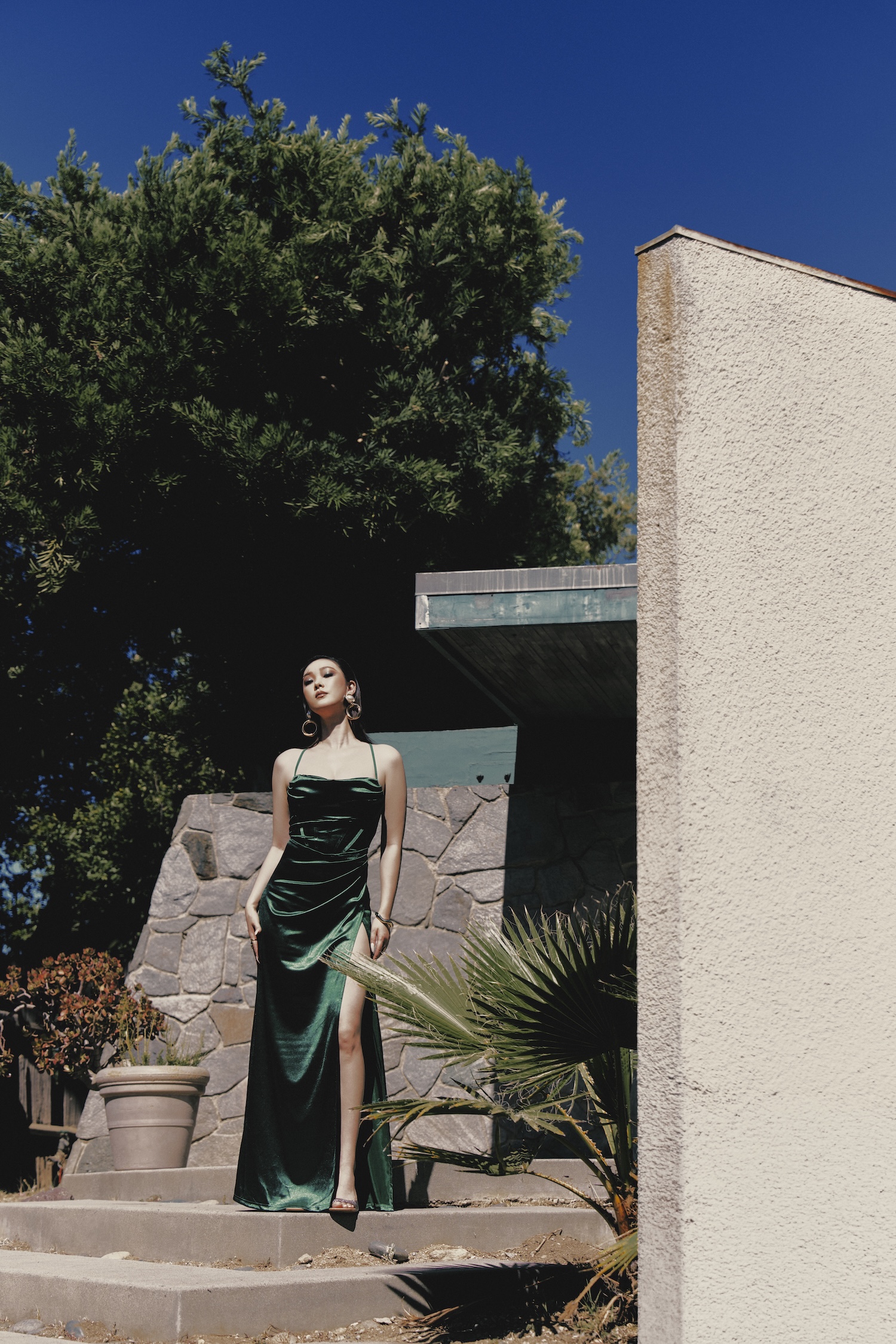
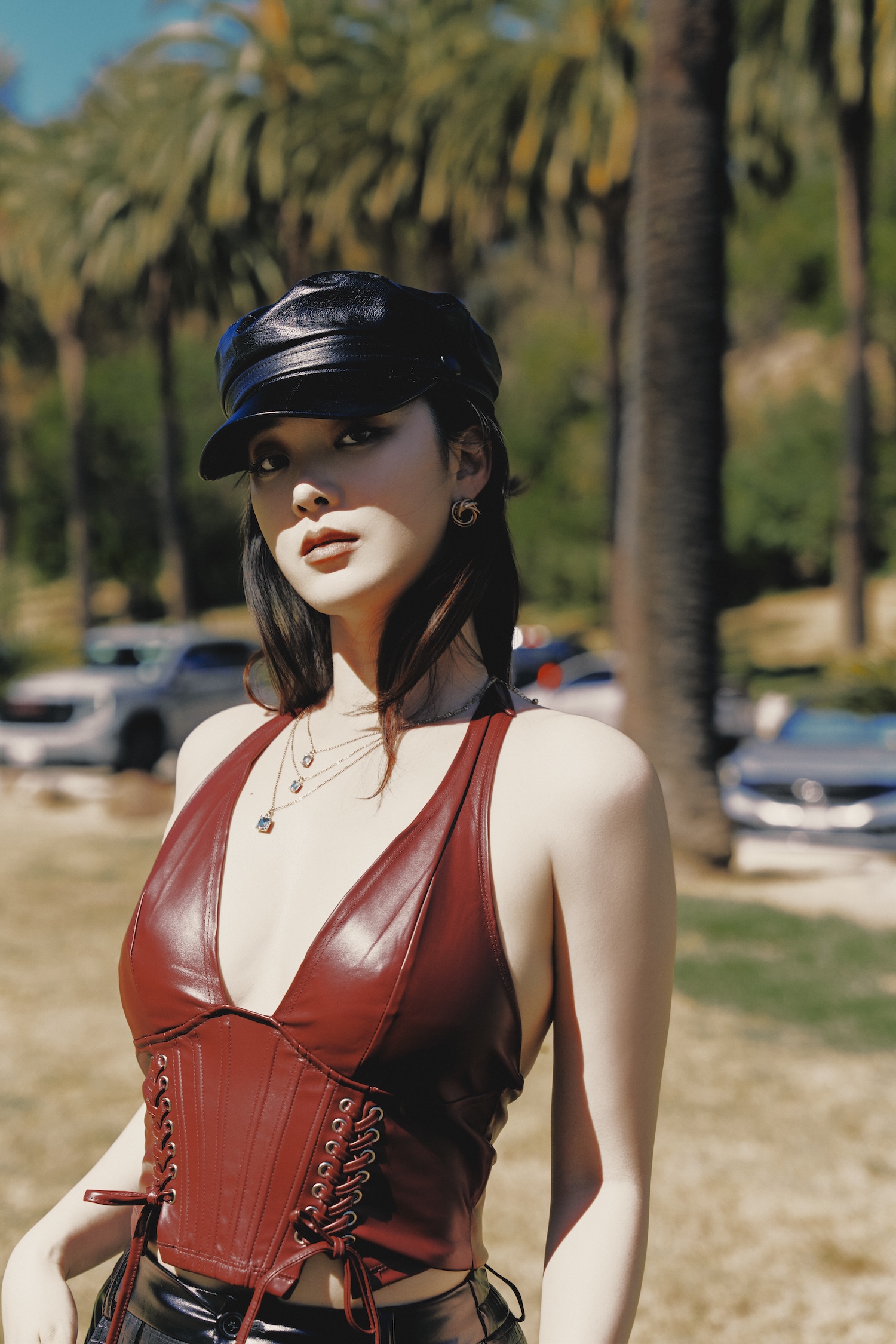
9. From your physical media collection, what is your favorite album or single that you currently hold?
I have a room where I collect every vinyl, so there are 3 of them. I actually bought Purple Rain by Prince from LA 4 months ago. This one is a limited edition. I’m obsessed with this. D’Angelo’s Brown Sugar is also a favourite of mine. And then HIStory by Michael Jackson is the one that I cherish the most in this room.
10. What does Michael Jackson mean to you?
He was my motivation to start music. Michael Jackson was the first artist who made me dream beyond music. I remember watching his performances through MTV when I was young, and I was completely fascinated. He wasn’t just singing or dancing, he was creating an entire world every time he stepped onto a stage. His performances taught me that music could become something cinematic, something visual, something much bigger than just sound. It’s Michael Jackson. We don’t need any explanation.
11. What female singers are you inspired by?
There’s so many, Lauryn Hill, Aaliyah, Brandy. Chaka Khan, Diana Ross, Whitney Houston and Amy Winehouse. Musically, I was inspired by Amy in so many ways because she showed me that vulnerability could be a strength rather than just a weakness. There was something incredibly fearless about the way she wrote and the way she performed. She didn’t seem interested in hiding behind beautiful words or pretending to be someone she wasn’t. She simply told the truth and stayed authentic even when it was messy or uncomfortable. That’s why I admire her work and everything about her.
12. After reflecting on the past, to bring us back to the present day, how do you see the future of music?
I think the future of music will be shaped by two things that may seem opposite, technology and humanity. Technology is developing incredibly quickly these days. There’s AI, immersive media, virtual performances and new creative tools will continue to change how music is written, produced, distributed and experienced at the same time. I don’t think artists should automatically be afraid of those changes, because technology has always been a part of music evolution for a long time. Every new tool creates new possibilities, but I think genuine human emotion will become even more valuable from now on. As technology makes it easier to create perfect sounds and endless content. People may become more sensitive to what feels real and what doesn’t. Technical perfection alone won’t be enough. Listeners will still look for personality, imperfection, vulnerability and a real point of view in life. I think the artists who understand both sides will be the most interesting. They won’t reject technology but they also will not allow technology to replace their identity. For me, the future isn’t about humans competing with machines, it’s about using new tools while protecting the emotional truth that makes music meaningful in the first place.
13. Where does your love for heavy metal come from?
Everyone is so shocked every time they find out I’m a huge heavy metal person. They are usually surprised when I say I love heavy metal in general because all my music is rooted in R&B and soul. But what attracts me isn’t necessarily the genre itself, it’s the honesty and intensity. When I listen to great metal bands, I hear musicians who are completely committed to expressing an emotion without holding anything back. There’s something so fearless about that dedication and I really admire it. As an artist, I don’t think emotions should be categorised to anger, sadness, love, frustration, and hope. They all deserve to be expressed honestly, whether that’s through a quiet ballad or a loud guitar riff. I probably wouldn’t make a heavy metal record myself, but I definitely borrow that fearless attitude in my music because it reminds me not to censor my emotions when I’m creating.
14. What would you recommend for anyone who visits Korea for the first time?
Whenever my friends from abroad visit Korea, they always go to Gangnam and love staying there because of the style that everyone knows. There’s lots of amazing spots like Seongsu or Hongdae. You can feel the youngest and powerful when you visit there. I’ll say to look beyond tourist attractions. Of course places like that are beautiful but I think the real charm of Korea is in everyday life. You can visit all the small and local and, cafes or restaurants, you’re going to love everything about Seoul. You’re going to love Korea.
15. What do you like to do in your downtime when you’re not thinking about music?
I’ve become much better at slowing down over the past few years. For a long time, I felt guilty whenever I wasn’t working, but these days my downtime is very simple. I spend time with my dogs, clean my house or take a walk. I think people often imagine artists are constantly chasing inspiration, but I believe inspiration usually comes when you’re living your life instead of trying to force it, especially now that I run my own label. I have to remind myself that resting isn’t wasting time, it’s a part of the creative process. If I don’t take care of myself as a person, I cannot create honest music as an artist.
16. What was your favourite collaboration?
That’s a difficult question because I’ve been fortunate enough to work with so many incredible artists throughout my career. If I had to choose one songwriting project that means the most to me, it would probably be Bambi for Baekhyun. The reason goes far beyond the song itself. Bambi has actually been my favorite Disney character since I was a kid. I was deeply moved by the movie. The idea of growing through loss and becoming stronger through life’s challenges. That message has stayed with me for most of my life, and I actually wrote this title when I was a middle school student. When the production for Bambi was finally finished, I had a very clear feeling. I remember thinking Baekhyun can express this story even better than I ever could. His voice, his sensitivity and the way he interpreted the song gave it a completely new life for Bambi. I really loved and enjoyed the process of making that song. Another collaboration that means a lot to me is working with Karina from Aespa on her solo record called Up as the main vocal director. I’ve worked with many artists in many different roles, but I think Karina has a very unique vocal colour and tremendous potential. After working together over multiple projects, I felt the chemistry and trust we had built finally came together during that session. Both collaborations remind me that great music is built on trust. When people believe in each other and share the same vision, that’s when something truly special can happen.
17. What is SAAY’s truth?
I think my truth is authenticity. As I’ve gotten older I’ve realised that people don’t connect with perfection. They connect with sincerity. There was a time when I thought I needed to appear strong all the time, especially as an artist. But now I think vulnerability takes much more courage than pretending everything is okay. So, that’s something I try to carry into my music these days. I don’t want to write some songs just because they’re commercially successful, or because that is what’s trending. I want to write songs that genuinely reflect where I am emotionally even If they’re uncomfortable. Another truth I’ve learned is that growth isn’t always loud. Sometimes the biggest changes happen very quietly. You don’t suddenly become a different person overnight. You simply continue showing up every day and make better choices little by little. I think that’s the truth I’m trying to live by, both as an artist and as a person.
18. What do you hope for audiences to take away from your new single Slow?
If people can listen to my song and resonate with it, if they can feel understood then that is everything. That’s the biggest achievement that I could ever ask for.
“Slow” is out now. Follow via @saayworld
Interview Zakariya Ahmed
Photography Yeyoung