Meta Description: Create calming night routines with home fragrances, soft lighting, and mindful habits that help you relax, unwind, and improve sleep quality.
Source: Unsplash
There’s something deeply comforting about evenings that feel intentional. After a long day filled with constant movement and digital noise, the transition into a slower pace can feel like a reset button. Over time, you will realize that building an evening ritual isn’t about adding more tasks it’s about creating a rhythm that helps you gently shift from doing to simply being. When done right, it becomes something you look forward to, not something you have to force.
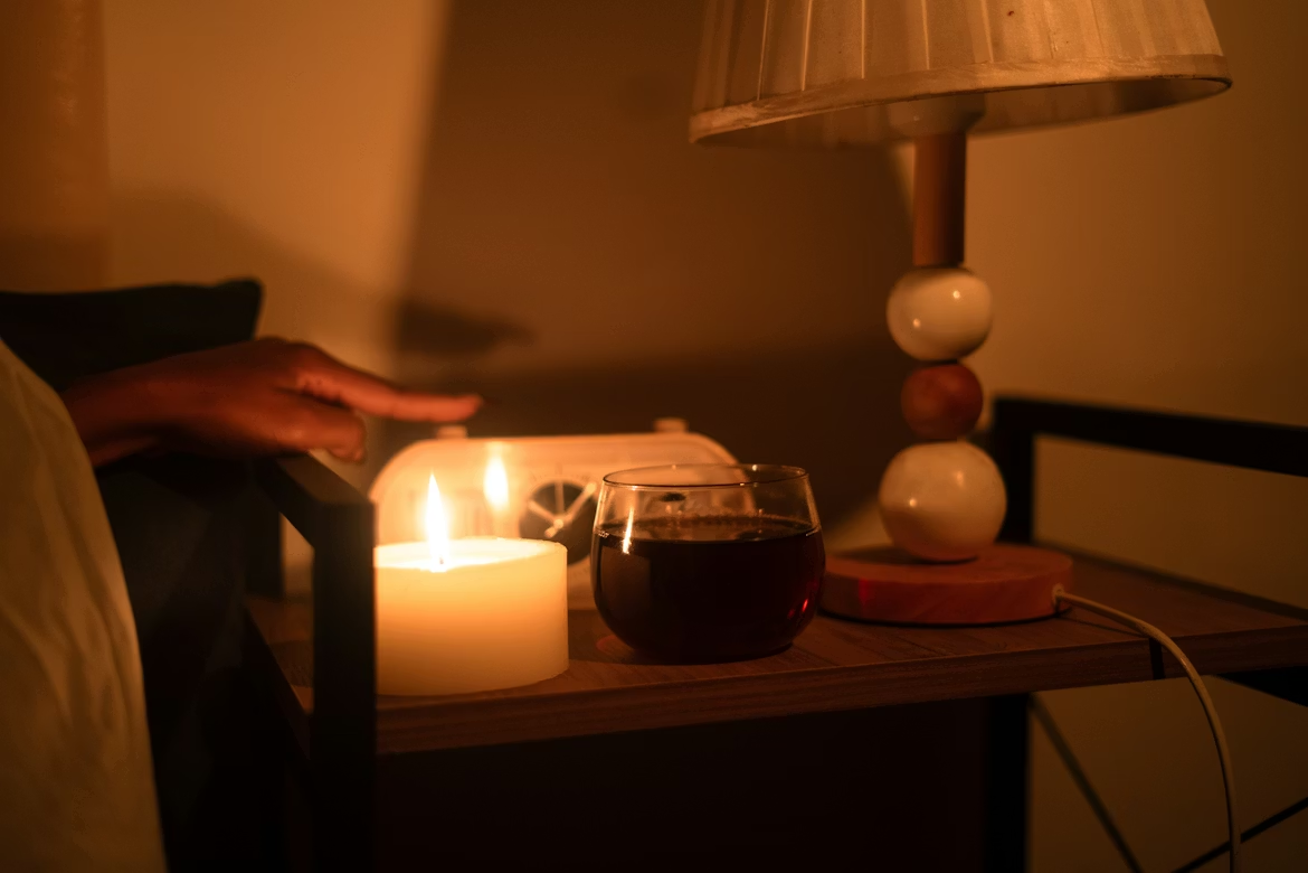
One of the easiest ways to begin is by shaping your environment. Incorporating home fragrances into your nightly routine introduces a sensory signal that tells your mind it’s time to unwind. When paired with soft lighting, these subtle elements can transform even the most ordinary space into something that feels calm, warm, and inviting.
Step 1: Understand Why Evening Rituals Matter
It is important to first understand the significance of having an evening ritual before embarking on the process of creating one. Evening rituals serve more than just a purpose for aesthetics; they help the body and mind relax. As humans, we tend to do better when routines are established. Once certain activities become consistent, our bodies and minds get used to them and will trigger restful states.
In addition to facilitating sleep, rituals also provide a form of closure. Instead of letting the day’s stress carry over into the evening, an evening ritual establishes a clear separation, allowing the person to transition to a different mindset.
Step 2: Set the Mood with Scent
Another method to set a relaxed mood for sleep is by utilizing the sense of smell. The smell has an immediate effect because you will notice it without consciously noticing it. Incorporating smell into your bedtime activities will allow your brain to recognize and respond to it as a signal to start relaxing.
When choosing a scent, remember that what works best for you does not have to be overpowering; it just needs to be familiar enough to fit your bedtime routine. This involves finding a scent that gives you comfort, such as floral or woody scents.
To incorporate smell into your bedtime routine, there is no need to use complex methods; all that you need is a simple candle, some incense or a few drops of perfume on your pillowcase.
Step 3: Transition Your Lighting
Lighting has a significant influence on your nighttime routine, which many often overlook. Strong, bright lights can help your brain stay alert and active, making it difficult to relax. Conversely, soft, warm lighting will help your body slow its functions.
As you establish your nighttime routine, start reducing the lighting in your room as the night progresses. Turning off overhead lights and using lamps or ambient lighting will create a much more relaxing environment. This subtle change will signal to your body that it’s nearing the end of the day and it’s time to relax and prepare for sleep.
Over time, you may notice a significant change in how quickly you can wind down at the end of the day.
Step 4: Create a Simple Wind-Down Activity

Source: Unsplash
No routine can be truly complete without a small ritual of conscious stillness. In other words, there should be an activity that allows you to unwind after all those hectic days.
Do not rush to sleep immediately after looking at the computer screen. Spend some time in silence, meditating, light stretching, writing in your journal, or even reading a chapter of your book. The choice of activity does not matter; what matters is its regularity.
In fact, with this exercise, you create a mental shift and tell your brain it is fine to relax and rest now.
Step 5: Minimize Stimulation Before Bed
One of the biggest obstacles to an effective night routine is mental overstimulation. It can take the form of browsing social media on our phones or working late into the night; both prevent our brains from relaxing.
As part of our routine, we need to gradually start limiting stimulation. It can involve putting away our smartphones, minimizing noise around us, or simply avoiding things that overstimulate us mentally. Our aim is to allow our minds to become calm by themselves.
It may prove to be the hardest step for us to take, but it will also produce the most visible effects.
Step 6: Make Your Space Feel Restful

Source: Unsplash
A good environment complements your routine rather than hinders it. Building a space that exudes a relaxed vibe can enhance the effectiveness and enjoyment of your nighttime ritual.
This does not need an overhaul. Little modifications, such as ensuring your bedroom is organized, incorporating soothing elements, and establishing a particular odor and lighting scheme, can be quite impactful. The moment you feel your space has been created with purpose, you’ll find it easier to stick to your routine.
Consider it your own oasis, a place where you can completely relax without any disturbances.
Step 7: Stay Consistent but Flexible
Consistency is key for creating a successful bedtime routine, but consistency does not mean inflexibility. Some things might change every now and then, but as long as you retain the fundamental aspects of relaxation, it’s all good.
Despite how busy you can get, coming back to simple practices like dimming the lights or utilizing a distinct aroma helps remind yourself of your routine. Eventually, these actions will become automatic to you, allowing you to continue your routine with ease.
It’s all about finding a rhythm.
Developing your evening ritual is about creating a seamless process that helps you ease into the night after a hectic day. This can be done easily through the use of smell, light, and other aspects, such as taking a pause at different times during the evening.
In no way does it require extensive effort or time commitment; rather, the best rituals are often the most effortless ones, which one can perform on any day without second thought.
By doing this routinely, you will not only develop a habit but will train your mind and body to relax and prepare for another day ahead.