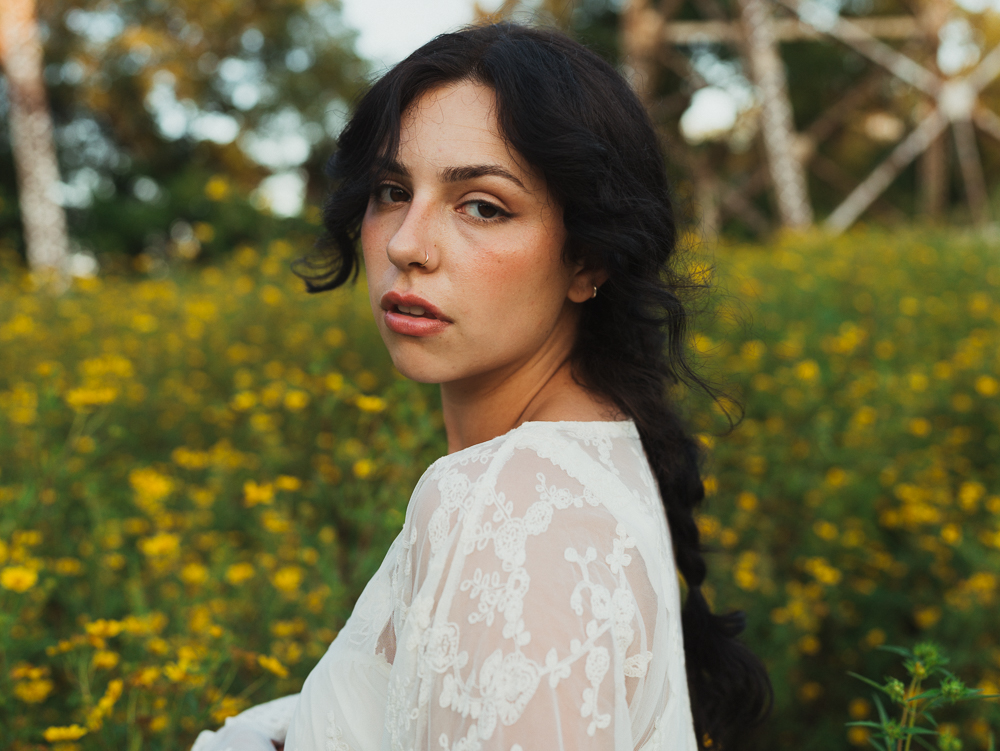
Seanna Pereira is still early in her career, but there’s already a clear sense of direction to what she’s building. Each release feels connected, with the music and visuals working together rather than as separate pieces.
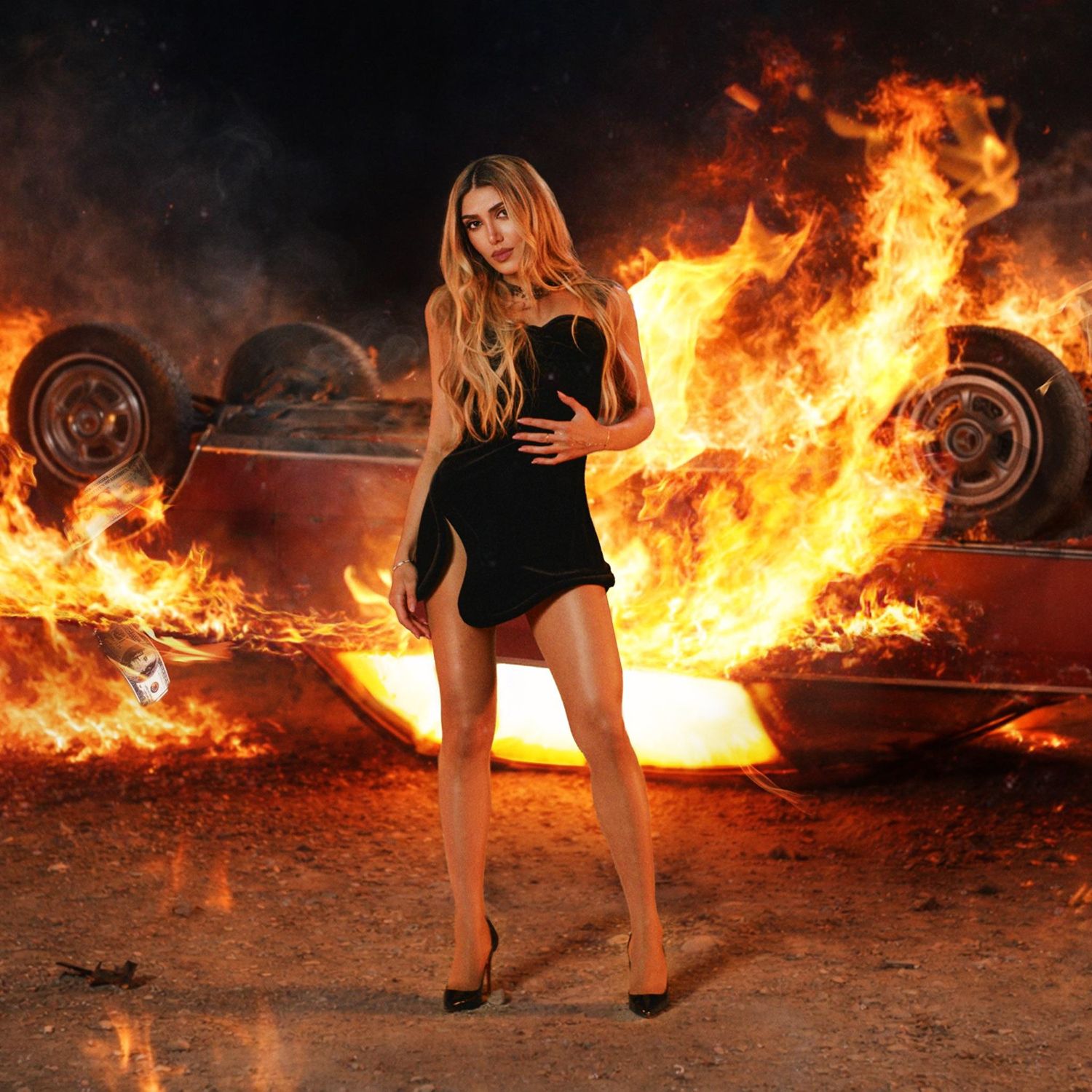
Her latest single, “Arsonist,” sits in the grey area of wanting something you know isn’t right and going after it anyway. The video leans into that tension, playing out more like a short film, with a stronger focus on narrative and character.
Raised between Florida and Los Angeles, Pereira’s songwriting comes from a habit of documenting things as they happen, shaped by years of journaling and working through emotions in real time. That instinct carries through everything she’s putting out now, especially as she moves toward her debut EP, where the visual and sonic identity is starting to feel more defined.
For this 18 Questions, Seanna Pereira talks about the push and pull behind “Arsonist,” stepping back into acting for the video, and why some emotions are easier to write about than they are to leave behind.
1. What’s the first thing you usually do when you wake up in the morning?
Before I even get out of bed, I usually fill out my five-minute journal. I feel like it really helps me set my intention for the day and just puts me in a better mood.
2. At what point did you realise “Arsonist” needed a visual world to match the song?
I’m a big fan of storytelling, and when I was writing this song, I immediately felt like there needed to be a visual to represent how I was feeling in that moment.
3. The video feels almost like a short film, what was the starting point for building that narrative?
The song is called “Arsonist,” but I wanted to use it more as a metaphor about wanting someone so badly that you can’t resist running toward that fire and not caring about the pain it could cause. Coming from an acting background, I really wanted to lean into that for the video and tell a full story.
4. You’ve said the video captures that push and pull of knowing something isn’t good for you but going toward it anyway, why was it important to show that tension visually?
I wanted people to watch the video and really feel that tension that comes with the song, that sense of not fully knowing what’s going to happen next. There are a lot of moments where you’re just on edge, and I think that uncertainty really reflects the emotion behind the track.
5. There’s a sense of chaos and beauty happening at the same time in the video, how did you strike that balance without losing control of the story?
I wanted to keep it as narrative-based as possible, but still make it feel high-fashion, cool, and glamorous. So it was really about finding a way to mesh those elements together and create a cohesive story that balances this intense, chaotic narrative with the beautiful, raw, realness that’s in the song.
6. Your background as an actress really comes through here, did you approach filming this more like acting or performing as an artist?
I definitely approached the narrative-based portions as an actress. It was so exciting for me to step back into that part of myself, and it’s something I want to do more of in the future. Since it is a music video, though, the performance shots were very much approached as an artist, so it still felt like a music video, just with a story attached.
7. “Arsonist” leans into the messier side of love, do you find those stories easier or harder to write about honestly?
I think there are so many ups and downs in every relationship, and we tend to focus on the downs sometimes more than the ups. So it’s definitely easier for me to write about, because those are usually the moments that stick with me the most.
8. The idea of choosing your heart over your head runs through the track, is that something you’re still figuring out in real time?
Yes, absolutely. Even though I’m not in the exact same place mentally as I was when I wrote the song, I still think it’s something everyone can relate to and something I definitely struggle with. I tend to jump into things based on what my heart is telling me, and the song really leans into that.
9. Your music often feels like a late-night confession, where does that instinct to be that open come from?
My songwriting is definitely a step inside my brain, and it’s been an outlet I’ve used since I was very little. I’ve always loved writing and journaling, so that part came naturally. Sharing it with the world was definitely a scary jump, though and not something I felt comfortable doing until the past couple of years, when I became more confident in myself and in what I want to share.
10. You mentioned songwriting helps you figure out what you’re actually feeling, has that process ever surprised you with what comes out?
Yes, definitely. I’ve had moments, especially when writing about romance where I realize things in real time, like, “Oh wow, maybe I am in love with this person,” or, “Wow, that was actually a really manipulative or toxic situation.” Being able to look back on those experiences from a different perspective has helped me understand my own emotions so much more.
11. You grew up between Florida and LA, how did those two very different environments shape your sound and perspective?
I think growing up between the two places really helped keep me grounded, especially being in such a competitive environment like the industry in LA. It gave me an escape and a sense of balance. I love LA, and honestly it feels more like home to me than Florida does, but I’m still really grateful I got to grow up between both places.
12. Before music, you were acting, what did that experience teach you about storytelling that you now bring into your songs?
Growing up on sets, where I was mostly working with adults, definitely helped me mature quickly. Being around so many talented people allowed my creativity to flourish and made me fall in love with storytelling whether it was a sad movie or a comedy. Bringing that into my music was really important to me, because hearing a story is one thing, but seeing it can bring a whole different perspective.
13. Artists like Taylor Swift, Amy Winehouse and Adele are referenced in your influences, what do you think you’ve taken most from each of them?
Taylor Swift is what made me fall in love with music, especially songwriting and storytelling, which she does so well and is something I try to bring into all of my music. Amy Winehouse has this soul and texture in her sound that I absolutely love, and at my core I’ll always love a good ballad or sad song. I definitely want to keep making songs like that to balance out the fun pop records, because I think there’s a time and place for everything. And Adele is someone who knows how to deliver a truly raw and vulnerable ballad, which is such a huge inspiration to me.
14. Your debut single “Options” had a huge early response, did that momentum change how you approached “Arsonist” at all?
Honestly, “Arsonist” was written before “Options,” and I loved it from the beginning, so I always knew those two singles would come out back to back. I wasn’t really expecting anything when I released “Options,” it was just a song that I loved and that made me feel good. But seeing how strongly people connected to the visuals made me realize how important that visual element is for my music, which is something I leaned into even more with “Arsonist” and plan to keep doing moving forward.
15. There’s a strong visual identity building around your releases, how intentional are you about creating a full world rather than just standalone songs?
I think every single has its own moment, but I do want to keep a cohesive thread through everything that stays aligned with my brand and what I love. Even if each song lives in a slightly different world, keeping that chic, high-fashion element and strong storytelling is something I definitely want to stick with.
16. With your debut EP on the way, how does “Arsonist” set the tone for what’s coming next?
I think “Arsonist” starts to pull people into a more vulnerable world that I want to keep building as my audience grows, and it really sets the tone for some of the more raw, personal songs that will be on the EP.
17. A lot of your music sits in that space between confidence and emotional chaos, do you see that as the core of who you are as an artist?
As of right now, yes. I’m really big on confidence, and I think it’s so important to show that you can be emotional and vulnerable while still being confident and brave.
18. When people watch the “Arsonist” video, what’s the one feeling or moment you hope stays with them after it ends?
I really hope they feel like they were taken on the same emotional journey that I was on while writing the song. Wanting something that might not be the best for you — or that people advise you against — is such a relatable feeling, especially in relationships. I hope people connect to that and understand that it’s okay not to have everything figured out. Even when things feel tense in the moment, everything eventually passes.
“Arsonist” is out now