Guided travel has shifted quietly over the past decade. It’s no longer about being shepherded from one attraction to the next, but about access to local knowledge when it’s actually useful. Modern journeys are set up this way, shaped by insight rather than pure orchestration. They’re shaped by landscape, food systems, belief structures, and how people move through daily life. This approach suits places where travelling independently risks missing the point or overlooking details that don’t announce themselves.
From wildlife corridors in East Africa to geothermal roads in Iceland, guided journeys now feel less scripted and more observational, grounded in expertise rather than spectacle.
Into the Wild: Masterful Safaris and Conservation in Kenya
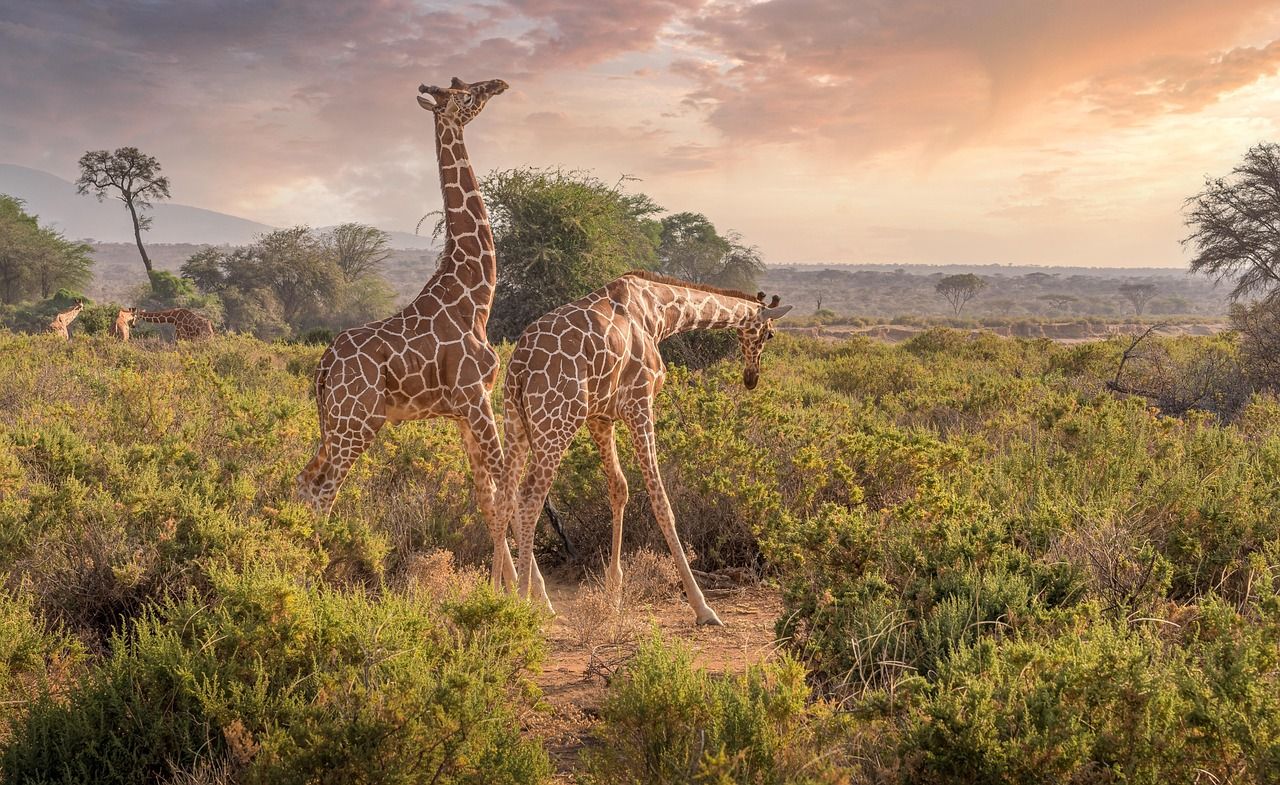
A safari in Kenya is rarely just about seeing animals. The real value comes from understanding where wildlife still moves freely and why certain areas remain intact. In the Masai Mara, guides track seasonal migration routes that aren’t fixed to park boundaries, explaining how rainfall patterns influence grazing long before herds appear. Drives often start near riverbanks where hippos settle at dusk and end in open grassland, where lion prides favour slightly raised ground. Knowledge of behaviour matters more than timing. A good guide knows when to wait and when to move on.
Outside the Mara, areas like Laikipia reveal a different side of conservation. Private conservancies work alongside pastoral communities, balancing cattle grazing with wildlife corridors. Visitors see rhino protection units and community-run lodges that fund local education and healthcare facilities. This isn’t incidental information; it’s central to the experience. Travellers who plan a Kenya safari experience often find that these conversations stay with them longer than the sightings themselves, especially when they’re led by people who live and work there year-round.
High-Altitude Heritage: Trekking the Sacred Valleys of Bhutan
Bhutan’s trekking routes double as living heritage trails. Paths that visitors walk today are the same ones villagers use to move between valleys, monasteries, and grazing land. In regions like the Phobjikha Valley, treks pass through wetlands protected for black-necked cranes, with guides explaining how seasonal migration shapes farming schedules. There’s little separation between cultural and natural landmarks: a chorten marks a ridge, and prayer flags line a mountain pass where the air begins to thin.
Monastery visits aren’t treated as scheduled stops, but as part of the route itself. Dzongs such as Punakha still house administrative offices alongside religious quarters. Timing matters. Arriving during morning prayers provides context that can’t be recreated later. Treks move slowly by necessity rather than design, with altitude, weather, and terrain setting the pace. The result is a journey shaped by how Bhutan functions, rather than how it’s presented to outsiders.
The Art of the Harvest: Gastronomic Pilgrimages Through France
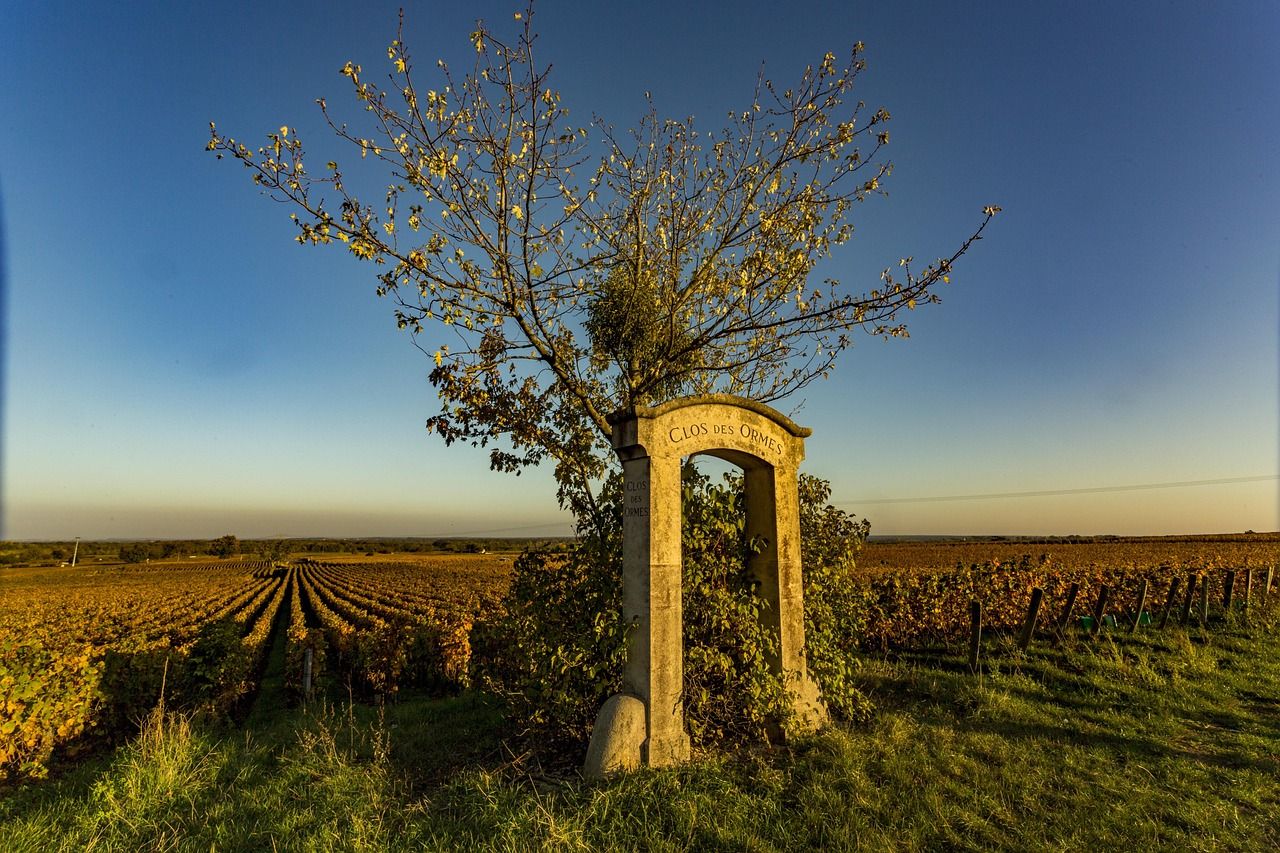
Food-led journeys in France make more sense when they’re organised around where food comes from, not just what appears on a restaurant menu. In Burgundy, guides explain how neighbouring vineyards can look identical until subtle differences in soil are pointed out. Tastings are often done standing in cellars, where humidity and barrel age are discussed plainly. In regions like the Rhône Valley, visits include cooperages and olive mills, not just tasting rooms. These details explain why flavours differ more than any tasting note ever could.
Markets anchor the experience. In towns like Beaune or Arles, early mornings are spent watching local chefs buy produce, with guides explaining regional labels and pricing systems that rarely make it into guidebooks. Visitors can enjoy a France wine tour that includes simple meals in places known mainly to surrounding villages, where lunch is fixed, and conversation runs long. The experience is grounded and informative, focused on how food systems actually operate rather than romanticised ideas of French cuisine.
Arctic Solitude: Chasing the Celestial Lights of Northern Norway
Northern Norway doesn’t require much effort or performance from visitors to be appreciated. Towns like Tromsø act as functional bases, with reliable infrastructure and quick access to open landscapes. Guided excursions move inland or along fjords, where light pollution drops away quickly. Guides pay attention to cloud cover and solar forecasts, but they also explain local geography, why certain valleys trap clear skies while others don’t.
During daylight hours, the focus shifts to understanding the setting. Visits to Sámi cultural centres explain reindeer herding cycles and how modern borders disrupted traditional migration routes. Coastal drives pass drying racks stacked with cod, part of an export industry that still shapes the region’s economy. Northern lights sightings may or may not happen, but the time spent waiting is rarely empty. There’s usually something to learn while standing out in the cold.
Volcanic Vistas: Navigating the Geothermal Wonders of Iceland
Iceland’s landscape is best understood with explanation. Without it, geothermal areas can begin to blur together. Guided routes through places like Reykjanes Peninsula help visitors understand why steam vents appear suddenly beside roads, or why entire towns rely on underground heat. Stops at sites such as Þingvellir show tectonic plates visibly pulling apart, with guides explaining how this movement affects everything from road maintenance to national energy policy.
Further east, drives past Vatnajökull reveal how glacial melt reshapes coastlines year by year. Guides often point out bridges built with expansion joints designed to withstand flood surges caused by volcanic activity beneath the ice. These details make the landscape easier to read. Travel here isn’t about slowing down for its own sake, but about recognising how closely daily life is shaped by geological risk.
Will your next escape be defined by the path or the story?
The most effective guided journeys don’t feel curated. They feel informed. What links these destinations isn’t luxury or exclusivity, but the presence of people who know how their environment works. Wildlife corridors, mountain passes, vineyards, Arctic roads, and geothermal fields all come with systems and constraints that aren’t obvious at first glance. A good guide helps travellers see those layers without forcing a narrative. The result is travel that’s useful, grounded, and memorable for reasons that aren’t scripted. That’s where modern guided journeys are heading, whether travellers recognise it or not.