Travel feels most rewarding when a place shows how people actually live, not just what’s been preserved for visitors. Cultural trips work best when they balance sightseeing and participation, with museums, streets, landscapes, and everyday routines connecting more naturally.
This guide focuses on destinations that offer depth through working landmarks, traditions, and environments rather than spectacle. From cities shaped by centuries of craftsmanship to remote regions defined by geography, these places reveal more the closer you look. Each allows visitors to understand history, belief systems, and local identity through sites and practices that remain actively used, valued, and protected today.
Ancient Traditions and Futuristic Elegance: Navigating the Spirit of Japan
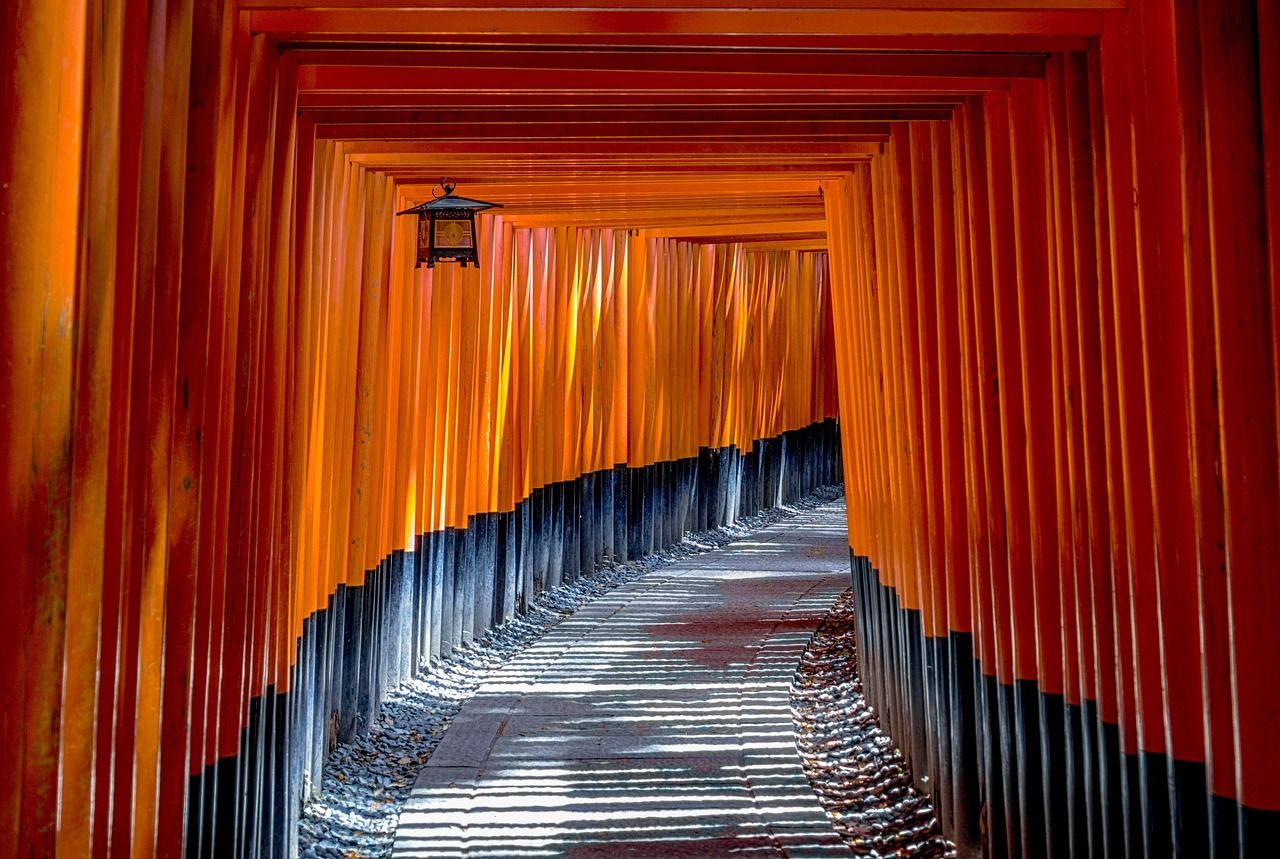
Traditional practices and modern systems sit comfortably alongside one another in Japan, and that balance is what gives the country its cultural depth. In Kyoto, daily life still revolves around neighbourhood shrines, seasonal festivals, and long-established crafts.
Tea ceremonies take place in purpose-built rooms whose layouts have remained unchanged for generations, while nearby workshops continue producing washi paper, ceramics, and silk using techniques passed down through families. Districts such as Gion or Arashiyama are best explored early in the day, when locals are commuting, and temples are actively used rather than presented for visitors.
Tokyo reflects the same mindset in a very different setting. Precision runs through everything, from transport systems to dining culture, yet it never replaces heritage. Meiji Shrine sits at the centre of the city, still used regularly for weddings and seasonal observances, while areas like Asakusa function as religious centres first and tourist districts second.
The best Japan luxury holidays for you to consider are those that include stays in places such as Kanazawa or Hakone, where refined accommodation is rooted in tradition. Ryokans maintain tatami layouts, kaiseki meals follow strict seasonal rules, and service reflects long-established etiquette rather than performance.
The Living Museum: Exploring the Renaissance Echoes of Florence and Tuscany
In Florence, the Renaissance isn’t confined to galleries. It’s embedded in the street plan, the proportions of buildings, and the way public space is used. The Duomo still defines movement through the city, while workshops near the Arno continue leatherworking and bookbinding trades that date back centuries.
The Uffizi Gallery is worth visiting, but smaller churches offer just as much insight, with frescoes still in their original settings and locals stopping by as part of daily life rather than tour groups.
Beyond the city, Tuscany expands that sense of continuity. Towns such as Siena, San Gimignano, and Arezzo maintain medieval layouts that influence how people move and gather today. Vineyards in Chianti are active agricultural spaces first, not visitor attractions, and tastings often happen alongside production.
Museums here explain history, but the landscape does much of the teaching itself. Stone farmhouses, Roman roads, and terraced hills show how land use and culture have developed together, forming a region where history remains part of daily life rather than something preserved at a distance.
Glacial Majesty and Southern Frontiers: The Untamed Heritage of Patagonia
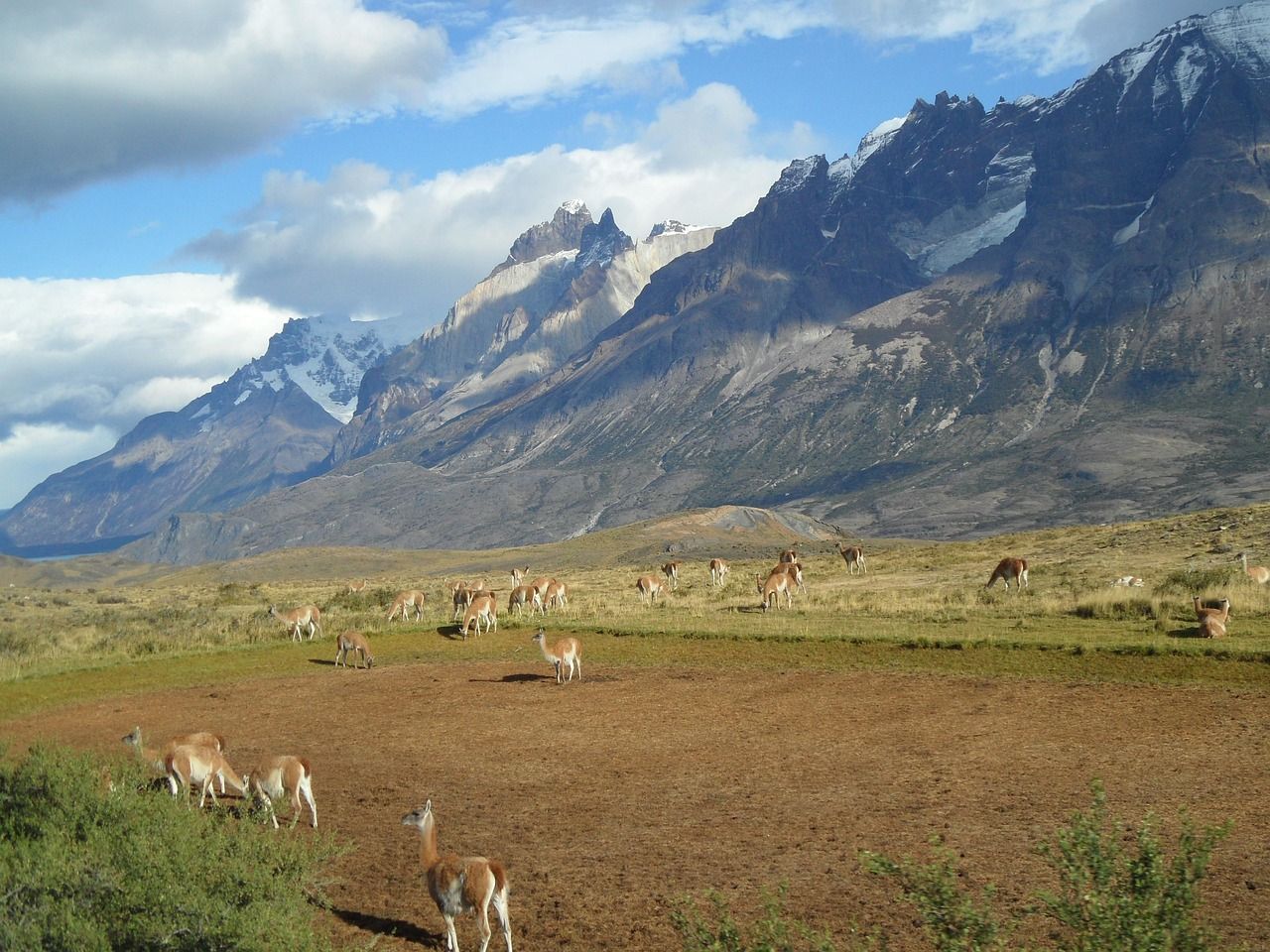
Patagonia’s culture is inseparable from its geography. Across southern Argentina and Chile, daily life is shaped by wind, distance, and shifting seasonal light. Towns such as El Calafate and Puerto Natales act as gateways to national parks where conservation is visible on the ground.
At Perito Moreno Glacier, raised walkways allow close observation without damaging the ice, while rangers explain glacial movement and climate impact directly, rather than leaving interpretation to signage alone.
Further south, the region’s maritime heritage becomes more pronounced. Ushuaia’s port still supports fishing and research vessels alongside expedition ships. Travellers who book a Patagonia cruise move through the Beagle Channel or towards Cape Horn, gaining insight into early exploration routes and indigenous navigation.
Museums dedicated to the Yaghan people and early settlers add context, showing how isolation, climate, and survival have shaped cultural identity over time.
Desert Metropolises: Unveiling the Artistic Architecture of Marrakech
Marrakech’s cultural richness is rooted in design and urban planning. The medina remains a working city, where residential riads, mosques, and souks operate within a tightly organised layout. Walking through areas like the spice souk or metalworkers’ quarter reveals how trades are grouped and passed down. The calls to prayer still structure the day, and communal bakeries continue to serve neighbourhoods that have relied on them for generations.
Architectural landmarks offer clear entry points into the city’s past. The Bahia Palace illustrates how craftsmanship and domestic space intersected for the ruling elite, while the Saadian Tombs provide insight into burial traditions and dynastic identity. Beyond the old city walls, sites like the Majorelle Garden reflect a later period of artistic influence and modern restoration, adding another layer to Marrakech’s evolving cultural landscape.
Highland Legacies: Discovering the Mythic Folklore of the Scottish Isles
The Scottish Isles preserve culture through language, landscape, and oral tradition. On islands such as the Isle of Skye, Isle of Lewis, and Isle of Harris, Gaelic remains part of everyday life rather than a symbolic relic. Storytelling traditions continue in local halls and pubs, often centred on clan history, maritime survival, and land rights. Guided visits to places like Callanish Standing Stones or Dunvegan Castle reveal how mythology and recorded history overlap.
Religious heritage adds another layer to the islands’ cultural identity. Iona Abbey still functions as a place of worship and pilgrimage, reflecting the region’s role in early Christianity. Museums across the Hebrides focus on crofting, fishing, and textile production. Harris Tweed remains a regulated, working industry, showing how heritage here continues through daily use rather than preservation alone.
Are you ready to connect with the world’s most profound landscapes?
Cultural expeditions work best when places are experienced through use, not presentation. The destinations above offer that clarity. Temples in Japan, workshops in Florence, conservation areas in Patagonia, living medinas in Marrakech, and island communities in Scotland all show culture as something active.
These places don’t rely on narrative alone. They reveal history through architecture, working traditions, and landscapes that still shape daily routines. For travellers who want understanding rather than surface impressions, these regions provide practical ways to engage with the world as it actually operates.