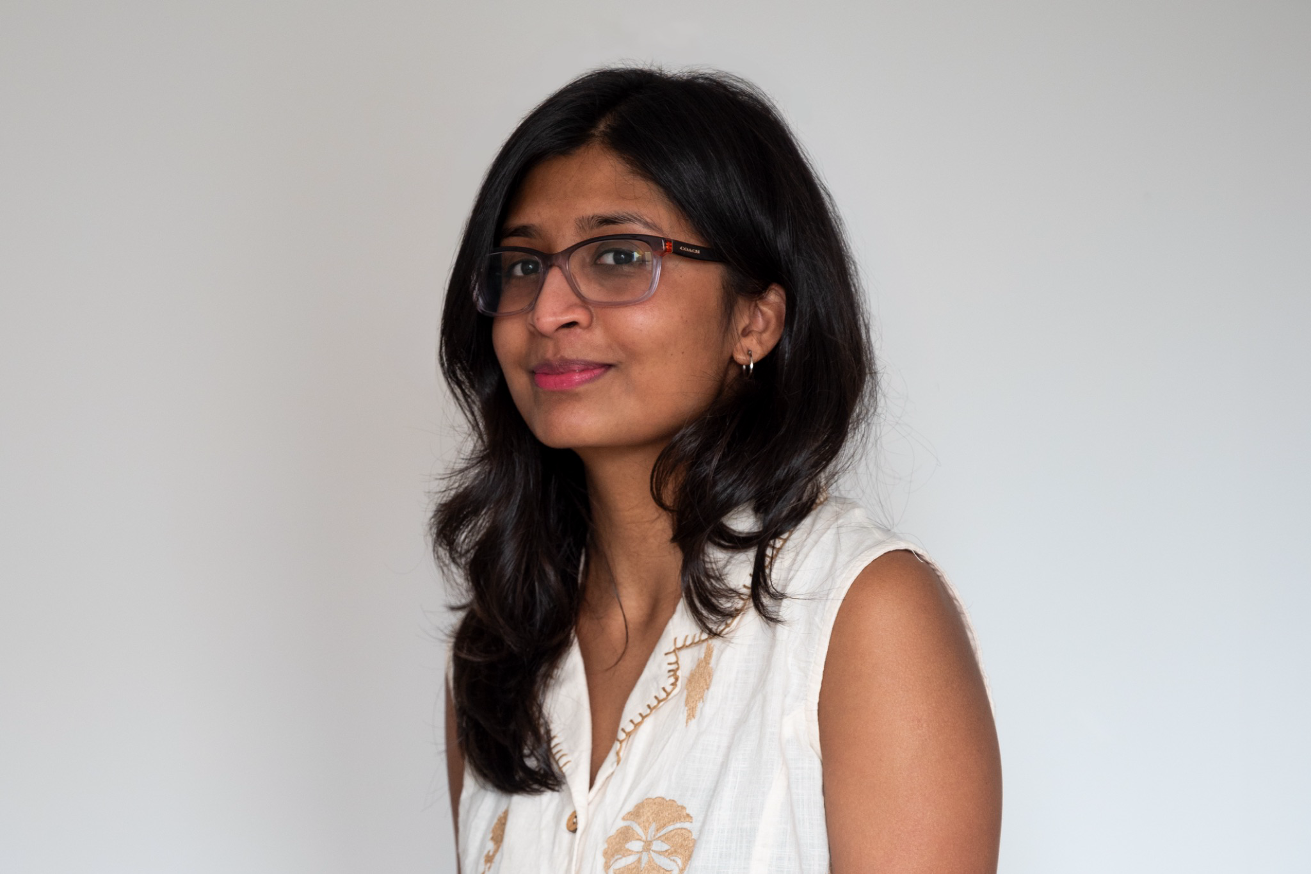
Shivani Pinapotu is a Brooklyn-based spatial designer specializing in the art of the restaurant. With experience in interior design, exhibition environments, scenography, and design research, she has a Master of Design (MDes) in Interior Studies from the Rhode Island School of Design, and is driven in how spaces convey narrative, culture, and meaning.
As a specialist in restaurant design, Pinapotu is an expert in helping restaurants redesign their spaces to be more welcoming, while authentically telling their own story and sharing the dining experience with everyone who walks in their door.
“A meal begins the moment you walk through the door; the light, the noise level, the materiality of the surfaces around you, the distance between you and the next table, all of it primes how you receive what’s on the plate,” said Pinapotu. “Good restaurant design creates the conditions for food to be fully experienced, not just consumed.”
She uses mood boards as a starting point for her process and practice as a culinary-focused designer. Mood boards, as we know, are a form of visual collages to help define the style, color and feel of an upcoming creative project. They are a common DIY blueprint for interior designers and fashion designers.
“Moodboards level the ground for the designer and the client, and are therefore, a great starting point for any collaboration,” she said. “Because it is the great balancer, it is also hard to nail down the true art of getting it right. As for me, I am drawn to the written word, so often when I begin any project, I bring the brief down to a collage of words and phrases that best suit the intention of the project. It helps synthesize the vastness of the project to key words. I then scurry through my visual archives to find references that match these words and create visual buckets for each word or phrase. Sometimes, it’s imagery from a film, or a project that already exists, or a detail that aligns with the mood.”
Throughout her career, Shivani has developed a strong portfolio of high-profile hospitality and residential projects, showcasing her ability to blend creative rigor with a narrative-driven design sensibility. Her expertise lies in client-facing communication and full-cycle project work, ensuring that each design not only aligns in vision and intention, but also withstands the test of time. She believes that every space has a story to tell, and she strives to bring that narrative to life through thoughtful design.
After compiling her moodboard references, Pinapotu then brings her creative vision to the client. “It is at this point that I engage the client and see what images they bring to the table,” she said. “If they supply their own imagery with their brief, I often only go through them once I have my own visual buckets. It has proven to be helpful to find intersections and parallels between the two data-sets for a broader image of what the design could be.”
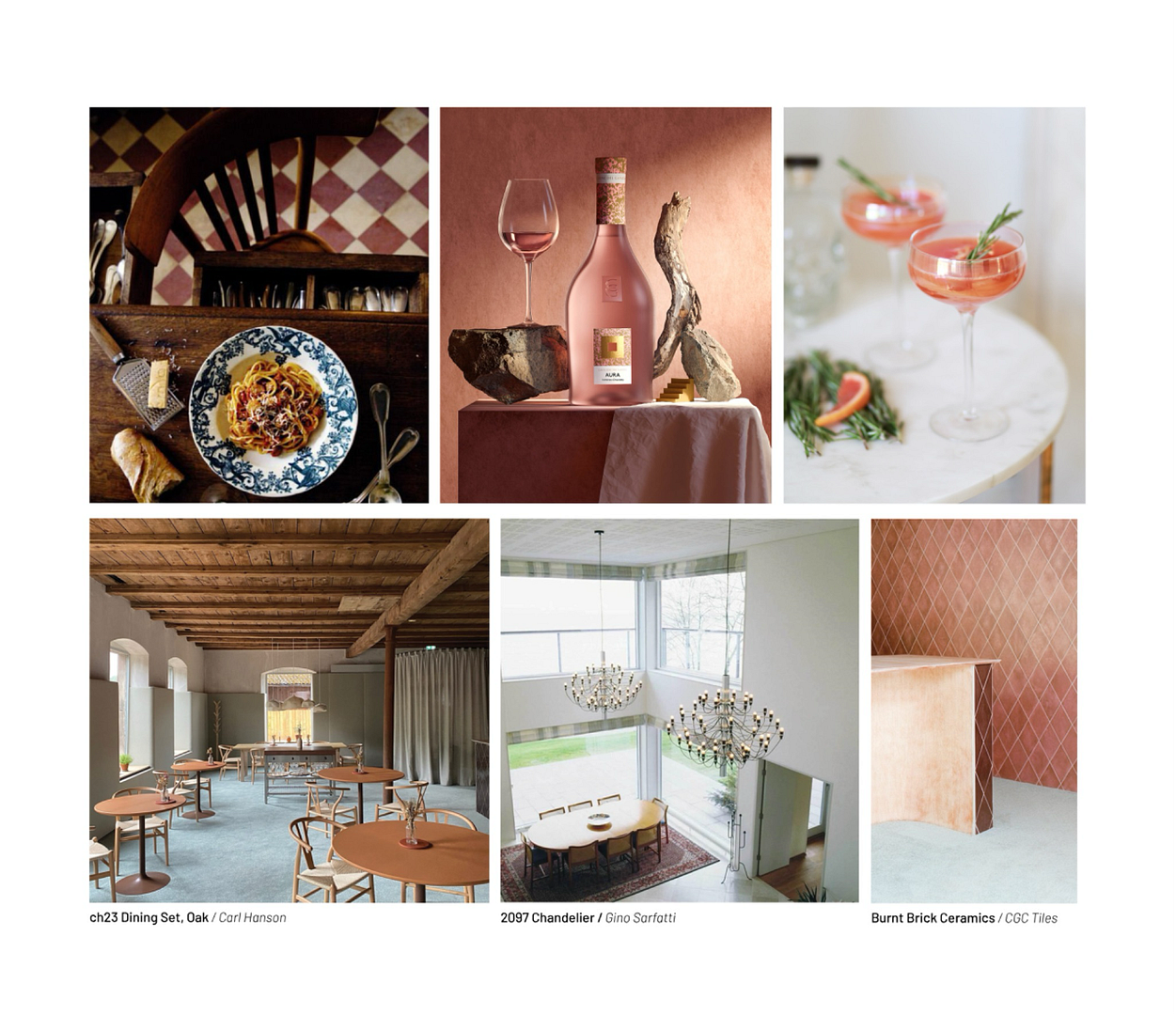
Initial Image Research, Restaurant featuring Brunch, 2022. Moodboard by Shivani Pinapotu
Then comes the fun bit, notes Pinapotu. “I play with these different images, often on photoshop and procreate, and stitch them together to create makeshift environments, varying the elements and how they work together through each iteration. I mix-and-match colors, textures, and moods until I arrive at a few that I feel excited to develop further with the client.”
Shivani’s journey in the design field began with her internships in Delhi, India, where she honed her skills in spatial design and gained valuable insights into the architectural landscape. Following her internship, she worked as a Junior Architect in Bangalore, where she further developed her design capabilities and understanding of the complexities involved in architectural projects.
In 2021, Shivani returned to academia as a Teaching and Research Assistant at the Rhode Island School of Design, where she contributed to courses on the history of interior architecture and sustainable design futures. This experience not only deepened her knowledge but also allowed her to engage with emerging designers and foster a collaborative learning environment.
One of her personal projects has been researching kitchens across the US and India, drawing from her own upbringing in India and residing in the US as an immigrant. “When I first moved to the US, I was struck by how differently the kitchen functioned here, which was far from what I was used to growing up in India,” she explains. “For example, in contemporary American homes, the kitchen is often part of the living area, alluding to an open, social and visible space-planning. In India, it’s typically a separate room, more private and functional. Another is that the stove top here comes paired with an oven as a single unit; in India, ovens aren’t ubiquitous, and stove tops are either built directly into the counter stone or purchased as a retail item.”
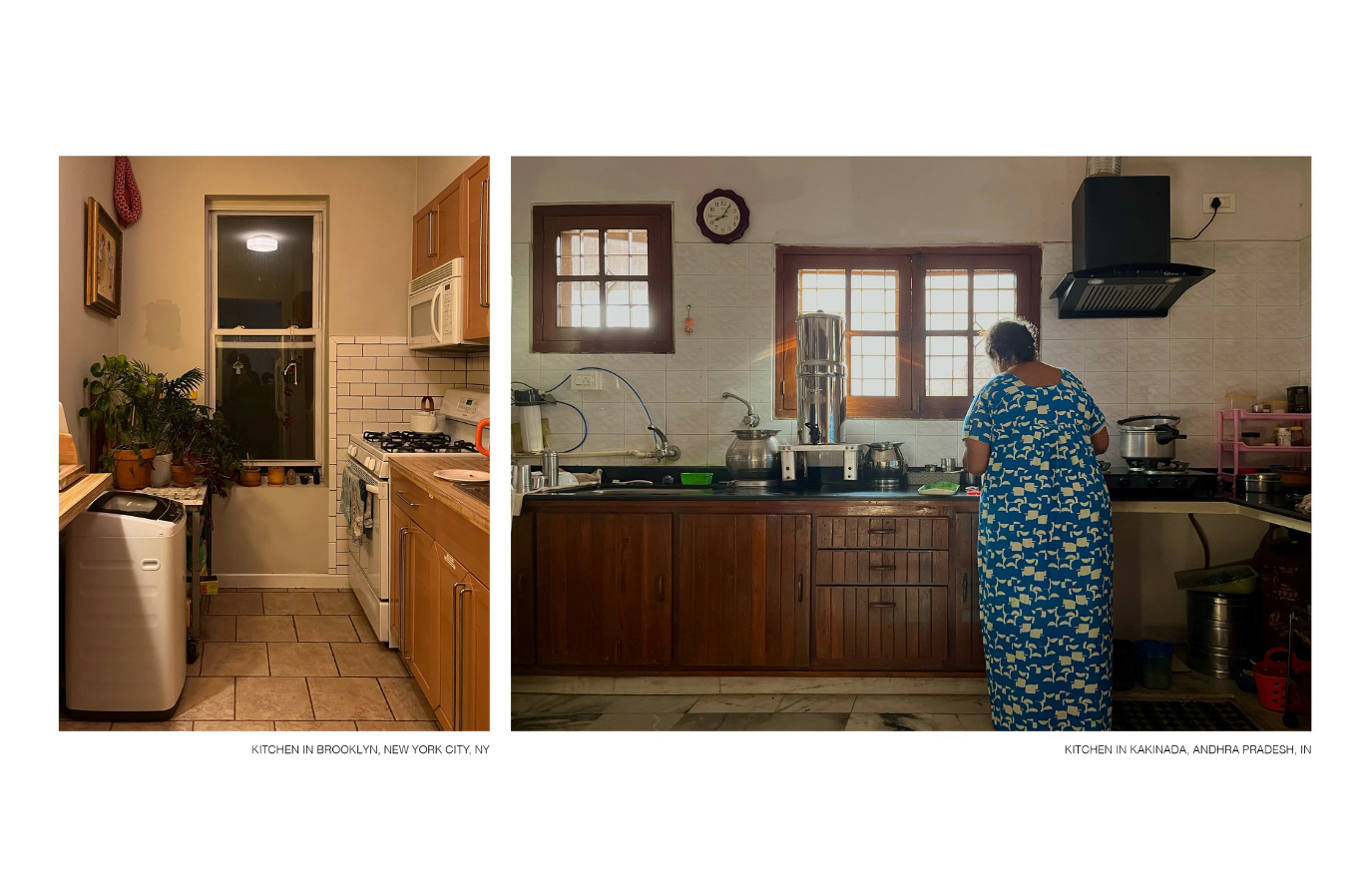
Field Notes on Kitchens I love, 2024, Photo Courtesy of Shivani Pinapotu
What interests Pinapotu isn’t just the physical difference of communal eating spaces, but how function shapes behavior, and how behavior, in turn, shapes function. “The configuration shapes how people cook, who participates, how food is shared, but those configurations also emerge from existing cultural behaviors,” she said. “What I also keep returning to is the ordinary logic of how people inhabit these spaces. Where someone keeps their cutlery, how they organize their shelves. The obvious assumption is that convenience drives everything, but everyone has a different system, shaped by their living situation, their habits, their history. I organize my kitchen differently as a flatmate than I would with a partner, differently again on my own. The form shapes the routine, and the routine shapes the person.”
What she discovered in her research was more than just individual eating routines, but something bigger. “Different cities, different parts of the world, have different spatial configurations for the kitchen and those configurations both reflect and produce cultural behavior,” said Pinapotu. “The form shapes the routine, and the routine shapes the person, and the person adapts and creates new ways of being within whatever form they inherit. It’s circular, and that’s what makes it genuinely interesting to map.”
Pinapotu makes a connection to Nao Saito’s 2018 book, “Travels Through South Indian Kitchens,” which has been a useful companion for the research. “The book looks at kitchen culture as a window into something much larger about how people live and what they value,” she said. “That’s the direction I want to take this: less a comparative study of form and more a way of seeing into people’s lives through the specific, ordinary logic of how they move through the space where food begins.”
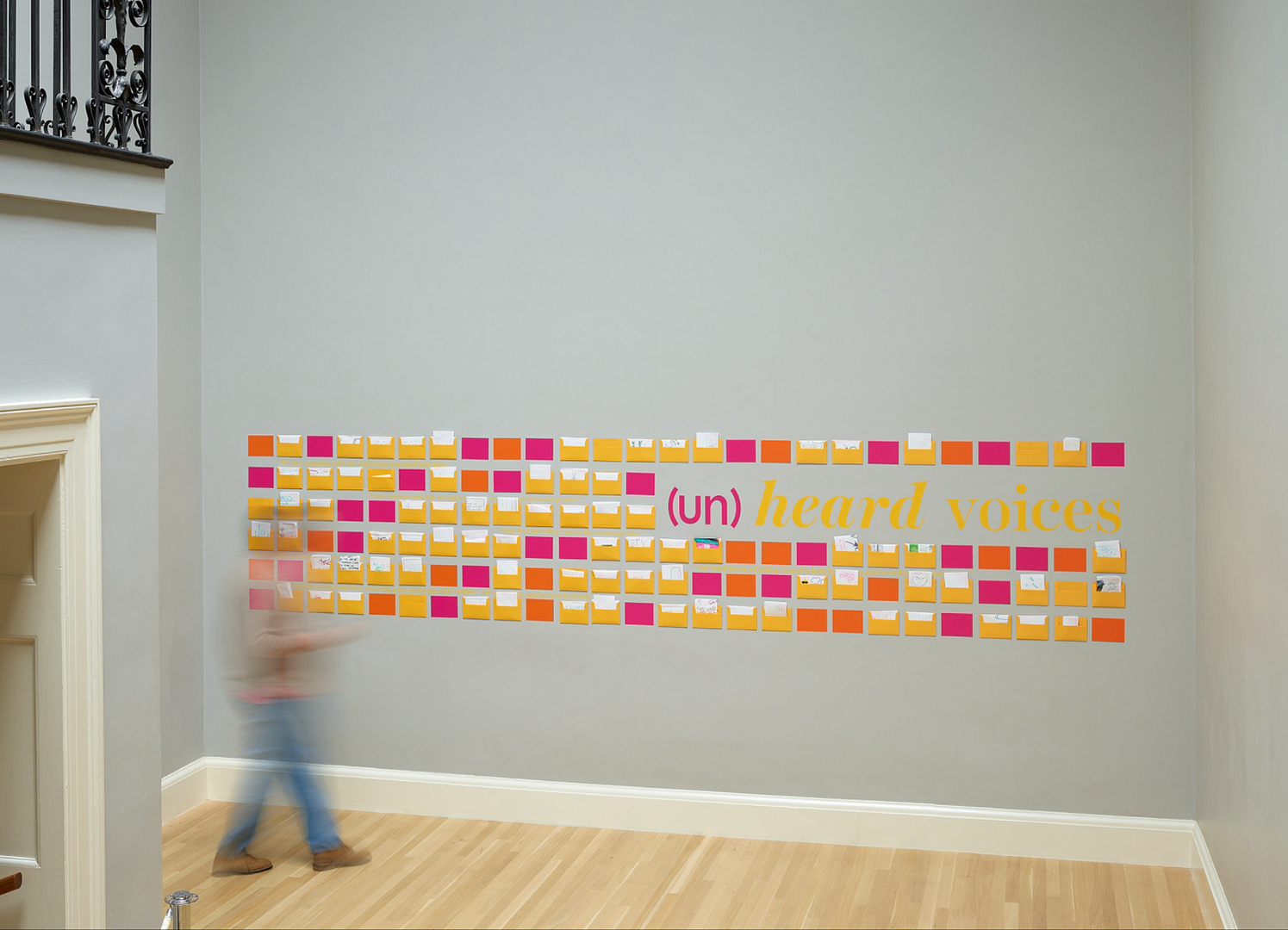
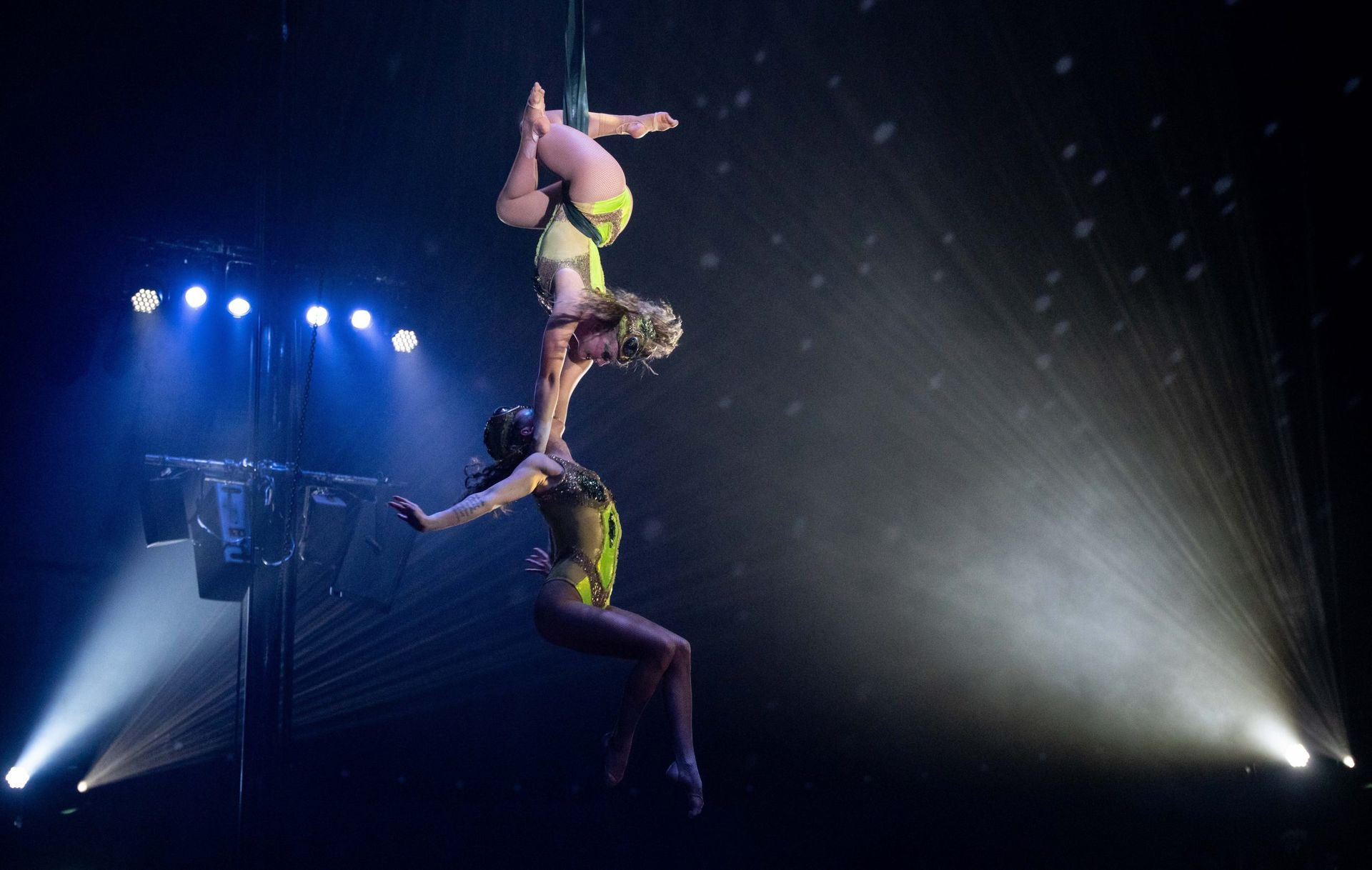
(un)heard voices, 2023, Photo Courtesy of the RISD Museum, Providence, RI
Shivani’s dedication to her craft has been recognized through various accolades, including the prestigious Dorner Prize in 2023 for her project “(un)heard voices” at the RISD Museum. This recognition highlights her commitment to creating culturally responsible and inclusive design solutions that resonate with diverse audiences. Additionally, she was awarded the RISD Fellowship from 2021 to 2023, further solidifying her reputation as a rising star in the field of spatial design.
She got into food-based design early on, as she has been fascinated by fine dining from a young age. “I remember begging my parents to host my birthday parties in restaurants; what captivated me wasn’t just the food, but the theatricality of it all: the grandeur of the room, the choreography of service, the way a space could make an ordinary meal feel like an event,” said Pinapotu.
But the deeper root is street food, she notes. “Growing up in India, food belonged to the public domain: winter evenings meant roasted corn and spicy Indochinese by the road, summers were dotted with chaat and cassatas, monsoons brought pakodas, and spring meant fruit eaten whole with your bare hands,” said Pinapotu. “What struck me, even as a child, was how effortlessly these environments brought people together across gender, religion, and class. The space around food was doing something powerful, and I wanted to understand it. It was only in graduate school when I designed a pop-up restaurant as part of a design studio that I reconnected with those early instincts and realized that was the beginning of something I always knew.”
Moving to New York City and joining a design studio that designed restaurants felt like a homecoming that she hadn’t anticipated. “My childlike wonder came back, and with it, a clearer sense of why I care about the spaces where people cook and gather to eat,” said Pinapotu.
Building upon her design experience and culinary research, Pinapotu’s expertise extends beyond traditional design practices, as she is well-versed in curation and exhibition design, construction documentation, and custom furniture and lighting design in restaurant design.
Good design is key to a restaurant’s success and Pinapotu has been part of stunning design projects that help breathe life into a restaurant, its authentic storytelling and welcoming energy. Pinapotu compares restaurant design to a stage set in a theater.
“It doesn’t perform, but it makes the performance possible,” she said. “The dining area is an extension of the kitchen. When design and cuisine align, they create a cohesive sensory narrative. The environment sets expectations, heightens anticipation, and reinforces the story of the food. Good design frames the plate, making the experience feel more immersive, satisfying, and memorable.”
She balances a client’s needs with the budget and spatial constraints. “Working across residential and hospitality projects, I’ve found that the most useful thing you can do early is be honest about the hierarchy of decisions,” said Pinapotu. “Not everything carries equal weight. While some choices are load-bearing for the design concept and worth protecting, others are flexible. Having that conversation openly with a client, rather than presenting a perfect vision and then value-engineering it later, builds trust and tends to lead to better outcomes on both sides.”
“Constraints also have a way of producing unexpected solutions,” she adds. “Some of the most interesting design moves I’ve been part of came directly from a limitation that forced us to think differently. I’ve learned to treat them less as problems to solve and more as parameters to design within.”
Words Nadja Sayej
Visit Shivani Pinapotu’s website spinapot.com.