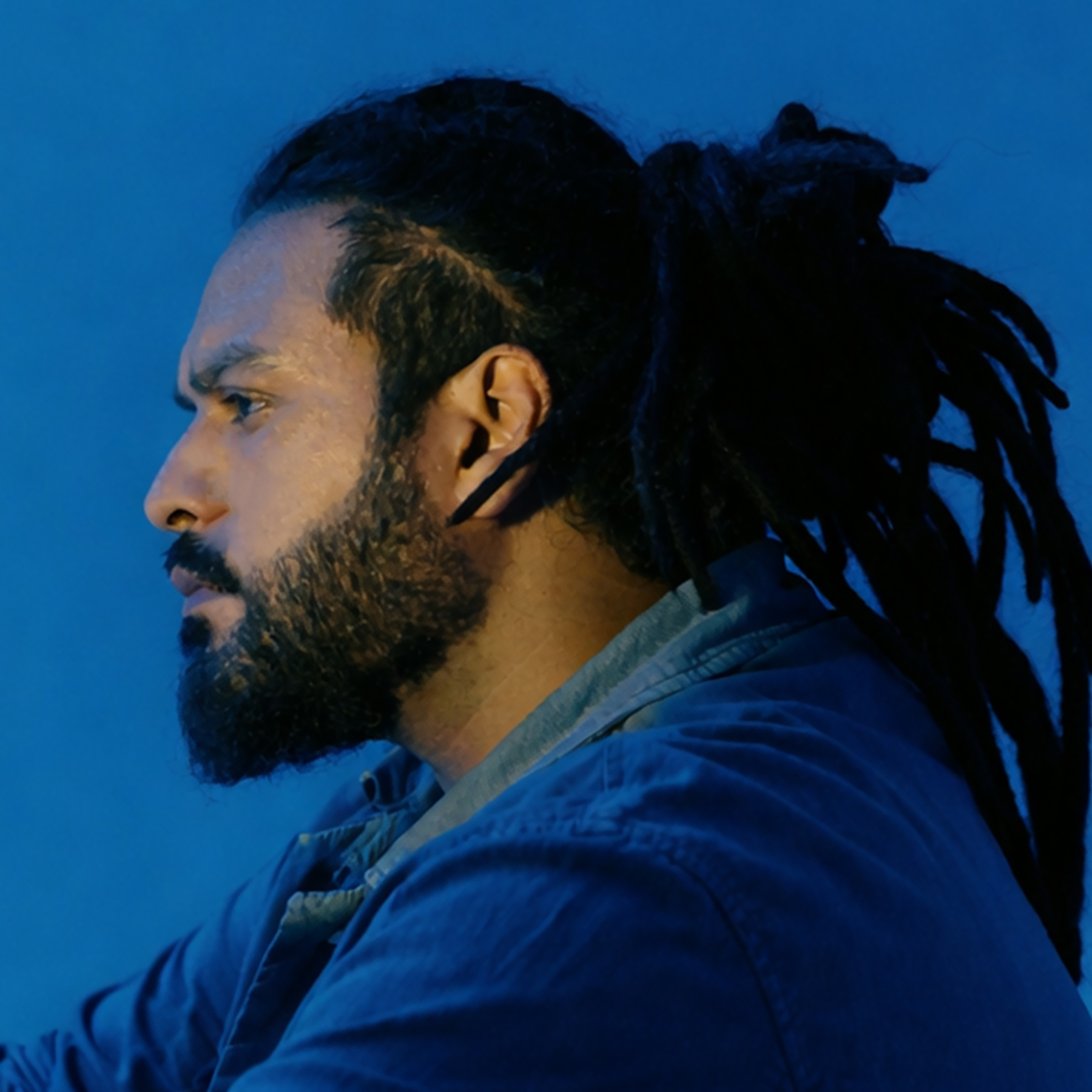
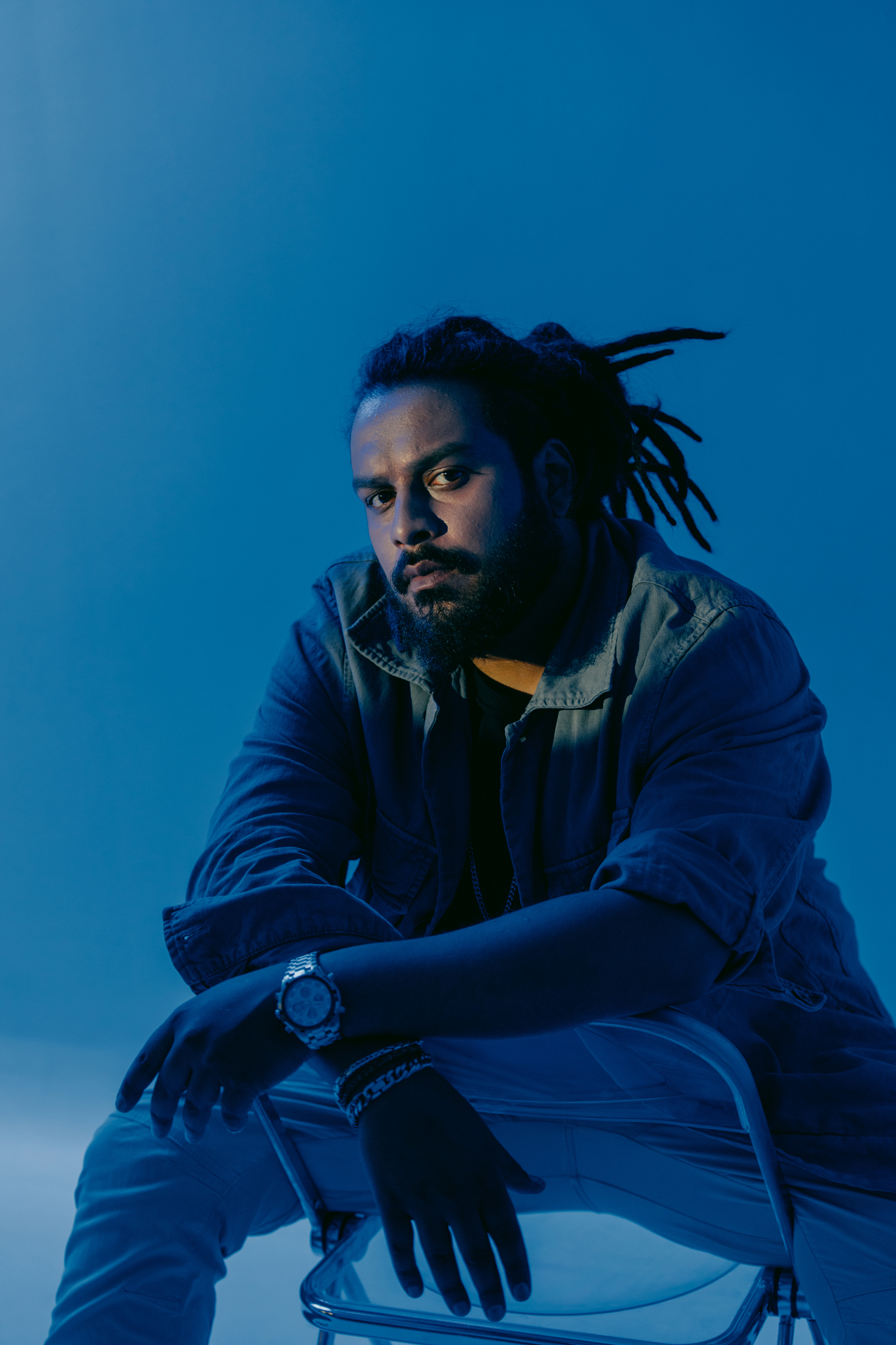
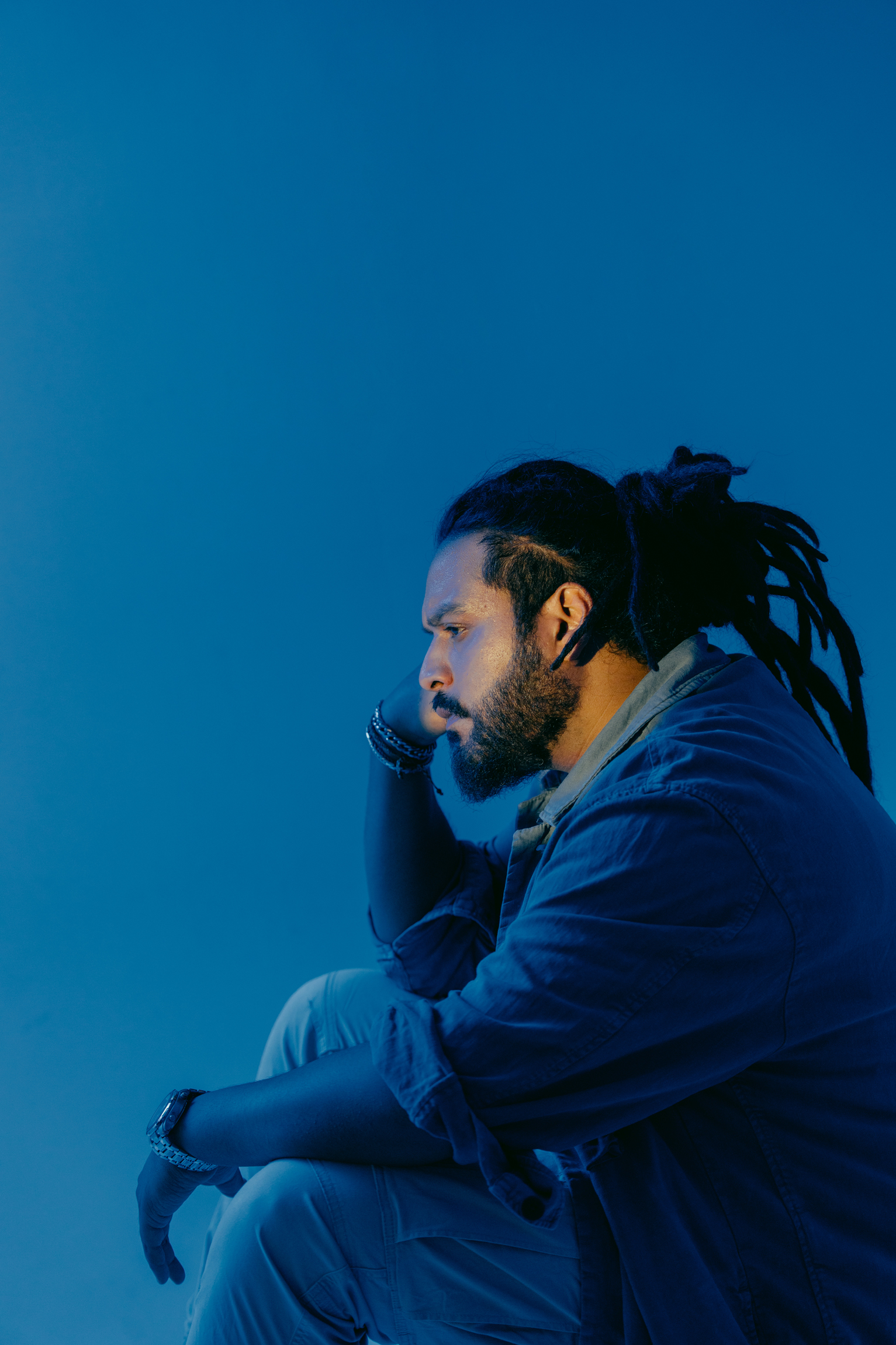
In his latest single, “Pricetag,” Rotterdam-based reggae and dancehall artist Shiwa ultimately questions what we are willing to give up in exchange for being seen. It is a track meant to look at the quiet ways validation, success and attention can begin to shape how we’ve come to measure our own worth, while asking what remains when those things fall away. Anchored by its reggae roots, the track carries a very personal insistence on staying close to your values in a world that constantly asks you to put a price on them.
That sense of independence has run throughout Shiwa’s music, with work that has never sat neatly within one musical space, moving between reggae and dancehall while making room for electronic influences, most notably on “Jungle,” his collaboration with British multi-hyphenate TroyBoi. Elsewhere, songs like “FYA Talk” show a different side of his approach, but the thread connecting them is less a particular sound than an instinct to let each song become what it needs to be. His Caribbean and Surinamese-Hindustani roots have only added to that fluidity, giving him several cultural reference points without requiring him to choose a single one.
In conversation with 1883 Magazine, Shiwa discusses the making of “Pricetag,” moving between musical worlds, growing up between cultures, the spiritual convictions that inform his artistry, and his perspective on reggae’s enduring message.

“Pricetag” arrives at a time when so much of modern life is driven by visibility, validation, and constant comparison. Did writing this song feel like a response to the world around you, or was it more of a personal reminder to yourself?
I think both. I remember when I was in the midst of writing “Pricetag,” it almost felt like a stern reminder that I shouldn’t trade my soul for things that are ultimately temporary. Obviously, we live in a time where people can very easily start attaching their value to likes, how successful they look, or how much attention they receive. And everybody wants to be somebody, right? I get that, so I leave all judgement unto God. But for me, I don’t consider it to be healthy. And if people feel the same way, it’ll resonate with them.
One thing I noticed listening to your recent releases is that no two songs feel like they’re chasing the same lane. Whether it’s “Jungle,” “FYA Talk,” or now “Pricetag,” you seem comfortable moving between different sounds. How do you know when a song has found the version it’s supposed to be?
I don’t actually. I try not to premeditate these things too much, especially when it comes to creating a song. It’s a flow, a state of mind, and behind that flow and state of mind is a higher purpose: to uplift people from their daily struggles. So the music tells me when it fits.

“Pricetag” strips things back sonically compared to some of your recent work. What did creating that sense of space and restraint allow you to express that a bigger production couldn’t?
Space gives the words room to enter. Sometimes you don’t need to fill every space. I wanted the message of “Pricetag” to be able to breathe.
Your music also naturally moves between reggae, dancehall, and electronic influences without ever feeling like it’s trying to blur genres for the sake of it. Has that fluidity always come naturally to you, or is it something you’ve grown more confident embracing over time?
It’s natural. Again, it’s not premeditated. I try to enter the studio with an open mind and an open heart, really. So if the music resonates, the lyrics flow naturally.
Raised in Rotterdam while carrying Caribbean and Surinamese-Hindustani influences with you, has living between cultures ever made you question where you belong, or has it ultimately become your greatest creative strength?
I’ve always felt like I never belonged anywhere. I’m still proud of my roots. They shaped me into the man I am today, and that’s a solid foundation for me to stand on. But I guess not belonging anywhere specifically kinda gave me peace of mind, so that the music can find its course. And that’s how it still is.
You often write songs that invite reflection rather than tell people exactly what to think. Is leaving space for interpretation something you’re consciously thinking about when you’re writing?
No, I’m just having conversations with something higher. I’m talking to the music, and the music is just speaking back to me. That’s what it is.
Collaborating with TroyBoi introduced your voice to listeners who may never have discovered your music through reggae alone. Did that experience change the way you think about where your music can exist, or who it can reach?
It does mean something to me, but it doesn’t define me. I am just sailing this ship, letting the music take its course and surprise me. But just as with any artist, I believe it deserves some type of recognition because of the importance of the message.
Every artist reaches a point where outside expectations start getting louder than their own instincts. How do you know when you’re making a creative decision because it genuinely excites you, rather than because it’s expected?
If it feels like an obligation, or if it doesn’t reflect my message, my principles, my values and what I stand for, it’s not worth my time. If it sparks ideas, if I’m able to be creative, then I know I’m on the right track. And that could be triggered by music, conversations, life experience, anything, really.
For a genre with such deep cultural and political roots, reggae has continued to evolve across generations and continents. As an artist creating from Rotterdam, how do you honour those foundations while still making music that feels unmistakably your own?
You see, this reggae music I humbly try to represent is a gift, one that African forefathers, who were shipped abroad due to slavery, shared with us. The message came out of peer pressure, but with pure intent and a clear conscience, locked into the frequencies of the Most High, to remind us that we are worthy. And to me, that’s something universal. So this reggae music breaks all barriers and shows people we are one, because frustration has no nationality.
Looking beyond music for a moment, what experiences or conversations have shaped your worldview just as much as any artist or album has?
I think it has to be my spirituality and my conversations about spiritual realms, and the visions I received as a reminder to stay on the right track and listen to God alone.
Is there something about your artistry that people tend to overlook because they’re too focused on labels like “reggae” or “dancehall”?
No, I wouldn’t know, and I don’t really care, to be honest. Regardless of what people may say, I feel this reggae music, which my forefathers intended to spread throughout the four corners of the earth, is about the message.
When listeners finish “Pricetag,” what’s the conversation you hope continues long after the music stops?
That we should be aware that our body is our temple, and listen to the small voice that is speaking to us. It’s usually that small voice inside of us which is telling us right from wrong.
Finally, if someone discovered Shiwa for the very first time through “Pricetag,” what would you hope they become curious enough to explore next?
If there’s one thing I could say, it’s to try to listen to the message, try to resonate with it, and try to incorporate it into your daily life. That’s my only purpose.
“Pricetag” is out now, follow via @shiwaofficial
Interview Stanley Kilonzo