The Details
| Treatment | Sofwave |
| Where | The Clinic Holland Park, London |
| Practitioner | Dr Jenny Doyle, Consultant Oculoplastic Surgeon |
| Areas treated | Mid and lower face |
| Price | From £1,750 at the time of writing |
Postpartum skin is a strange thing. For the first three or four months after my daughter was born, mine was the plumpest and most radiant it had ever been. Then, slowly, that glow began to fade. About a year on, my skin felt noticeably thinner, my mid and lower face had lost some of its firmness, and fine lines I’d never paid much attention to were suddenly harder to miss. Hormones almost certainly had something to do with it. Good skincare can only do so much, and I was curious about what else might help.
I’m also increasingly drawn to aesthetic treatments that work with what you already have. I don’t necessarily want to add volume or dramatically alter the shape of my face. At least not yet. I want my skin to look firmer, healthier and, for want of a better expression, a little more like itself a few years ago.
So I booked in at The Clinic Holland Park to try Sofwave with Dr Jenny Doyle, a Consultant Oculoplastic Surgeon and Aesthetic Practitioner specialising in eyelid surgery and advanced facial aesthetics. She is also a Key Opinion Leader for Sofwave, which means she works with the brand. I wanted to find out what the treatment is really like: how much it hurts, what the downtime looks like and, crucially, whether I could see a difference afterwards.
So what is Sofwave?
Sofwave is a non-invasive skin tightening treatment that uses ultrasound energy to stimulate the production of new collagen and elastin within the skin. Rather than injecting anything or adding volume, the device delivers controlled energy into the mid-dermis, creating heat at a depth of around 1.5mm while an integrated cooling system protects the surface of the skin.
That controlled thermal response effectively gives the skin a job to do: repair, remodel and produce new collagen. The result isn’t intended to be an overnight transformation. As that collagen response develops, the aim is for the skin to gradually appear firmer, smoother and better supported.
Doyle is openly sceptical about how treatments like this are marketed, including one phrase that has become ubiquitous in beauty circles: collagen banking.
“I think ‘collagen banking’ is a bit of a marketing term,” she says. “In practice, we’re treating patients who are showing early signs of ageing with mild skin laxity. Non-surgical treatments aren’t going to replace a facelift, but they can absolutely improve mild laxity and help maintain skin quality.”
Combined with good skincare, SPF, lifestyle and sensible maintenance treatments, she adds, these interventions can help delay the progression towards more advanced skin laxity. For where my skin is now, that was exactly what drew me to it.
My Sofwave consultation
My Sofwave experience began two weeks before the treatment itself, with a consultation at The Clinic Holland Park. We talked through what I’d noticed and what I realistically wanted to achieve.
“Lower-face ageing is rarely caused by one thing,” Doyle explains. “It’s usually a combination of skin laxity, volume changes, ligament laxity and deeper structural ageing. The key is identifying what’s driving the concern and matching the treatment accordingly.”
That’s worth hearing, given how often filler has become the default answer to facial ageing.
“If the main issue is skin laxity, adding filler isn’t always the answer and can sometimes make the face look heavier,” she says. “Good outcomes come from choosing the right treatment for the right patient.”
I’d already explored the volume side of things with Profhilo Structura, an injectable designed to restore lost facial fat. Laxity is a separate problem, though, and it needs a separate solution.
The consultation was an important part of the experience for me. There’s a huge difference between being told what a machine can theoretically do and having someone assess your face and explain what it can realistically do for you.
We decided Sofwave made sense for my concerns and booked the treatment for two weeks later, focusing on my mid and lower face.
What happens during a Sofwave treatment?
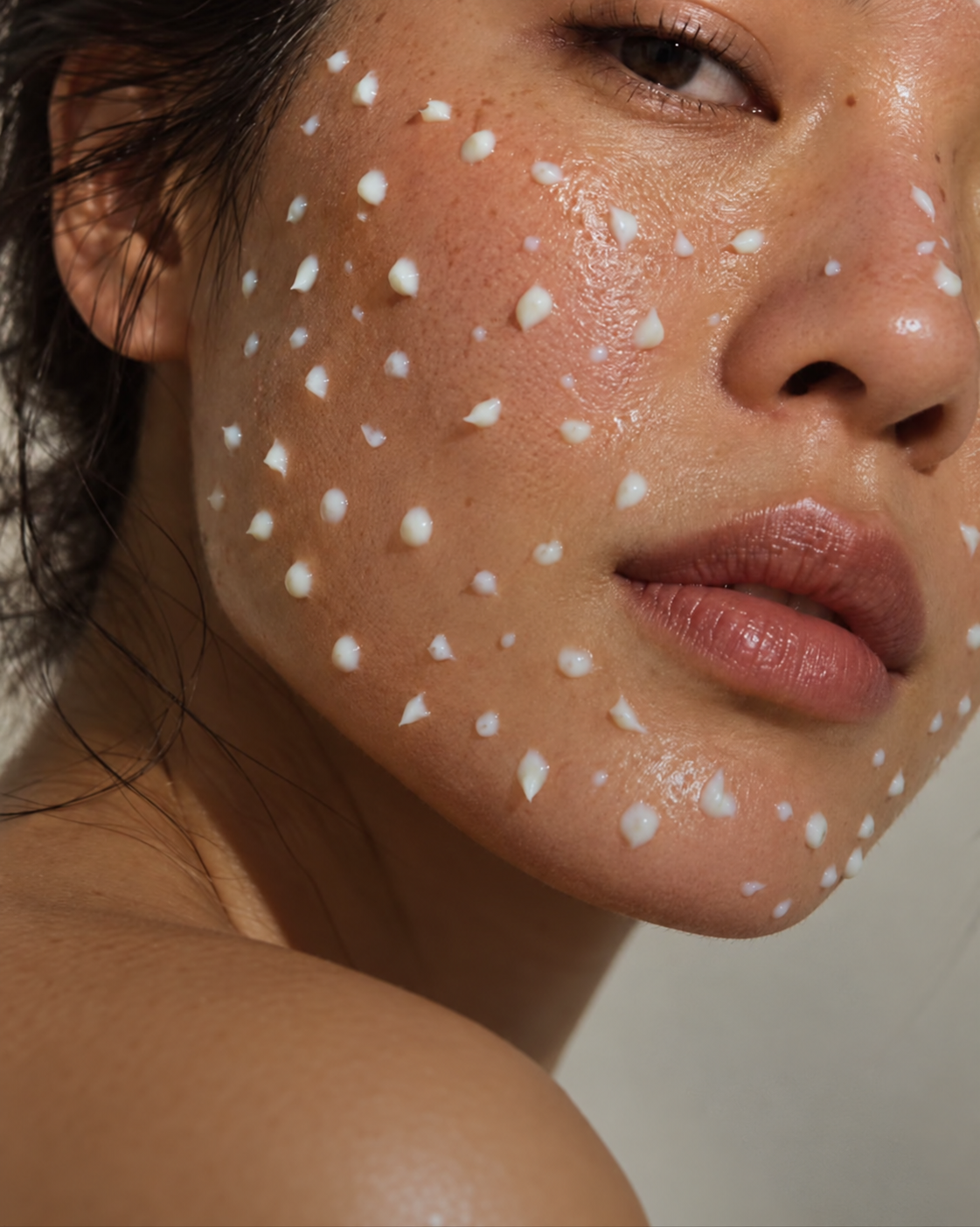
On treatment day, the first step was numbing. This wasn’t a token smear of numbing cream five minutes before starting. A generous layer of strong topical anaesthetic was applied across the areas being treated and left on for around 30 minutes to take effect. Once I was sufficiently numb, the cream was removed and the treatment began.
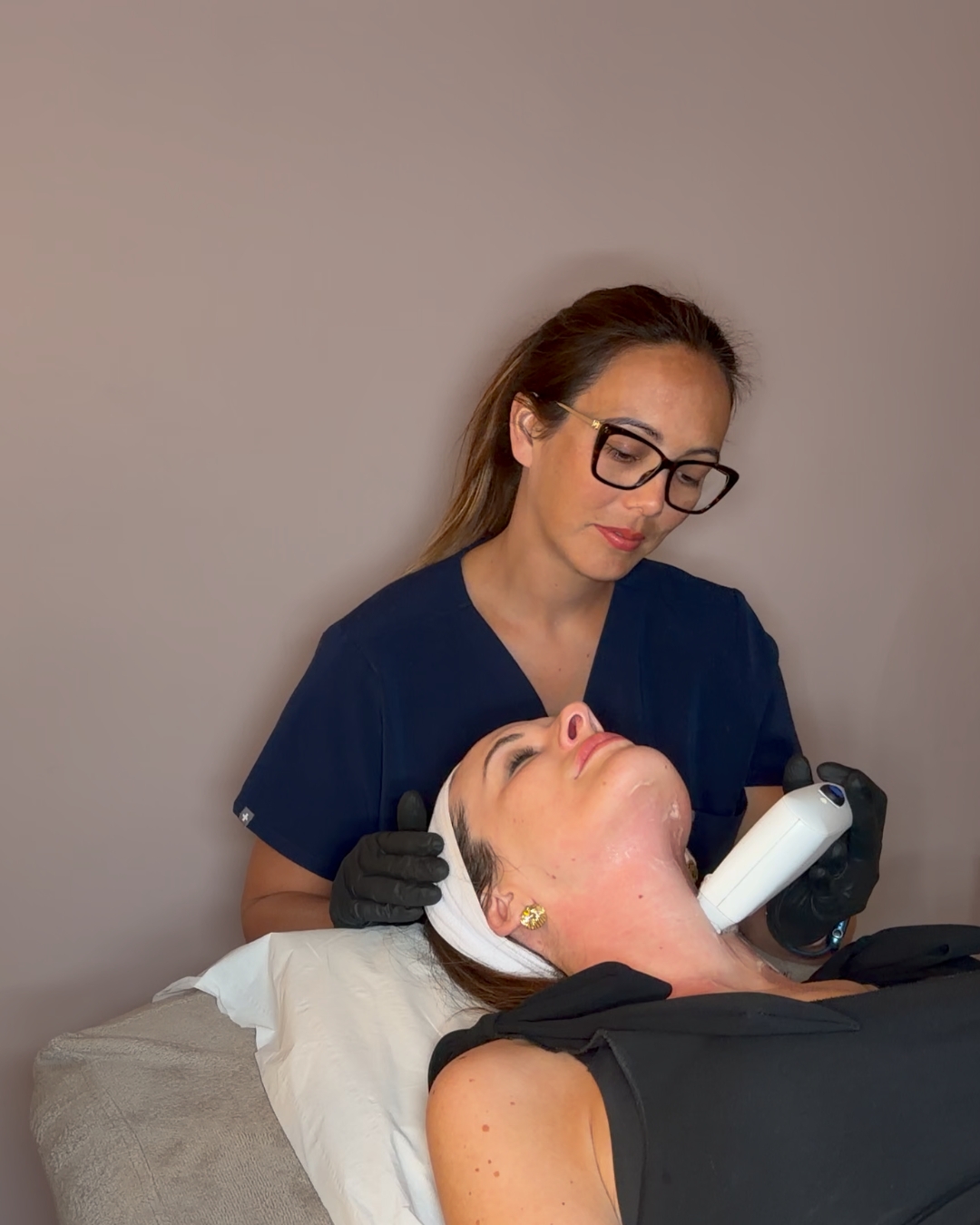
The Sofwave handpiece is placed against the skin and delivers ultrasound energy in individual pulses as the practitioner works systematically across the treatment area.
Does Sofwave hurt?
If I told you it was comfortable, I’d be lying. But it also wasn’t nearly as bad as I’d built it up to be in my head. The best way I can describe it is a sudden, concentrated burst of heat underneath the skin. Sometimes it simply felt very warm. At other points, that warmth definitely tipped over into pain. Some areas are far more tender than others.
The saving grace is that each sensation disappears almost as quickly as it arrives. You feel a pulse of heat, perhaps wince slightly and, almost before you’ve registered it, it’s over. At no point did I think I couldn’t carry on. It was more a case of bracing myself for certain areas, then realising that pulse had already passed.
Pain is subjective, and I’ve been told I have a high pain threshold, but my verdict is: occasionally uncomfortable, sometimes a little painful and entirely manageable. Would I book Sofwave as a relaxing Saturday afternoon treat? No.
Would the discomfort stop me doing it again if I liked the results? Also no.
What did my skin look like immediately afterwards?
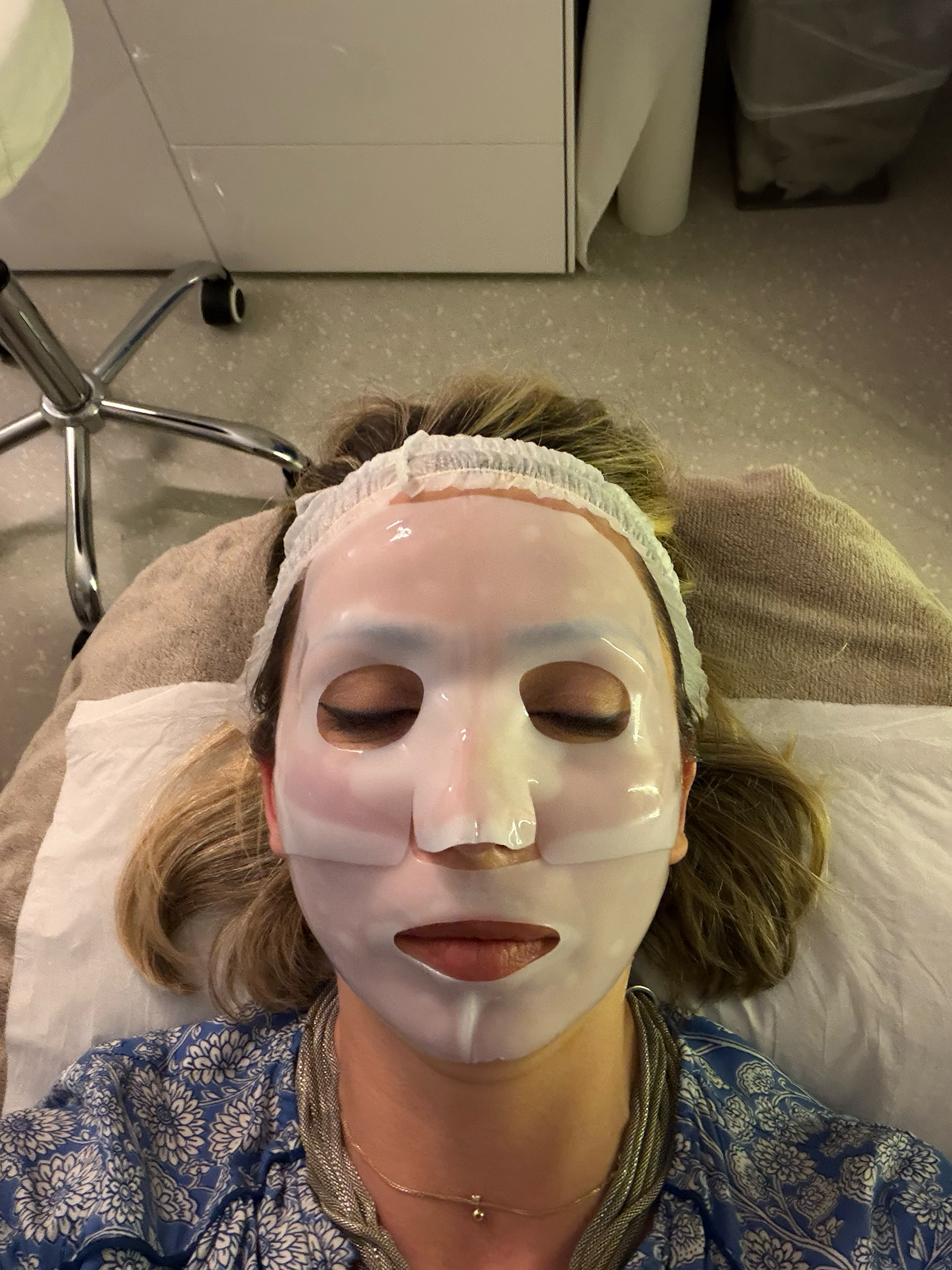
Considering what my face had just been through, surprisingly normal. I’d expected to leave visibly red or somewhat swollen, but there was very little to see. If anything, my skin looked slightly plumper and fresher.
That shouldn’t be confused with the actual Sofwave result. The treatment relies on the body’s collagen response, which takes time, so any immediate plumping isn’t what you’re ultimately judging it on. Practically speaking, it was easy. I went straight back to the office afterwards, and nobody would have known I’d just had an aesthetic treatment.
Is there really no downtime after Sofwave?
For me, none at all. I didn’t need to hide my face, cancel plans or spend the next few days explaining what I’d had done. Plenty of effective aesthetic treatments come with a social trade-off: peeling, swelling, bruising, redness or several days when you’d rather not run into anyone you know. With Sofwave, I got up and carried on with my day.
Everyone responds differently, of course, and “no downtime” should never be read as a guarantee that nobody will experience temporary redness or sensitivity. But the phrase “lunchtime treatment” gets used rather liberally in aesthetics. This is one of the few times I’ve felt it was justified.
My Sofwave results one month in
I’m now around one month post treatment. The changes are subtle, which is what I wanted. My skin is beginning to look plumper and firmer through the areas we treated, and everything looks a little more supported.
I’m not looking at my final result yet, though. Doyle explains that one month is very much an interim stage in the collagen-remodelling process.
“At one month, the skin is actively producing new collagen in response to the treatment, although patients may only be starting to notice subtle improvements,” she says. “By three months, that collagen has matured and remodelled, which is why this is when we expect to see the full clinical result.”
So you don’t leave the clinic with a noticeably different face. The improvements build gradually, and I like that. My skin doesn’t look treated. It just looks slightly better. I’ll be watching to see whether the firmness I’m starting to notice continues to improve over the next two months.
Can Sofwave replace a facelift?
No, and this is one of the most important expectations to set before spending money on any non-surgical tightening treatment. Doyle says one of the biggest misconceptions she encounters is the belief that these technologies can produce surgical results.
“They’re not a substitute for surgery,” she says. “These treatments work best for mild to moderate laxity and are about improving skin quality and tightening, not removing excess skin.”
The second misconception is expecting everything to happen immediately.
“Collagen takes time to remodel,” she adds. “The improvements develop gradually over several months.”
That doesn’t mean Sofwave only has a place before surgery. Doyle also uses it for patients with more advanced ageing who aren’t ready for surgery, provided their expectations are realistic. She even recommends it for some patients after a facelift, because the two address different things: surgery repositions tissue, while Sofwave targets the quality of the skin over it.
So before comparing Sofwave with surgery, the more useful question is what exactly you’re trying to improve.
How many Sofwave treatments do you need?
Frequency was another selling point for me. Sofwave doesn’t necessarily need a course of appointments every few weeks. Doyle says that, for most of her patients, it can fit into an annual maintenance plan.
“One of the biggest advantages is that, for most patients, it’s a once-a-year treatment,” she explains. “It stimulates your own collagen, has minimal downtime and provides gradual, natural-looking improvements.”
Treatment plans will differ according to age, skin condition and what someone hopes to achieve, but I like the idea of one more substantial treatment a year instead of constantly chasing smaller top-ups.
How much does Sofwave cost?
Sofwave isn’t cheap. Pricing depends on the areas being treated, so the full face and neck costs more than a single smaller area.
At The Clinic Holland Park, Sofwave currently starts from £1,750, with the lower face and submental area listed at £2,750 and the full face and neck at £3,500. For me, the value isn’t just about the cost of one appointment. It also depends on how often I’d need to repeat it, whether there’s downtime, how natural the result looks and, most importantly, whether it addresses something my skincare can’t.
So, is Sofwave worth it?
One month in, I’m impressed. There’s no change to the shape of my face, nor should there be, but my skin already looks slightly more supported. The treatment itself suits the way I want to approach ageing. There are no needles, nothing is added to my face and I had no downtime at all. It isn’t painless, but the discomfort was brief and far more manageable than I’d expected.
At this price, though, I want to be realistic. One month is too early to judge a treatment whose results depend on collagen remodelling over several months, so consider this an interim verdict. The experience gets a clear yes from me. Whether the results justify the cost is a question for three months’ time
At a Glance
| Pain | Noticeable, but manageable in my experience |
| Downtime | None for me |
| Results so far | Subtly plumper, firmer-looking skin at one month |
| Final results | Expected to continue developing over approximately three months |
| Maintenance | Often around once a year, depending on the individual |
Sofwave is available at The Clinic Holland Park, 142–144 Holland Park Avenue, London W11 4UE. To book a consultation, visit theclinichollandpark.com or call 020 3998 2600.