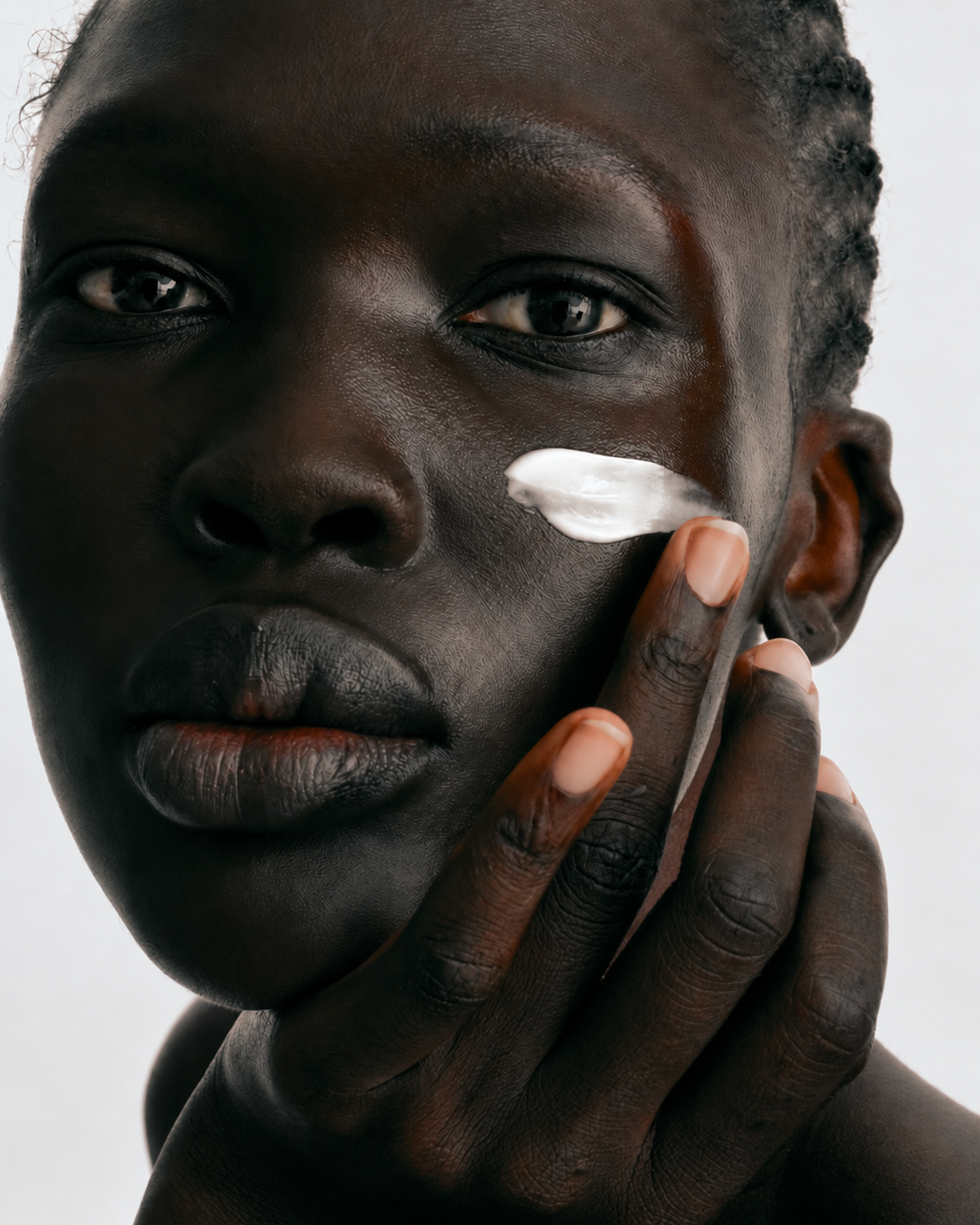
There was a time when moisturiser just moisturised. Now it soothes, rebuilds, calms and rescues, and the word doing the selling is recovery.
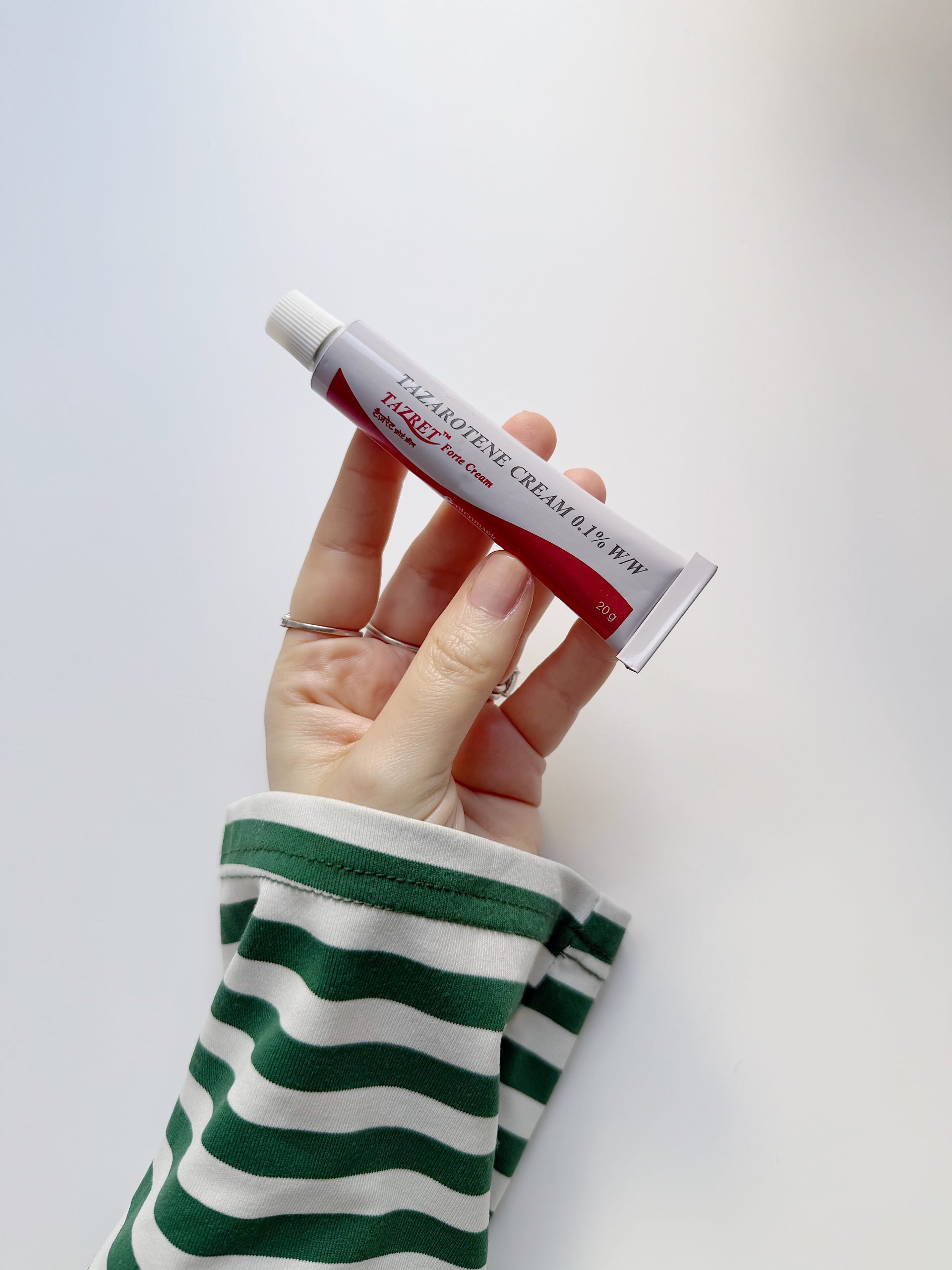
It makes perfect sense, really. Beauty spent a decade selling us retinoids, acids and at-home peels, and plenty of us have the tight, stinging skin to show for it. The recovery cream is the industry’s answer to a problem it helped create.
So is this something genuinely new, or has the moisturiser simply had a very good rebrand? To find out, we asked two doctors what’s really doing the work.
Meet the Experts
Dr Ahmed El Muntasar is a GP, aesthetics doctor and the founder of The Aesthetics Doctor.
Dr Paul Banwell is a cosmetic surgeon and aesthetics specialist at Pantheons.
So what is a recovery cream?
Officially, nothing. “‘Recovery cream’ isn’t a formally defined dermatological category; it’s largely a marketing term,” says Dr Ahmed El Muntasar, GP and founder of The Aesthetics Doctor. In practice, the label signals a moisturiser built to calm rather than correct: ceramides, panthenol, glycerin and cica where you’d once have found acids, increasingly joined by peptides and PDRN.
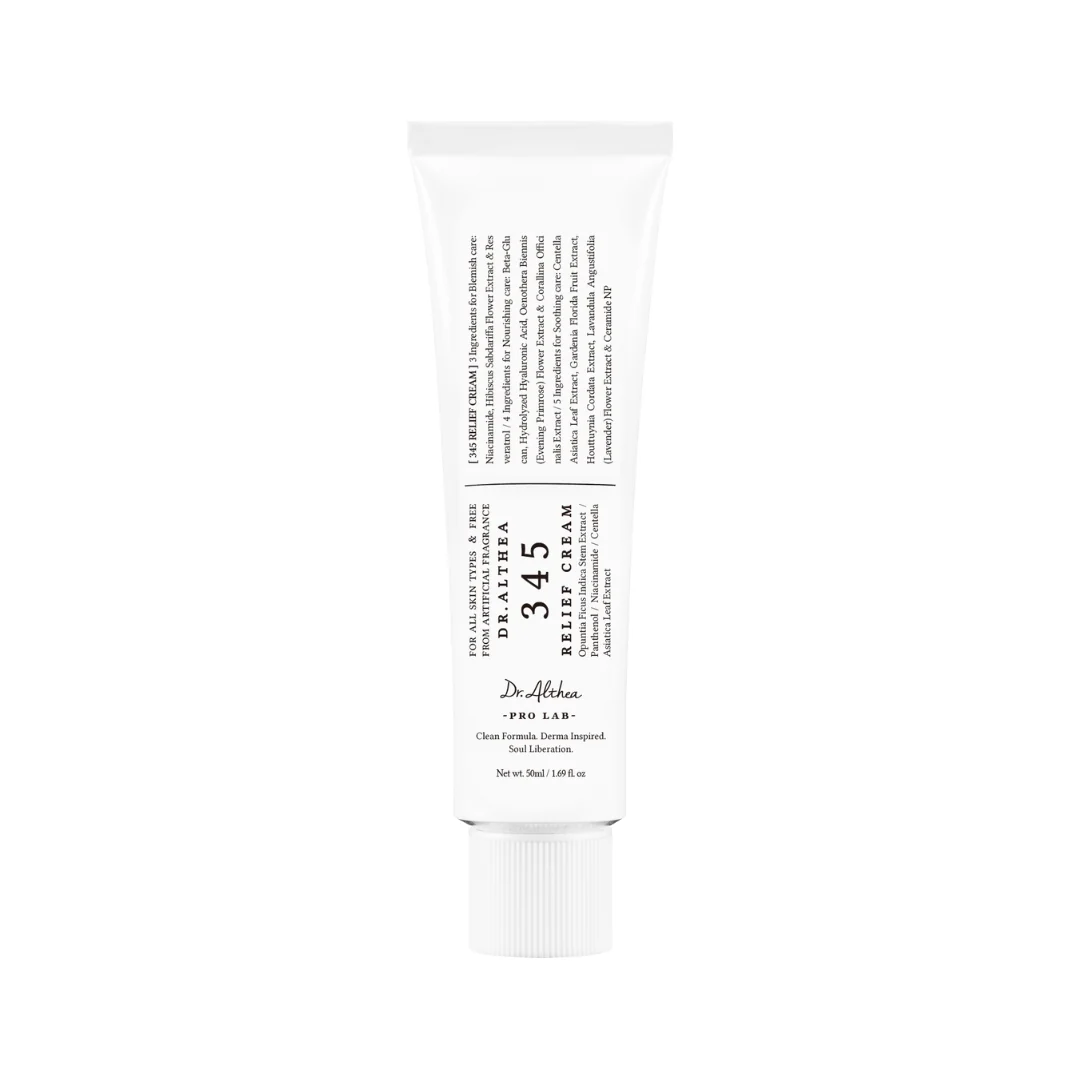
K-beauty got there first. Dr. Althea 345 Relief Cream is the category in miniature, a lightweight gel-cream folding niacinamide, resveratrol and centella into a soothing base for skin still sulking after a breakout. It’s the one I reach for when a breakout or an over ambitious week of actives has left my skin irritated. The texture is lightweight, sinking in fast without a greasy film, which makes it an easy morning moisturiser under SPF. On drier days, though, I’d want something richer at night.
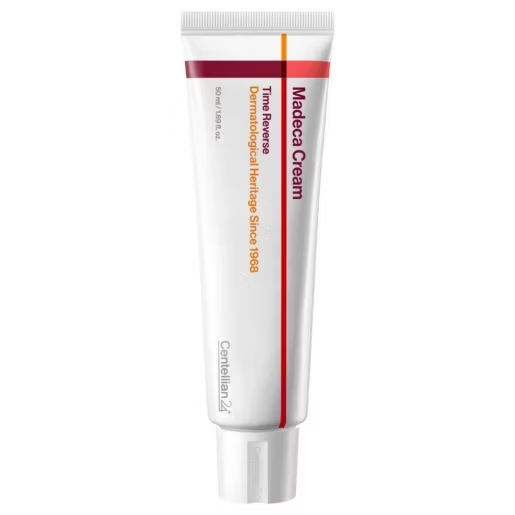
Centellian24 Madeca Cream Time Reverse takes cica to its logical extreme, with a dozen centella extracts in one jar. Its fine-lines pitch shows how quickly “recovery” starts moonlighting as anti-ageing.
The boring stuff works
Ask the experts what actually repairs a barrier and the answers are gloriously dull.
“Some of the least glamorous ingredients have the best evidence,” says Dr El Muntasar: petrolatum, glycerin, ceramides, cholesterol. Cosmetic surgeon and aesthetics specialist Dr Paul Banwell agrees. “You really don’t need a long list of fashionable ingredients, particularly when the skin is already irritated.” Dr El Muntasar also favours fragrance-free formulas, so read the back of the jar.
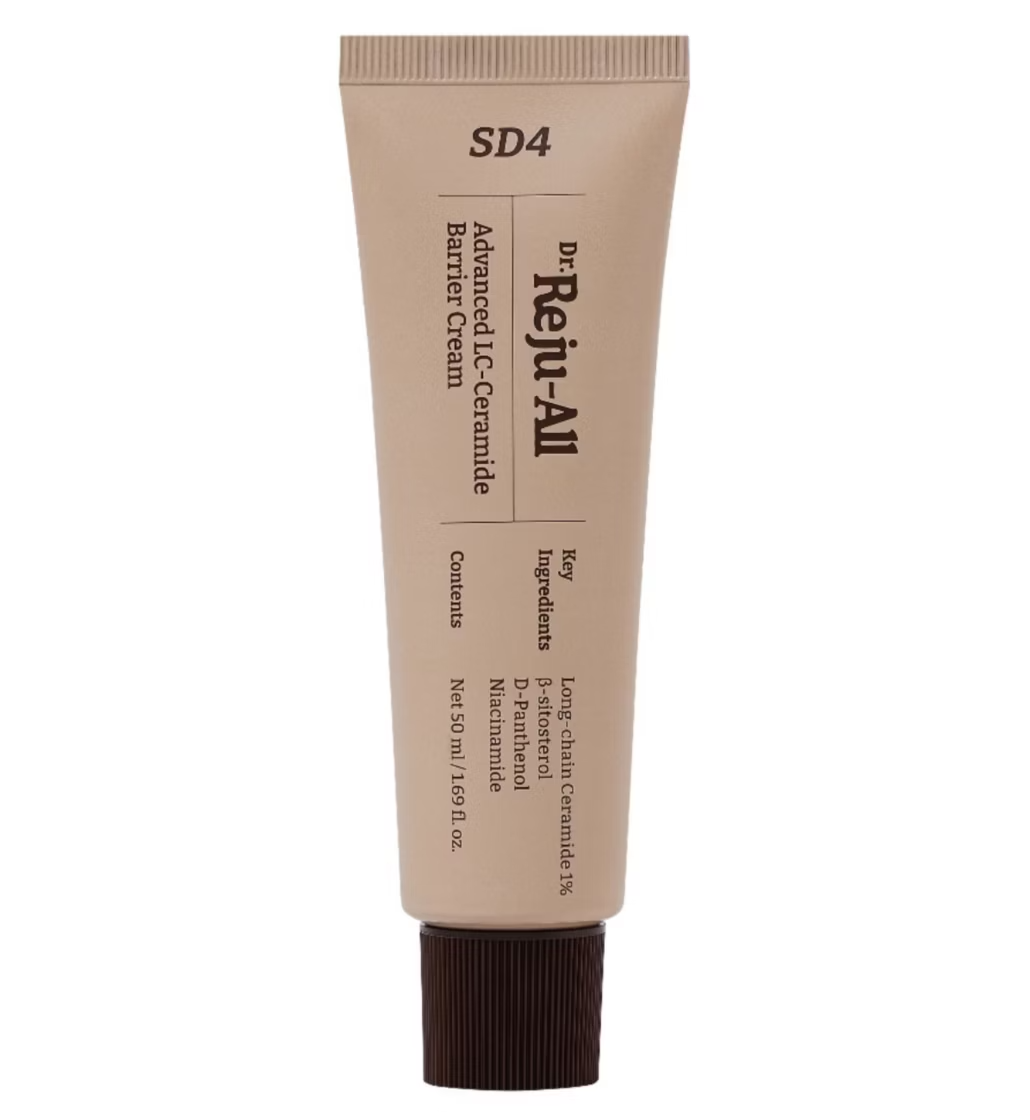
Which is why the most convincing product here may be the dullest. Dr.Reju-All Advanced LC-Ceramide Barrier Cream skips the buzzwords entirely: long-chain ceramides, panthenol, niacinamide, no fragrance. On paper, it’s the closest thing in this edit to what both doctors described.
About that salmon DNA
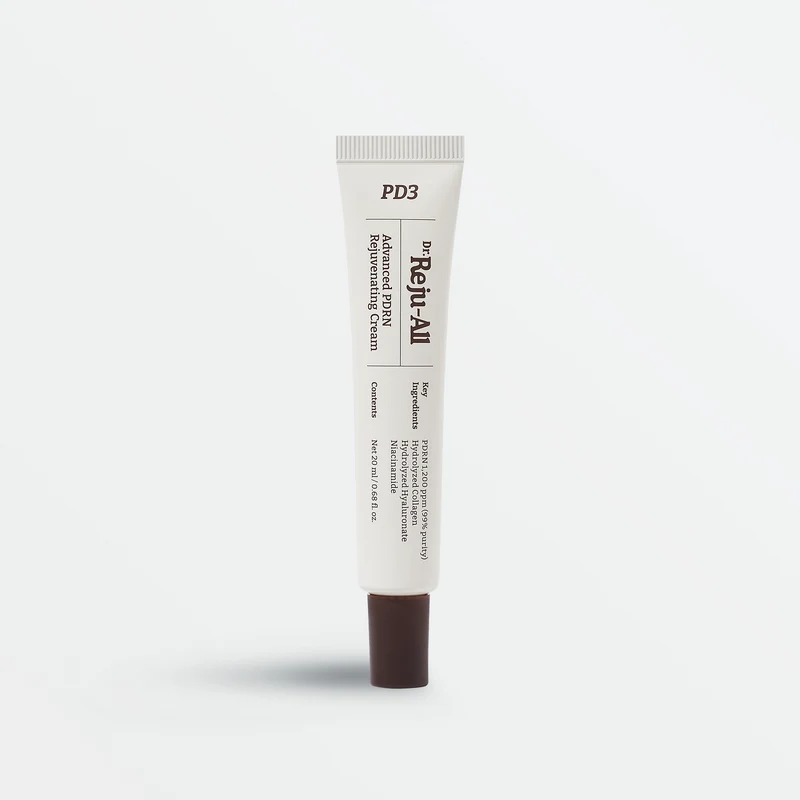
PDRN, or polydeoxyribonucleotide, is fragments of DNA usually taken from salmon. It made its name in Korean injectable skin boosters and is now the ingredient every moisturiser wants on its box. Dr.Reju-All Advanced PDRN Rejuvenating Cream uses the traditional salmon-derived version, cushioned by glycerin, niacinamide and hyaluronic acid.
Mario Badescu Advanced Peptide PDRN Jelly Cream swaps fish for heartleaf, in a bouncy pink jelly with Matrixyl 3000 peptides.
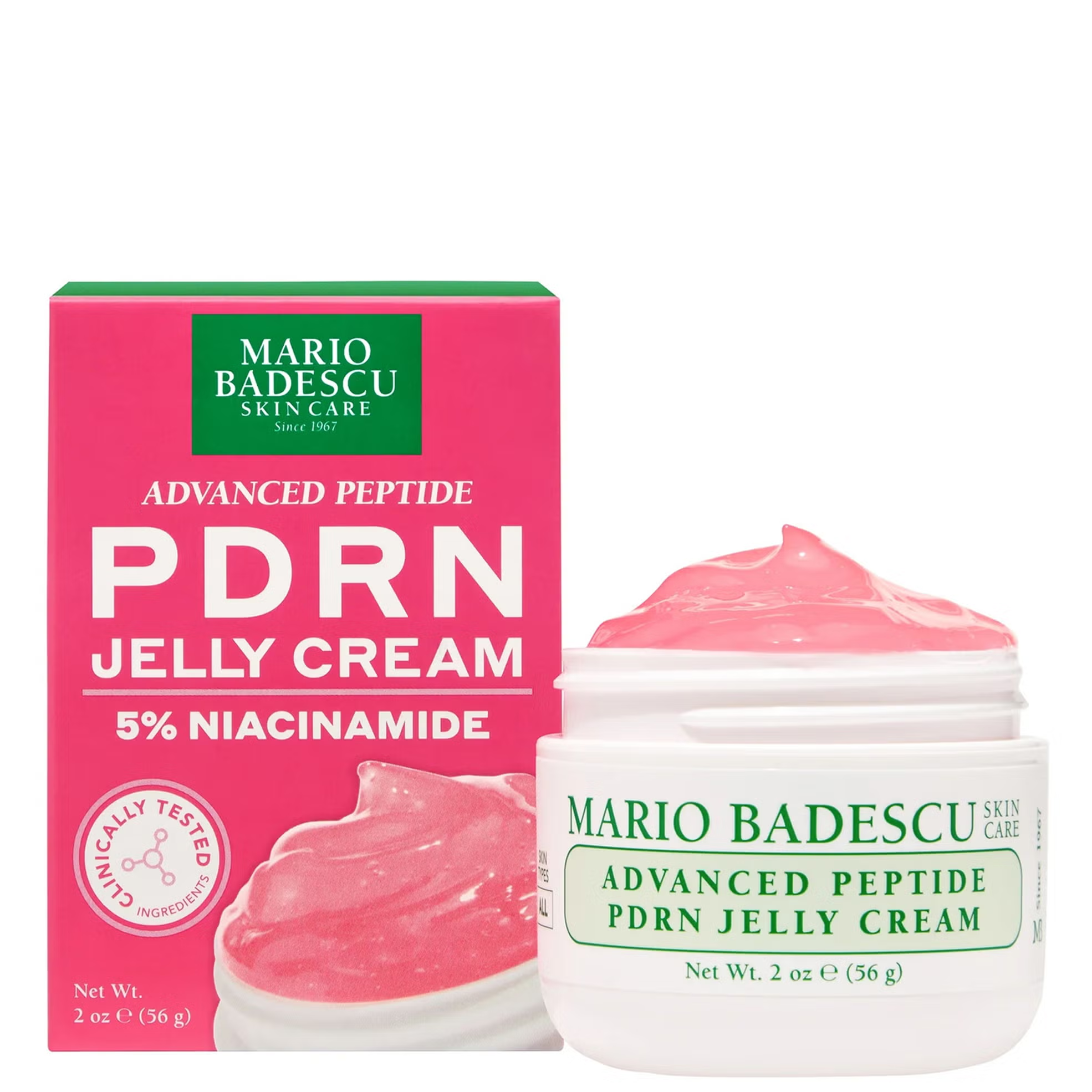
The doctors are sceptical, and not quietly. “Marketing has moved somewhat faster than the evidence,” says Dr El Muntasar, pointing out that large DNA fragments struggle to get through intact skin. Dr Banwell is wary of any cream implying injectable results, and of plant PDRN in particular: “I wouldn’t automatically assume it is equivalent.” Both creams are full of proven moisturisers anyway, so if your skin feels better, PDRN is probably sharing the credit.
The original recovery cream
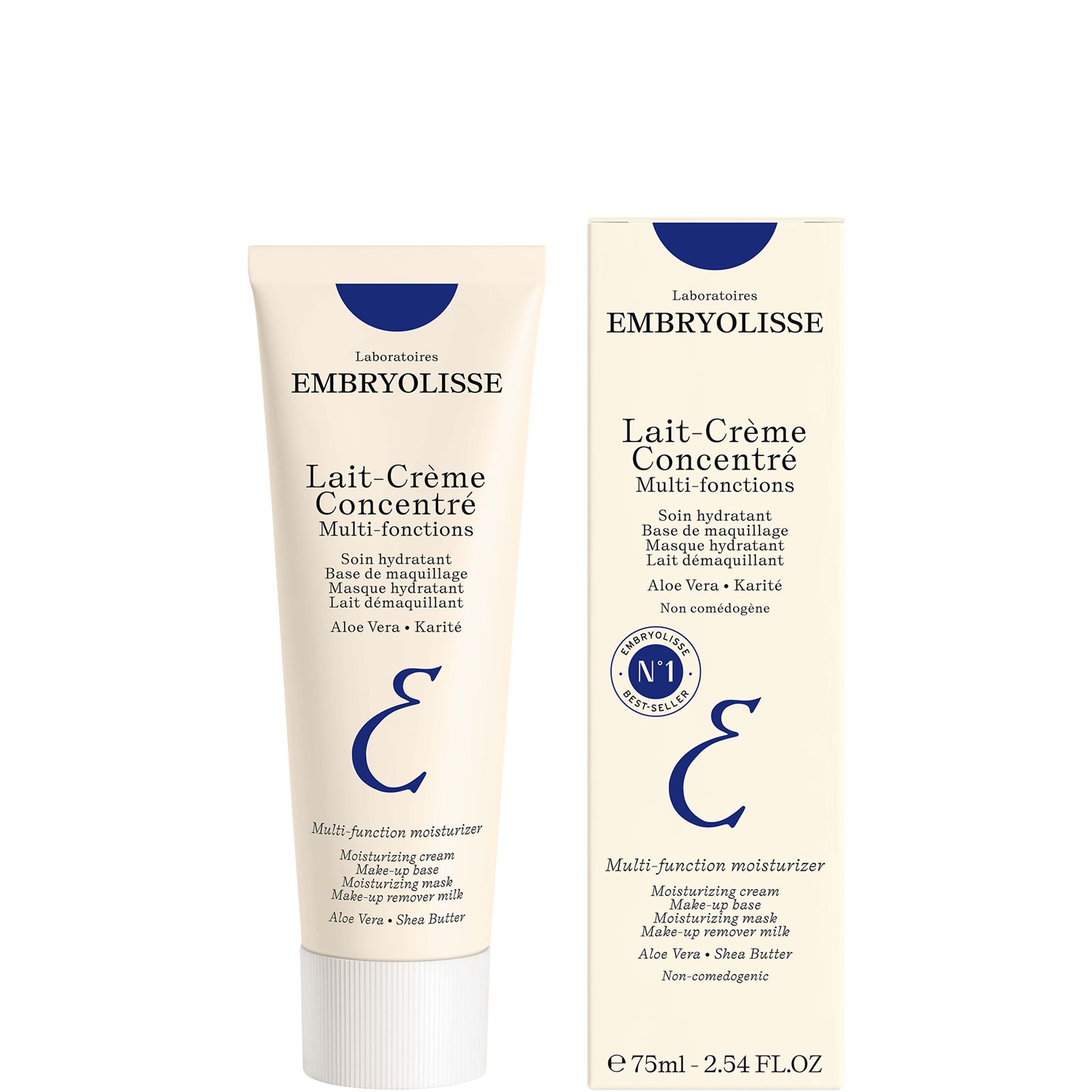
Long before anyone used the term, there was Embryolisse Lait-Crème Concentré. A Paris dermatologist created it in 1950 for patients with severely dry skin, and make-up artists have kept it in their kits ever since. Shea butter, beeswax, aloe, soy. No PDRN, no cica, no campaign. It works as a moisturiser, a make-up primer and, in a pinch, a make-up remover, and a little goes a long way. One caveat for reactive skin: it’s lightly fragranced.
“In many cases, a simple, well-formulated moisturiser can do exactly the same job as something with ‘recovery’ written on the jar,” says Dr Banwell. Nothing in this edit proves him wrong.
Do you need one?
If your skin is dry, sensitive, or adjusting to retinoids or a clinic treatment, a good barrier cream earns its place. (If it’s already stinging, start with our guide to fixing a damaged skin barrier.) Texture is the main decision. Oilier skin will get on with the Dr. Althea or the Mario Badescu, drier skin with the Dr.Reju-All barrier cream or the Embryolisse. For anything in between there’s Aestura Atobarrier 365 Cream Mist, a milky ceramide spray you can use over make-up whenever skin feels tight.
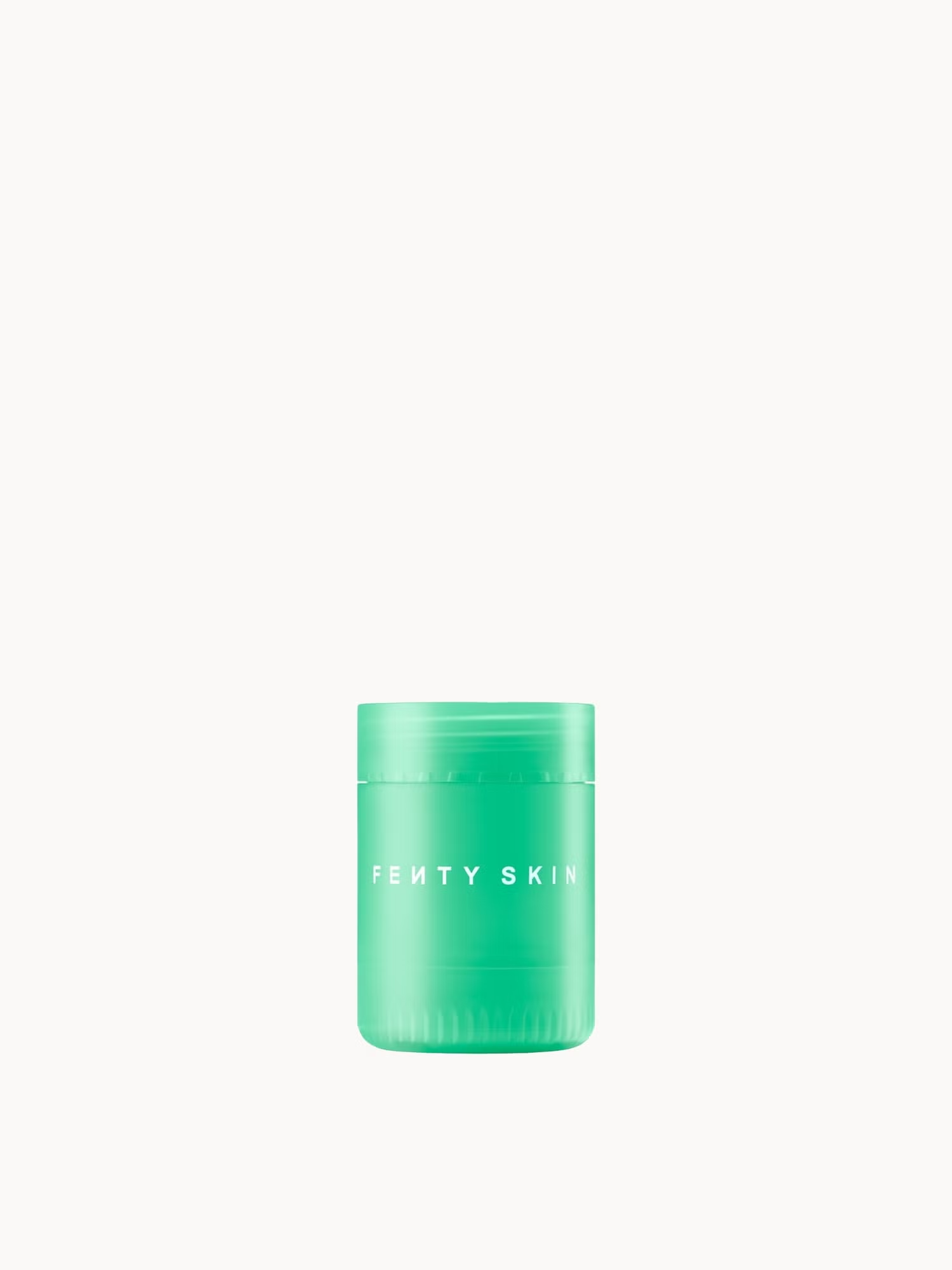
The word has travelled beyond the face, too, and on lips it makes rather good sense. Fenty Skin Plush Puddin’ Intensive Recovery Lip Mask is essentially the experts’ brief in balm form: coconut and castor oils to hold in moisture, and pomegranate sterols, a vegan alternative to lanolin, to support the lips’ moisture barrier. Apply a layer before bed and let it work overnight.
If your skin is comfortable already, you can skip the category altogether. And if your retinoid makes your face burn, no cream will fix that.
“Reduce the frequency or strength of the active, or give your skin a break altogether,” says Dr Banwell. “Skincare shouldn’t routinely hurt.” Anything that blisters, weeps or won’t settle belongs in front of a professional.
Beauty sold us the peels and acids, and now it’s selling us the cream to calm things down afterwards. Using the first a little less often might save you needing the second.