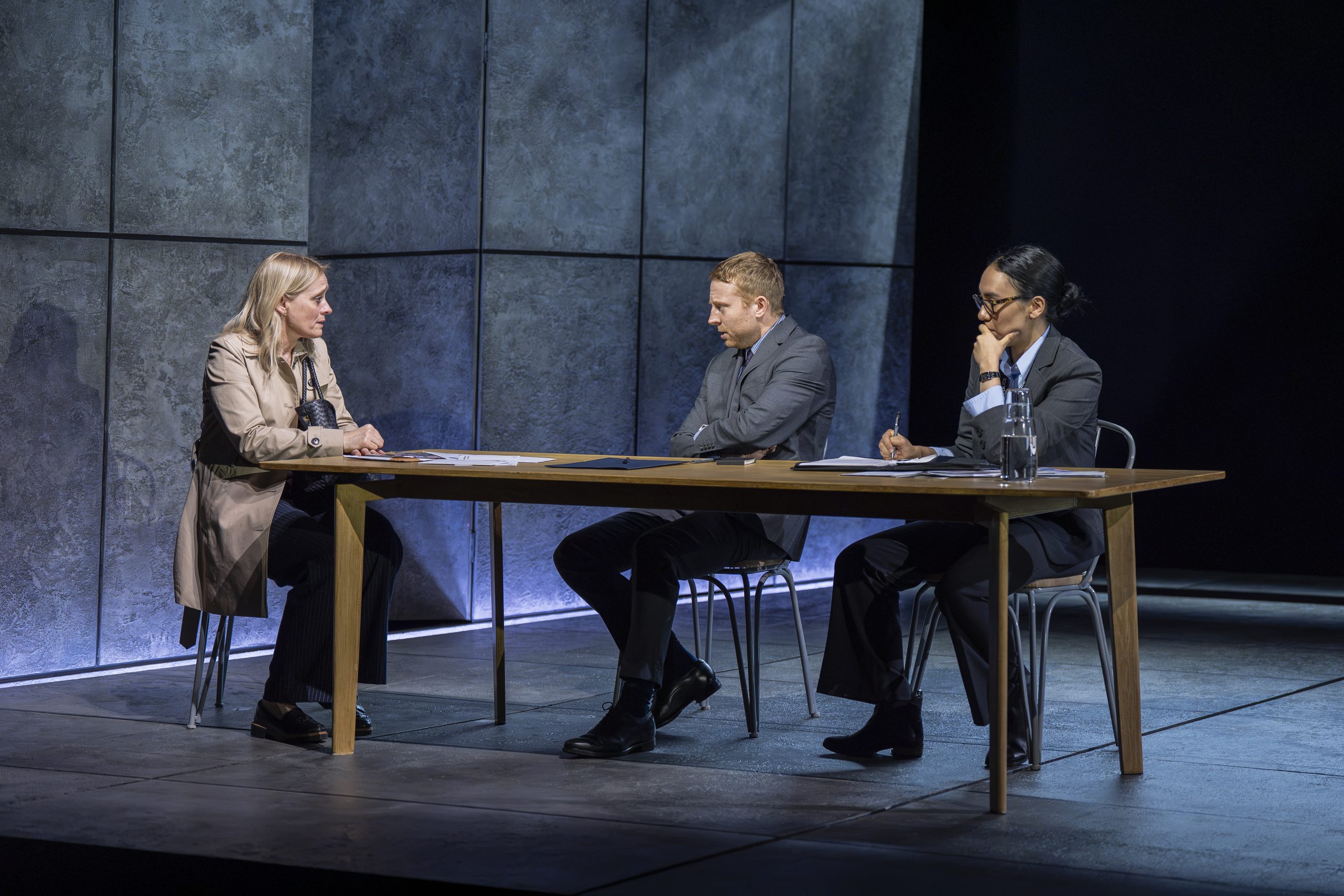
There is something rather fascinating about a play where the audience seems to have made up its mind long before the characters have. Some Woman, written by Helen Edmundson and directed by Blanche McIntyre at the National Theatre’s Dorfman Theatre, centres on an encounter on a station platform between Julie Robson, a woman used to being overlooked, and a teenage boy, Nathan, which prompts her to make a stand. It is essentially a story of conflicting accounts, a he-said-she-said situation where the truth initially seems straightforward. Yet, curiously, of the people I spoke to afterwards, not one seemed to have even considered the possibility that Nathan’s version of events might be true.
Perhaps that says something about the way the story is presented, or perhaps it says something about us as an audience.
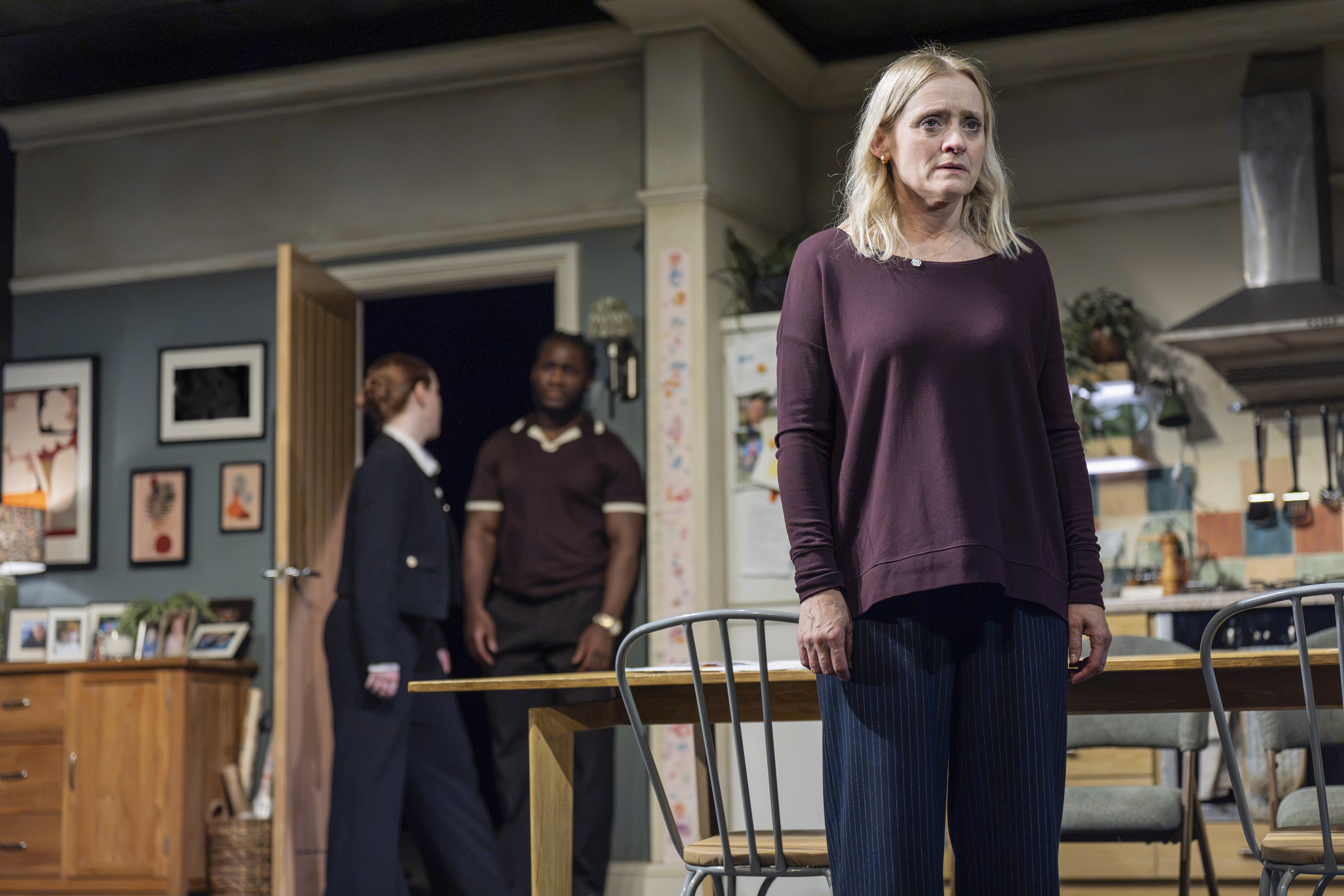
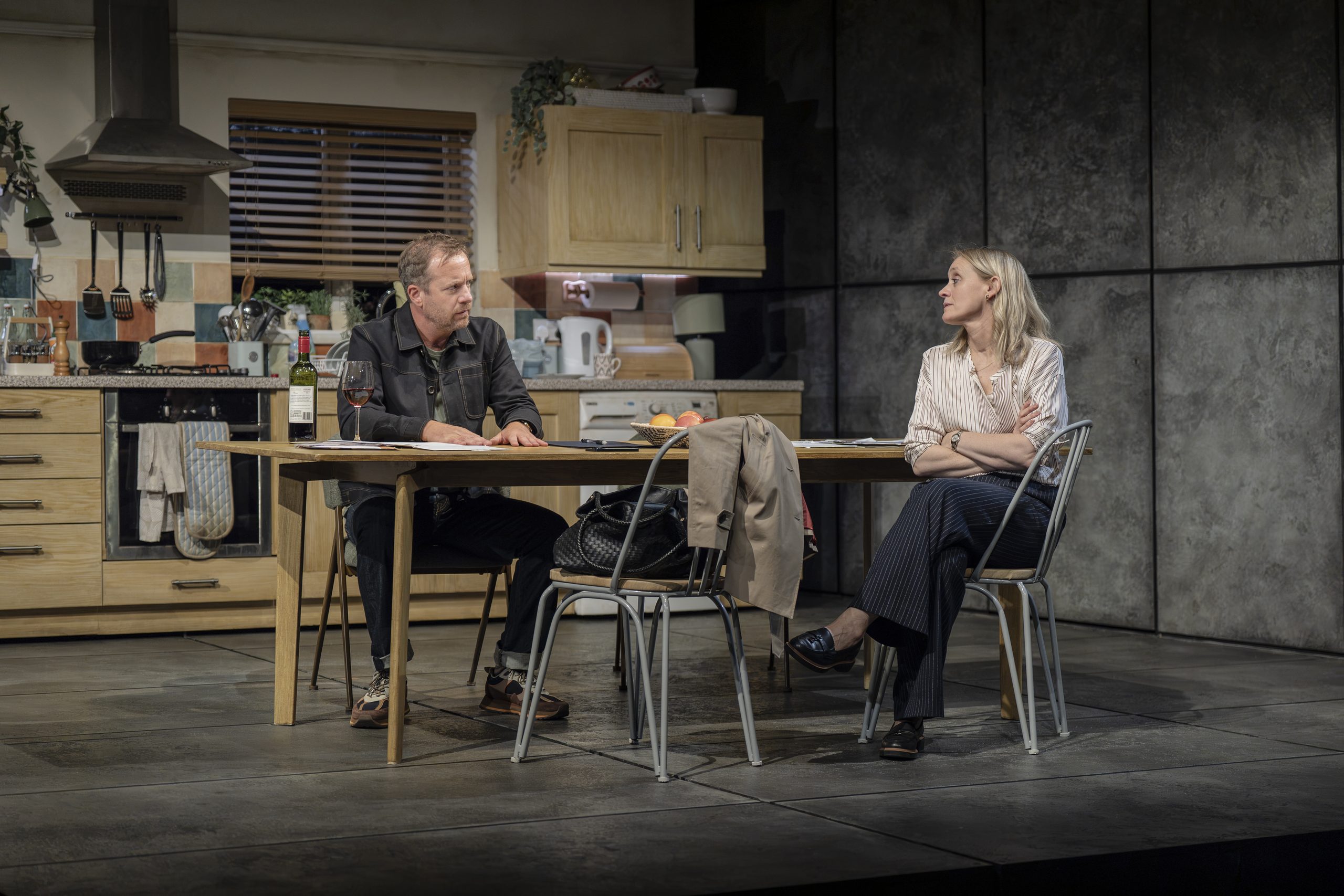
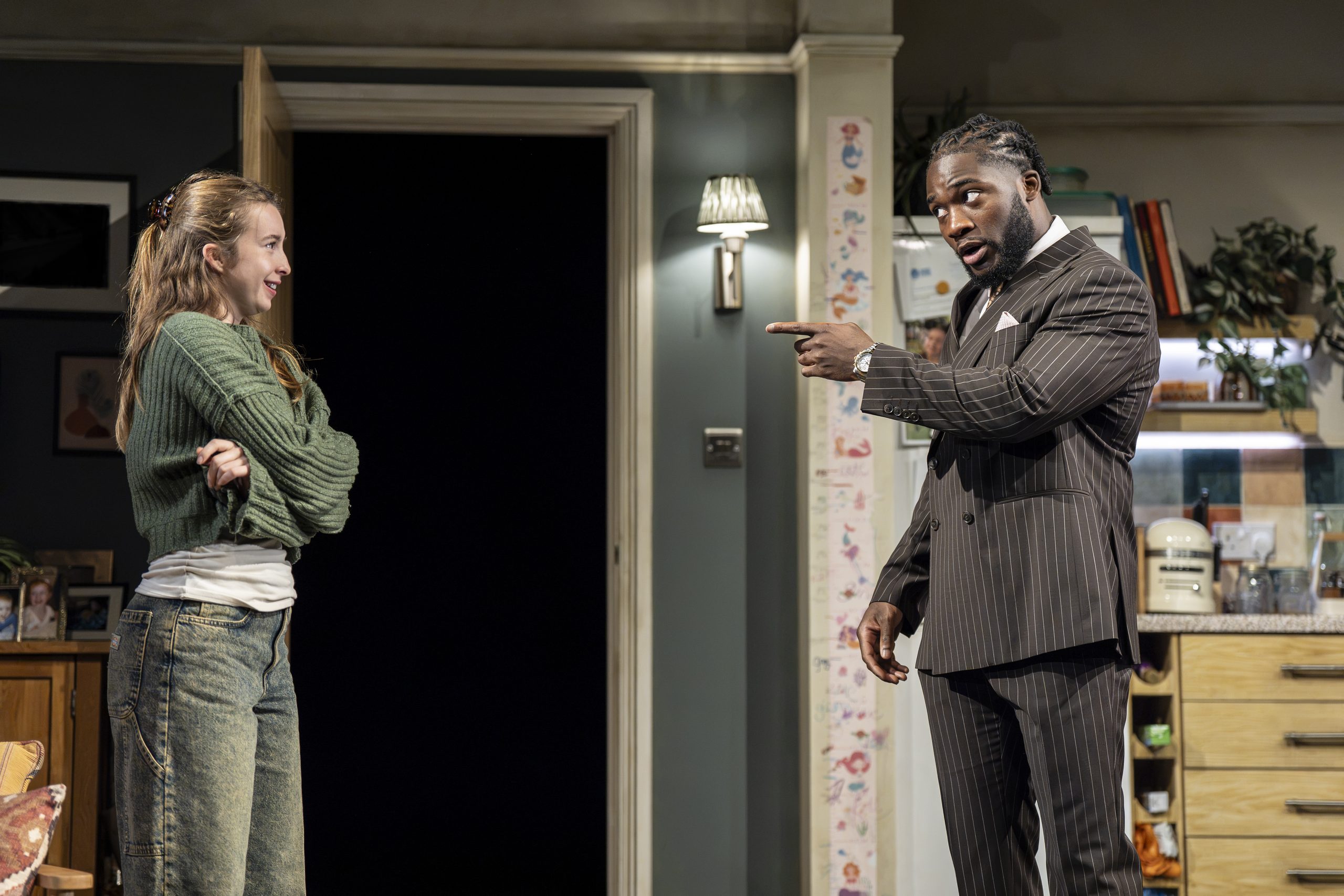
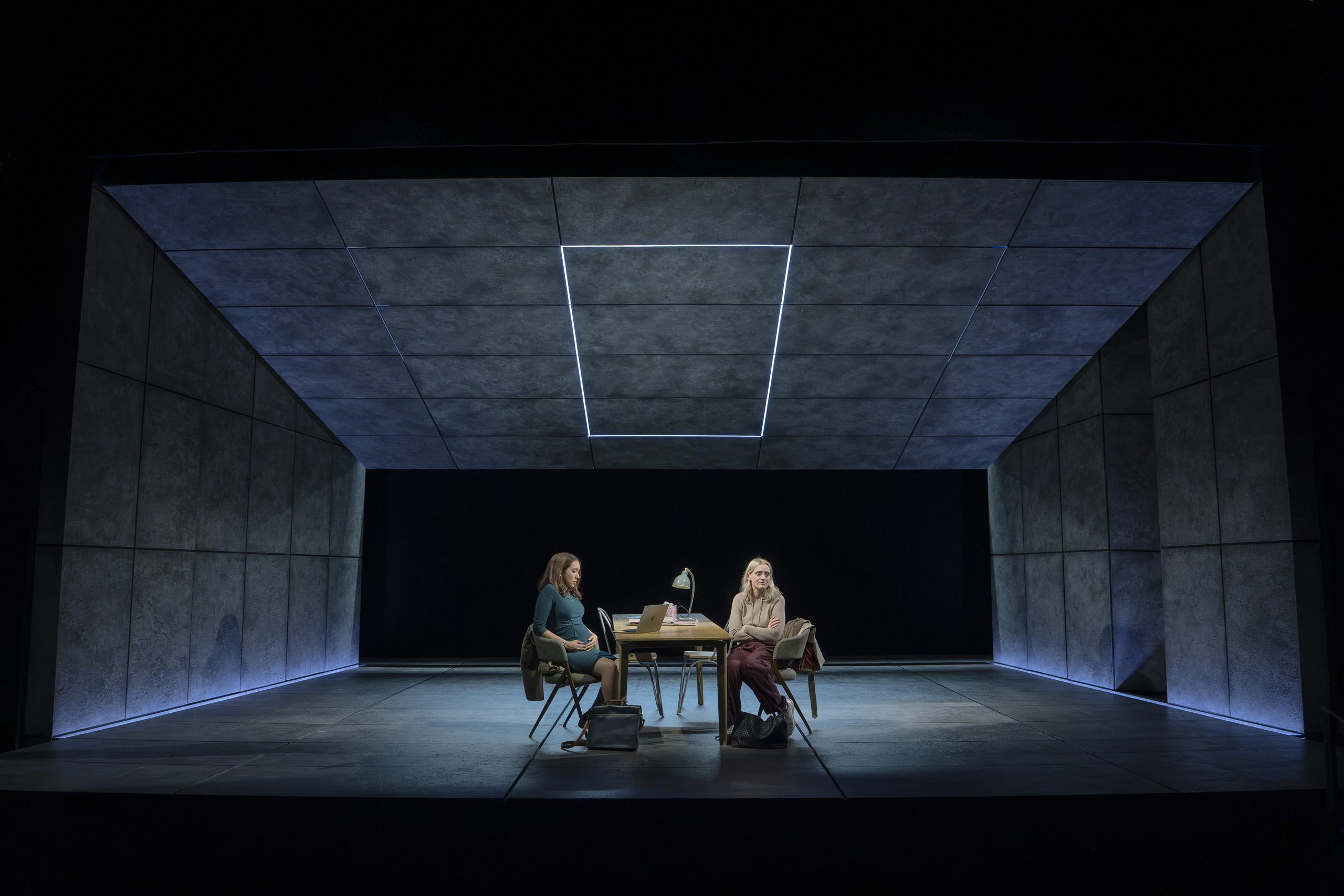
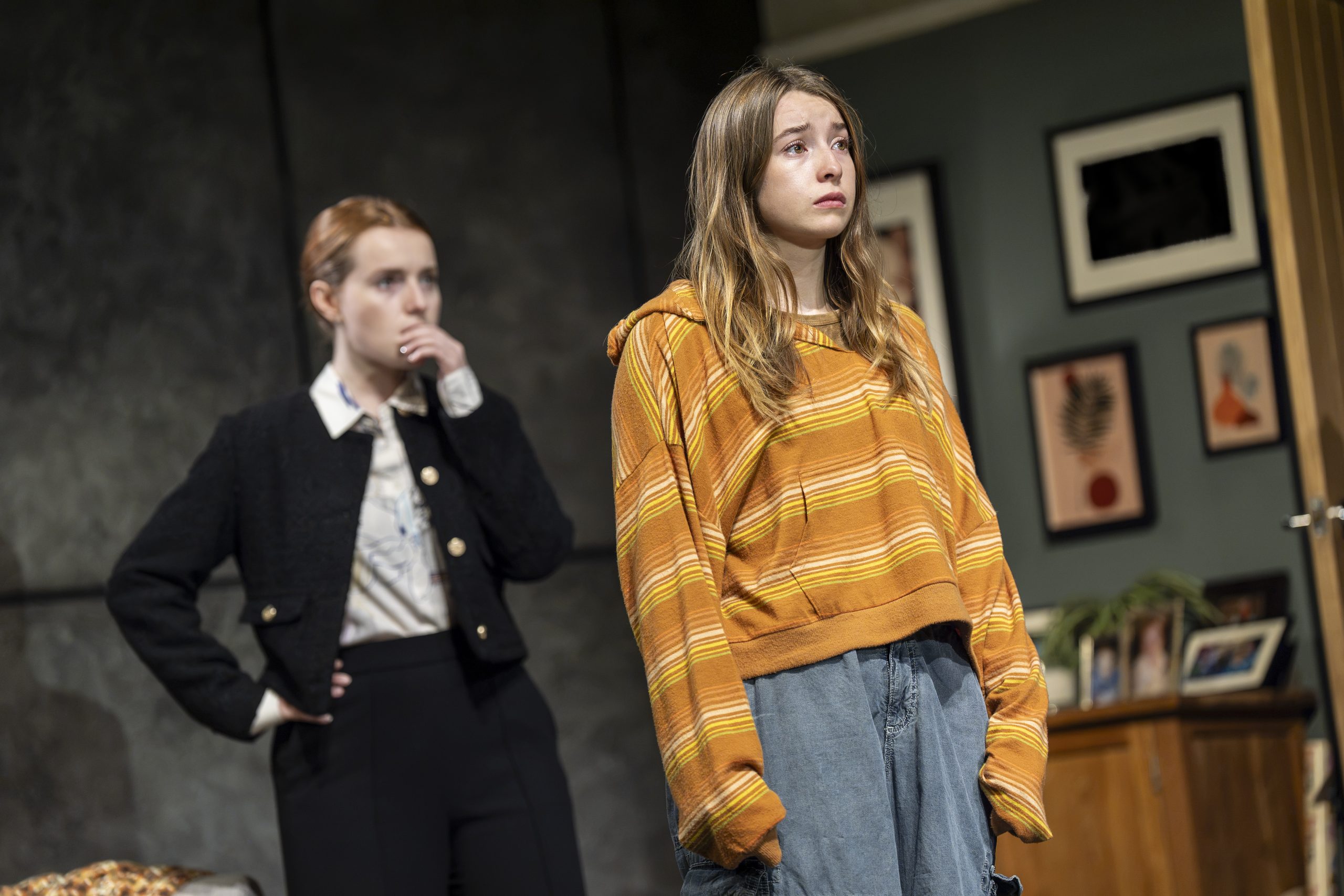
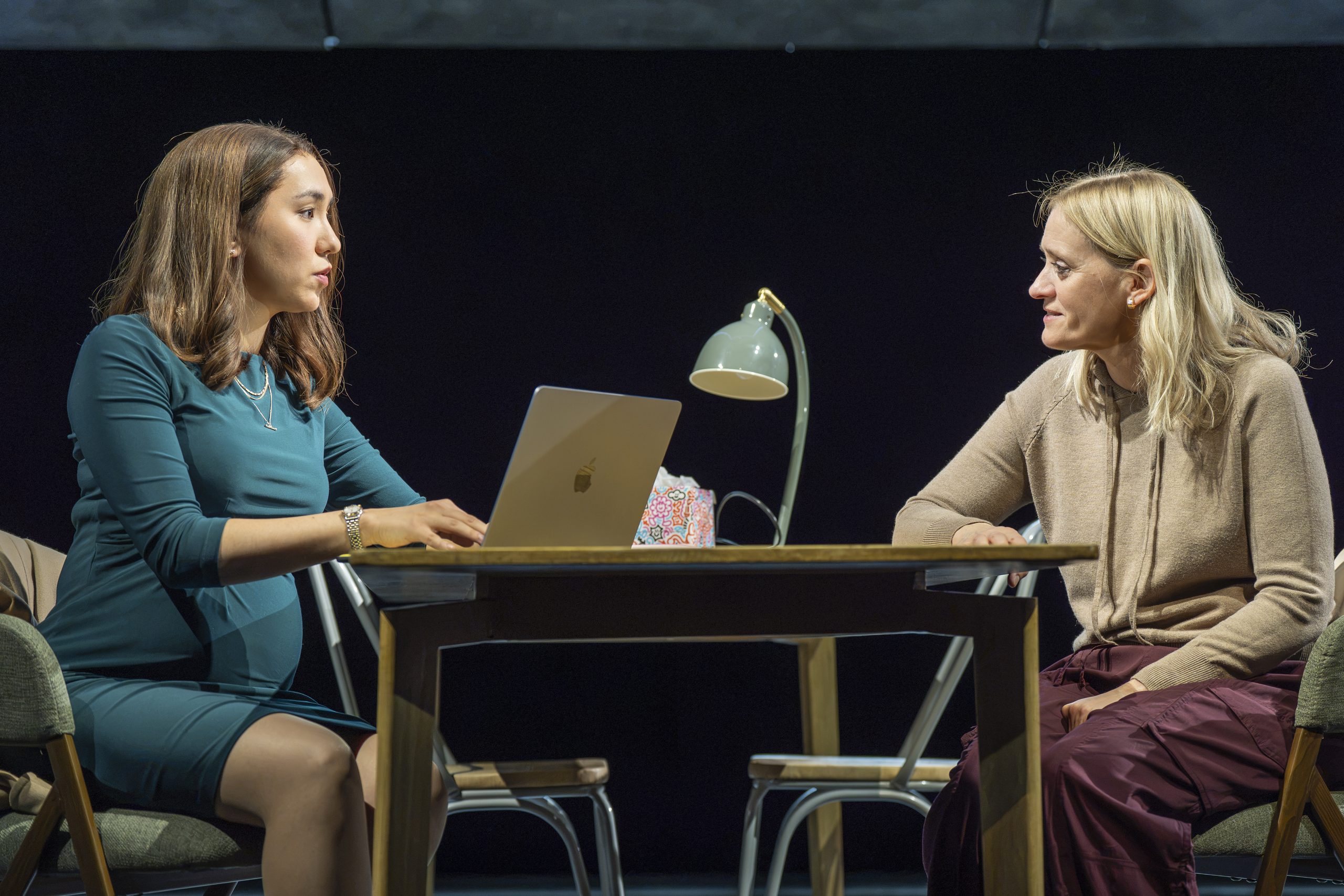
The first thing that strikes you is Robert Jones’s set: a modern, slightly cluttered kitchen, dining, and living area, complete with photographs, a fridge, and an abundance of cups, plates, and everyday household paraphernalia. It feels lived in, familiar, and entirely believable. The space is presented on a remarkably deep rake, with a forced perspective that draws your eye towards the back of the stage.
Strangely, the set is also cut off, almost as though we are looking at a cross-section of someone’s home. On one side, a painting is sliced in half, while on the other, cupboards disappear into the edge of the set. It is an interesting design choice, creating the impression that we are only seeing part of a much larger picture. Whether intentional or not, it seems rather fitting for a play in which we are never entirely sure how much of the story we are being allowed to see.
The production is beautifully presented and, more importantly, beautifully acted by the entire company.
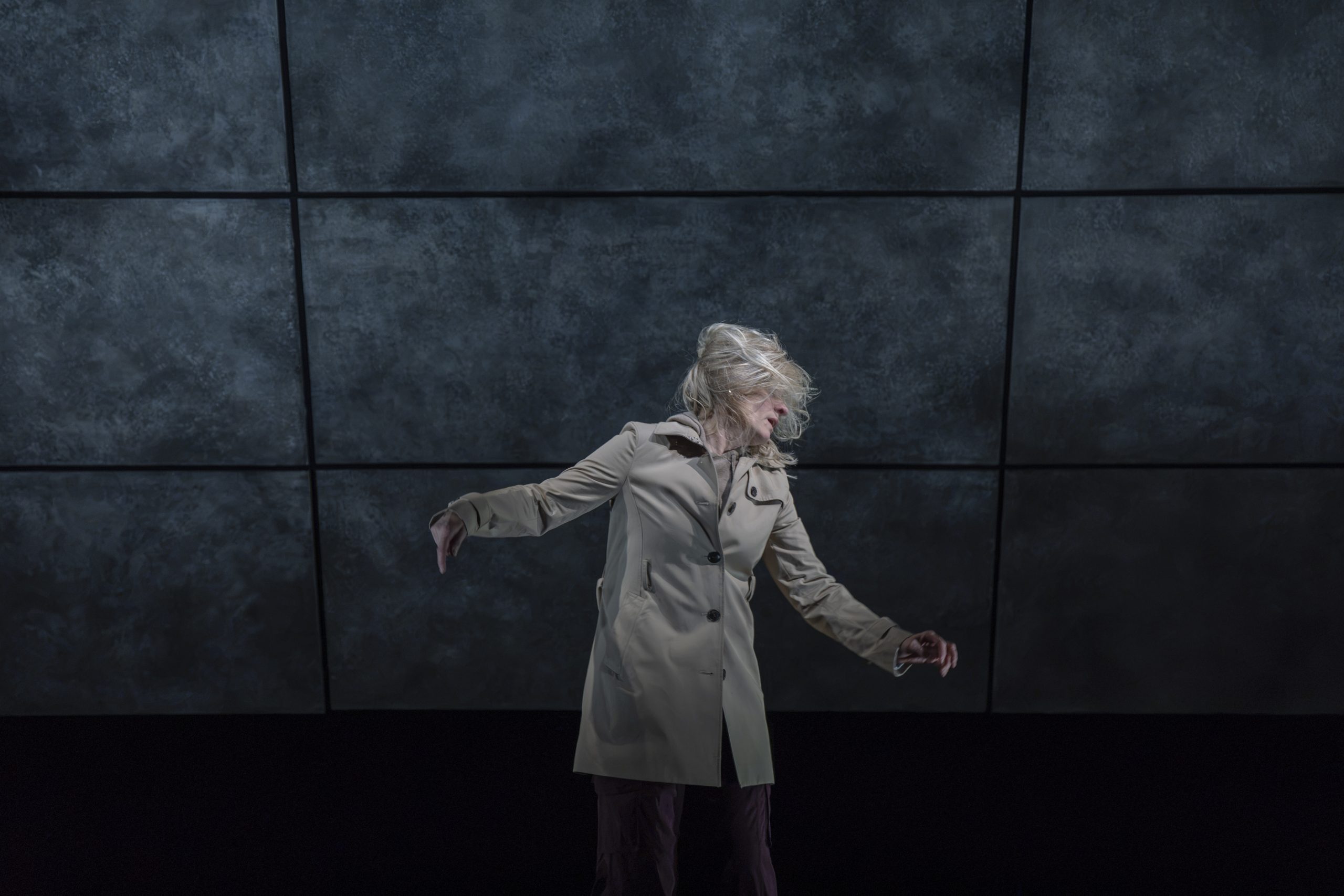
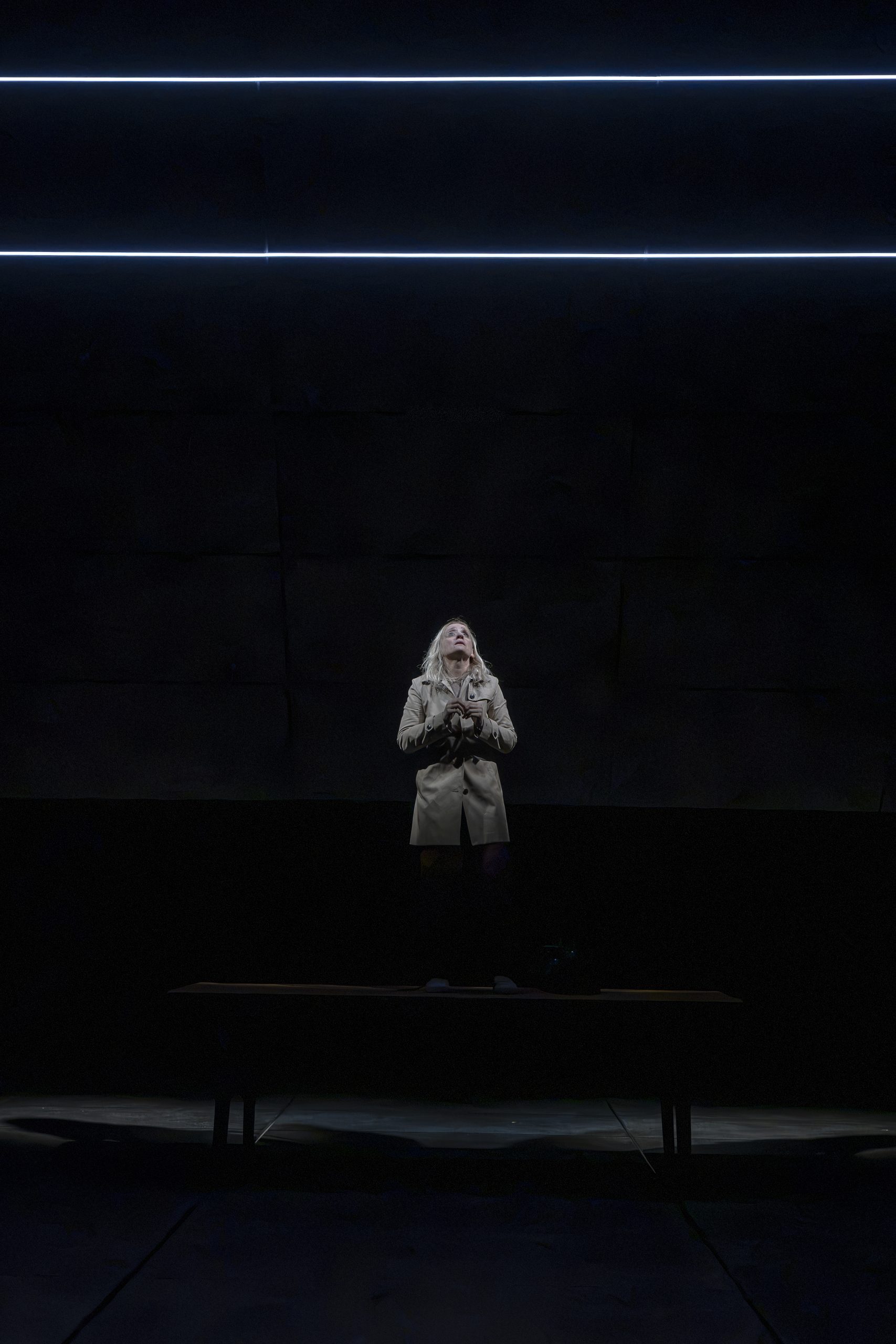
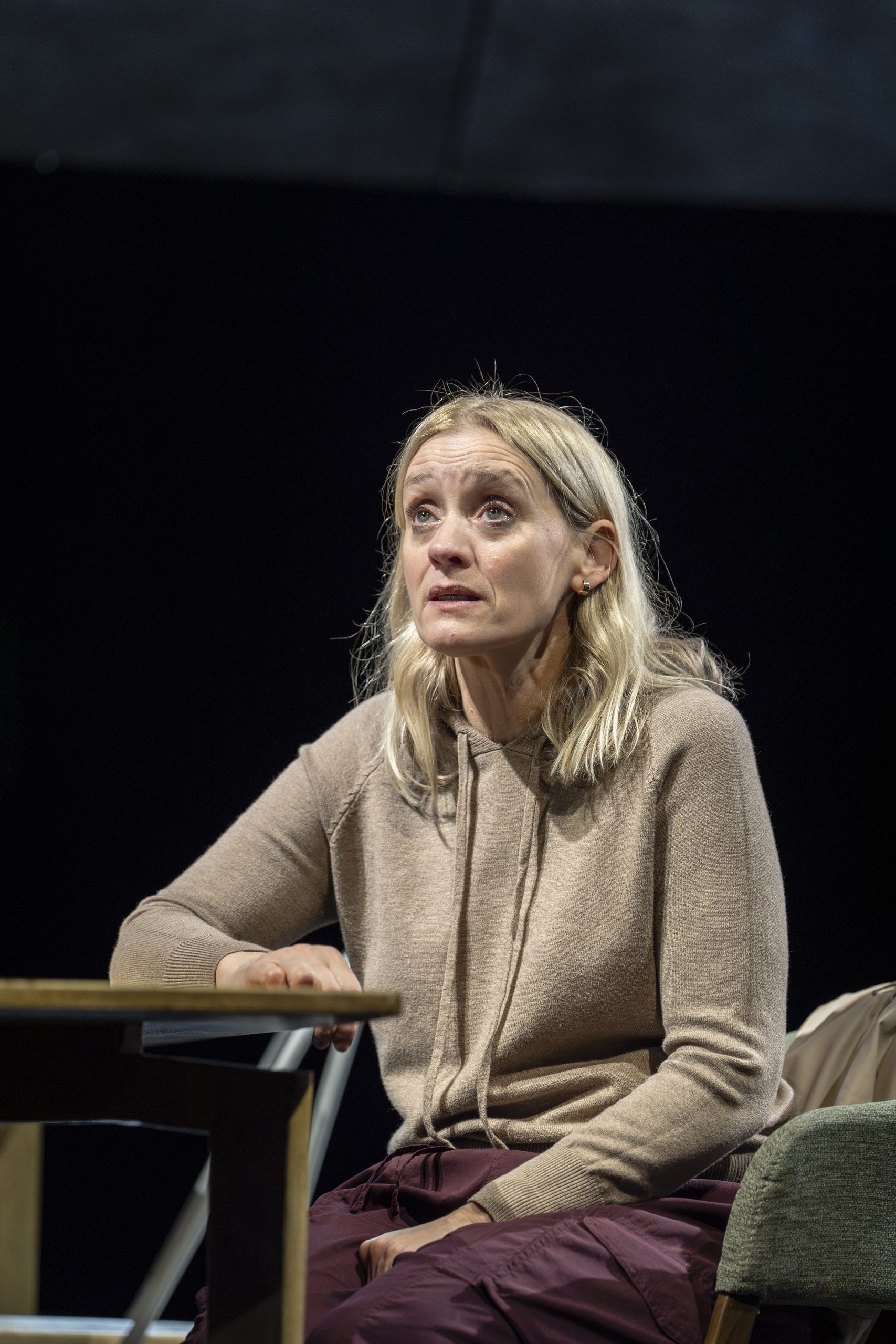
At its centre is Anne-Marie Duff as Julie, who carries an enormous amount of the production almost single-handedly. With barely a moment off stage, Duff gives a wonderfully measured performance, capturing both the vulnerability and bewilderment of a woman trying to navigate an increasingly uncomfortable situation. There is something particularly compelling about the way she allows the character’s uncertainty to emerge without ever making the performance feel forced. It is a remarkable piece of sustained acting, and one that holds your attention even when the writing takes its time getting somewhere.
The supporting cast are equally accomplished, with Tobi King-Bakare as Nathan and Geoffrey Streatfeild as Richard contributing to the increasingly complicated atmosphere.


However, for me, one of the most memorable performances comes from Daniel Millar as Mr Dunster, Nathan’s father. What an entrance, and what a wonderfully uncomfortable character.
Millar is absolutely superb. Every movement, every pause, and every carefully judged interaction seems to change the atmosphere in the room. You can almost feel the audience shifting in their seats as his presence begins to dominate the stage. He manages to make the situation deeply uncomfortable without resorting to anything unnecessarily theatrical. It is all in the detail, and it is quite extraordinary to watch.
This is good theatre.
His arrival marks the point at which the production really begins to shift gears. Until then, Some Woman is very much a slow burner, asking its audience to sit with the characters, listen carefully, and gradually piece together the bits of information. Once Mr Dunster appears, however, the tension increases considerably, and suddenly everything feels rather more urgent.
My main reservation is that it takes quite a long time to reach this point.
Running at approximately one hour and fifty minutes without an interval, the production occasionally feels longer than it needs to. Whether this is a consequence of the writing or simply the sustained nature of the performance is difficult to say. There are certainly moments when I felt the pace could have been tightened without sacrificing any of the emotional complexity.
In defence of the decision to perform without an interval, I suspect that had there been one, we might have lost a few audience members along the way. This is not a production that delivers constant dramatic fireworks. Instead, it requires patience, asking you to appreciate the quality of the performances while waiting for the story to reveal its hand.
I also found some of the scene changes unnecessarily elaborate. There is a considerable amount of automation, moving scenery, and flying elements, all of which are technically impressive, but I was not always convinced they were necessary. At times, a simple flown backdrop might have achieved much the same effect. For a production whose greatest strength lies in the intimacy and detail of its acting, some of these transitions felt a little overcomplicated.
The ending, too, left me with mixed feelings.

The ending leaves things open, which seems entirely appropriate for a story built around uncertainty and conflicting perspectives. There is something rather satisfying about walking away from a theatre still debating what you have witnessed.
However, I really did not like the final line.
I can understand what I assume was the intention: an attempt to reclaim a negative word and turn it into something empowering. Unfortunately, for me, it did not feel consistent with the character we had spent the previous hour and fifty minutes getting to know. Rather than strengthening the conclusion, I felt it undermined what could otherwise have been a much more powerful ending.
There is a great deal to admire here. Blanche McIntyre has assembled an excellent company, and the production benefits enormously from the subtlety and intelligence of its performances. Duff is captivating throughout, while Millar’s late arrival provides some of the most electrifying moments of the evening.
Some Woman may require a little patience, and I am not convinced every theatrical decision is entirely necessary. Above all, it is a reminder that sometimes the most compelling drama comes not from what is said, but from the uncomfortable silences, uncertain glances, and things left unresolved.
And those are the moments that stay with you.
Some Woman is playing at the National Theatre’s Dorfman Theatre until 21 November 2026.
Book tickets at nationaltheatre.org.uk
Words by Valentine Gale-Sides
Photography by Ellie Kurttz