
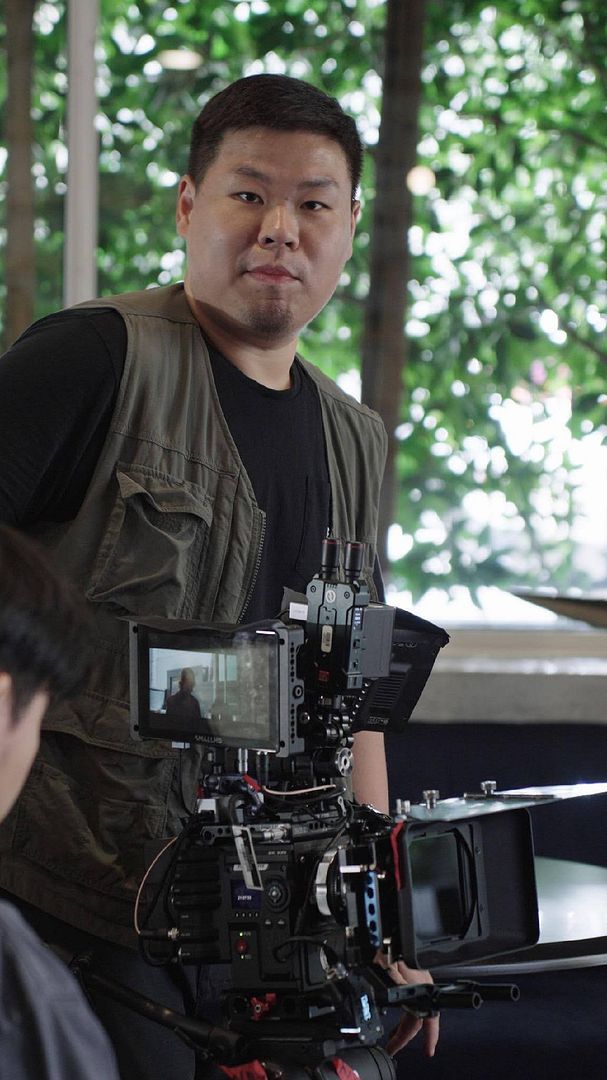
In the relentless scroll of short-form vertical drama, where audiences decide in seconds whether to stay or swipe away, few cinematographers have shaped the visual language of the format as decisively as Hao Wei Yen. As Director of Photography on a string of massive hits, “Accidentally Slept with the Young Mafia Boss,” “One Last Heartbeat: If You Never Heard,” and “The Romantic Theory of Us”, Yen has helped deliver tens of millions of views while proving that speed and artistry need not be opposing forces. His work demonstrates a rare combination of technical precision, emotional intuition, and collaborative leadership that has become a quiet benchmark in the mobile-first storytelling space.
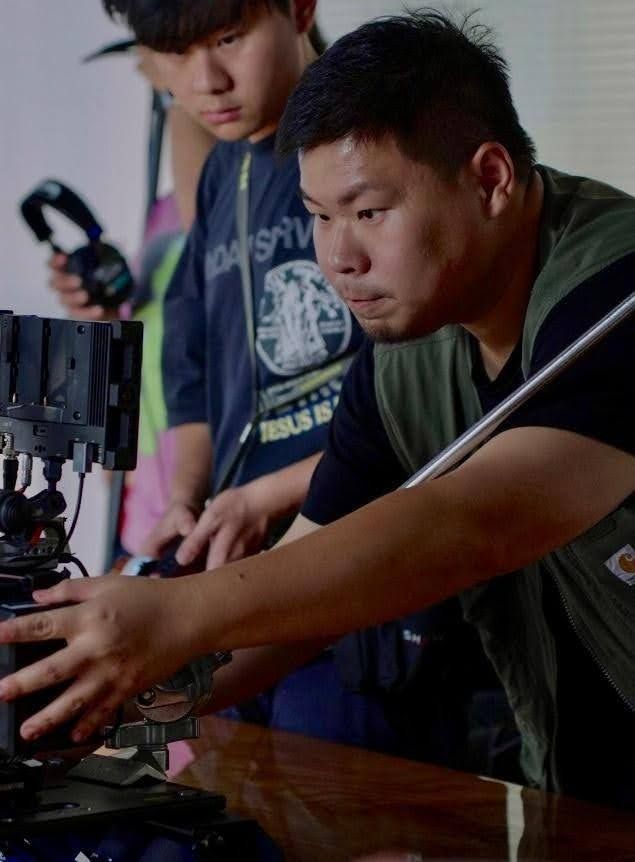
Yen’s approach begins, always, with the script. He identifies the emotional core of each scene and then draws on a deep love of cinema to find the visual language that will amplify it, quality of light, camera movement, framing. What sets him apart is the practical fluency he brings to execution. Having previously worked as a gaffer and camera operator, he speaks the language of his lighting and camera teams without translation. He knows where every light should sit, which fixtures suit which effects, and how long each setup will take with flags and diffusion. That knowledge allows him to plan both the look and its time cost in pre-production, protecting schedule without sacrificing intention. On set he prioritizes natural light whenever possible, reducing grip and-electric demands while preserving image quality and often letting the crew wrap early. The result is a process in which clarity in preparation becomes the engine of speed.
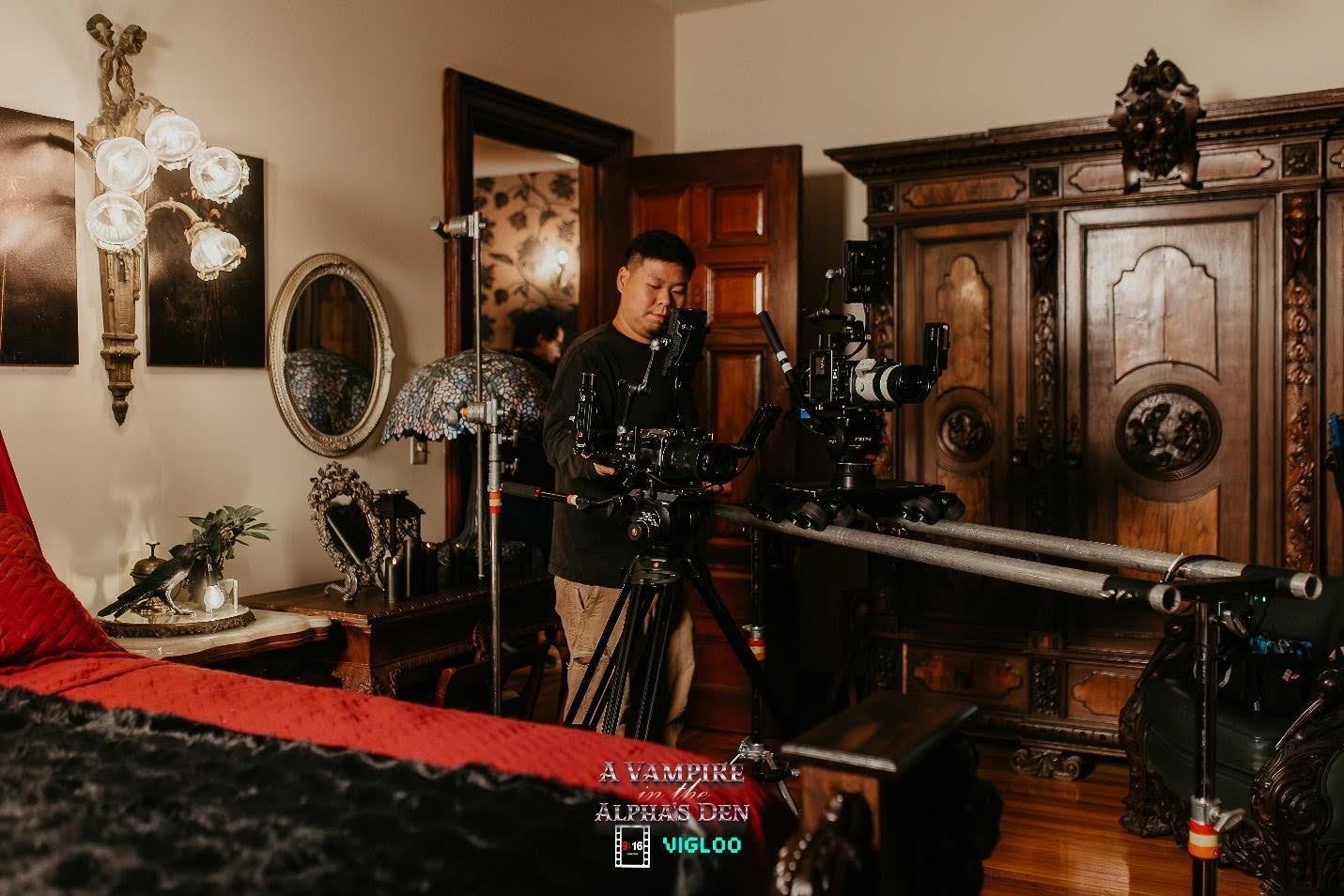
The vertical 9:16 frame, often dismissed as a limitation, is treated by Yen as a distinct creative territory. With horizontal space restricted, camera height, angle, and actor blocking become critical; a small misstep can push a performer out of frame. Yen’s response is rigorous preparation. He confirms blocking and frame boundaries with the director, operator, and cast before cameras roll, ensuring compositions remain intentional rather than corrected in post. He designs for the tall frame itself, favoring faces, body language, and precise positioning so that close-ups and two-character scenes gain unusual intimacy. “I don’t want it to feel like we just took a widescreen image and cropped it into vertical,” he has said. Once the team begins thinking and moving specifically for 9:16, the format becomes an advantage: a focused stage for emotion rather than a cropped afterthought.
That same precision underpins his leadership on projects that have reached tens of millions of viewers. The pressure of such numbers, Yen notes, can heighten investment across the cast and crew; everyone wants to contribute to something that matters. Disagreements inevitably arise when people care deeply. His role is not to eliminate every difference of opinion but to refocus attention on the shared goal of the best possible project. By communicating in the practical language of lighting and camera, and by making decisions early and clearly, he creates an environment in which the team can execute quickly and accurately. The collaborative tone extends beyond the camera department. During location scouts he works with production design on practical lighting placement and set dressing priorities, ensuring only what the camera will see receives full attention. With wardrobe he considers fabric texture and reflectivity, adjusting light angles to avoid unwanted glare on glasses or continuity problems. These conversations, conducted early, free the shooting day for performance and storytelling rather than problem-solving.
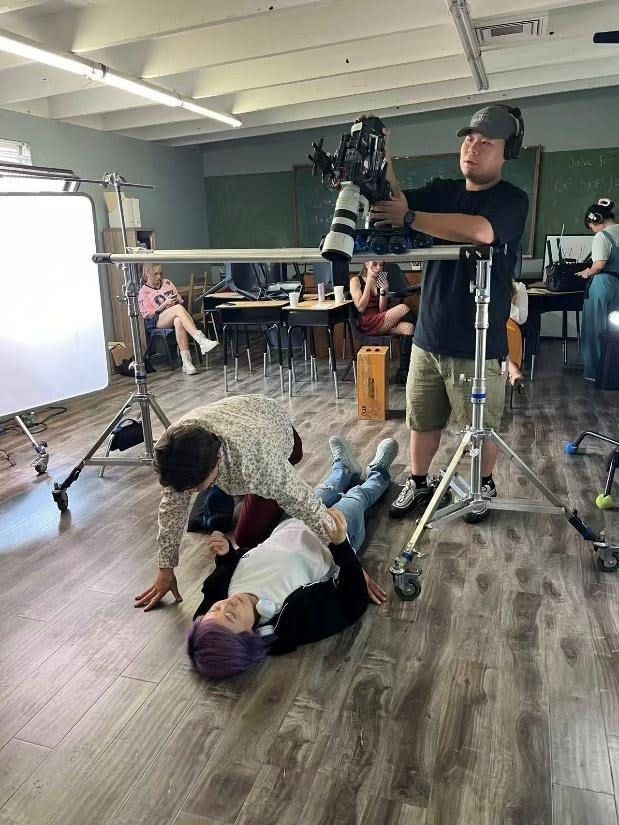
Each of the three flagship projects reveals a different facet of Yen’s visual intelligence. “One Last Heartbeat: If You Never Heard” follows a hearing-impaired protagonist, Lena, whose world is defined by isolation, judgment, and a longing for connection. Yen kept the overall tone dark, mixing tungsten and daylight sources of differing color temperatures so that the contrast itself expressed his inner state, warmth sought against cold distance. Dolly moves and Dutch angles in moments of tension allowed the camera to reflect his emotional experience rather than merely record events. The goal was not simply to inform the audience that Lena cannot hear, but to make them feel the loneliness and the quiet hunger for warmth that define his journey. The series reached 90.3 million views.
In “Accidentally Slept with the Young Mafia Boss,” which accumulated an extraordinary 109 million views, Yen balanced mafia-style danger with romance. A warehouse rescue sequence was shot primarily handheld to place the audience inside the physical urgency. Select close-ups at 120 frames per second, combined with controlled camera movement, gave post-production room to shape emotional beats without diluting intensity. High-contrast lighting and created firelights heightened the sense of scale and threat; the same warm practical source later shifted, once the rescue succeeded, into something more intimate and romantic. Rather than changing the entire visual system, Yen allowed a single element to carry opposing emotional weights, an economical and elegant solution that mirrored the story’s dual tones.
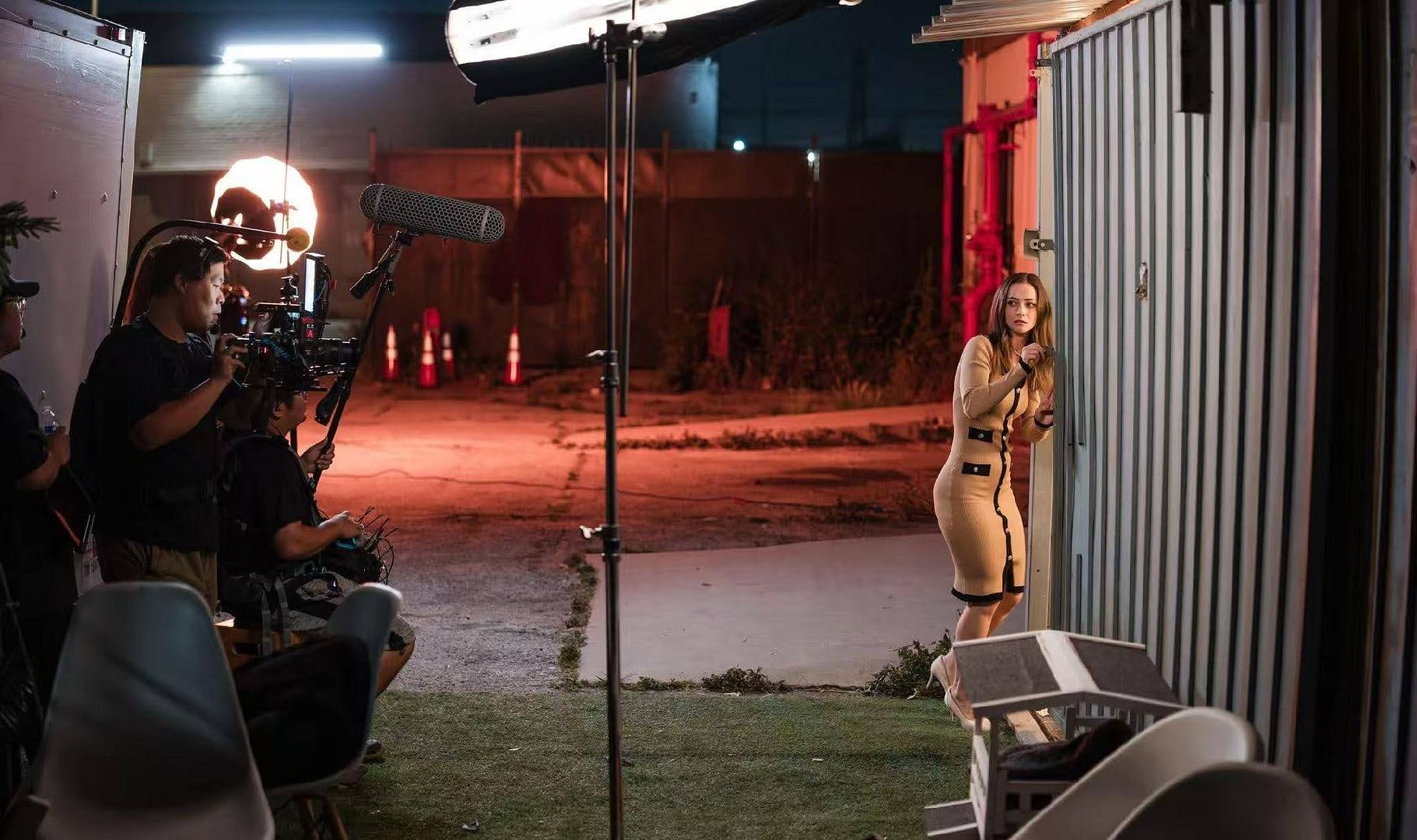
“The Romantic Theory of Us,” distributed on TikTok and approaching 30 million views, required a lighter register. Aware that most viewers watch on phones amid endless competing content, Yen emphasized interesting camera movement and subtle lighting changes to seize attention in the opening seconds. He employed Glimmerglass filtration to soften the image into a dreamier, more playful texture that suited the urban love story’s romantic and comedic notes. Emotion had to register immediately and clearly; the frame itself became a tool for rapid emotional clarity.
Across these projects Yen refuses a single signature look. He spends time with each director discussing story, character, and desired audience feeling before shaping lighting, movement, framing, and color. “One Last Heartbeat” is built around tension; “The Romantic Theory of Us” around softness and play. Consistency lies not in visual sameness but in process: thorough preparation, close departmental communication, and the insistence that every visual choice serves a narrative reason. Quality, in his view, means understanding what each story requires and realizing that vision as fully as possible.
Earlier work such as “Back to the Day We Met,” which registered 453.1 thousand views, provided a baseline against which the later leap to nine-figure audiences can be measured. From a cinematography standpoint, the growth reflected sharper attention to immediate visual engagement, pre-planned white-balance and LUT options for rapid mood shifts, and a disciplined balance between dynamic imagery and clear storytelling purpose. In short-form drama the first few seconds are decisive. Yen crafts opening frames that are compelling through movement, light, composition, and actor placement within the vertical rectangle, yet he never confuses complexity with effectiveness. What matters most is that the audience feels something at once. Yen measures success beyond the metrics. Reaching nearly 30 million views on TikTok, or more than 100 million elsewhere, is the collective achievement of directors, actors, camera and lighting teams, production design, wardrobe, and post-production. For him the deeper measure is whether the finished work surpasses the original idea. When the collaboration yields something richer than what was first imagined that is the mark of a job well done.
In an industry still learning the rules of the vertical frame, Hao Wei Yen has quietly written several of them. He has shown that technical fluency, emotional precision, and calm leadership can coexist under the extreme pressures of short-form production. The images he has crafted, dark and longing, dangerous then tender, soft and immediate, have not only retained audiences; they have expanded what mobile-first storytelling can feel like. As the form continues to evolve, his work stands as evidence that the most restrictive frame can still hold the fullest human emotion, provided the person behind the camera knows exactly how to light it.



