Equipment that runs hard eventually starts pushing back. Belts loosen, fluids degrade, bearings wear, and small mechanical complaints slowly turn into expensive ones. Operations that wait for something to break are essentially gambling with their own uptime, and the longer that habit continues, the worse the financial picture gets.
Preventive maintenance flips that approach by treating reliability as a planned outcome rather than a lucky one. The business case for it has very little to do with being cautious and everything to do with protecting margins, output, and the people who depend on the machines working.
Replacement Components in Maintenance Budgets
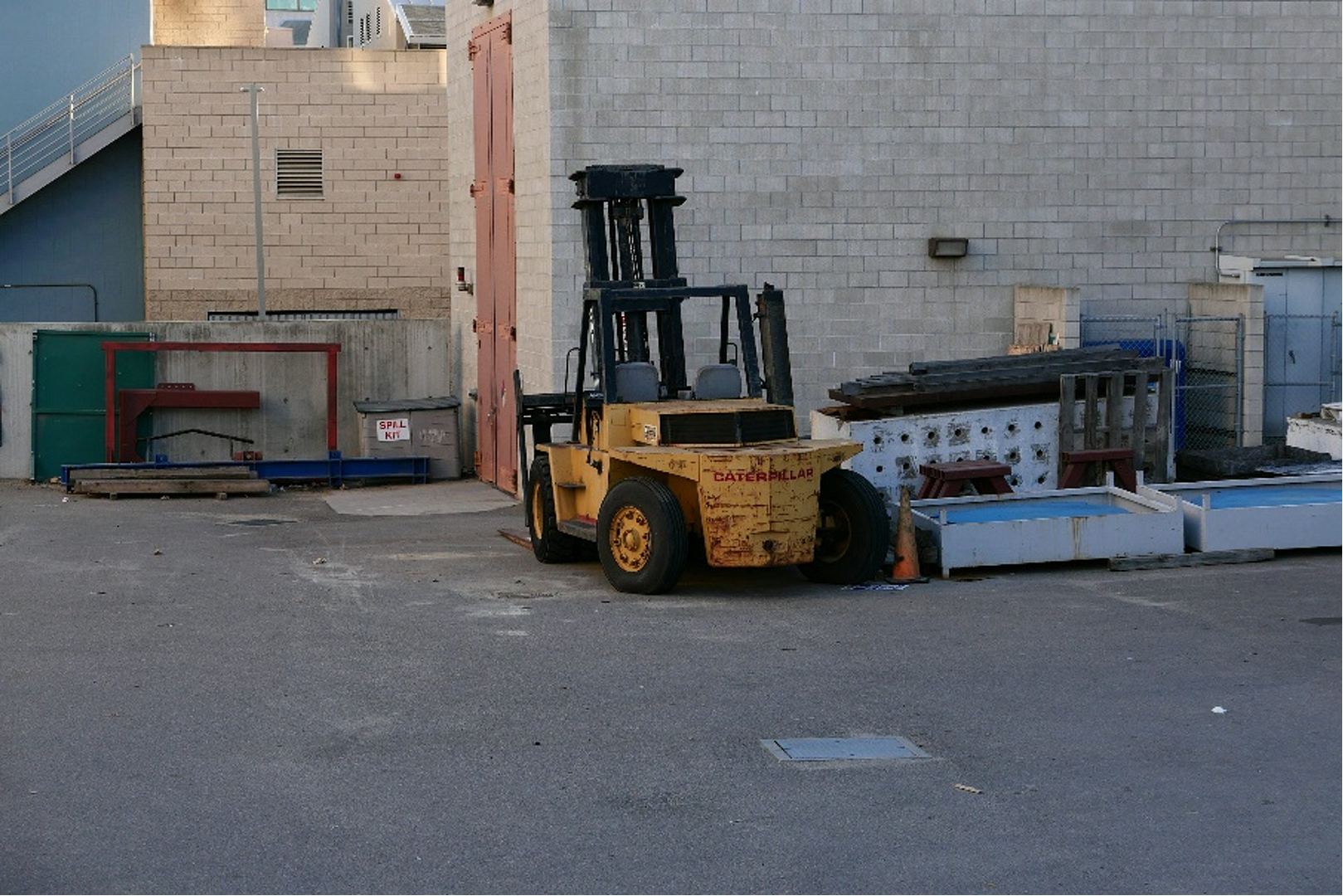
Few machines in a working facility log as many hours under load as a lift truck, and few face the same combination of stop-start cycles, weight stress, and constant operator demand. Among the brands that handle that kind of daily punishment, Caterpillar forklifts have built a long reputation for durability, which is exactly why the components inside them wear in predictable patterns that a smart maintenance program can plan around.
The aftermarket items built for these lift trucks cover everything from filters and seals to brake assemblies, chains, hydraulics, and ignition pieces, and keeping the right ones in stock is what separates a maintenance plan that holds together from one that collapses the moment a unit goes down. Sourcing Caterpillar forklift parts from a dependable supplier ensures the program actually has the inventory it needs. Having the right components on hand at the right time is what turns a maintenance plan from a written document into an operational reality.
The Real Cost of Reactive Maintenance
Waiting for failure feels cheaper because no money leaves the account until something breaks. That perception is misleading. When a machine fails mid-shift, the cost is rarely just the repair itself. Production stops, deadlines slip, customer commitments wobble, and labor sits idle while supervisors scramble to reroute work.
Emergency repairs also tend to cost significantly more than scheduled ones because parts must be sourced quickly, technicians must be pulled away from other tasks, and overtime often enters the picture. The longer a company leans on reactive repair, the more these hidden costs compound, eating away at margins that should have stayed intact.
Predictable Operations Build Predictable Revenue
A business that knows exactly when its machines will be serviced can plan everything else with confidence. Production scheduling becomes tighter, delivery commitments become more reliable, and clients begin to view the operation as one they can build their own plans around. None of that is possible when breakdowns can derail a week without warning.
Preventive maintenance creates a rhythm, and that rhythm spreads outward. Sales teams quote with confidence, logistics teams plan routes without padding extra days, and finance teams forecast revenue without bracing for surprise repair bills. Reliability turns into a quiet competitive advantage that customers feel, even if they cannot name it.
Safer Workplaces Lower Long-Term Liability
Machines that have not been properly maintained do not just stop working. They behave unpredictably. They leak, slip, stall, and occasionally fail in ways that put workers in harm’s way. A serious workplace incident carries consequences far beyond the immediate event. Investigations begin, regulators take notice, insurance premiums climb, and morale takes a hit that can linger for months.
A preventive program addresses these risks early, catching the warning signs before they reach the operator. Companies that take this seriously protect their people first, and as a natural result, they also protect themselves from the financial and reputational damage that follows accidents.
Asset Life Extension and Capital Planning
Equipment is one of the largest capital investments any operation makes, and stretching that investment is straightforward when components are serviced on time. A well-maintained machine routinely outlasts its original expected service life, often by a considerable margin.
That extra runtime delays the need to spend on replacements, frees up capital for other investments, and improves the return on the original purchase. Capital planning also gets easier because end-of-life timelines become more accurate. Finance leaders can phase out aging assets on a schedule that works for the business, rather than reacting to a sudden failure that forces an unplanned purchase at the worst possible moment.
Energy Efficiency and Fuel Consumption
Worn equipment burns more energy than properly maintained equipment. Restricted airflow, clogged systems, slipping drives, and tired engines all force machines to work harder for the same output. The result is higher fuel use, higher electricity bills, and a steadily growing environmental footprint.
Preventive servicing keeps systems running clean and efficient, which translates into measurable savings month after month. For larger fleets, those savings stack into meaningful reductions that improve the bottom line without requiring any change to the work itself. Efficient machines simply do more with less, and that gap widens the longer a maintenance program is in place.
Smarter Data, Smarter Decisions
A consistent maintenance schedule produces something many operations underestimate: usable data. Service records, component lifespans, failure patterns, and repair histories all build into a picture that managers can actually act on. Patterns become visible. Certain machines may show recurring issues, certain shifts may produce more wear, and certain operating conditions may shorten component life faster than expected.
Armed with that information, decisions about replacement, training, and operational changes become grounded in evidence rather than guesswork. Maintenance stops being a back-office expense and becomes a feedback loop that improves how the entire operation runs.
Team Morale and Operational Pride
Workers notice when their tools are looked after. Operating reliable equipment day after day shapes how teams feel about their employer, their work, and their own performance. Crews that have to fight with worn machinery grow frustrated, and that frustration shows up in productivity, attendance, and turnover.
A culture that prioritizes preventive maintenance signals to staff that the company invests in doing things properly. That message carries weight on the floor, and it tends to attract the kind of workers who take pride in their craft and stay long enough to make a real difference.