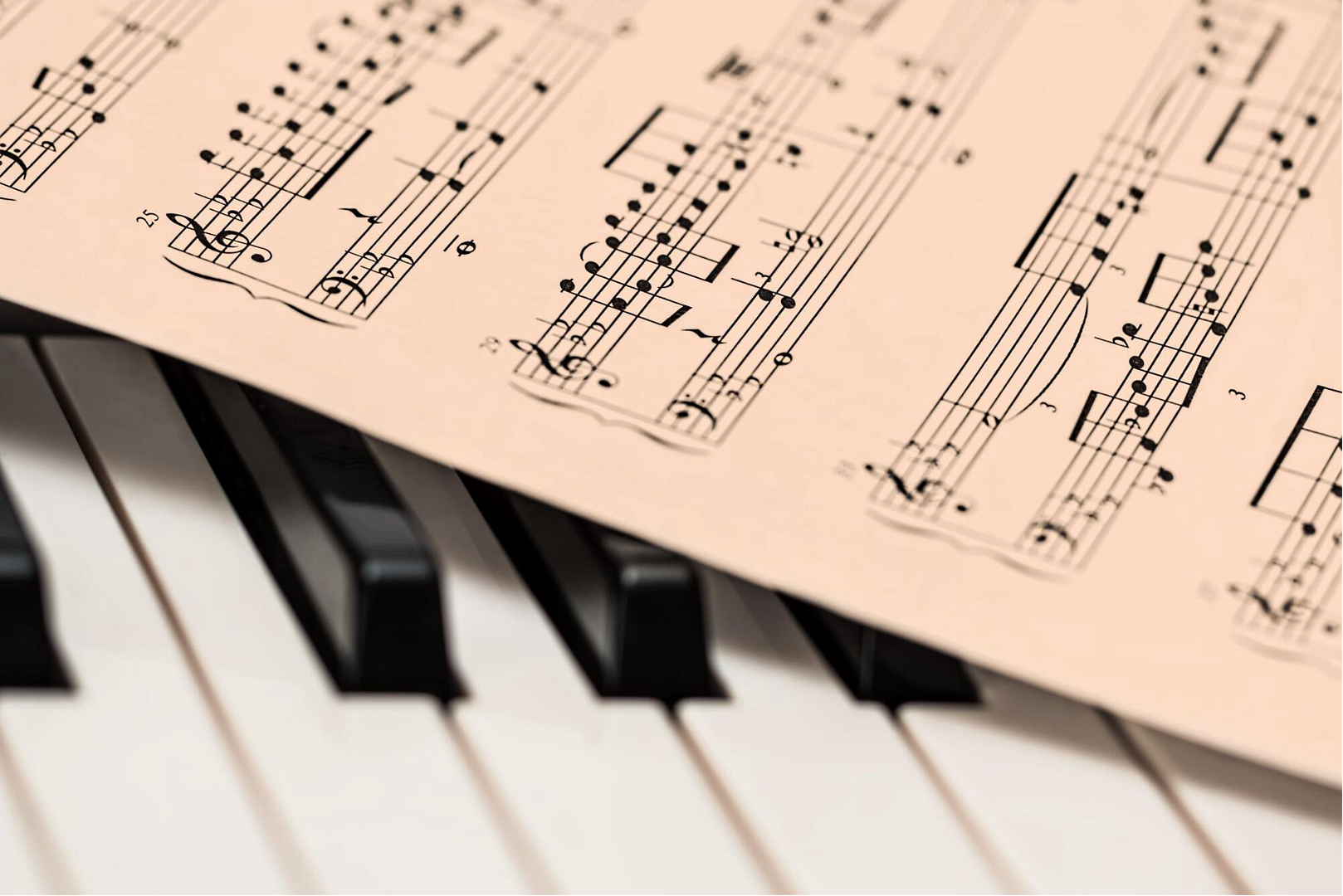
Classical music may seem old to some people, but its influence is still strong today. Many modern songs borrow ideas from music written hundreds of years ago. These ideas appear in melodies, rhythms, harmonies, and emotional storytelling. Even if listeners do not realize it, classical music shapes what they hear every day.
In this article, we explore how classical music continues to influence modern genres. We will look at its history, key elements, and how today’s artists use classical ideas in new ways.
What Makes Classical Music Unique
Classical music is known for structure, balance, and emotion. Composers followed clear rules about melody, harmony, and rhythm. These rules helped them create music that felt complete and meaningful.
Another key feature is careful listening. Classical music often changes slowly, allowing emotions to build over time. These changes help listeners feel tension, calm, joy, or sadness without words.
Because of these qualities, classical music became the foundation for many other styles. Modern genres often use the same ideas but present them in new forms.
Influential Classical Composers
Many famous composers helped shape the musical language we still hear today. Their ideas remain important across genres.
- Ludwig van Beethoven
- Wolfgang Amadeus Mozart
- Johann Sebastian Bach
These composers are still studied and performed today. Their work continues to inspire artists in pop, film, and many other genres.
Melody: A Shared Musical Language
Melody is one of the strongest links between classical and modern music. Classical composers wrote melodies that were clear, memorable, and emotional. These same goals guide modern songwriters.
Pop songs often rely on strong melodies that repeat and grow. This approach comes directly from classical music. A good melody helps listeners remember a song and feel connected to it.
Film and TV scores also use long, flowing melodies. These melodies guide emotions during important scenes and help tell the story without words.
Harmony and Emotion
Harmony plays a big role in how music feels. Classical music explored how chords work together to create emotion. These ideas are still used today.
Many modern songs use classical-style chord progressions. Moving between major and minor chords helps express happiness, sadness, or tension. These shifts are familiar to listeners because they come from classical traditions.
This shared harmonic language helps modern music feel natural and emotional, even when the style is new.
Classical Music in Film Scores
Film music shows classical influence more clearly than almost any other genre. Most movie scores use orchestras and classical techniques.
Composers use strings for warmth, brass for power, and soft instruments for quiet moments. These choices come from classical orchestration. Themes often return throughout a movie, much like movements in a symphony.
Because audiences already understand these sounds, film scores feel powerful and familiar. Classical music helps movies tell stories more effectively.
Pop Music and Classical Structure
Pop music often follows simple forms, but many of these forms come from classical music. Verses, choruses, and bridges reflect older musical structures.
Some pop artists also use classical instruments like piano and strings. These sounds add depth and emotion to songs. Ballads, in particular, show strong classical influence through slow tempos and expressive melodies.
This mix of old and new helps pop music feel both fresh and timeless.
Rock Music and Orchestral Sounds
Rock music has long borrowed from classical ideas. Many rock bands experiment with long compositions and dramatic changes in sound.
Some artists combine electric guitars with orchestras or string sections. This blend creates a larger and more emotional sound. It also shows respect for classical traditions.
Rock music often focuses on emotion and storytelling, goals that classical composers valued as well.
Hip-Hop and Classical Inspiration
Hip-hop may seem very different from classical music, but they share creative connections. Many producers sample classical recordings or use piano and string sounds inspired by orchestras.
These samples add mood and emotion to tracks. A simple piano line can bring sadness or reflection to a song. Some artists use pieces like a Chopin nocturne to create a calm and thoughtful atmosphere in modern music.
By blending classical sounds with modern beats, hip-hop artists connect past and present.
Electronic Music and Musical Form
Electronic music uses technology, but its structure often reflects classical ideas. Many tracks build slowly, adding layers over time.
This approach is similar to how classical composers developed themes. A simple idea grows into a full musical experience. Climaxes and quiet moments are carefully planned.
Even without traditional instruments, electronic music often follows classical rules of balance and progression.
Emotional Storytelling Without Words
Classical music is known for telling stories without lyrics. Composers used sound alone to express emotion. Modern music continues this tradition.
Instrumental tracks in films, games, and even pop albums rely on mood and feeling. Changes in tempo and harmony guide the listener’s emotions.
This shared focus on emotion explains why classical ideas remain important today.
Classical Training in Modern Music
Many modern musicians begin with classical training. Learning piano, violin, or music theory helps artists understand how music works.
This training builds discipline and skill. It also allows artists to experiment with confidence. When musicians know the basics, they can break rules in creative ways. Because of this, classical education continues to shape modern music.
Classical Sounds in Advertising
Classical-inspired music is common in advertising. Soft piano or string music suggests quality and trust. These sounds help brands communicate emotion quickly.
Even short ads use classical chord progressions. These choices feel familiar and comforting to listeners. This everyday use keeps classical music present in modern life.
Why Classical Music Still Matters
Classical music matters because it provides a strong foundation. Its ideas are flexible and timeless. They work across cultures and genres.
Modern music often changes quickly, but classical techniques remain useful. They help artists create music that feels meaningful and emotional. Understanding this legacy helps listeners appreciate music on a deeper level.
A Timeless Influence on Modern Sound
Classical music continues to shape modern genres in powerful ways. Its melodies, harmonies, and emotional depth live on in pop, rock, hip-hop, film, and electronic music. These connections show that classical music is not outdated. It is active and influential.
Music becomes richer when we understand where it comes from and how it continues to grow.