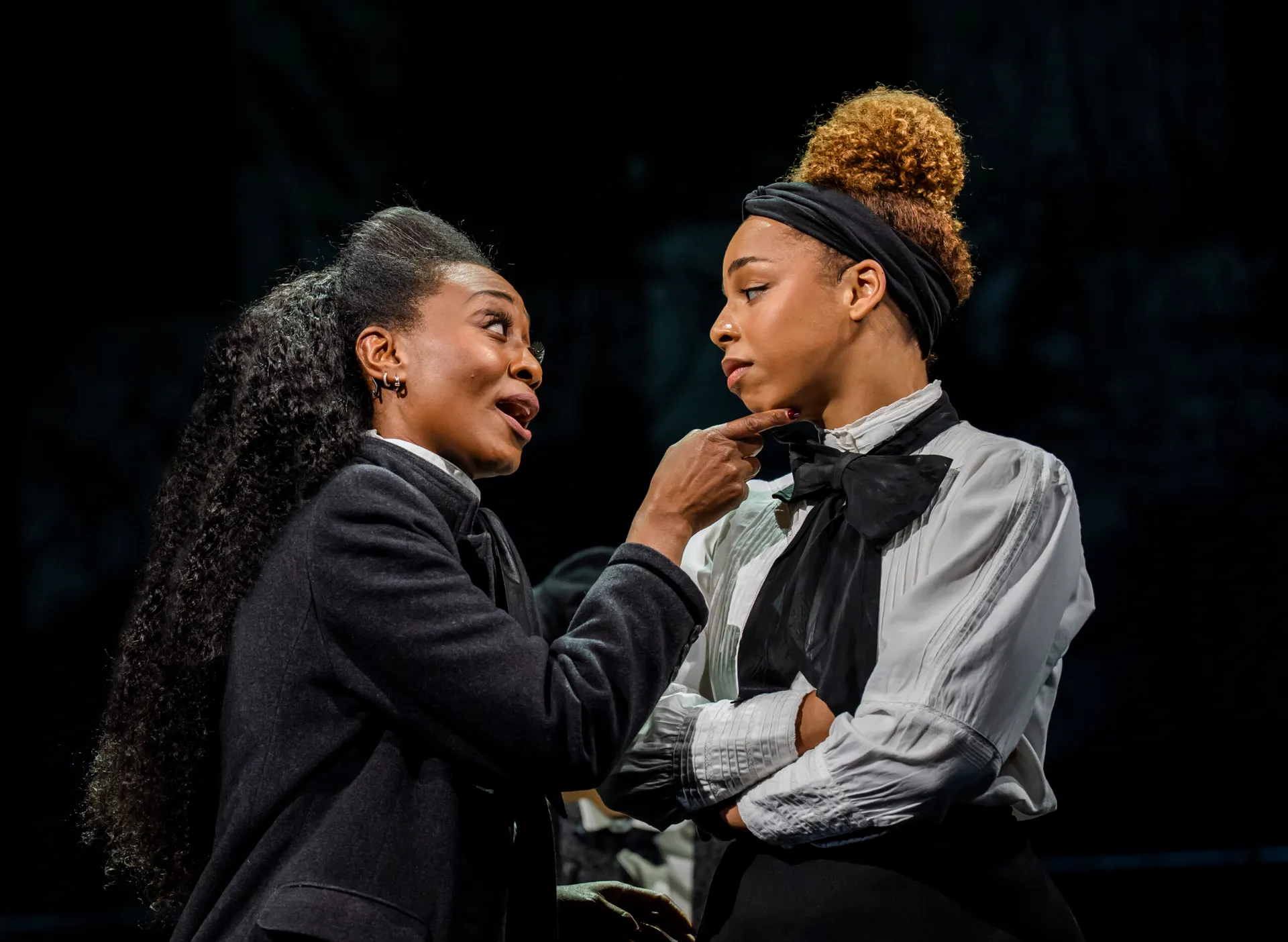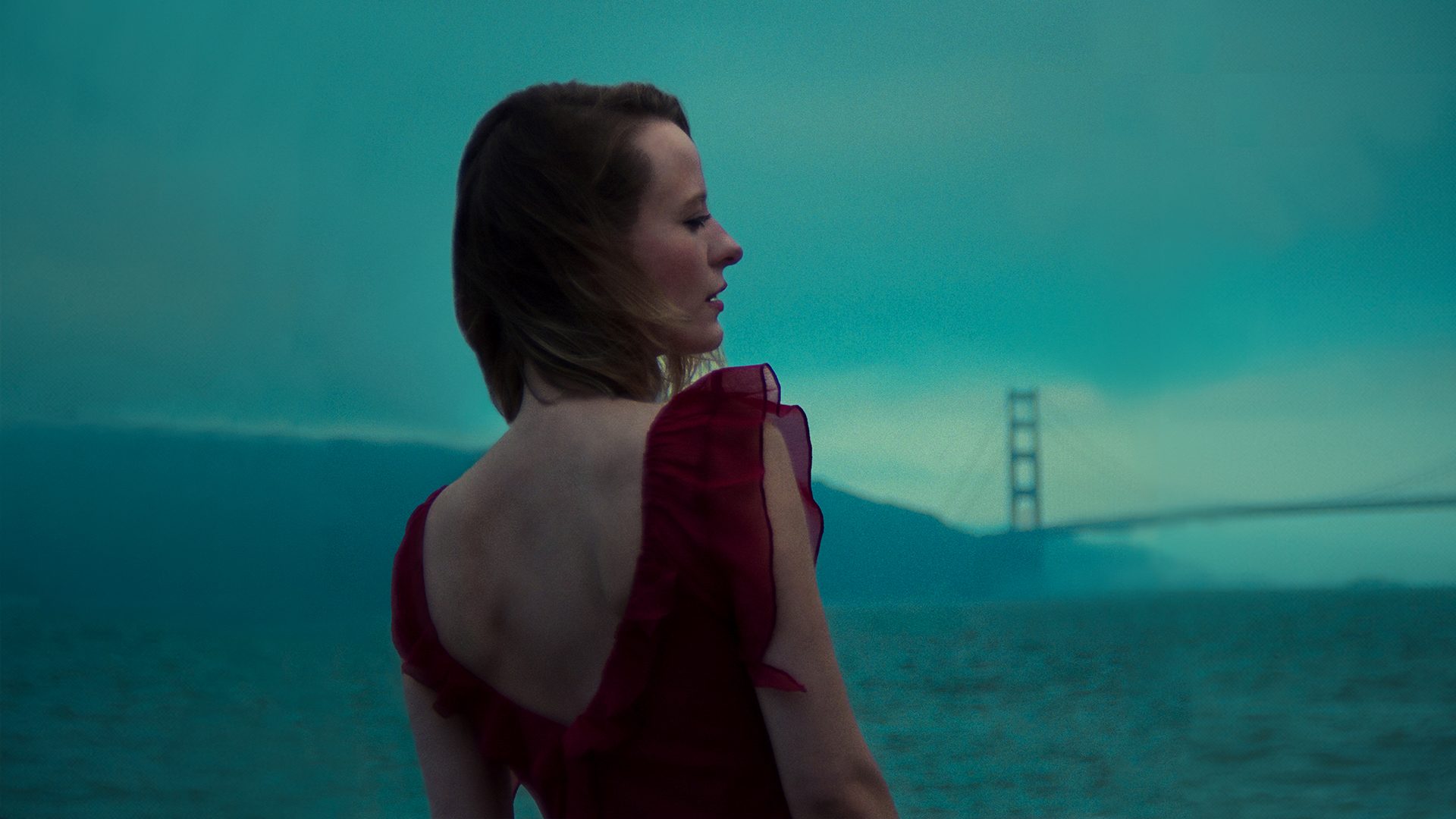
A deep-purple gown makes an entrance in Casino Royale (2006). Worn by Eva Green as Vesper Lynd, the Roberto Cavalli design is part of a wardrobe overseen by costume designer Lindy Hemming. It gives casino eveningwear a striking reference point: clothes chosen for a scene, a character and a room.
Everyday casino dress has its own considerations. An on-camera presenter follows an employer’s uniform policy. Guests at a physical table dress according to the property’s rules, while a dinner reservation or evening event can call for something more formal.
What the Presenter Wears
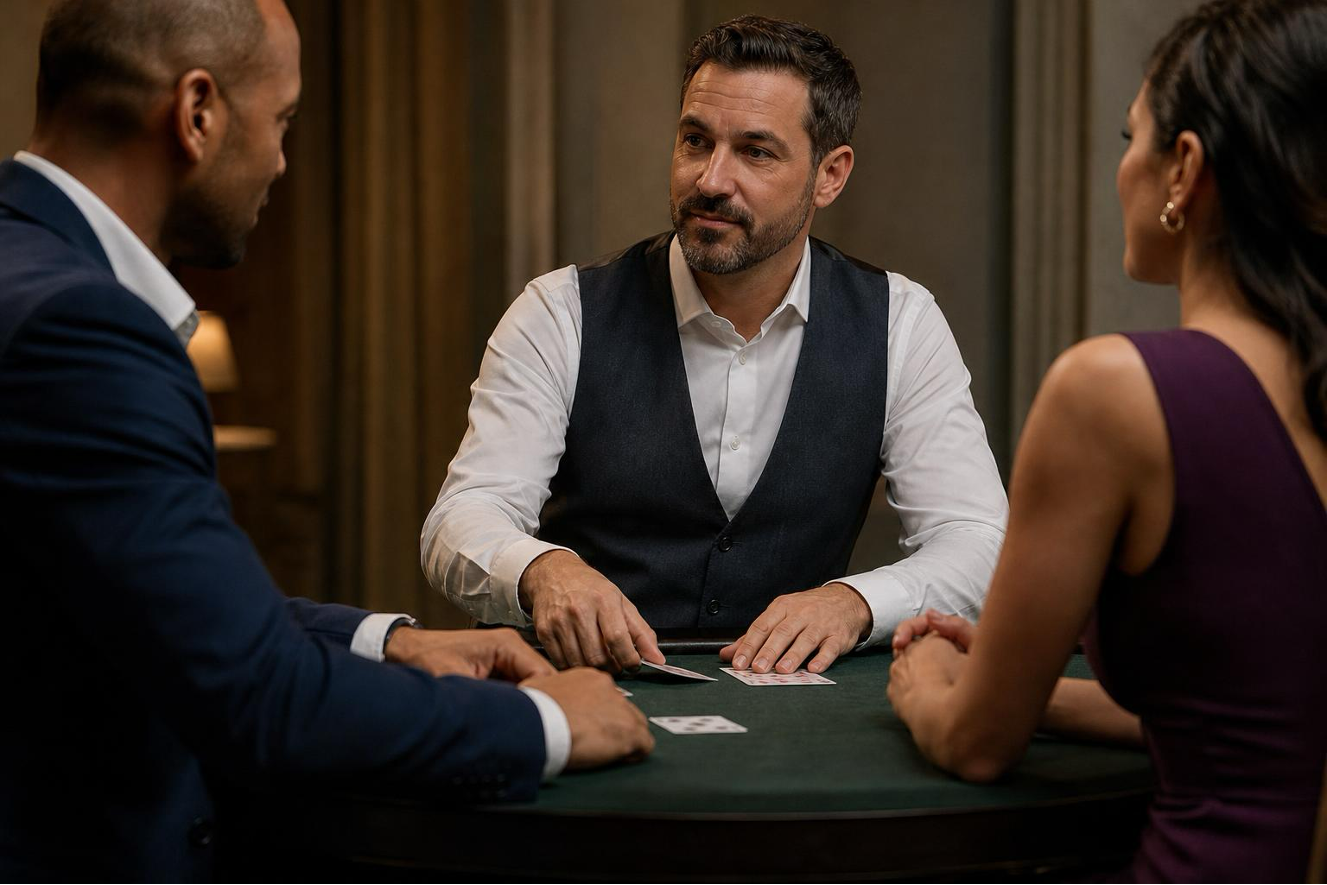
Live online games put a real presenter on screen, dealing cards or conducting other table games while players join remotely. For readers exploring online casinos through sites such as tooniebet, the presenter’s clothing is part of the broadcast’s appearance. The site, licensed by the Tobique Gaming Commission for Canadian players outside Ontario, streams live dealer tables from studios including Pragmatic Live and Playtech.
Behind that appearance are specific workplace instructions. Recruitment guidance for an Atlantic City studio requires company-provided uniforms and all-black, closed-toe dress shoes. Presenters supply the shoes themselves.
A New Westminster, British Columbia, vacancy calls for a provided uniform and broadcast makeup, describing a polished, camera-ready appearance as part of the role. Presenters work under professional studio lighting and communicate with players through live chat.
The clothes sit alongside other job requirements: handling equipment, following game procedures and speaking to players. Even shoes have a place in the instructions, although viewers’ attention is directed toward the table and the person conducting the game.
What Guests Wear to the Table
For guests entering a physical casino, the property’s published policy is the place to start. The requirements can be straightforward.
At a Niagara Falls, Ontario, casino floor, casual attire is generally acceptable. Shirts and shoes are required, and clothing carrying obscene, offensive, intimidating or threatening messages is prohibited. Québec’s public casino operator requires appropriate dress and excludes clothing depicting violence or associated with recognized violent groups.
A Las Vegas resort takes a more detailed approach. Its resort-attire policy requires shoes and covered tops and bottoms, and prohibits hoods, hoodies and face painting. Uncovered swimsuits belong in the pool areas; sheer cover-ups, or cover-ups worn closed, are permitted while walking through the resort.
These details matter when packing. A policy’s instructions about a particular garment provide a firmer basis for choosing clothes than the décor or photographs of dressed-up guests.
Moving From the Floor to the Lounge
The next stop can change the outfit requirements. That Las Vegas resort’s guidance identifies stricter dress codes at some of its restaurants and nightlife venues.
Another gaming venue in the city specifies upscale casual. A Maryland lounge gives more detail under its upscale casual chic policy, strictly applied on Fridays and Saturdays. Long jeans and sneakers are accepted when the overall appearance is polished and refined. Excessively ripped denim, sportswear, sweatpants and casual sweatshirts are excluded.
Its footwear rules distinguish between upscale sandals, which are permitted, and flip-flops or certain boots, which are prohibited. Beanies, casual hats and baseball caps are also excluded.
For someone planning several stops, those individual rules help settle practical questions before leaving home, including whether the same shoes will work throughout the evening.
Making Sense of the Dress-Code Labels
Garment examples help translate the labels. The Emily Post Institute’s attire guide lists clean jeans, khakis, polos, casual button-down shirts, skirts and sundresses among casual options.
Dressy casual allows a blazer with trousers, a dress, coordinated pants or a skirt with a dressier top. Semi-formal moves toward dark suits, dress shirts and ties, alongside cocktail dresses and dressy separates.
Black tie calls for greater formality. The institute’s examples include a tuxedo, formal white shirt and black bow tie, or an evening gown or suitably dressy cocktail dress.
An event invitation can make that distinction explicit. An Ontario casino resort’s December 2025 Bond-themed Christmas prom specified black tie. The occasion had its own clothing requirements within a property whose gaming floor generally accepts casual attire. For that evening, the entertainment booking helped determine what belonged in the garment bag.
Choosing Clothes for the Whole Evening
Read the requirements for each destination, paying attention to footwear, denim and headwear. Then choose clothes that accommodate the plans: tailored separates, a dress or formal eveningwear, with color and accessories leaving room for personal taste.
The same advance planning should cover gambling limits. Gambling involves financial risk. Anyone choosing to participate should meet local legal age requirements, set affordable spending and time limits, and treat gambling as entertainment rather than income.
From the presenter’s assigned uniform to a guest’s evening clothes, the useful question is simple: what does this particular setting require?