The Webb sisters are coming home. Their mother is dying upstairs, Blackpool is sweltering through the summer of 1976, and years of resentment, disappointment and unfinished business are waiting for them at Seaview, the family guest house. In The Hills of California, Jez Butterworth reunites with director Sam Mendes for the first time since The Ferryman, and the result is a funny, painful and beautifully layered family drama.
The entire play takes place at Seaview, a Blackpool guest house whose name is somewhat optimistic: “I have looked out of every window and you can’t… see the sea.” Upstairs, the once-formidable matriarch Veronica is dying of stomach cancer. Downstairs, her youngest daughter Jill, played by Helena Wilson, waits in the public parlour for her sisters to return home.
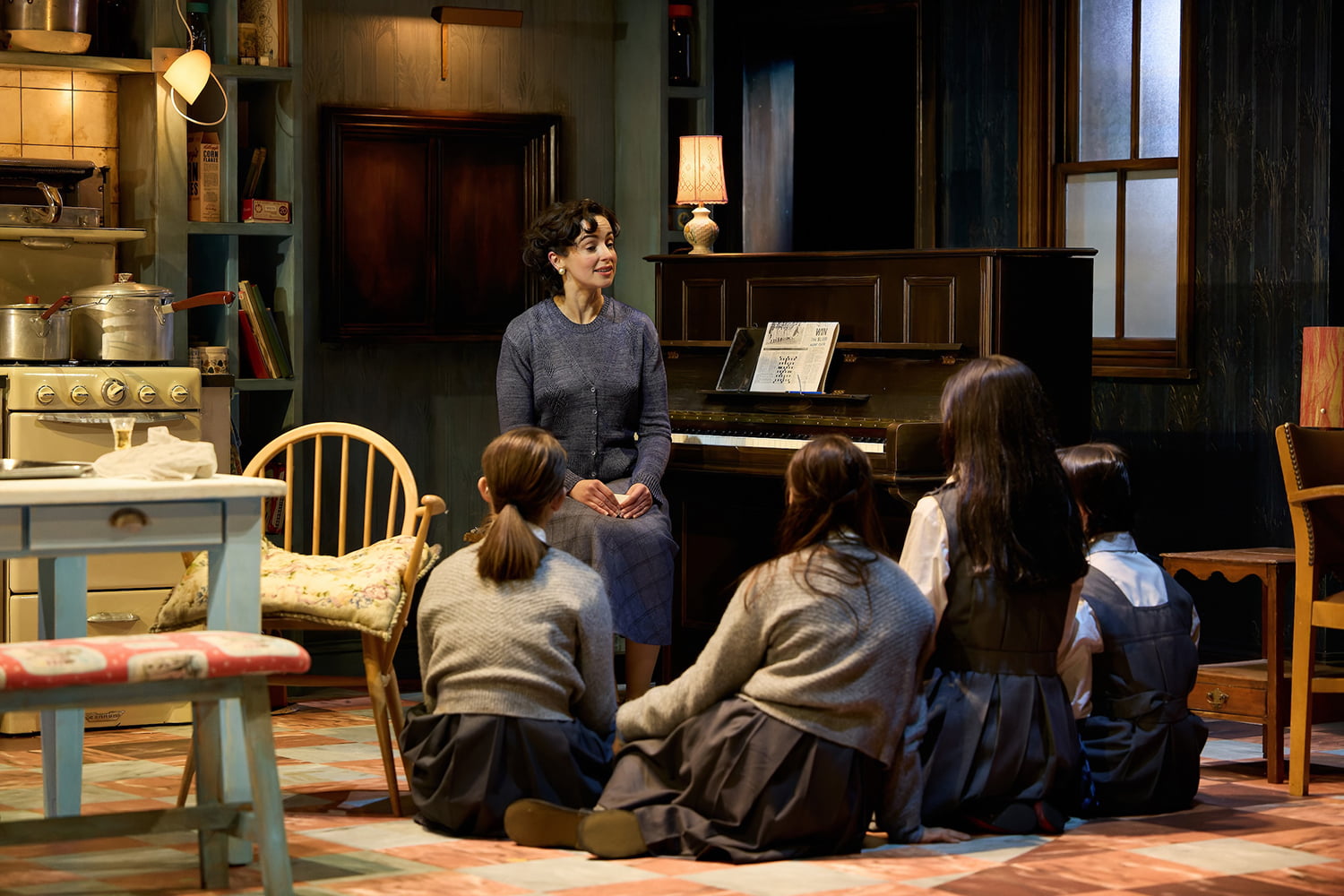
They arrive one by one. Eldest sister Gloria, played by Leanne Best, returns with her husband and children, while Ruby, played by Ophelia Lovibond, arrives with her husband Dennis. Despite one of them living only around an hour away in Rochdale, neither has spent much time at Seaview in years. A fourth sister, Joan, is supposedly on her way from Los Angeles, although a delayed or cancelled flight leaves everyone wondering whether she will turn up at all.
The tension is there almost immediately. Gloria is angry at seemingly everything, from her family to the unbearable heat, while Ruby drinks, waits and tries to remember a song from their childhood. Then Rob Howell’s magnificent set literally does a 180, taking us from the public parlour into the private one and back two decades. Suddenly, we begin to understand how these four sisters became the women we have just met.
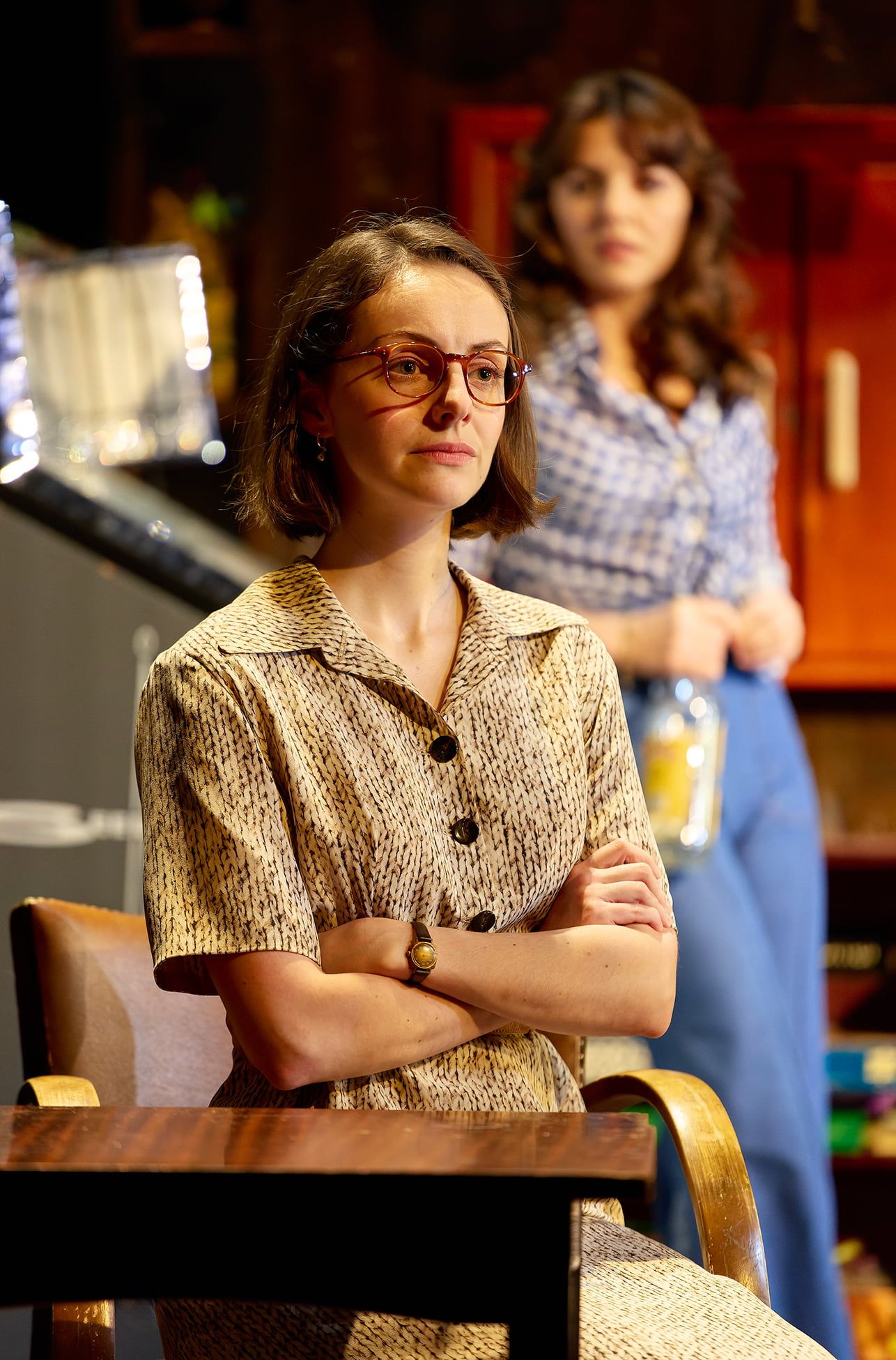
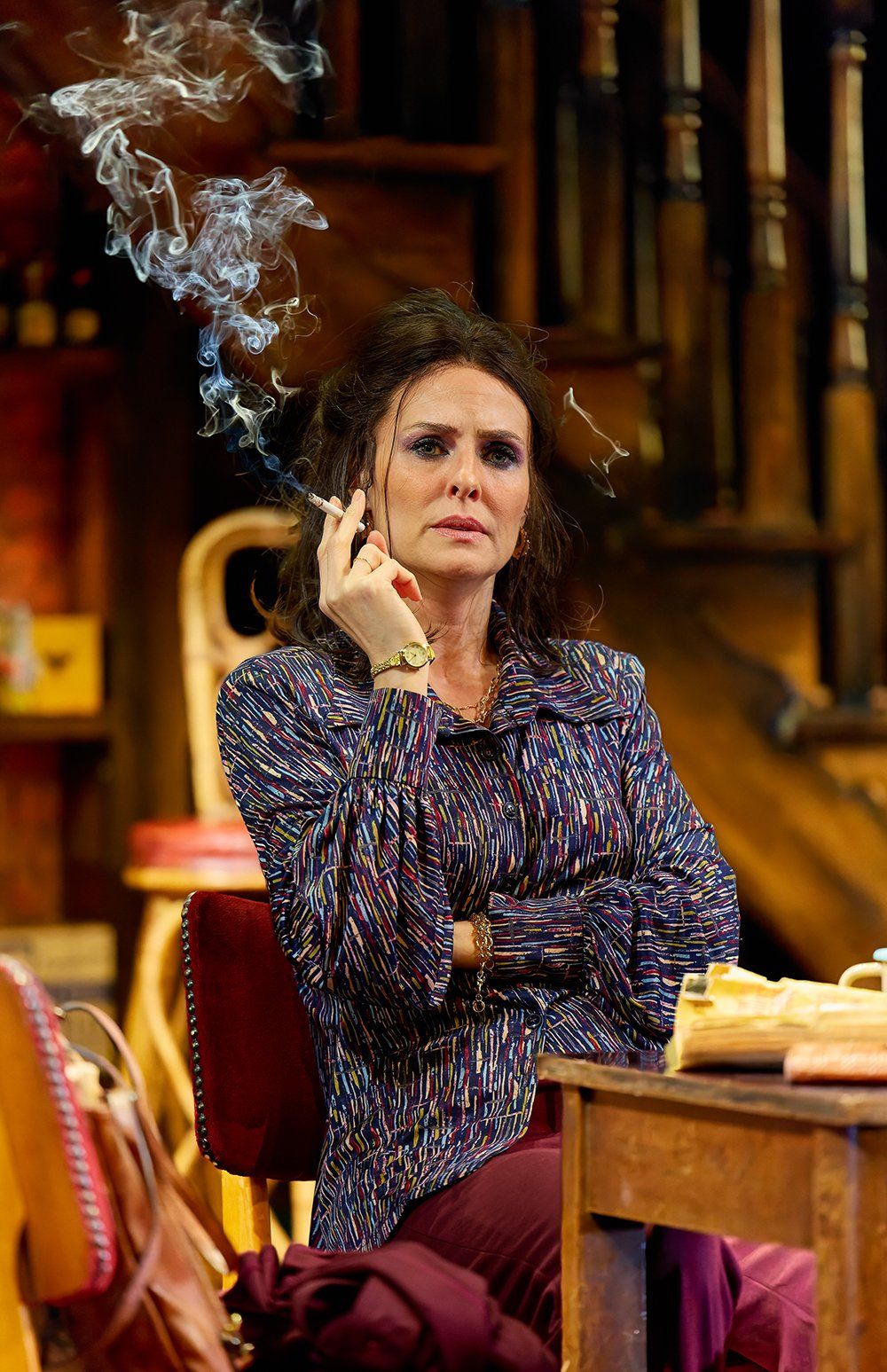
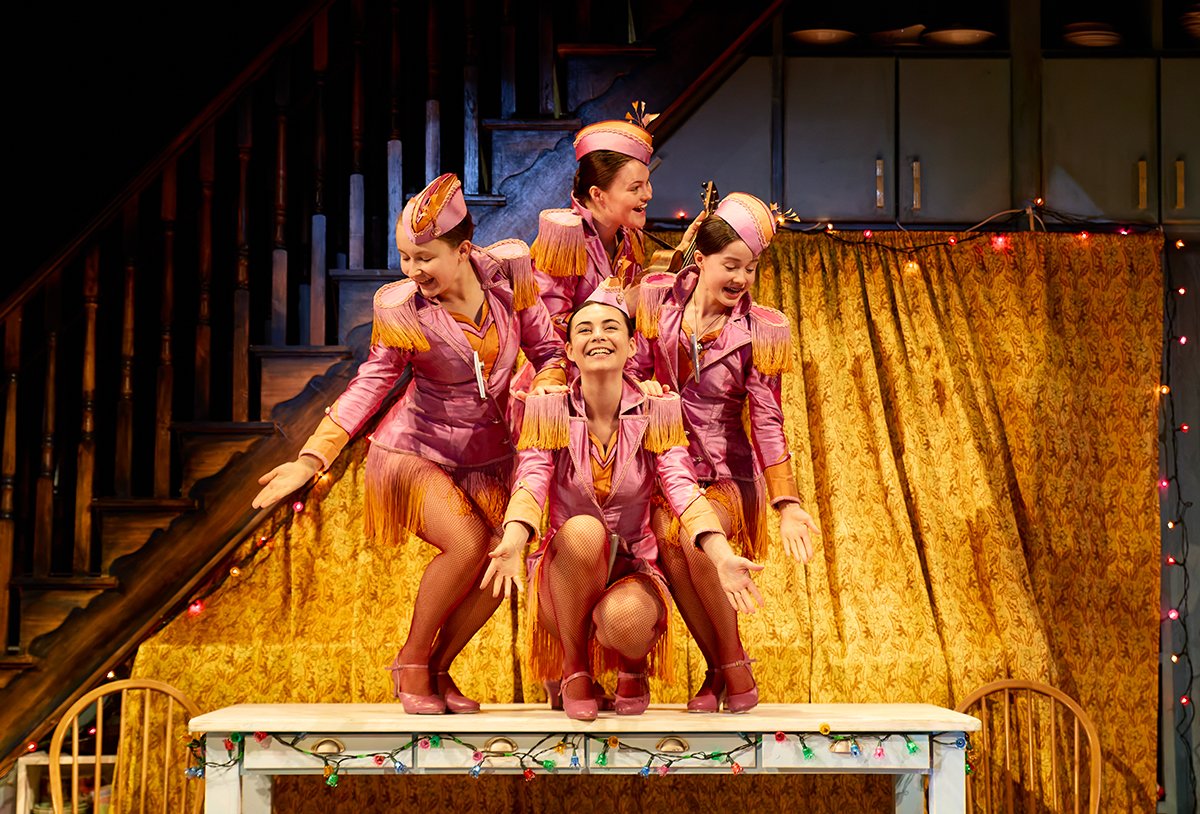
The young sisters enter singing in perfect harmony, with their mother Veronica, played by Laura Donnelly, soon putting them through their paces around the breakfast table. She is determined that the Webb Sisters will become stars, and there is very little room in her plans for the possibility that her daughters might want anything different. The way Butterworth moves between the two periods put me in mind of This Is Us, allowing us to see formative moments and their consequences almost side by side. It gives the play an extraordinary richness, as behaviours that initially seem baffling or frustrating slowly begin to make sense.
Donnelly is superb as Veronica, a woman whose love for her children has become inseparable from her ambition for them. She is fiercely certain of the future she has mapped out, even when that certainty begins to feel frightening. There is real pain beneath Veronica’s determination, but Butterworth never lets that become an excuse for the damage her ambitions can cause. Donnelly finds both sides of her beautifully.
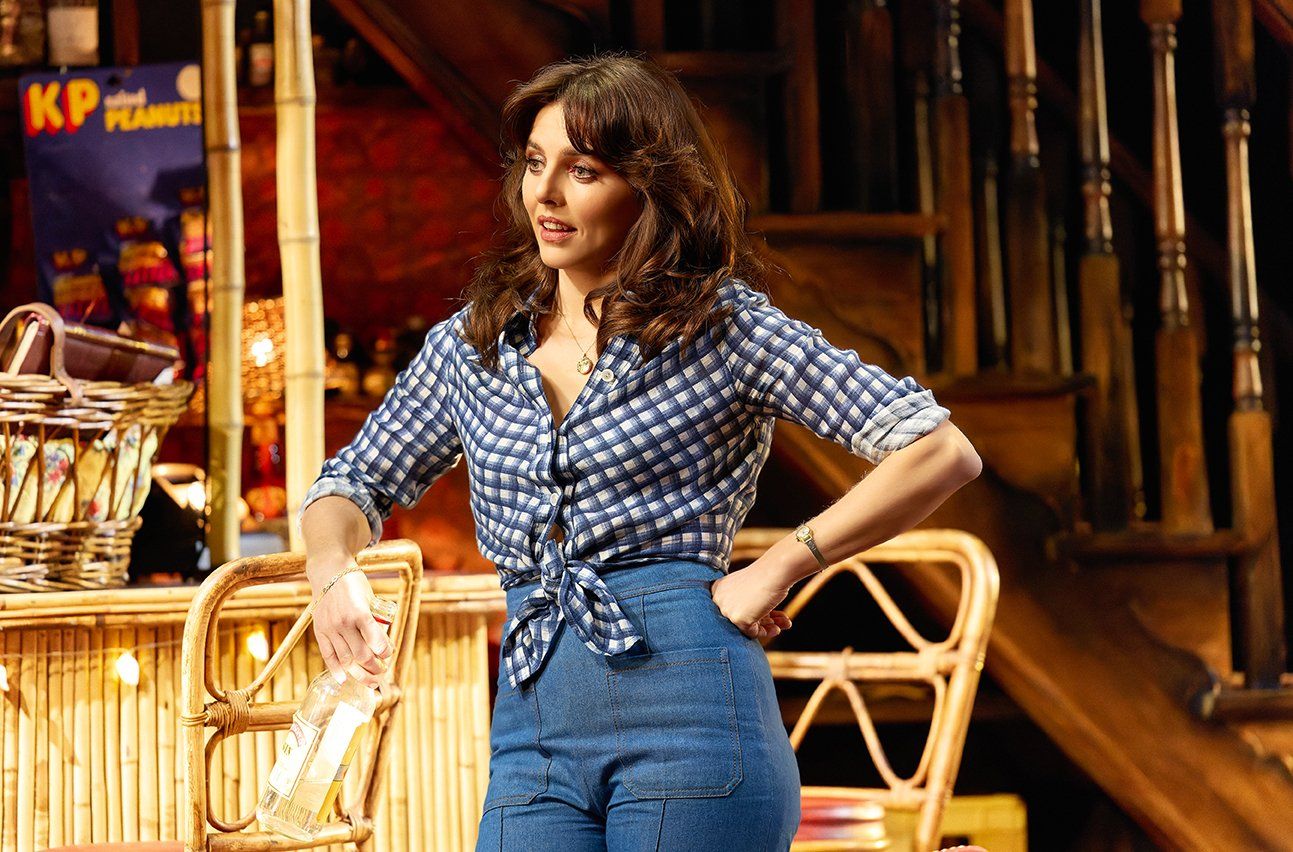
The performances across the board are outstanding. Helena Wilson gives Jill a quiet steadiness that makes her continued devotion to Seaview feel completely believable, while Leanne Best allows Gloria’s anger and resentment to sit constantly just beneath the surface. Lovibond’s Ruby is softer but no less bruised by the past, and there is a moment towards the end of the play when she breaks down that hit me incredibly hard. I found myself clutching my chest at the sheer realism of Lovibond’s performance.
What I loved most about The Hills of California is that, for all the pain running through it, the play is also very funny. Butterworth gives these women enough space to be difficult, ridiculous, loving, cruel and vulnerable, often within the same scene. They feel like people rather than mechanisms for a story, and that makes what happens between them all the more affecting.
There are troubling themes here, and Butterworth does not shy away from them, but I came away thinking above all about how beautiful the play was. The ending landed perfectly for me, and when the lights came down, I was on my feet with the rest of the opening night audience. It felt entirely earned.
The Hills of California is a remarkable piece of theatre: funny, painful, complicated, and wonderfully human. Butterworth’s writing, Mendes’ direction, Howell’s extraordinary set, and a superb ensemble cast combine to create something that stayed with me long after I left the theatre.
To book tickets visit haroldpintertheatre.co.uk
Words Nick Barr
Photography Mark Douet