There’s a quiet authority to a pair of G.H. Bass Weejuns that few footwear silhouettes can replicate. As the undisputed blueprint for the original penny loafer, they carry nearly a century of American heritage, Ivy League nostalgia, and timeless “Old Money” rigor.
Back in 1936, when G.H. Bass adapted a traditional Norwegian farm shoe into a polished leather flat; they accidentally created a cultural icon. It was a silhouette that would soon be adopted by everyone from mid-century college students storing emergency change in the leather slot to legendary style figures on the silver screen.
However, in a contemporary wardrobe, wearing them strictly by the traditional prep school playbook can feel a bit too much like a period costume. The real magic happens when you break those aesthetic rules, using that deeply rooted classic base as a springboard for modern, unexpected contrast.
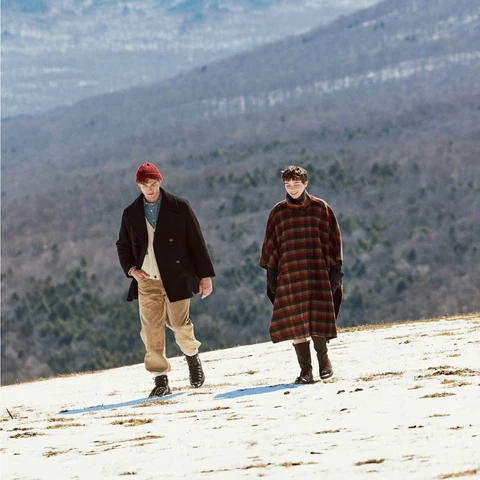
The secret to mastering this high-low contrast lies in intentional proportions and deliberate tension. Instead of pairing your Weejuns with slim-fit chinos, tailored twin-sets, or rigid knee-length skirts, try leaning directly into opposition.
Slide a pair of dark cordovan loafers underneath sweeping, fluid wide-leg trousers, an oversized menswear-inspired blazer, or slouchy, unhemmed raw denim. The physical weight and clean leather architecture of a G.H. Bass loafer immediately anchor those breezy, voluminous shapes.
It gives you that effortlessly elevated “I just threw this on, but I happen to have impeccable taste” vibe. The loafers act as a grounding force, taking a look that might otherwise feel overly relaxed and bringing it right back into sharp, intentional territory.
Finding the right pair to experiment with often comes down to leather texture and subtle hardware differences. If you are ready to test this high-low contrast yourself, you can explore G.H. Bass’s classic Weejuns collection here to find the ideal silhouette, whether you prefer high-shine polished leather, textured pebbled grain, or iconic horsebit hardware.
Another favorite styling trick amongst fashion editors is playing with unexpected legwear to disrupt the shoe’s serious heritage. Wearing classic black Weejuns completely bare-ankled with a structured mini skirt or an architectural shirt-dress creates a crisp contrast between bare skin and heavy leather.
Alternatively, you can subvert expectations by swapping traditional white cotton socks for sheer mid-calf hosiery, slouched cashmere, or even subtle patterned socks peeking out beneath a severe trouser hem. It cleverly bridges the gap between prep-school nostalgia and edgy downtown street style without compromising the shoe’s craftsmanship.

Ultimately, G.H. Bass shouldn’t be treated as a dusty relic of fashion history, but as one of the most dynamic styling tools in a modern closet.
By taking a piece that practically invented “effortless heritage” and forcing it into a conversation with modern, relaxed, and slightly rebellious clothing, you instantly strip away the pretension. It is no longer about looking like you stepped out of a vintage catalogue—it is about letting an iconic classic serve your modern identity entirely on your own terms.