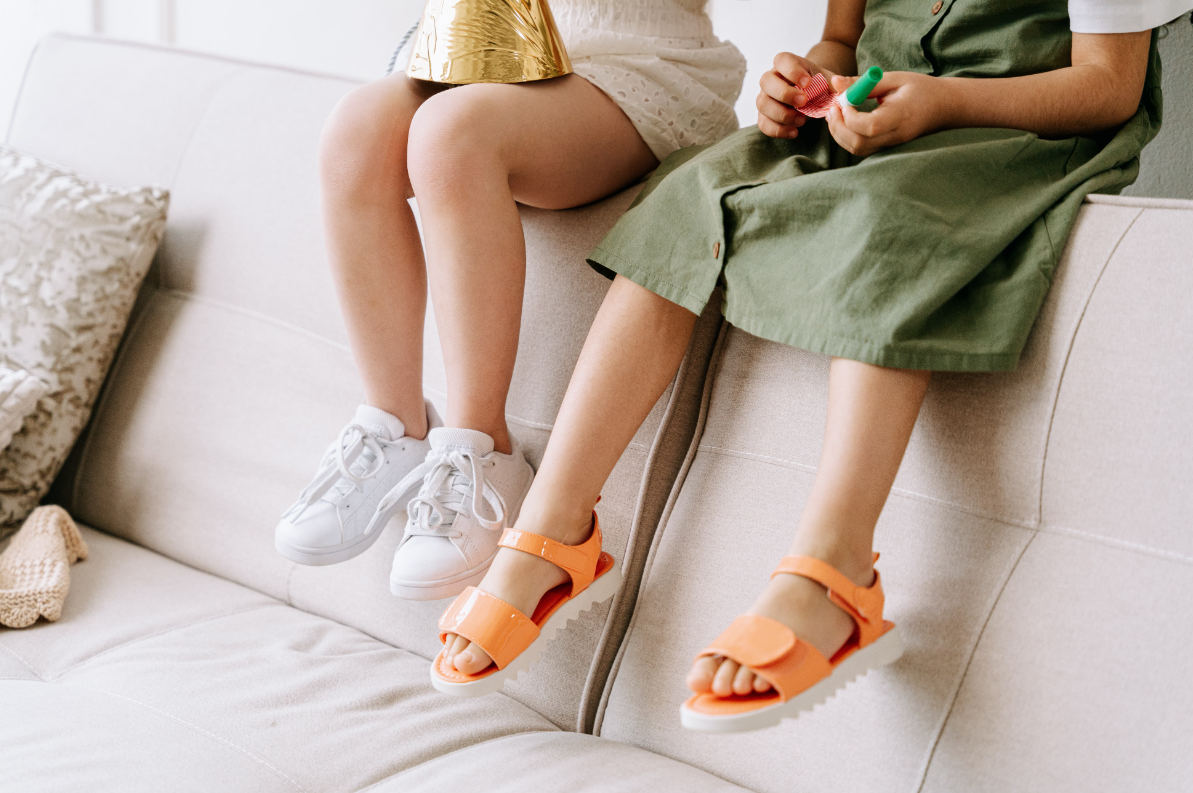
Finding the right shoes for young children used to be as simple as picking a cute style and leaving a little room to grow. Today, parent expectations and footwear choices look very different. Between growing awareness of natural foot development and endless online options, buying shoes for young kids has become a much bigger decision for parents.
This shift is reflected in a booming global market. According to Grand View Research, the global kids’ footwear market size was worth USD 54.5 billion in 2024. It is projected to grow from USD 62.8 billion in 2026 to USD 79.1 billion by 2030, at a CAGR of 8.2%. North America dominated the market, accounting for a 33.0% revenue share in 2024.
As parents invest more in their children’s everyday footwear, understanding the modern rules of children’s shoe shopping has become increasingly important.
This article explores key guidelines and features to help you choose comfortable, well-fitting footwear for growing feet.
Don’t Buy for Growth Alone
It can be tempting to buy larger shoes so they last longer, but oversized shoes can affect how a child walks and runs. Loose shoes may also cause tripping, blisters, or changes in the way a child moves to compensate for the extra space. A small amount of room, generally around a thumb’s width at the toe, is reasonable, but buying several sizes ahead is not.
Children’s growth also varies at different stages. According to Cleveland Clinic, growth is generally slow and steady between preschool and puberty, followed by faster growth during adolescence.
Girls typically experience growth spurts between ages 9 and 15, while boys tend to experience them between 12 and 17. During these spurts, adolescents may grow 3 to 4 inches a year. Regularly checking your child’s shoe size is therefore a better approach than buying too far ahead.
Prioritise Fit Over Fashion
A shoe may look great, but if it does not fit properly, it can leave a child uncomfortable and may affect healthy foot development. Fit should come before fashion, especially during the early years.
A C.S. Mott Children’s Hospital National Poll found that 10% of parents said their child had complained of foot pain, while 14% identified poorly fitting shoes as a concern. Yet only 57% of parents felt very confident judging whether shoes fit correctly, and just 35% felt confident assessing proper support.
Don’t rely on your child’s age or previous shoe size when buying a new pair. According to Perroquet Shoes, children’s feet grow at different rates, so it is better to measure their feet in centimetres or inches before choosing a size.
Check both length and width, and make sure there is enough room for the toes to move comfortably. Whenever possible, have your child try the shoes on and walk around before buying.
Choose Shoes for the Child’s Actual Lifestyle
Children’s shoes should fit their daily routine and the activities they regularly do. Active children who spend hours running and playing outdoors may need flexible soles with good grip and reinforced toe areas to handle frequent wear.
Children who spend most of their day at school may need comfortable, supportive shoes suited to longer periods of walking and standing. Climate matters too. Breathable materials can help keep feet comfortable in warm weather, while water-resistant options may be more practical during rainy or colder seasons.
Podiatrist Burkley Jensen, D.P.M., recommends choosing shoes based on both comfort and activity, noting, “Once you’ve found something that is comfortable, make sure it matches the type of activity you are going to be doing.” Instead of expecting one pair to work for every situation, consider a few options that suit your child’s actual routine.
Keep at Least One Smart Pair on Hand
Children will occasionally need footwear that looks a little more polished than their everyday sneakers. Birthday parties, family gatherings, school events, and weddings are all good reasons to keep one smart pair ready. This saves parents from last-minute shopping and ensures the child has something comfortable to wear.
Oxford shoes for boys can be a practical choice for dressier occasions. These classic shoes typically feature a closed-lacing design, giving them a neat and polished appearance. A simple pair in a neutral colour can work well with suits, dress trousers, or smart-casual outfits. For girls, a versatile pair of smart flats or dress shoes can serve a similar purpose.
Because children’s feet grow quickly, check the fit before an important event. Letting your child wear the shoes occasionally for short outings can help confirm they still fit comfortably. This also prevents the surprise of discovering they have outgrown them just before a special occasion.
Take Care of the Small Details
Keeping children’s shoes in good condition involves more than simply wiping them down after use. Check the laces, insoles, stitching, soles, and fastenings regularly for signs of wear. Loose stitching, worn soles, damaged Velcro, or flattened insoles can affect both comfort and how well the shoes support the child’s feet.
Laces can usually be cleaned rather than replaced when they become dirty. Removing them before washing makes the process easier, and a nice guide to washing shoe laces can help with suggestions about soaking, gentle scrubbing, rinsing, and drying them properly. Make sure they are completely dry before putting them back on the shoes.
The material of the shoes also matters. Follow the manufacturer’s cleaning instructions and avoid excessive water or harsh products that could damage leather, fabric, or synthetic materials.
Regularly removing dirt and allowing shoes to dry properly can help prevent odours and extend their useful life. Addressing small problems early can also prevent them from becoming expensive replacements.
FAQs
How often should parents check their child’s shoe size?
Children’s feet can grow quickly, particularly during growth spurts, so parents should check the fit regularly rather than relying on age or the previous shoe size. Look for signs such as toes touching the front, tightness around the sides, or changes in how the child walks.
How much room should children have in their shoes?
Children need enough space for their toes to move comfortably without the shoe being loose. A small amount of extra room at the toe is reasonable, but buying several sizes too large can make walking less comfortable and increase the risk of tripping or blisters.
Should children wear the same shoes for every activity?
Not necessarily. Shoes should match the child’s activities and environment. Active children may benefit from flexible shoes with good grip, while dressier occasions may call for a more formal pair. Having a few suitable options can be more practical than relying on one pair for everything.
Key Statistics at a Glance
| Global kids footwear market size in 2024 | $54.5 billion |
| Projected global kids footwear market size in 2026 | $62.8 billion |
| Projected global kids footwear market size in 2030 | $79.1 billion |
| Kids footwear market CAGR, 2025–2030 | 8.2% |
| North America’s share of global kids footwear revenue in 2024 | 33.0% |
| Parents reporting that their child complained of foot pain | 10% |
| Parents identifying poorly fitting shoes as a concern | 14% |
| Parents very confident judging whether shoes fit correctly | 57% |
| Parents very confident assessing whether shoes have good support | 35% |
| Typical annual growth during adolescent growth spurts | 3–4 inches |
Buying shoes for young children is about more than choosing a style that looks good. The right pair should fit properly, match the child’s daily activities, and provide comfort without restricting natural movement. Parents should also avoid buying several sizes ahead, keep a smart pair ready for special occasions, and regularly check shoes for signs of wear.
As children’s feet grow quickly, what fits well today may not work a few months from now. Taking a little extra time to measure, check, and maintain their footwear can help children stay comfortable while making each purchase more practical and worthwhile.