—
The Inclusivity Imperative
For decades, “affordable fashion” was code for “cheap-looking” — and “size-inclusive” meant a reluctant extension of the same boxy silhouettes into larger numbers. In 2026, both equations have been rewritten. A new generation of brands is proving that style, affordability, and genuine size diversity aren’t competing priorities — they’re complementary ones.
The shift is visible in the data: 67% of American women wear size 14 or above, yet most affordable fashion brands on Amazon still cap their ranges at XL. Brands that break this pattern — like Zeagoo, which offers XS through 3XL on most styles — are seeing disproportionate growth. Not because of charity or corporate social responsibility, but because they’re serving a market that’s been systematically underserved.
When Fashion Editors Notice
The most telling indicator of this shift isn’t sales data — it’s editorial attention. In 2026, Zeagoo has accumulated over 118 media placements in outlets including PEOPLE, Real Simple, Travel + Leisure, and Southern Living. These aren’t paid placements or influencer partnerships; they’re independent editorial recommendations from fashion editors who evaluate hundreds of brands weekly.
What’s notable is the specific language editors use: “flattering for different body types,” “inclusive sizing,” “quality that surprises at this price point.” The editorial consensus suggests that Zeagoo has cracked a formula that larger brands struggle with: designing for diverse bodies without the “plus-size tax” that inflates prices as sizes increase.
The Design Philosophy
Take the V-Neck Wrap Maxi Dress ($28.97) — the brand’s most-recommended piece across editorial features. The wrap silhouette is inherently size-adaptive: the V-neck elongates the torso, the belt creates a defined waist at any size, and the pleated skirt provides movement that flatters rather than clings. It’s a $29 dress that solves a design problem most $200 dresses ignore.
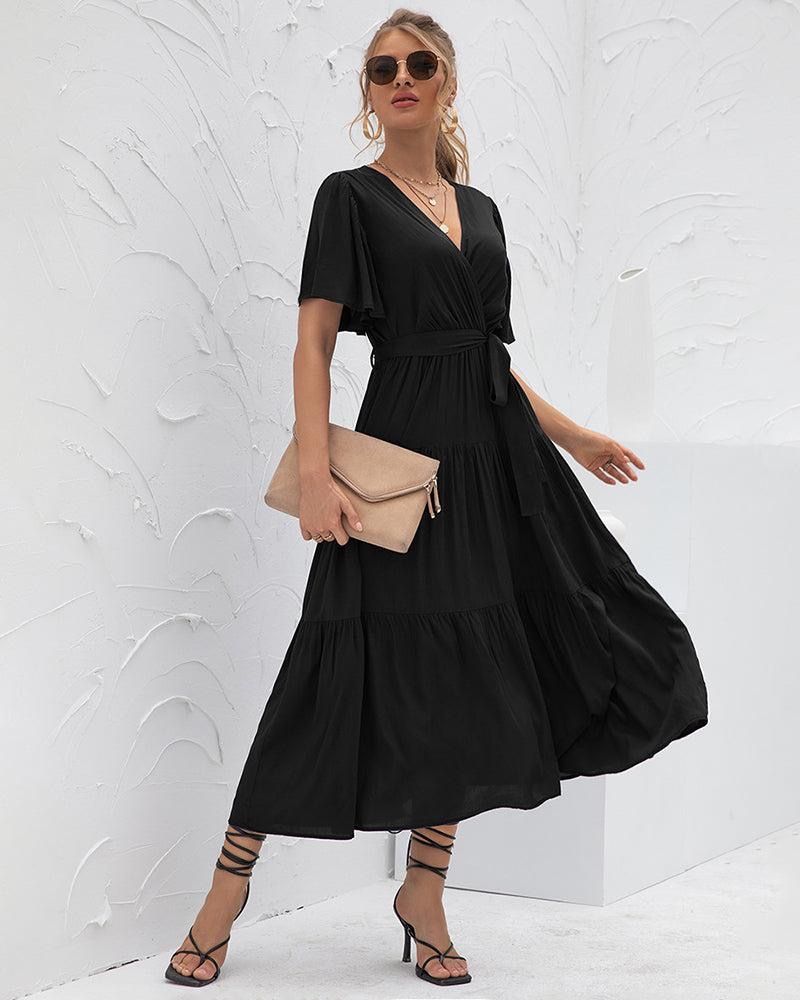
Zeagoo V-Neck Wrap Maxi Dress — $28.97, available XS-3XL | Image: zeagoo.com
Similarly, the A-Line Summer Maxi ($29.90) uses an elastic waist and cross-strap back that adjusts naturally across the size range — no awkward proportional scaling, no “extended size” compromises. The design works because it was conceived for diverse bodies from the start, not retrofitted after the fact.
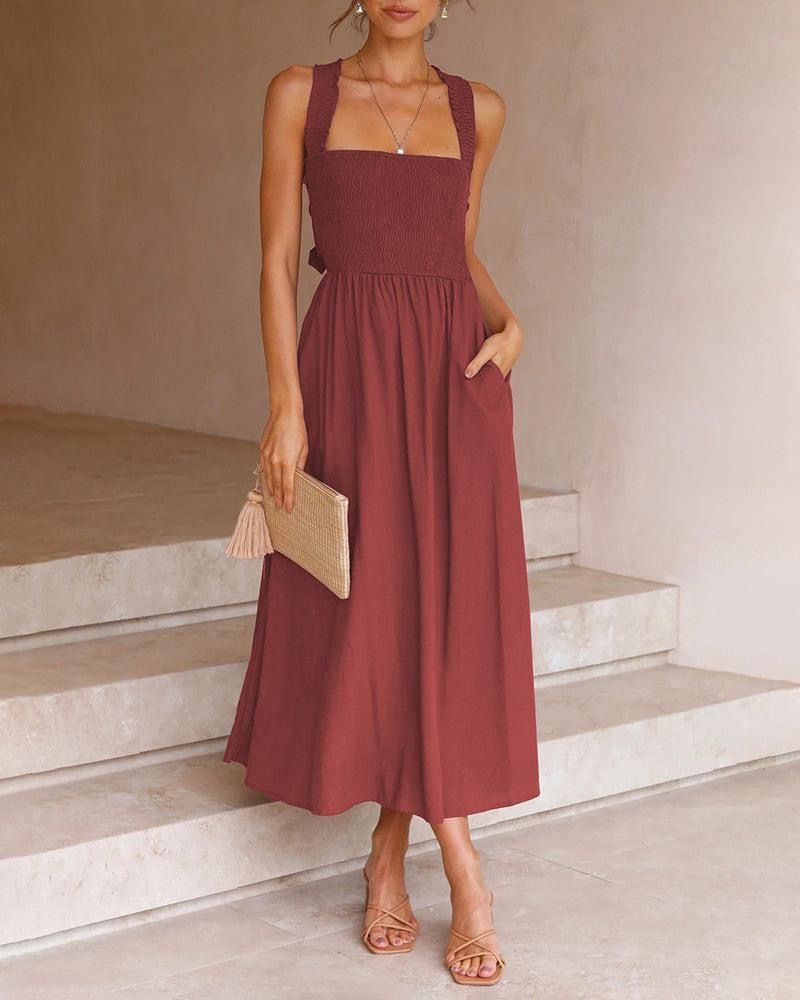
Zeagoo A-Line Summer Maxi — $29.90, available XS-3XL | Image: zeagoo.com
The Cultural Context
This isn’t just a fashion story — it’s a cultural one. The democratization of style has accelerated through two parallel forces: direct-to-consumer brands eliminating the retail markup, and social media giving diverse body types visibility that traditional fashion media historically denied them.
When a brand like Zeagoo earns a feature in Southern Living for “spring dresses for brunch, weddings, and beyond” and the recommended dress costs $26 in sizes XS-3XL, it signals a fundamental shift in who fashion serves. The gatekeeping that once defined aspirational style — price, size, access — is being dismantled piece by piece.
What Comes Next
The brands succeeding in 2026 share a common trait: they treat size inclusivity as a design principle, not a marketing afterthought. Explore size-inclusive spring dresses that prove affordable and aspirational aren’t opposites — they’re the same thing, finally.