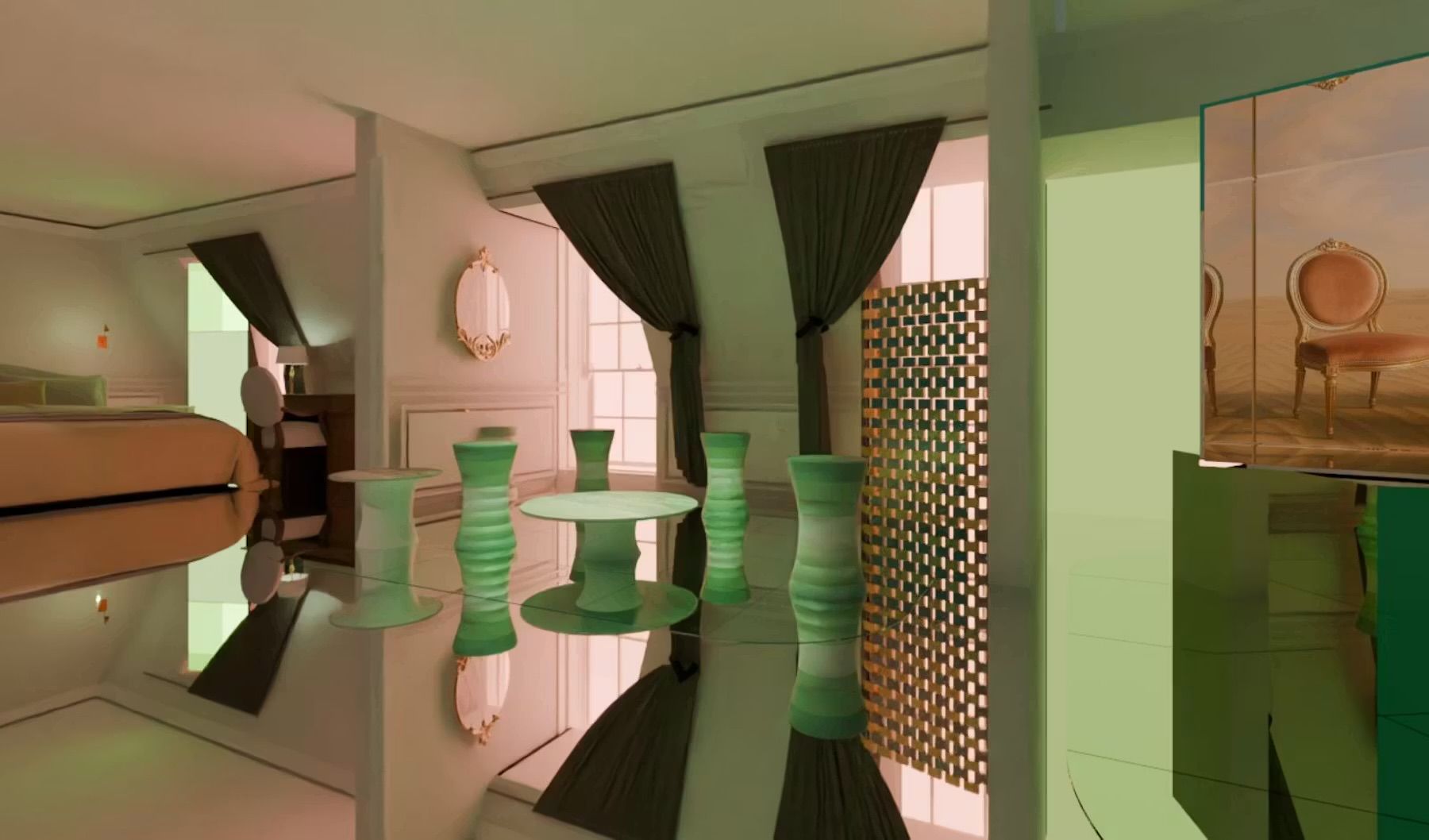
In an era where the boundaries between disciplines continue to dissolve, ISSKA approaches furniture through a lens that feels as informed by couture as it does by architecture. More than a presentation of furniture, ISSKA’s collection creates an immersive experience, inviting users to engage with design as a dynamic interaction between shape, texture, and environment.
At the helm of ISSKA is architect and designer Jessica Solnicki, whose creative background spans fashion, interiors, and architecture. This multidisciplinary perspective informs the studio’s distinctive aesthetic, where silhouette often takes precedence over convention. Rather than approaching furniture solely through function, Solnicki draws from the visual language of couture, applying an understanding of proportion, movement, and form to each piece.
Courtesy of ISSKA
Since founding ISSKA, Solnicki has developed a series of collections—including Permanent, Plage, Polo, Cosmos, and Jewel—each exploring a distinct source of inspiration while remaining connected through the studio’s signature emphasis on sculptural form, materiality, and craftsmanship. Though varied in their references, the collections share a common design language that has become synonymous with ISSKA’s identity.
The central thread throughout Solnicki’s designs is a focus on silhouette. Before material or function comes shape. Seating swells into rounded contours, tables adopt unexpected proportions, and sculpted furnishings introduce moments of visual rhythm. Repeated throughout each collection, the signature hourglass form has become a defining motif, appearing across different scales and finishes while maintaining its elegant presence. Together, these forms created a sense of continuity, allowing each collection to feel distinct while remaining unmistakably ISSKA.
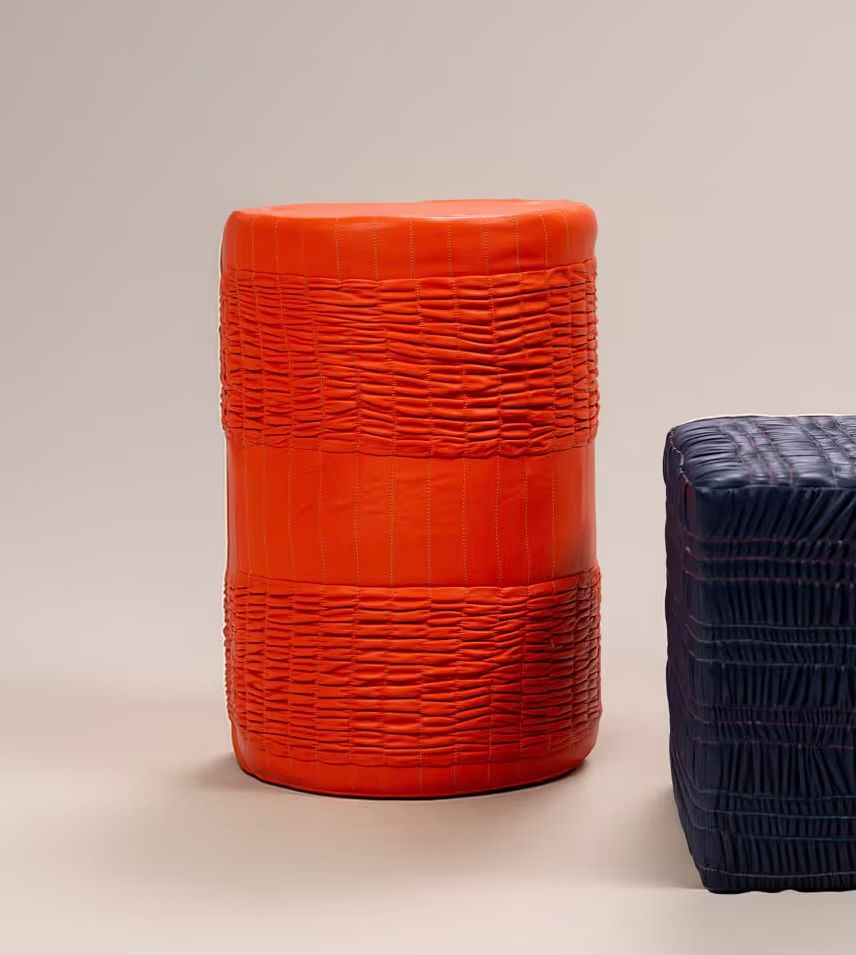
Much like a fashion house develops a recognizable silhouette season after season, ISSKA has cultivated a visual identity that transcends individual collections. Whether rendered in translucent finishes, richly textured upholstery, or sculptural wood forms, the studio’s designs maintain a consistent sense of proportion and balance. This continuity allows the collections to evolve organically, introducing new references and materials while preserving the aesthetic identity that has come to define Solnicki’s work.

Courtesy of ISSKA
Shape serves as more than a visual device within ISSKA’s collections—it becomes a vehicle for storytelling. Drawing inspiration from geological formations, desert landscapes, and the luminosity of precious gemstones, Solnicki transforms natural references into contemporary design. Tables evoke weathered rock formations and shifting terrain, while upholstered furnishings recall the layered textures and rich tonal variation of rare jewels.
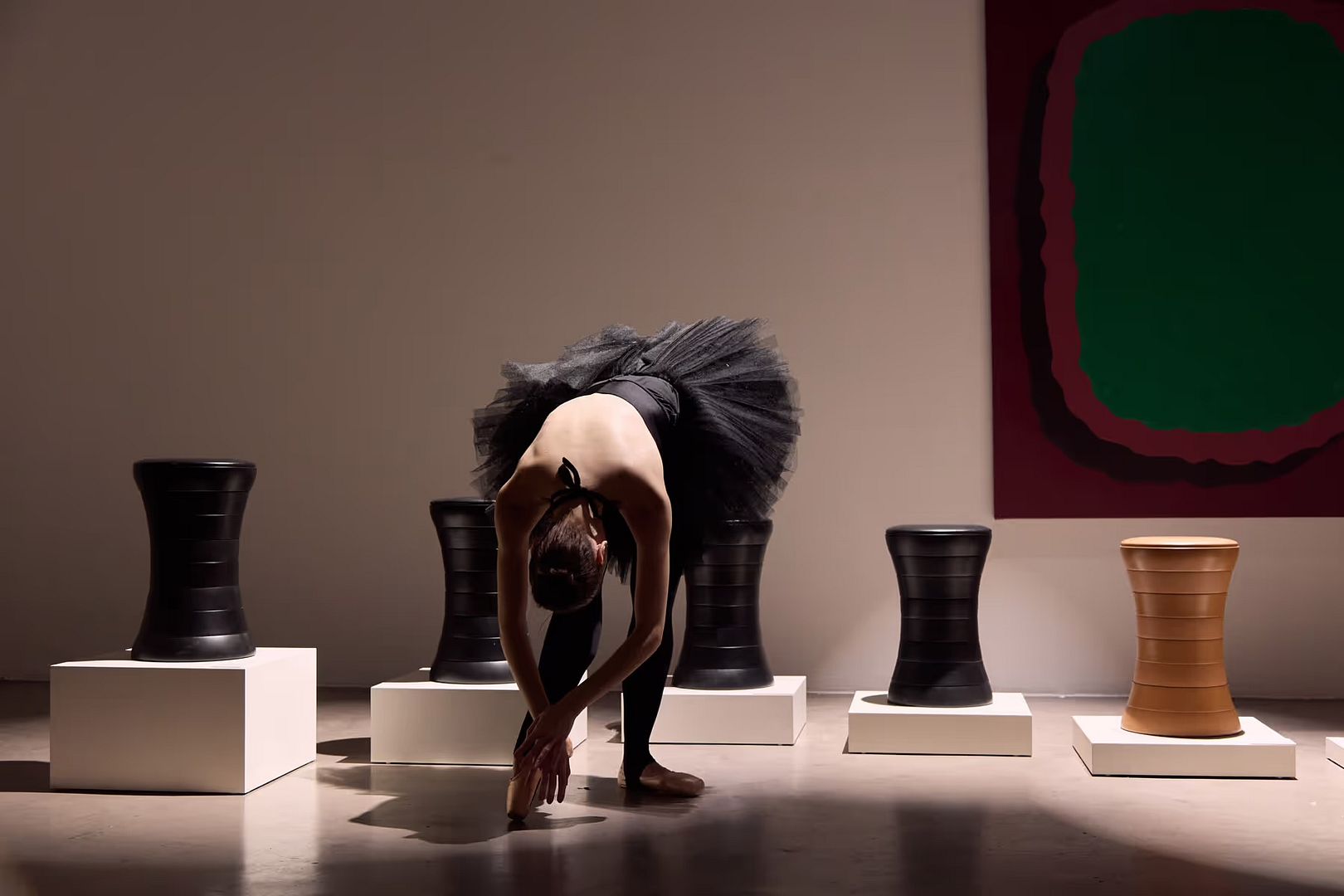
ISSKA created the architectural and interior design project inspired by the Faena Residences Miami, integrating pieces from ISSKA & Things From into a world where furniture, materiality, and space became part of one continuous composition. The project came to life through a live performative exhibition: a ballet accompanied by tango music composed by ISSKA, transforming the space into an immersive experience of movement, sound, and atmosphere. Each piece, texture, and choreographed gesture revealed a new way of inhabiting design.
Courtesy of ISSKA
The performance also underscored the recurring themes present throughout ISSKA’s collections. As dancers moved between the furnishings, the collection’s curved forms and fluid profiles appeared almost animated, reinforcing Solnicki’s fascination with movement and transformation. The presentation offered a rare opportunity to experience the work beyond a traditional design context, revealing how furniture can engage in a dialogue with performance, fashion, and contemporary culture.
At a moment when the world of fashion, design, and art are becoming increasingly intertwined, ISSKA occupies a distinctive space between disciplines. Solnicki’s work demonstrates how furniture can function as both a practical object and a creative statement, offering a vision of contemporary living rooted in craftsmanship, curiosity, and individuality. The result is a collection that feels less concerned with fleeting trends than with creating meaningful and lasting connections between people and the places they inhabit.