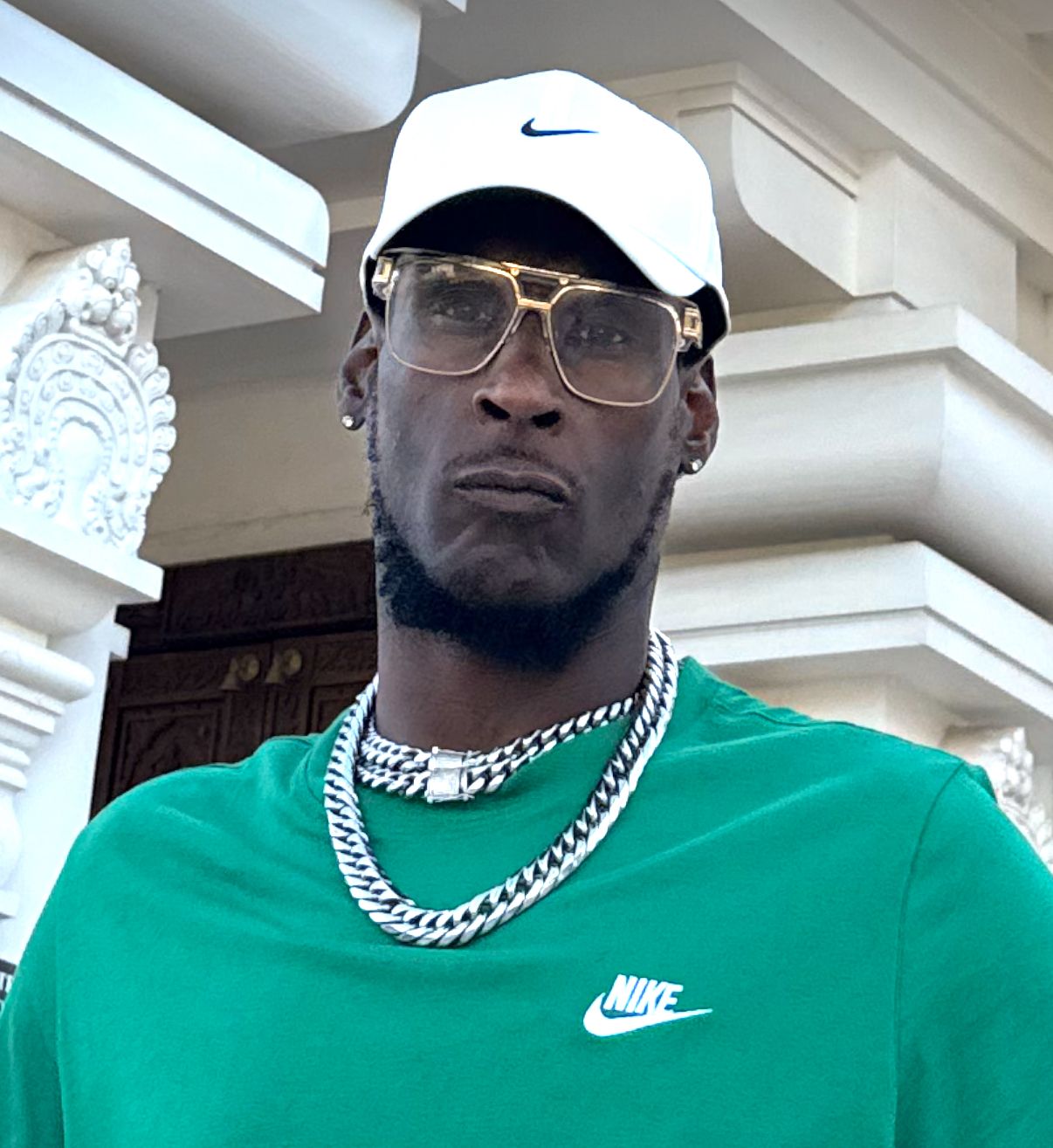
For nearly two decades, Anthony James Sledge, known professionally as AJDaGuru, has operated almost entirely outside the traditional music industry structure. The New Haven, Connecticut artist built his career on his own terms, releasing music, documenting hip-hop culture through his InYaEarHipHop platform, and maintaining ownership of his catalog without the support systems most artists spend years trying to secure.
Over time, the work accumulated into something difficult to ignore. His music surpassed a million Spotify streams. His run eventually led to a number-nine placement on the LyricFind Global chart, a Billboard-affiliated ranking tied to worldwide lyric engagement. Through InYaEarHipHop, he documented performances and interviews with artists including Post Malone, G Herbo, Lil Uzi Vert, Dave East, Lil Durk, and many more during an era when much of the culture still lived offline before exploding into algorithms and short-form clips.
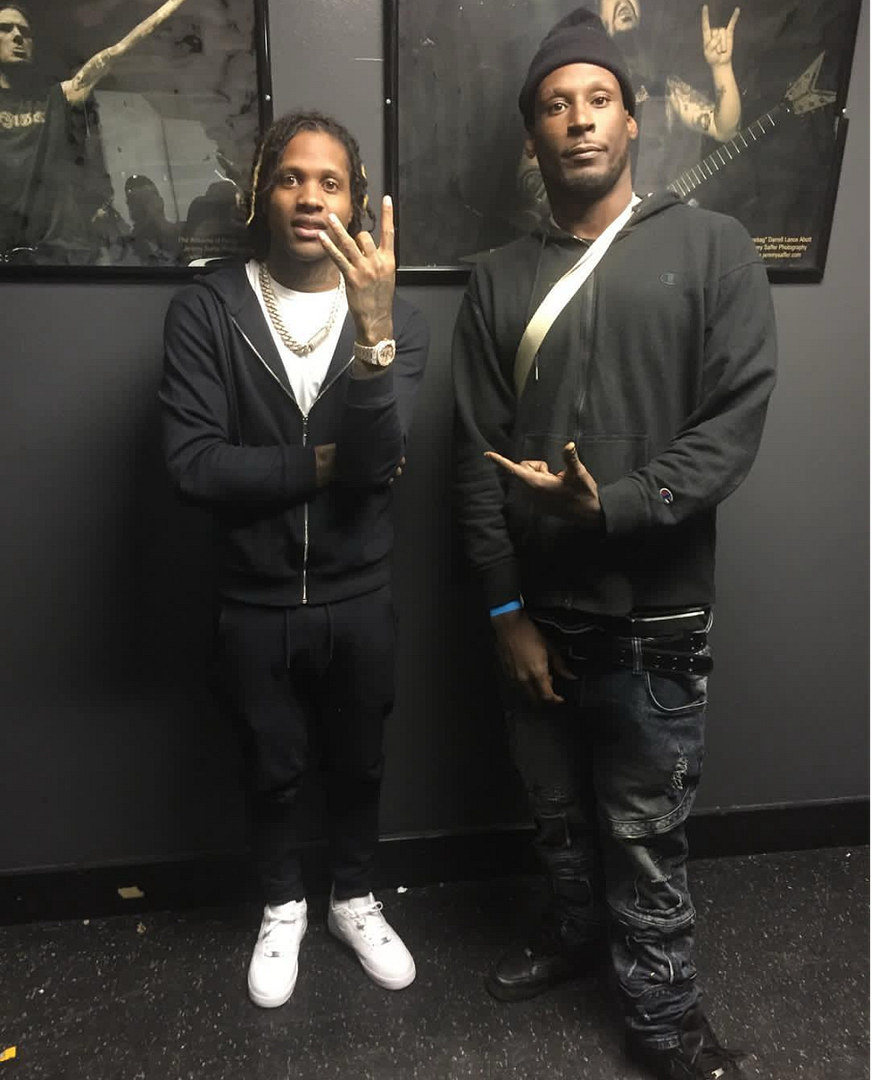
AJDaGuru (right) pictured with Grammy Award-winning artist Lil Durk during the Signed to the Streets 3 tour.
He did all of it without a label behind him.
Then his body forced him to slow down.
Everyone talks about the grind. Very few people talk about what happens when your body stops cooperating with it.
For AJDaGuru, that interruption unfolded over the course of several years. Recurring throat and tonsil infections slowly began interfering with the one thing his work depended on most: his voice.
“It wasn’t one dramatic moment,” Sledge said. “It was something that kept coming back over time. Every time it did, it took something with it — your energy, your focus, your ability to work normally for the day. Then you’re trying to catch back up while it’s already happening again.”
At first, he adjusted quietly. Recording sessions became less predictable. Vocal stamina became inconsistent. Sessions that once felt routine started feeling physically draining in ways he could not fully explain at the time.
“There were days where I could immediately tell my throat wasn’t reacting normally,” he recalled. “You start adapting without realizing it. Then eventually you realize you’ve been working around the problem instead of actually fixing it.”
For most people, recurring throat infections are temporary inconveniences. For a recording artist whose work revolves around vocal performance, they can slowly reshape the entire creative process.
The complications began affecting not only his recording output but the overall pace of a career that had taken years to build. Supporters noticed longer gaps between releases, though few understood what was happening behind the scenes.
What made the situation harder was the reality of navigating it alone.
That is the part of artistry built outside the system that rarely becomes visible publicly. The milestones get posted. The streams get counted. The highlights become content. But the infrastructure, or the absence of it, usually stays hidden until something goes wrong.
When major artists step away temporarily, teams continue operating around them. Rollouts get rescheduled. Publicists manage the narrative. Business keeps moving while the artist heals in private.
Artists without that structure often do not have the same option.
“When you’re independent, there’s nobody stepping in to keep things moving while you recover,” Sledge said. “If you stop, everything stops with you.”
Working around the problem eventually stopped being sustainable.
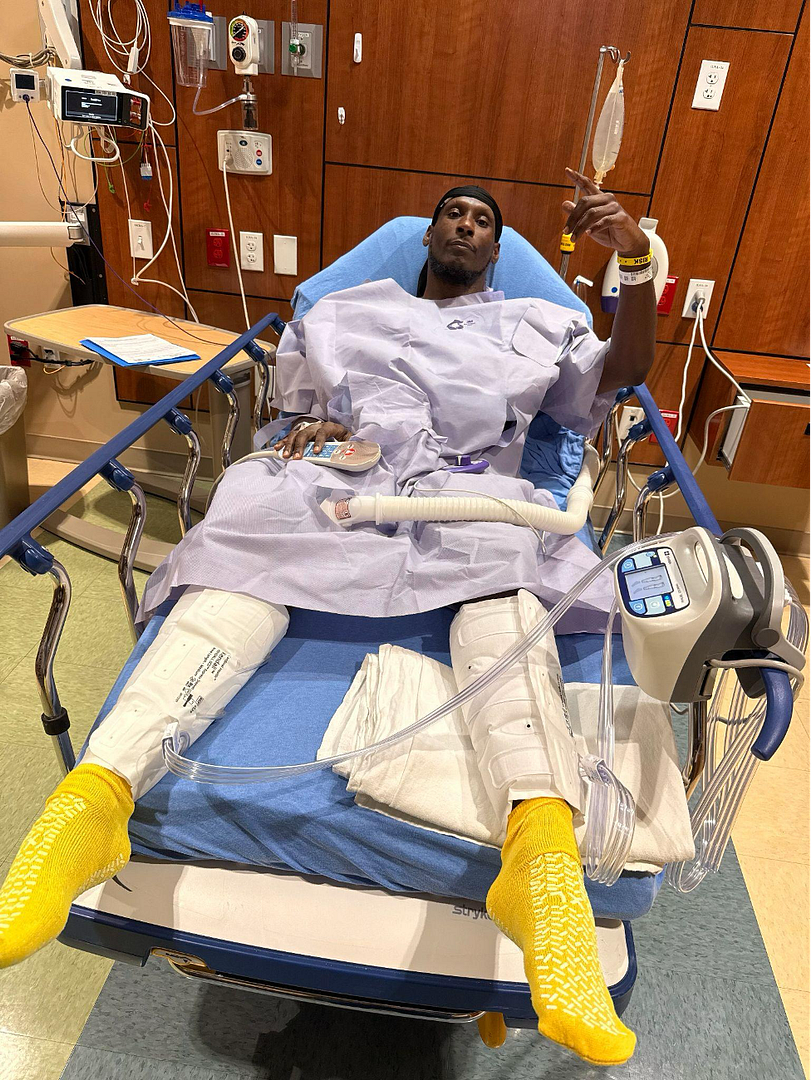
On May 8th, Sledge underwent tonsil surgery following years of recurring complications that had increasingly affected both daily life and studio work. For now, he remains away from recording, in the middle of a recovery process that has forced a stillness his career has rarely seen.
The surgery ultimately carried costs exceeding $18,000 in combined hospital and physician fees, a financial burden absorbed without label support or corporate infrastructure. Rather than keeping it private, Sledge addressed it directly online, sharing both the procedure and the reality of what recovery looks like without a team around him.
“Just had to go under the knife to get these tonsils out,” he wrote on Instagram. “$18,000 to protect the voice and the health. I’m on the sidelines for 3 weeks. Be back soon.”
For artists operating independently, even short absences carry real risk in an industry driven by constant output. Algorithms reward frequency. Audiences move fast. Silence is often read as decline rather than recovery.
That pressure, Sledge says, changes the psychology of how artists without label backing learn to operate.
“You train yourself not to stop,” he explained. “Even when you probably should.”
Recovery from adult tonsil surgery involves weeks of restricted diet, vocal rest, and limited physical activity, an adjustment that does not come naturally to someone whose career has been built on forward motion.
For an artist whose voice has been tied to nearly every aspect of his routine, the silence that followed surgery felt unfamiliar at first. The silence has created space for something the grind never allowed: reflection.
Rather than focusing on recording, Sledge says the recovery period has shifted his attention toward planning, long-term structure, and the organizational side of his career, things that often get pushed aside when the creative work is flowing.
“Sometimes stepping away changes the way you look at everything,” he reflected. “You notice things you don’t see when you’re constantly moving.”
One of the more unexpected parts of this period, he says, has been realizing how many people still remember earlier work connected to both his music and InYaEarHipHop.
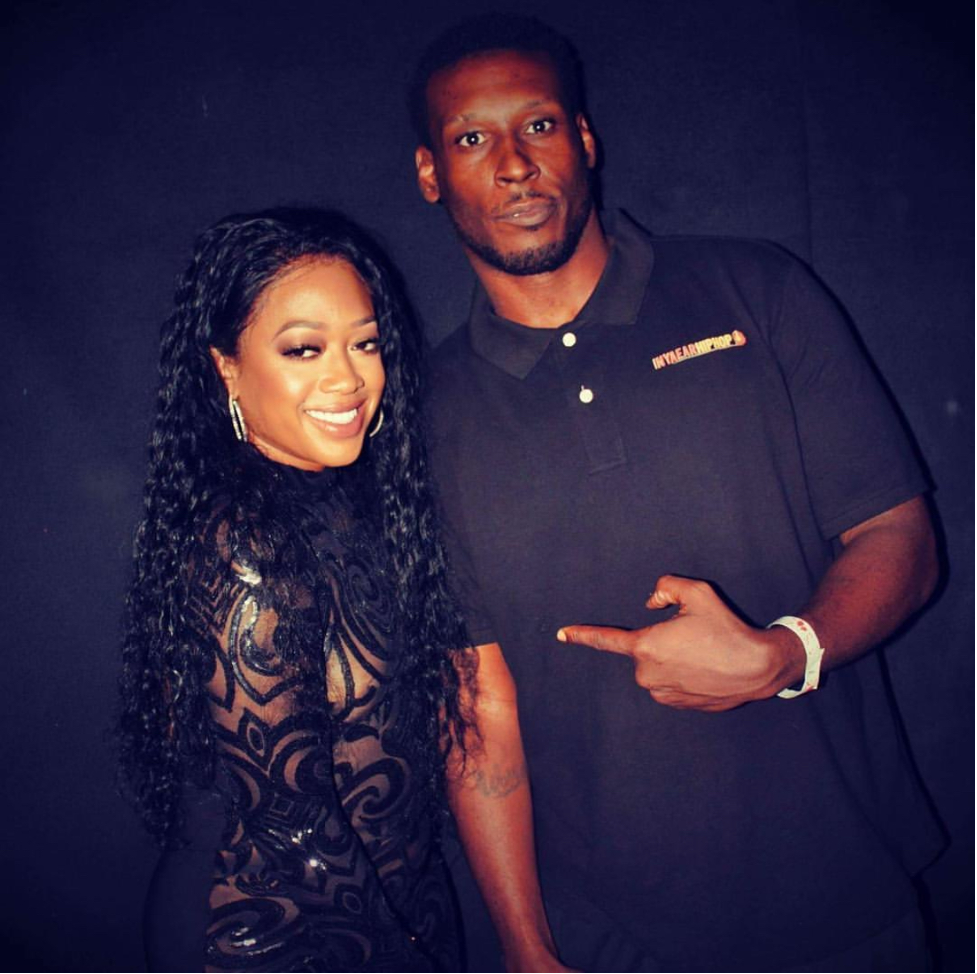
AJDaGuru (right) alongside hip-hop icon Trina.
“A lot more people remembered the work than I expected,” he said. “That surprised me.”
There is no timetable for returning to the studio. The focus right now is healing fully before stepping back in front of a microphone.
“There’s this idea online that if somebody slows down, they fell off,” Sledge said. “Sometimes people are just trying to get healthy again.”
For artists working outside the system, public narratives get built around the visible moments, releases, interviews, chart placements, milestones. The physical and personal realities that happen between those moments rarely get the same attention.
For AJDaGuru, this period has become less about interruption and more about finally confronting something that had quietly followed him for years before most people understood the silence surrounding it.
“I don’t look at it like the end of something,” he said. “If anything, it’s the first time in a long time I feel like I’m actually fixing the problem instead of working around it.”
Words by Tom Oakley