By Tabitha Ysart Green
Generally described as technophobia and AI anxiety, Engin Demir’s works probe the present-day anxieties that plague humanity surrounding the increasing use of AI and technology and its swift development and “humanisation”. His two 2025 works Filter Level and Synchronous Illusion explore two different future possibilities, where human experience is produced and human-robot relationships have moved beyond master and machine towards something more ‘organic’. Together these works can be read as a continuous story imagining a merger of human and robot experience in the face of technological advancement. Filter Level questions what makes an artificial being individual; Synchronous Illusion questions whether the distinction between an artificial and human being can remain meaningful at all.
The topic of technophobia has been at the forefront of media production since the dawn of the digital era in the 1970s, and has dominated the human imagination since the era of the Luddites and the Industrial Revolution. Expressions of this anxiety can be recognised through modern media, and are particularly relevant in science-fiction productions such as Blade Runner (1982) which expressed contemporary anxieties surrounding transhumanism and artificial identity, and its modern counterpart Blade Runner 2049 (2017) which further explores ideas of unknowing automatons and the ever dissolving divide between humanity and digital consciousness. Demir’s work updates this anxiety for a period in which AI is no longer simply imagined as an external machine but increasingly imitates human perception, communication and behaviour.
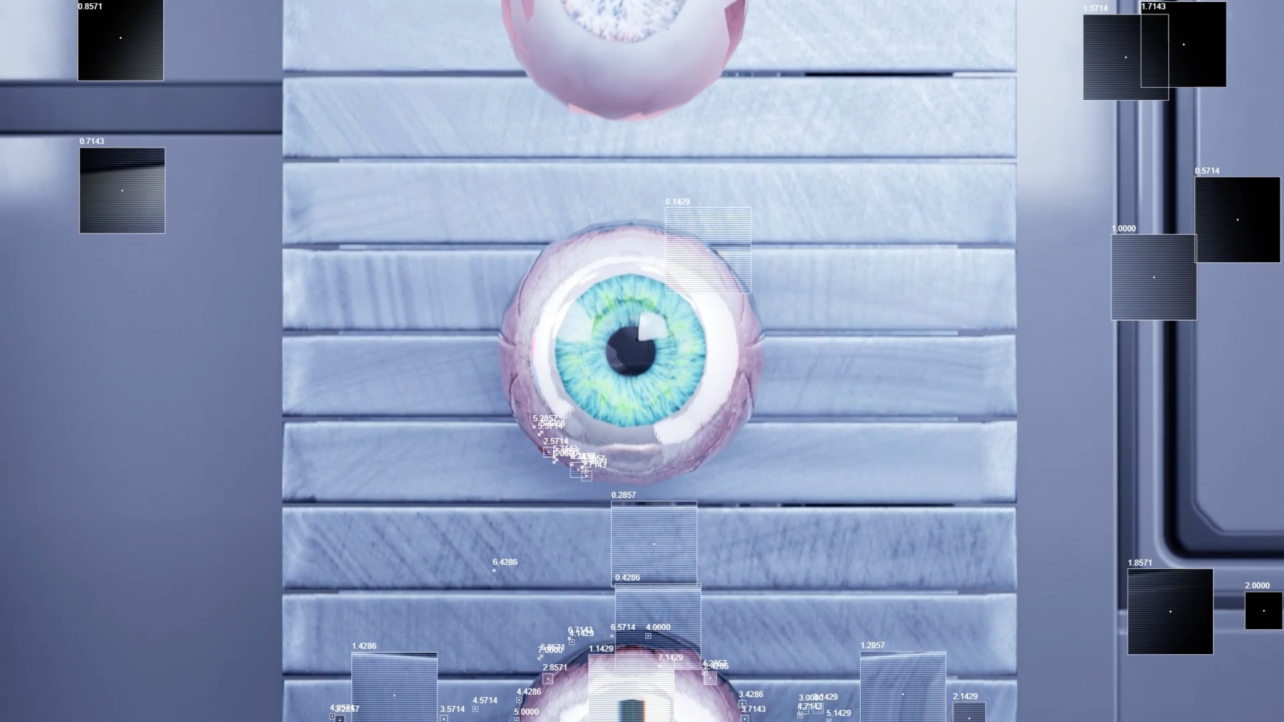
Filter Level explores themes of production and construction, covering technological bodies, perception and personal experience. It begins with the physical production of near perfect human replicas. Body parts and complete models pass along conveyor belts with particular emphasis placed on the eyes and mouths of the models. There is no uniqueness between these creations. The focus on the eyes and mouths of these models is particularly interesting as it highlights the ways in which we both experience the world and communicate about our experiences.
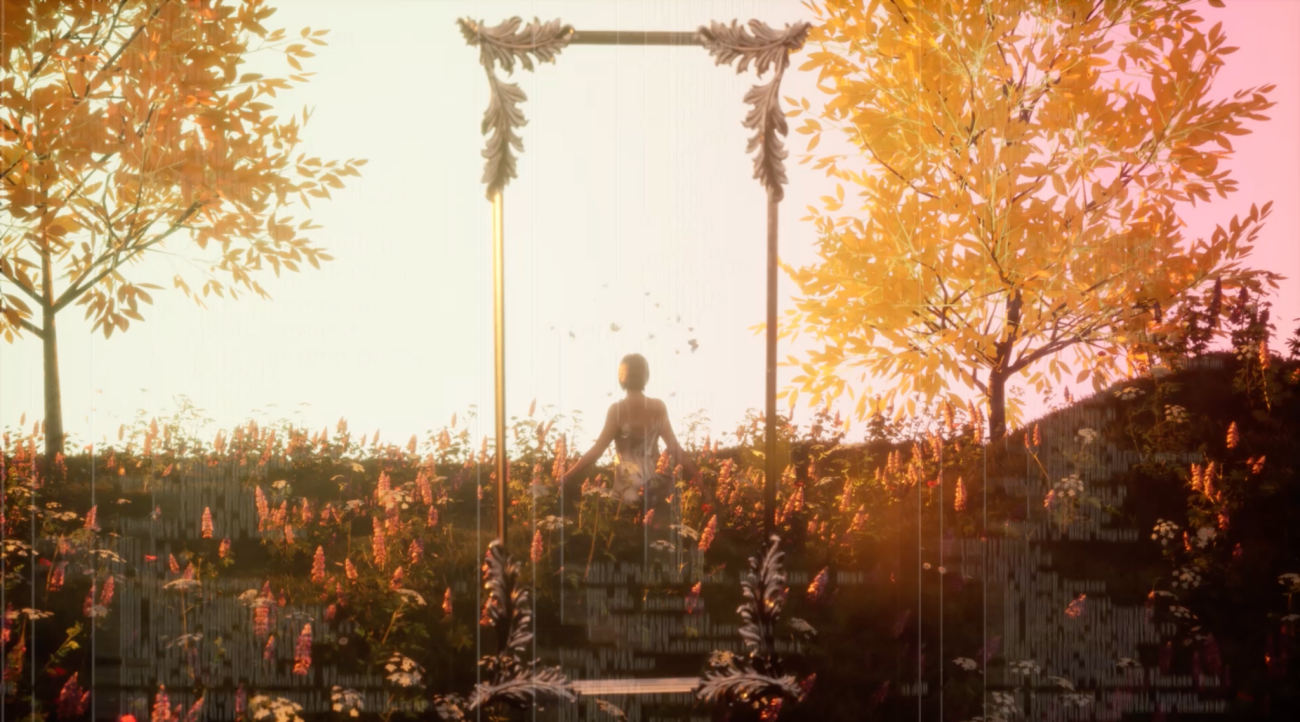
We are then shown one of these models being exposed to the real world, seemingly for the first time, as the models’ systems take in and catalogue their surroundings. It seems that through this exposure, this model moves beyond the collective and gains uniqueness, implying that individuality is not necessarily an inherent human quality but something produced through experience. If it is our experiences that make us unique, what will happen to humanity in the face of the increasingly algorithmic way in which we perceive the world? Conversely, what happens to the divide between human and robot when robots become more organic and less prescribed?
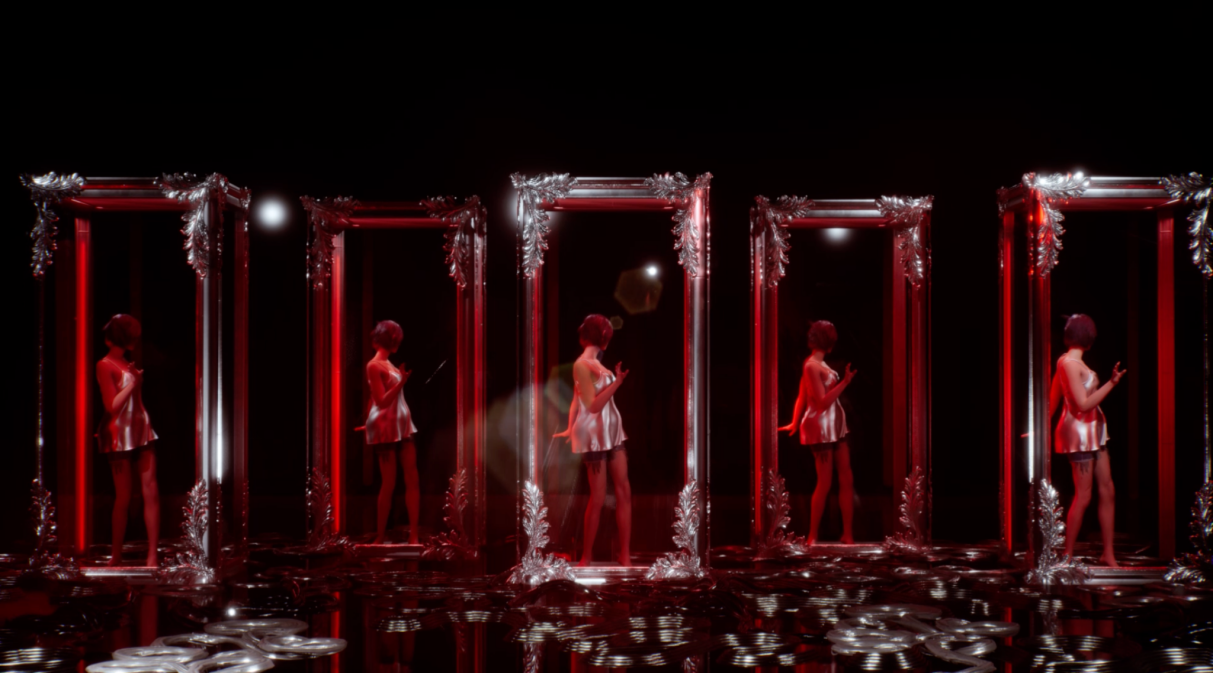
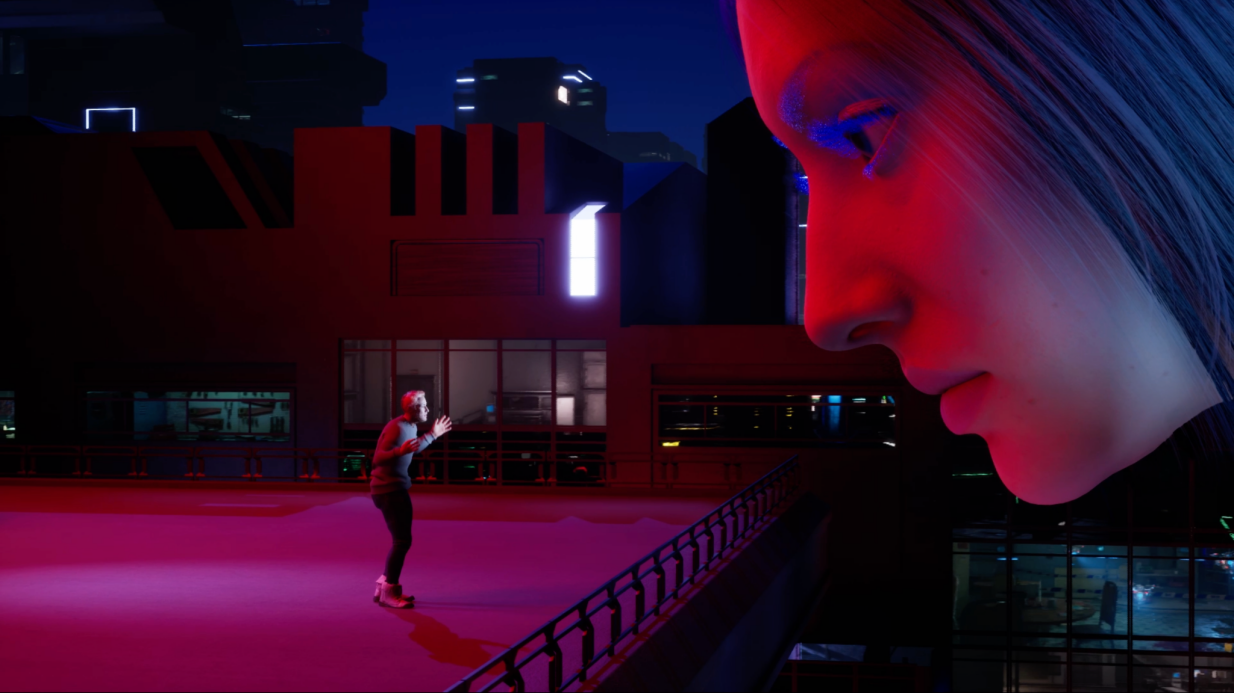
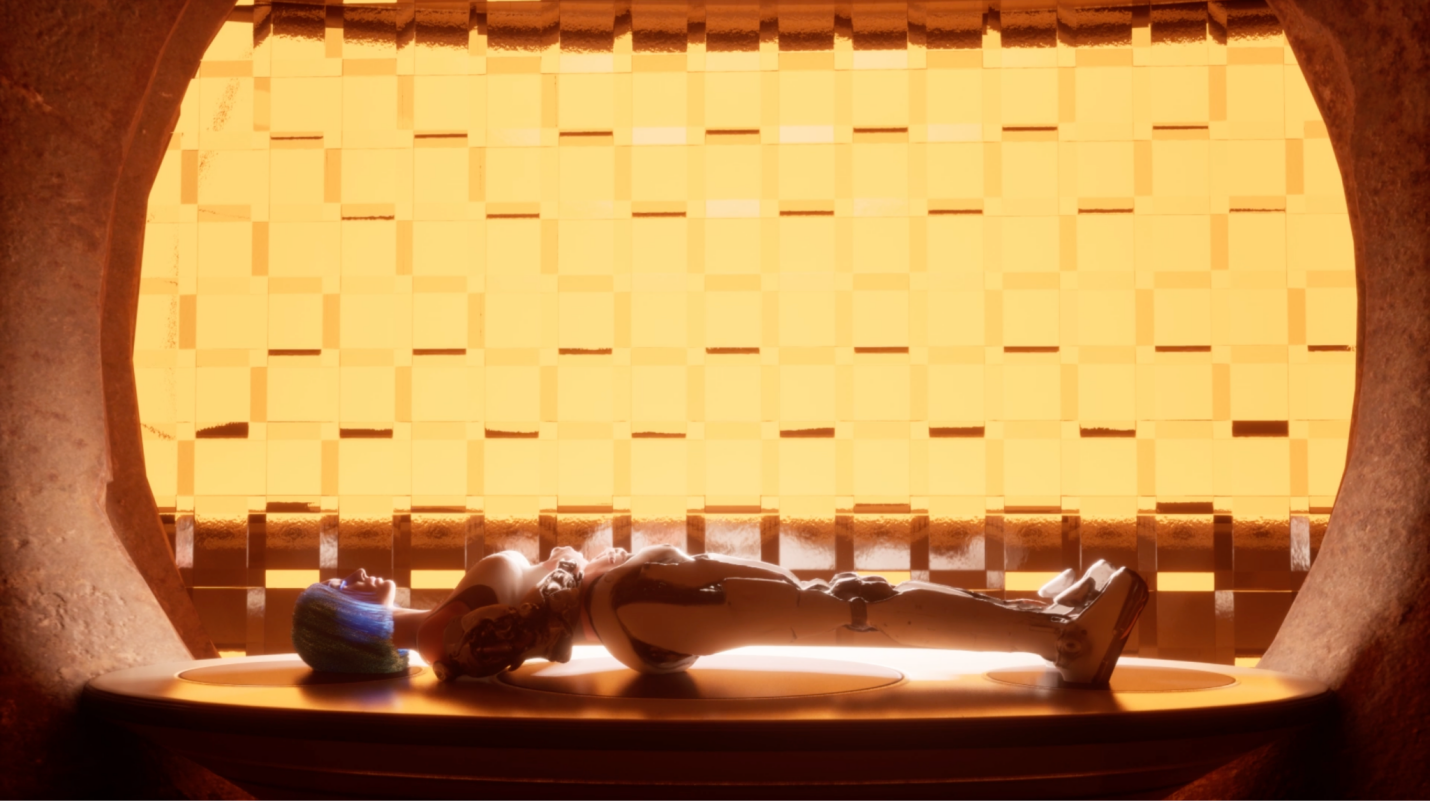
Following on from Filter Level, Synchronous Illusion then further develops the discussion about the simultaneous division and convergence of humans and robots. Its protagonist, a bionic woman who appears simultaneously to be a robot with a human face and a human with bionic parts, raises questions about robotic interventions into human biology, and what it means to be human. The viewer is unable to distinguish her nature, and is therefore unable to categorise her, leading to an open interpretation of the events in the work. Physically, we cannot determine what she is. Conceptually, however, the inability to determine what she is forces the viewer to ask: Why do we need to know?
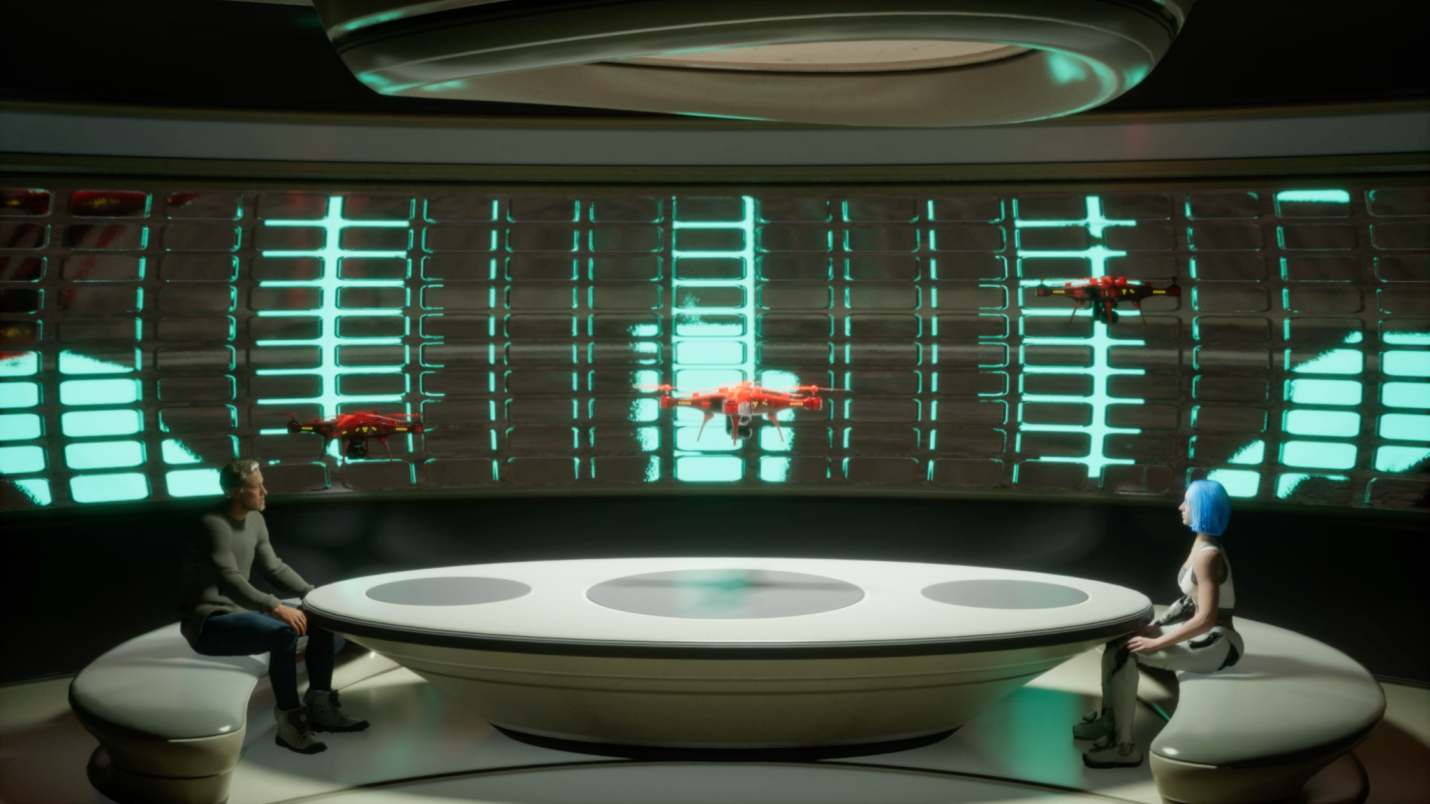
She is accompanied by a male protagonist who is visually a wholly organic human. However, Demir’s oeuvre establishes a universe in which we can never be completely sure. There is a tension between the two characters which reads like a relationship feud, with discussions or arguments taking place across various settings. These encounters appear as stand-ins for the current negotiation and thought experiments around the future of relationships between humans and technology. He also uses uncertainty as a medium for discussion. In these interactions it is unclear who has the upper hand, or who holds dominance, conveying the uncertainty of our future relationship with technology. The work takes on a final sinister edge when it is revealed that the male protagonist now has the bionic woman housed and seemingly decommissioned in a far-flung warehouse, which would serve as a statement about the continued control of humanity over technology, if not for the ambiguity of the female figures’ nature.
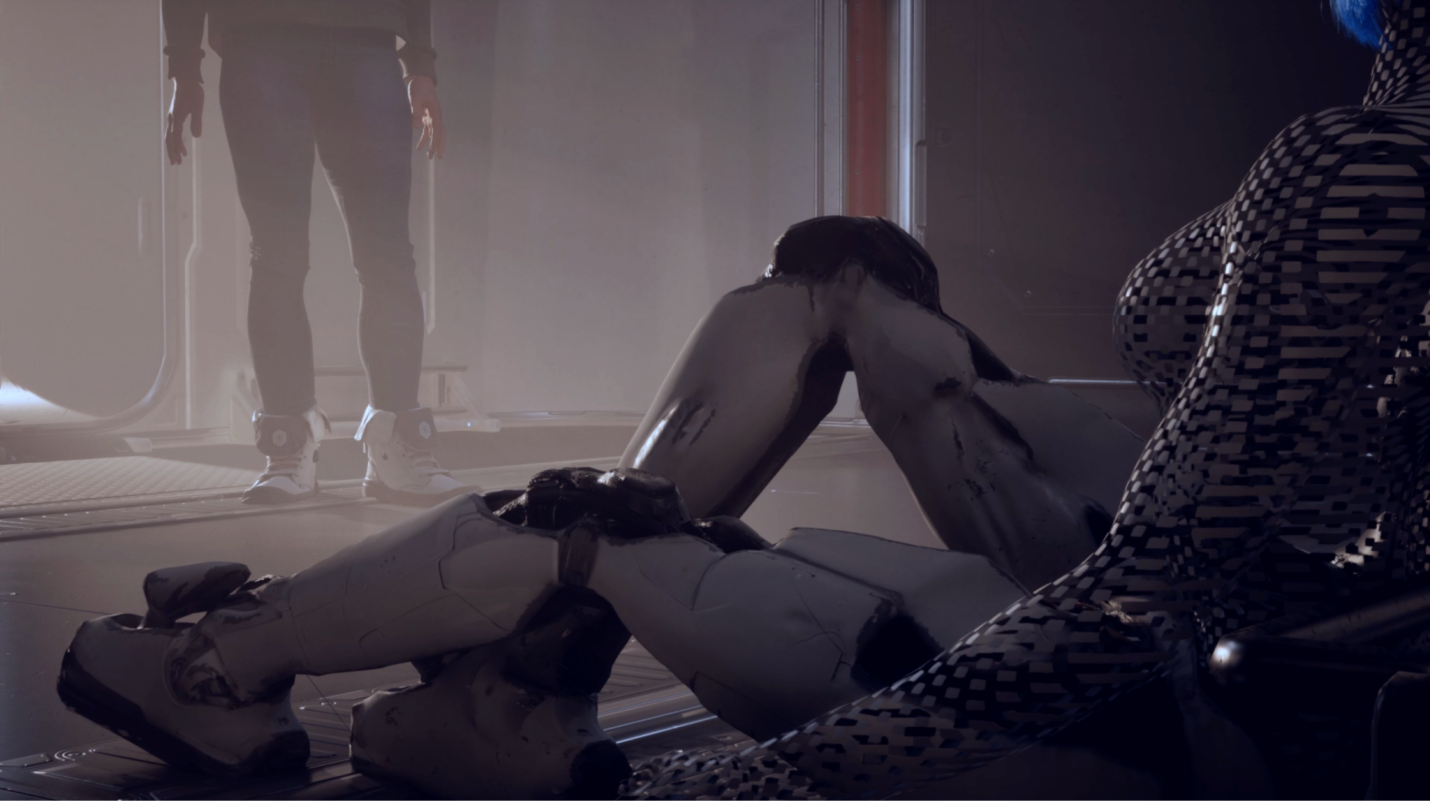
Demir leverages ambiguity as a tool to provoke thought about the nature of humanity in the face of our increased assimilation of technology into our everyday lives. Rather than offering a definitive vision of humanity’s technological future, He leaves the distinction between human and machine deliberately unresolved. In doing so, the anxiety within the works does not arise solely from the possibility of machines becoming more human, but from the possibility that humanity itself may become increasingly difficult to distinguish from the technology it creates.