There’s a particular kind of object that functions as both utility and statement — that gets noticed not because it announces itself loudly but because it signals something specific about the person carrying it. A record sleeve that became iconic. A tour shirt that circulated through decades of secondhand stores before becoming a reference point for contemporary designers. A photograph that captured a cultural moment precisely enough that it still gets reproduced on mood boards and in editorials thirty years later.
Wildflower Cases has built a product category that operates in that same register. Not the phone case as protective afterthought, and not the phone case as logo vehicle, but the phone case as a piece of visual culture — something that carries a point of view and communicates it every time it’s set down on a table or pulled from a pocket.
For a publication whose editorial vision sits at the intersection of music, fashion, and art, the question isn’t whether that ambition is coherent. It clearly is. The more interesting question is how Wildflower has executed it, and what the brand’s trajectory reveals about where the appetite for artist-led objects is heading.
The Phone as Canvas
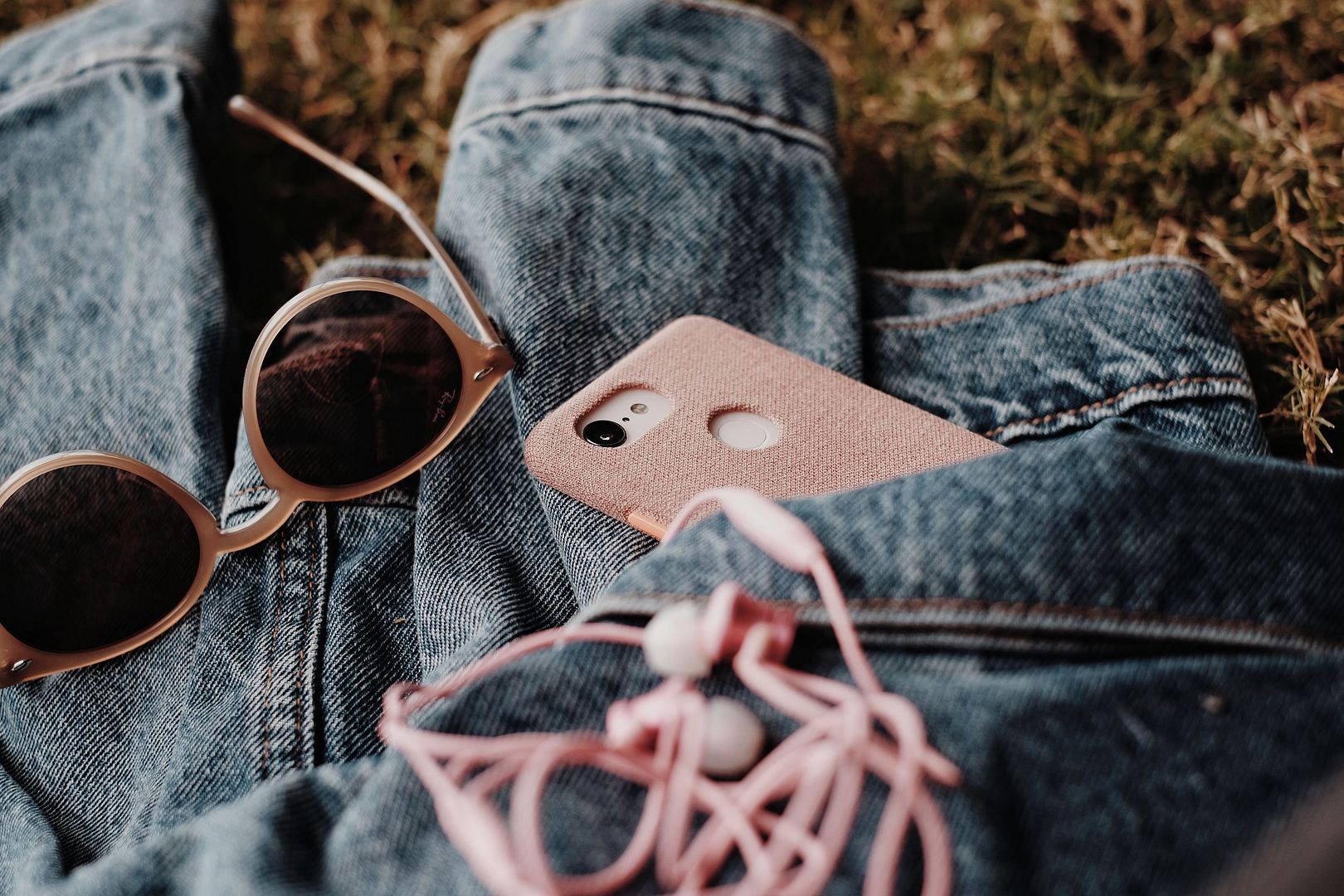
The trendy iPhone cases occupy a peculiar position in the ecosystem of personal objects. They’re among the most visible accessories a person carries — the device comes out constantly, gets set down in every room, appears in every photograph taken at close range. That visibility makes the case a genuine expressive surface, one that most manufacturers have historically treated as an opportunity to display a logo rather than an image worth looking at.
The artists Wildflower has brought into its collaboration model understand that surface differently. The constraints — a specific form factor, a relatively small field — are treated as design parameters rather than limitations, in the same way that a record sleeve designer works within a twelve-inch square or a photographer composes within the frame. What emerges from that approach is a product that functions the way album artwork functions: as a compressed expression of an aesthetic world that rewards closer attention.
Music, Fashion, and the Visual Grammar They Share
The editorial territory this publication occupies — the overlap between music culture and fashion — has always generated its most interesting objects at the moments when those two worlds develop a shared visual grammar. The relationship between a particular sound and a particular look isn’t arbitrary. It’s one of the more consistent drivers of cultural meaning, and the objects that capture it in a specific moment tend to acquire a staying power that straightforwardly commercial products don’t.
Wildflower’s collaboration strategy reads as an intuitive understanding of that dynamic. The artists and creative figures the brand has worked with bring visual languages that aren’t developed in isolation from music culture — they’re embedded in it, shaped by it, reflective of the same aesthetic conversations happening in fashion, in photography, and in the broader creative ecosystem that this publication covers.
The result is that the iPhone cases produced through these collaborations function as artifacts of a specific cultural moment in a way that requires no explanation to the right audience. They’re legible to people who are paying attention to the same things.
The Editorial Object
There’s a category of object that high-concept fashion publications have always been interested in — things that photograph well, that carry enough conceptual weight to sustain an editorial treatment, and that communicate something about the cultural moment they emerged from. Wildflower’s collaboration releases fit that category in ways that most accessories don’t.
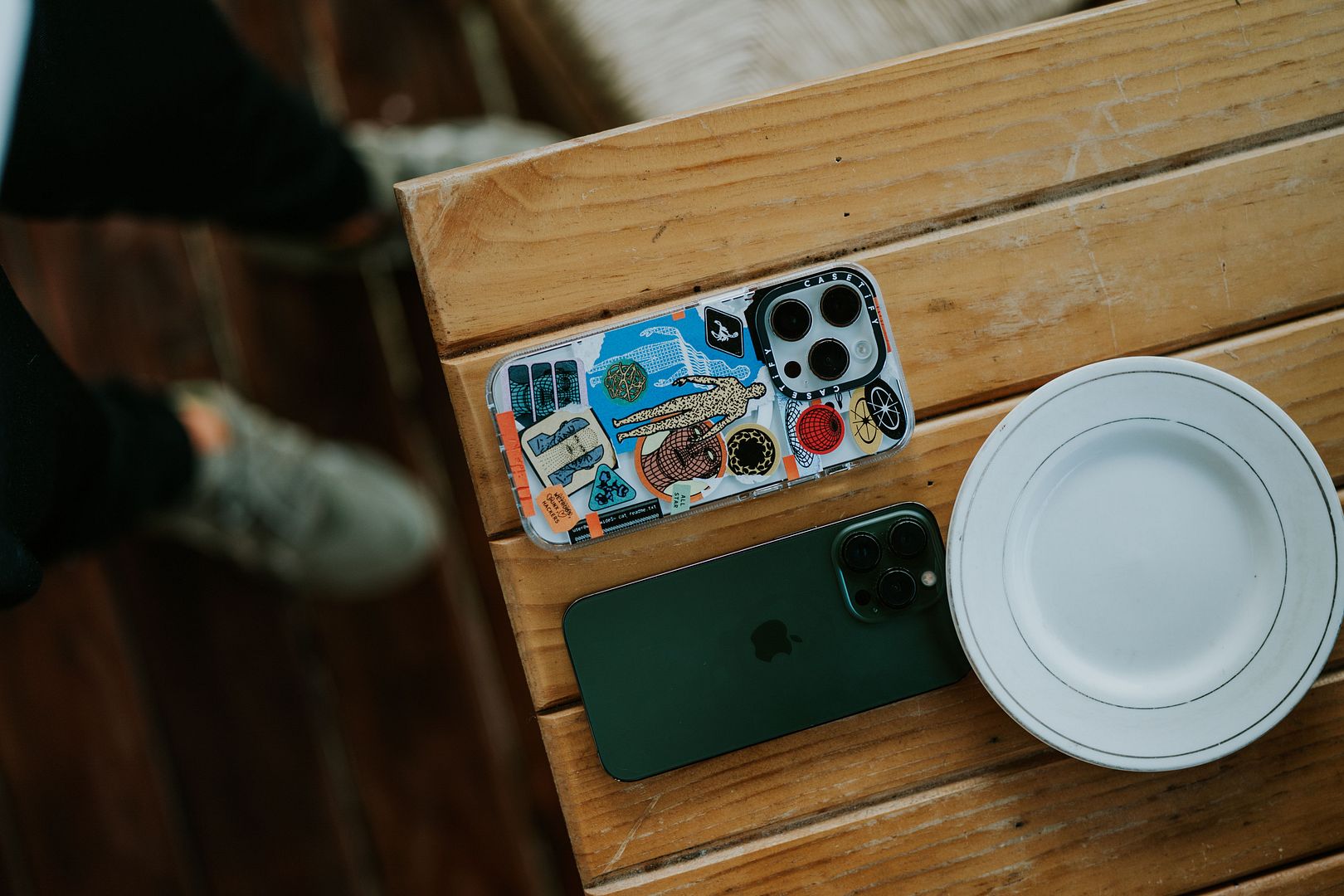
The visual maximalism that runs through much of the brand’s output — the density of imagery, the refusal of minimalist restraint, the embrace of color and pattern at an intensity that reads as confident rather than chaotic — is the kind of aesthetic position that generates interesting images. It has the quality that editorial photographers look for: something that has a point of view strong enough to push back against the camera rather than simply sitting in front of it.
The Emerging Talent Connection
For a publication that covers emerging creative talent alongside established figures, Wildflower’s collaboration model offers something else worth noting. The brand has not limited its partnerships to artists with established market positions — it has moved fluidly between names that carry significant cultural weight and figures whose recognition is more concentrated, more specific to particular communities of practice.
That fluidity is itself a statement about how cultural relevance works in the current moment. The traditional hierarchy — emerging, mid-career, established — has become less predictive of actual influence than community depth and the authenticity of an artist’s engagement with a specific scene. Wildflower’s casting, to borrow a term from another context, reflects that shift.
What It Adds Up To
The phone case is a strange object to carry the weight of cultural significance. But objects acquire significance through the intentions invested in them and the communities that form around them — not through category. Wildflower has made the case, literally and figuratively, that the form factor isn’t the limiting factor.
What the brand has built is a platform for visual culture that happens to be wearable. For a publication interested in where fashion, music, and art intersect, that’s a conversation worth having.