Traditional hour-long lectures and dense textbooks are increasingly complemented by microlearning, which delivers high-impact content in 5 or 10-minute bursts, ideal for busy schedules. These digital nuggets fit into daily gaps and intense worklife: a single vocabulary quiz in a language app on your commute or podcast-style audio between meetings. This flexible approach transforms fragmented moments into productive learning sessions via mobile platforms, changing the learning culture as a whole.
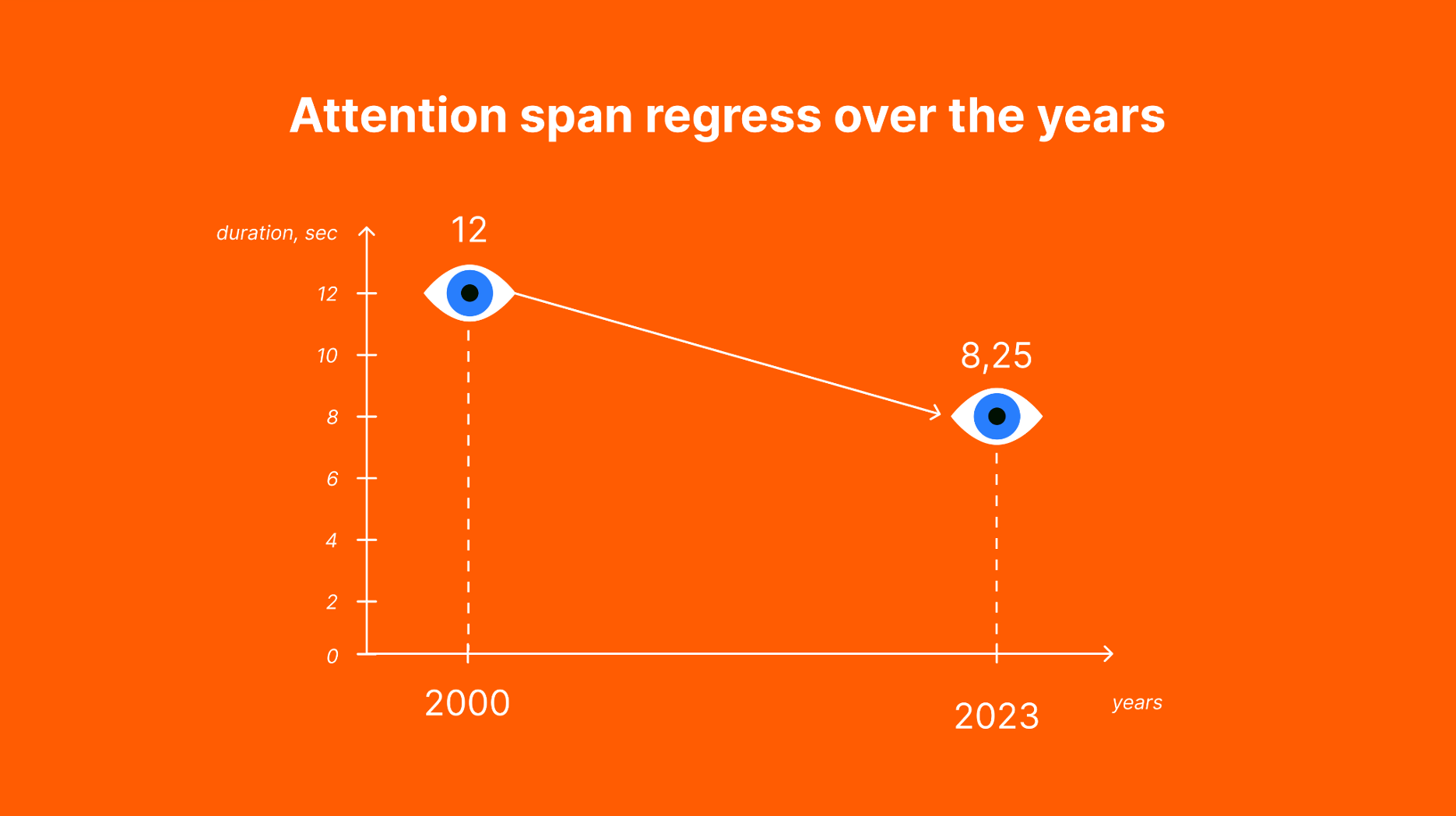
The way we acquire knowledge has shifted toward continuous learning. Many employees would stay at a company longer if it invested in their development and education. This highlights a growing learning culture in which the responsibility for growth rests with the individual. The primary barrier remains a lack of time. Most people struggle to balance dense educational material with a constant stream of digital notifications and short attention spans. That is why many people use microlearning apps to replace social media and doomscrolling, too.
What Is a Learning Culture and Microlearning?
A learning culture exists when an organization or community prioritizes continuous knowledge acquisition and skill development as a core value. In this environment, you find that curiosity is encouraged and individuals feel safe to experiment with new ideas. This framework moves away from static training sessions and helps to integrate growth into daily routines through microlearning, peer feedback, open access to resources, ed-events, and much more.
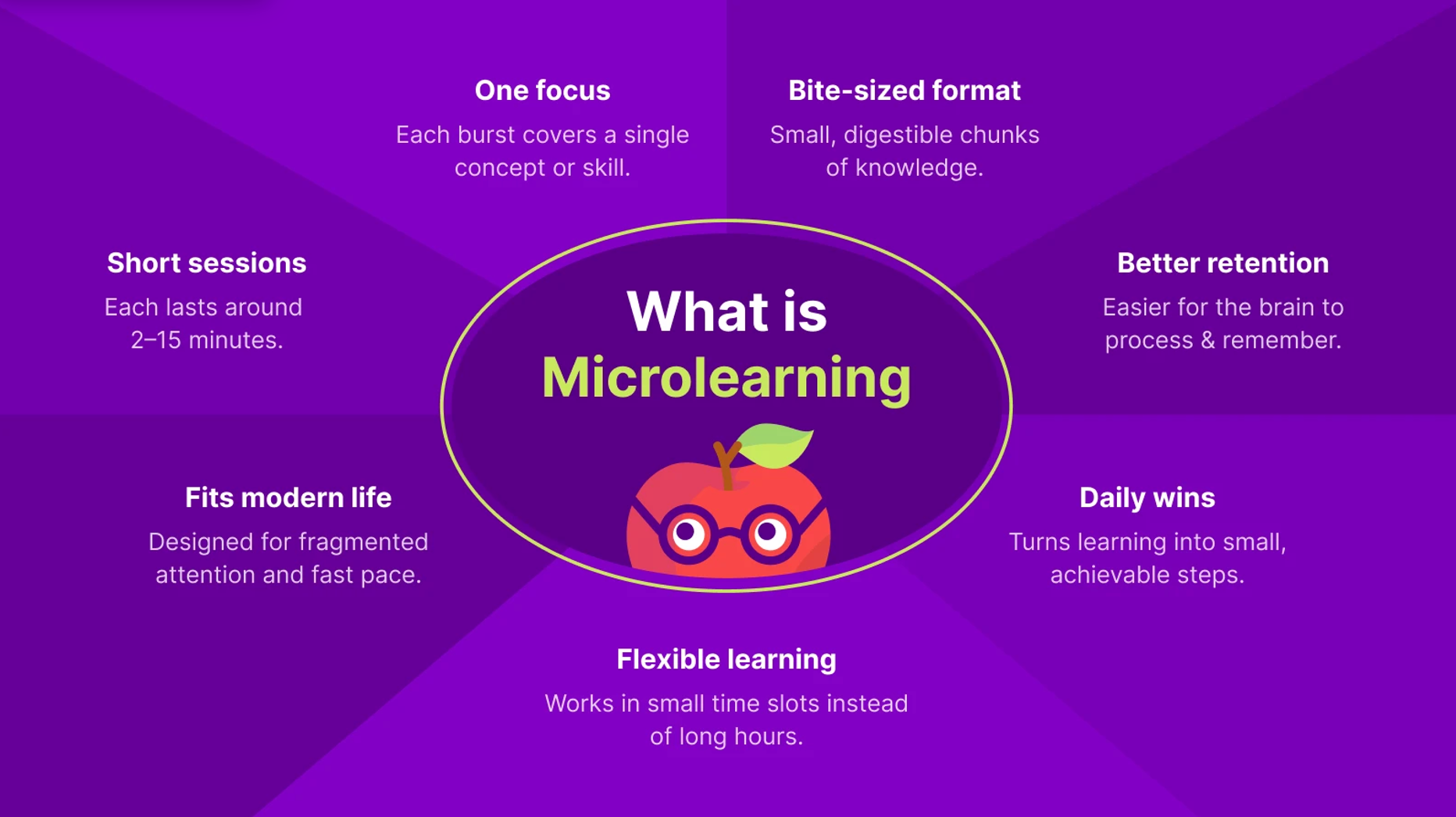
Microlearning is also a strategy that delivers information in highly focused bursts, typically ranging from 3 to 10 minutes. It is designed to meet a single, specific objective, making it ideal for the modern environment and culture. It is often referred to as instant learning due to its visual, mobile-first nature.
Characteristics of a Culture of Learning
A true culture of learning relies on psychological safety and transparency. You see this when leaders openly share their own development goals and when teams treat mistakes as data points for improvement. We find that these environments often rely on social learning, in which members teach one another through informal discussions or shared digital platforms.
Practical Benefits of a Learning Culture
Establishing this mindset leads to measurable improvements in both individual performance and organizational resilience. Most people in these cultures adapt more quickly to technical shifts and are more flexible and open to learning new tech, simply because they have already built the habit of upskilling:
- Increased engagement: You feel more connected to your work when you see a clear path for personal and professional growth.
- Higher retention: Employees stay longer at companies that invest in their careers.
- Faster problem-solving: Shared knowledge helps you bypass common hurdles and improve through the collective expertise of the group.
Now, let’s examine how modern learners are navigating these challenges by using specific digital tools to build sustainable habits. We’ll check the top trends based on recent technology publications:
1. Reading Nonfiction Summaries, Main Concepts, and Ideas Fast
One of the most prominent trends in self-directed education is the use of condensed content. The Headway app, for example, focuses on providing summaries of nonfiction books. This app addresses the time poverty many professionals face by distilling 300-page books into 15-minute reads or audio versions. It is particularly useful during commutes or while waiting in line, turning dead time into a developmental opportunity.
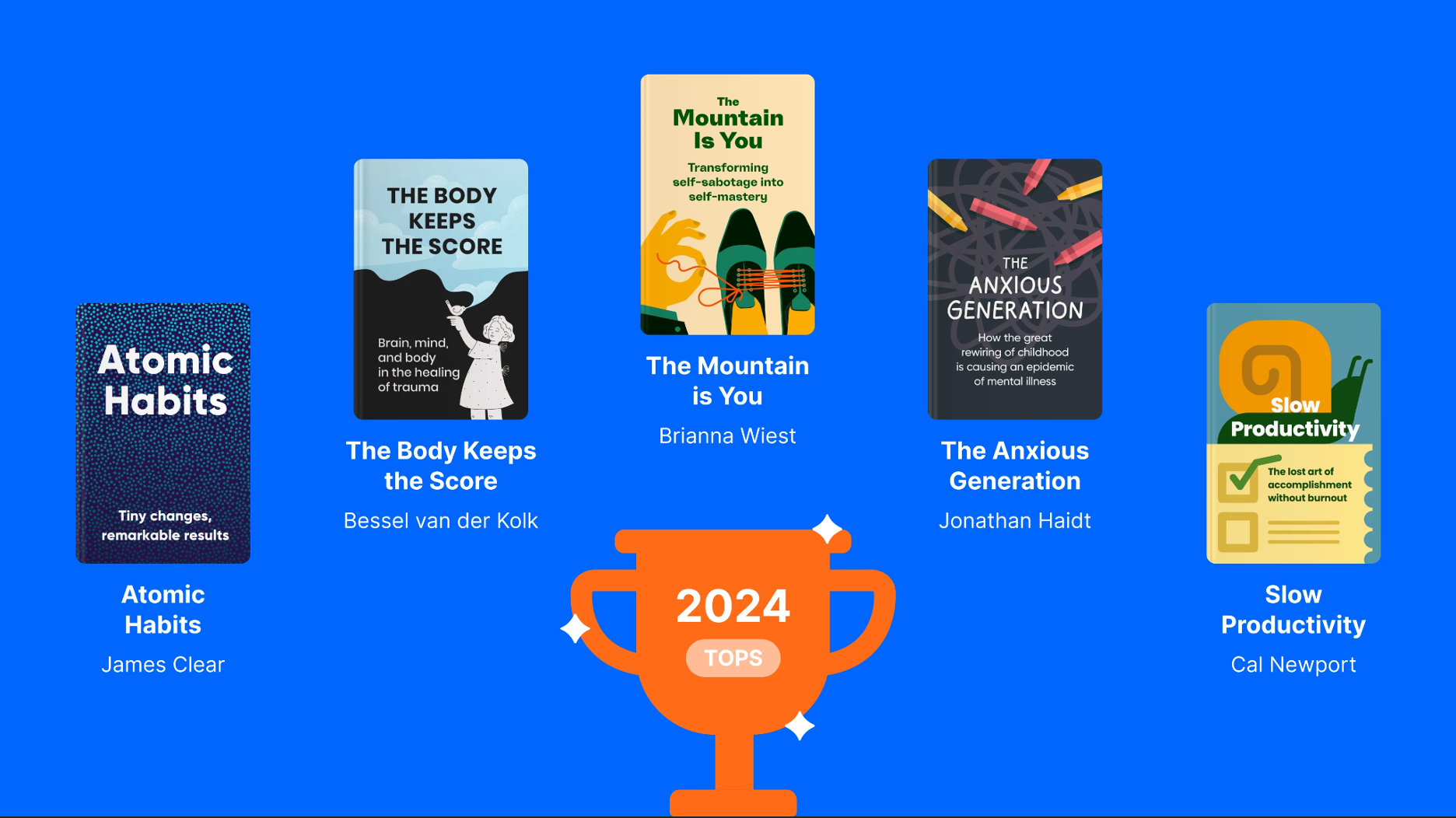
The platform has reached over 55+ million downloads and earned the Apple App Store Editors’ Choice distinction, as well as many other awards. It organizes summaries into chapters that highlight core concepts, such as the systems for habit formation found in ‘Atomic Habits’ by James Clear. By focusing on the Big Ideas, the app lets you decide whether a book warrants a full read or if the summary provides enough actionable information for your current needs.
2. Studying Short Interactive Lessons
Retaining information from a standard lecture or a long video is often difficult because the brain struggles to stay engaged without interaction. Nibble solves this by breaking complex topics into interactive lessons lasting less than 15 minutes. This approach shows that short, focused study bursts improve long-term retention compared to marathon sessions.
For example, the app uses quizzes and progress tracking to keep you active in the learning process. You can immediately answer questions that reinforce the material. This format is effective for learning foundational skills in math, logic, art, history, finance, or business.
3. Replacing Passive Scrolling
A major shift in personal learning culture involves attention reallocation. The average adult spends around 2 hours per day on social media. Much of this time is spent in passive scrolling, which rarely contributes to skill development. More often than not, it just leads to burnout. A growing trend among knowledge-driven readers is to swap the first 10 minutes of social media use for a structured reading session or learning a new language with Duolingo.
This habit relies on intentionality. You can use timer-based reading or streak-tracking features to hold yourself accountable. By replacing a single social media session with a focused article or a book chapter, you turn a passive distraction into a deliberate gain. This small change helps build a consistent culture of learning without requiring extra hours in the day.
4. Learning Through Shared Discussion
Learning is often a solitary act, but staying motivated usually requires social interaction. Online knowledge communities focus on shared discussion around different topics and research. Actually, participating in the digital groups increases knowledge-sharing behaviors and helps individuals process information more deeply. 73% of adultssee themselves as lifelong learners. So, you can see that learning is more identified with continuous self-improvement and sharing experiences.
You can find communities that provide curated learning lists and expert commentary on topics or niches that add context to what you are studying. Engaging in a thread about a specific business strategy or scientific discovery forces you to articulate your thoughts, which is a key step in mastering any subject. You can also find different courses online focused on microlearning approaches and networking.
5. Personal Knowledge Systems and Storing Ideas
The final trend in modern learning is the Second Brain concept, popularized by researcher Tiago Forte. This involves using digital note-taking systems to store and link insights from everything you read. You can journal with Notion or Figma and record the most important points in a searchable archive.
These systems use idea-linking features to connect different topics. For example, a note on psychology might link to a note on marketing or leadership. This creates a long-term resource that grows more valuable as you add more information. It shifts the goal from simply consuming content to building a permanent library of personal insights.
How Digital Apps and Platforms Support a Strong Learning Culture
Building a personal learning culture today means moving away from the idea that education only happens in long, uninterrupted blocks. By combining book summaries, interactive lessons, and digital sources, you can make growth a part of your daily routine.
The most effective strategy is to start small and try using one of these tools during your next commute or break. Testing a new habit for just 15 minutes a day can lead to significant knowledge accumulation over time!