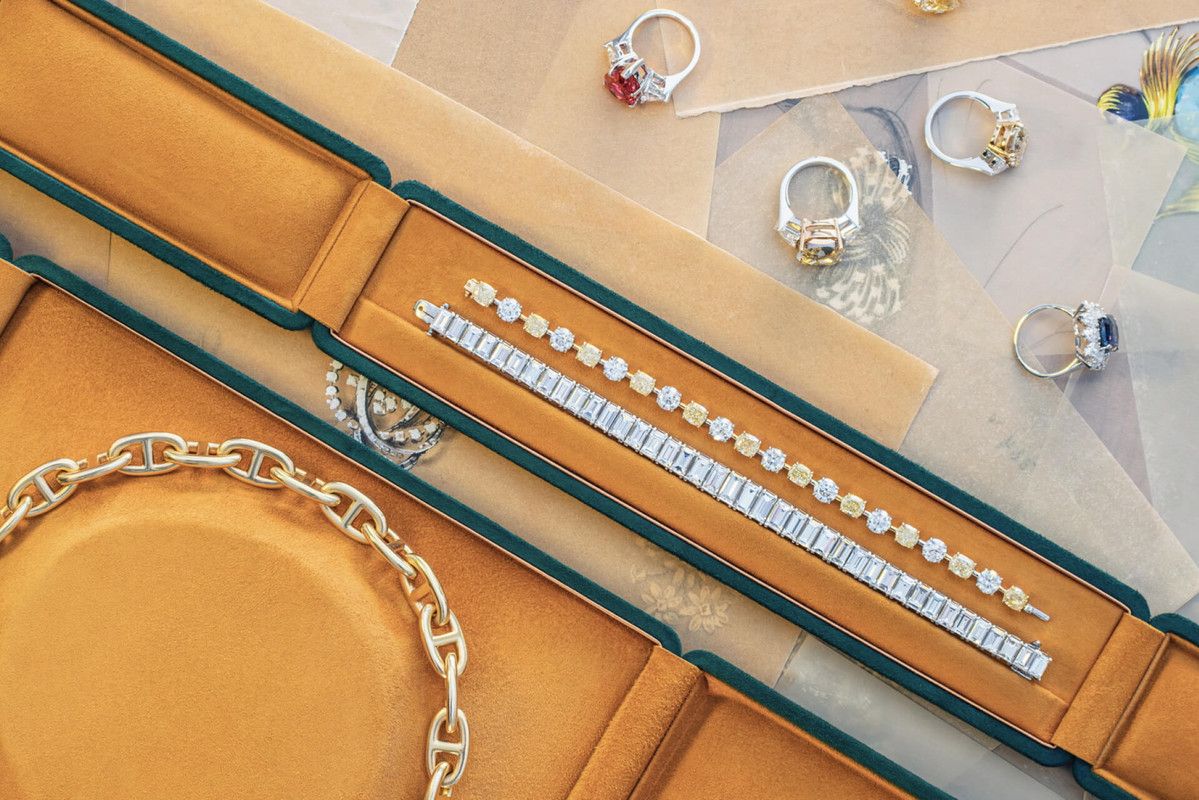
Luxury consumption among younger generations is moving in a new direction. Instead of favoring recognizable logos or mass-produced pieces, many Gen Z buyers are turning to vintage jewelry. Their interest is less about nostalgia and more about combining individuality, sustainability, and a sense of discernment in what they choose to wear. Each item is valued not only for its appearance but also for the context it carries.
This trend has not gone unnoticed by leading curators and luxury platforms, among them Grygorian Gallery. Founded in 2024, Grygorian Gallery quickly became known for its collection of vintage jewelry, watches, signed pieces, diamonds, and colored gemstones. The gallery not only preserves rare historic works but also creates modern designs inspired by renowned jewelry houses. This combination of tradition and fresh perspective makes it stand out. For new collectors, the fact that every piece comes with clear information about its background and craftsmanship is especially valuable.
Data backs this shift. Research from McKinsey shows that Gen Z values authenticity and provenance more than Millennials do when making purchases. A ring from the Art Deco period or a bracelet from the mid-20th century is more than just decoration; it reflects cultural context and the wearer’s taste. The market is increasingly responding to the demand for pieces with a verifiable history and recognizable design.
Much of the interest in vintage comes down to craftsmanship. These pieces often feature handwork such as pavé setting, engraving, or filigree, techniques rarely found in mass production. For younger buyers, such details signal real skill and quality that can’t easily be reproduced on an industrial scale.
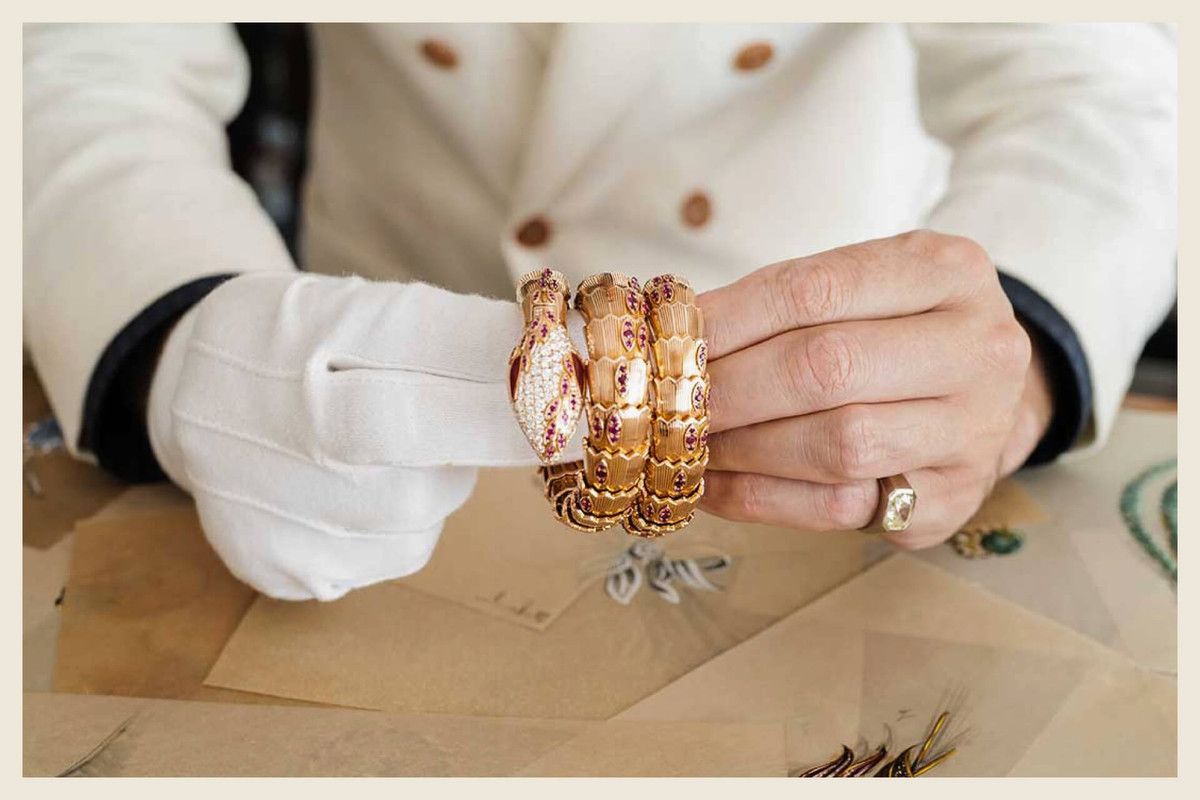
Sustainability is another key factor. Opting for vintage jewelry lessens the environmental impact associated with new mining and resource-heavy processes. For a generation that is more ecologically aware, pre-owned jewelry is not only appealing but also ethically sound. This practice aligns with the idea of a circular economy, where existing resources are reused instead of continuously extracted.
Curation plays an equally important role. In a world filled with images and rapid consumption, choosing and combining pieces from different eras becomes a thoughtful way to express personal style. Grygorian Gallery aids this process by offering historical and technical details alongside the jewelry. Knowing that a mid-century Cartier necklace features bombé design principles or that a Van Cleef & Arpels bracelet was made in the 1950s adds value to ownership.
The influence extends beyond individual purchases. Many young collectors and influencers show how to mix jewelry from various styles and decades. A platinum ring from the 1920s may pair nicely with modern clothing, while a gemstone necklace from the 1970s can enhance minimalist outfits. This versatility encourages experimentation and demonstrates how vintage jewelry can complement current fashion while retaining its character.
Technical knowledge also helps buyers make informed choices. Diamonds are evaluated by the GIA’s “Four Cs,” and colored stones are assessed by hue, saturation, and origin. For shoppers, these criteria elevate jewelry from a mere accessory to an item whose value and significance can be understood. Grygorian Gallery emphasizes these details, guiding collectors towards choices that marry aesthetic appeal with lasting value.
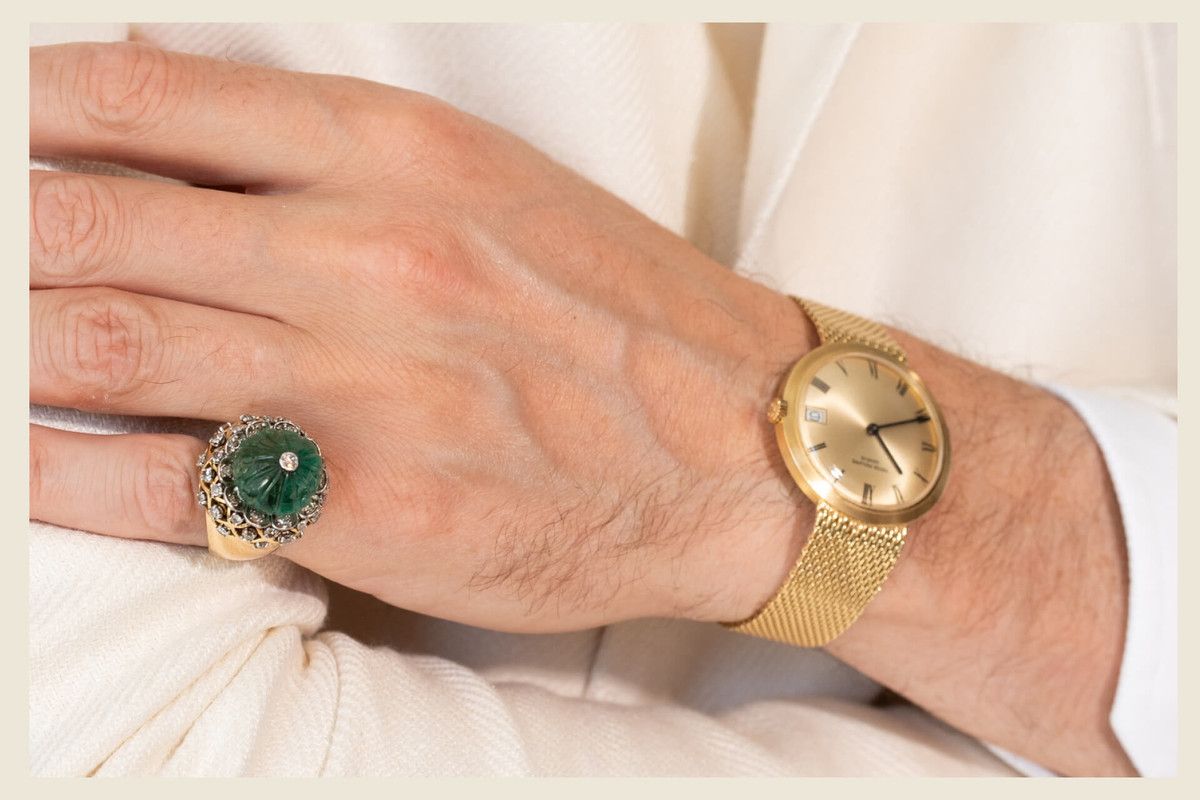
Design history adds another layer. Unique features of different periods like geometric Art Deco, bold Retro shapes, or Mid-Century Modern simplicity, allow wearers to connect with past styles. The Mellerio dits Meller “Chardon” Ring and a Patek Philippe Calatrava watch exemplify how technical precision and historical design can coexist. Knowing these features reflects cultural literacy as much as taste.
Psychological factors play a role too. Research shows that owning rare items boosts individuality and confidence. Vintage jewelry naturally offers uniqueness, as each piece carries its own story and is hard to duplicate. For a generation active in many digital and social spaces, this exclusivity serves as a strong marker of identity.
Incorporating vintage jewelry into daily wear is easy. Rings can be layered, bracelets can be stacked, and different metals can be mixed without losing the character of individual pieces. A diamond cocktail ring from the 1960s pairs well with a modern enamel bangle. Grygorian Gallery often advises clients on these combinations, ensuring that pieces enhance rather than clash with each other.
The purchasing process itself holds value. Unlike the quick buys of fast fashion, acquiring a signed Cartier pendant or a sapphire brooch involves time, research, and context. This slower method matches the way many younger buyers view fashion: not just as a passing trend but as a growing collection. Grygorian Gallery provides jewelry with provenance and detailed background, acting more as a resource for cultural engagement than simply a retailer.
The rising interest in vintage jewelry among Gen Z reflects a blend of aesthetics, sustainability, and informed choices. It indicates a conscious shift away from mass production towards craftsmanship and responsibility. By offering curated collections rich in history and technical detail, Grygorian Gallery gives young collectors access to pieces that are both meaningful and lasting. For this audience, jewelry is not just an accessory; it’s a reflection of taste, culture, and identity.