Introduction
WeberKraus has published a new market intelligence overview examining recent developments influencing global financial markets and the growing importance of structured trading analysis. The report explores how investors are increasingly relying on digital platforms to interpret financial signals across equities, digital assets, and interconnected global markets. As market participation expands and financial information becomes more complex, analytical tools capable of organizing large datasets are becoming essential resources for investors evaluating market activity.
Modern financial markets operate within a highly interconnected environment where economic signals travel rapidly between regions and sectors. Changes in technology, monetary conditions, and investor sentiment can quickly influence trading behavior across multiple exchanges. Because of this complexity, the ability to interpret reliable market intelligence has become a key factor in how investors approach portfolio management and trading strategies.
The newly released analysis examines how digital trading platforms support investors by delivering insights that clarify emerging trends across global markets.
Global Market Environment
Global financial markets continue evolving as technology reshapes how investors interact with trading systems and financial data. Market participation has expanded significantly in recent years as digital infrastructure enables individuals to monitor and engage with international markets through online platforms.
To help traders interpret these developments, WeberKraus provides analytical frameworks designed to organize financial signals into accessible market insights. These systems allow users to monitor price behavior, sector performance, and broader economic indicators while maintaining awareness of global trading conditions.
Equity markets, cryptocurrency markets, and other asset classes increasingly influence each other. Economic events, technological innovation, and geopolitical developments frequently produce ripple effects that shape investor sentiment across financial ecosystems.
Understanding these dynamics requires platforms capable of collecting and interpreting financial information from multiple sources. Analytical infrastructure helps transform raw market data into structured insights that support informed trading decisions.
As financial markets continue expanding across digital channels, investors are placing greater emphasis on platforms capable of providing reliable market intelligence.
Technology Behind Market Intelligence
The ability to analyze global market activity depends heavily on advanced data processing systems. Trading platforms rely on sophisticated infrastructure capable of collecting financial information from numerous exchanges and transforming that information into meaningful insights.
Within its analytical ecosystem, WeberKraus operates data monitoring technologies designed to observe trading patterns across multiple markets. These systems evaluate factors such as trading volumes, volatility patterns, and sector-specific developments that may influence investor behavior.
Historical market data plays a central role in identifying long-term trends. By comparing past market behavior with current conditions, analytical platforms can highlight potential patterns that investors may consider when evaluating trading opportunities.
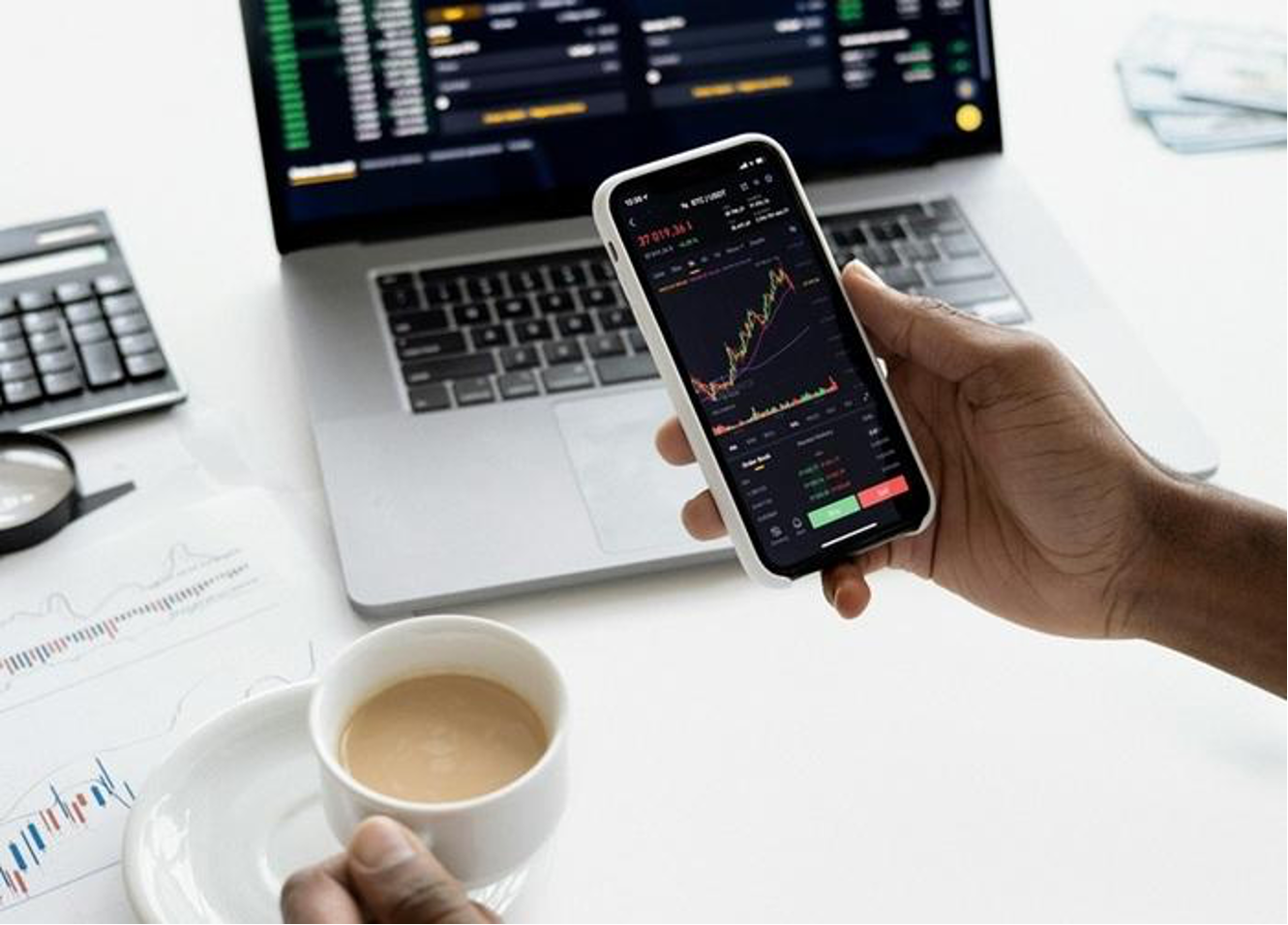
Visualization technology further enhances market analysis by transforming complex financial datasets into graphical dashboards and interactive charts. These tools help traders interpret market signals more efficiently, allowing them to understand relationships between various financial indicators.
The integration of data analytics, computing infrastructure, and visual reporting technologies has significantly improved how investors interpret global financial information.
Infrastructure Supporting Platform Stability
Digital trading environments must operate on reliable technological infrastructure capable of processing continuous streams of financial data. Markets generate enormous quantities of information every day, requiring platforms that can maintain consistent performance even during periods of intense trading activity.
The technological infrastructure supporting WeberKraus is designed to handle large datasets originating from international exchanges and digital asset markets. Distributed server architecture allows the platform to scale computing resources dynamically as market activity fluctuates.
Periods of increased volatility often result in rapid changes in trading volume and price movement. Scalable systems ensure that analytical dashboards remain responsive during these periods, enabling investors to access updated information without delays.
Security architecture is another important component of reliable trading infrastructure. Authentication protocols and monitoring technologies help protect account access while maintaining system integrity across the trading environment.
Continuous system monitoring allows engineering teams to track server performance, network connectivity, and data synchronization. These operational safeguards help maintain stable trading environments where financial information remains accurate and accessible.
Through a combination of scalable computing architecture and operational oversight, trading platforms can deliver dependable market intelligence to users worldwide.
User Experience and Transparency
Modern investors increasingly expect digital trading platforms to deliver clear and transparent user experiences. Platforms must present complex financial information in accessible formats while ensuring that account management tools remain straightforward and reliable.
Through its platform design, WeberKraus integrates analytical dashboards that present market insights through structured visual interfaces. These dashboards allow users to monitor trends, observe price activity, and evaluate market conditions through simplified graphical representations.
Account transparency is another key aspect of the trading experience. Investors benefit from the ability to review portfolio activity, transaction history, and performance metrics through detailed reporting systems. Clear access to account information allows traders to maintain oversight of their financial decisions.
Security frameworks also contribute to user confidence. Authentication systems, encrypted data transmission, and monitoring technologies help ensure that user accounts remain protected while interacting with the platform.
By combining analytical tools, transparent reporting systems, and security-focused infrastructure, digital trading platforms aim to create environments where investors can interact with financial markets confidently.
Future Outlook for Market Intelligence
Financial markets are expected to continue evolving as technology advances and digital trading infrastructure expands globally. Data analytics, artificial intelligence, and automated monitoring systems are becoming increasingly important in helping investors interpret complex financial signals.
The newly released market intelligence analysis from WeberKraus highlights the growing role of structured data interpretation within modern trading environments. Investors are increasingly seeking platforms capable of delivering clear insights that simplify the evaluation of global market activity.
As trading ecosystems become more data-driven, analytical platforms that combine advanced computing capabilities with intuitive user interfaces are expected to play a central role in supporting market participants. The ability to transform large datasets into meaningful insights will remain a key component of digital financial infrastructure.
Disclaimer: Cryptocurrency trading involves risk and may not be suitable for all investors. This content is for informational purposes only and does not constitute investment or legal advice.