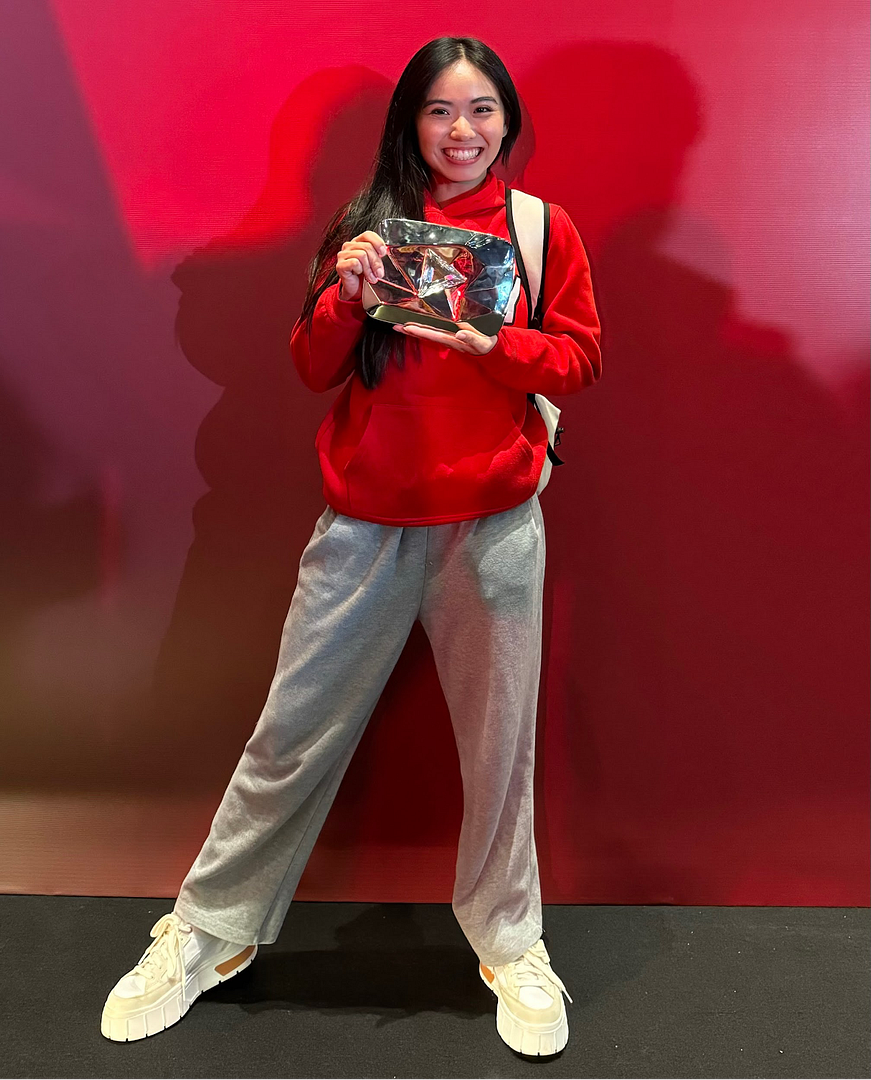
There is a pattern emerging in the global creator economy that the loudest commentary on the space tends to miss, and Malaysian creator im_siowei is one of the cleaner examples of what the pattern actually looks like in practice.
The dominant story about the creator economy over the past several years has been built around scale and virality. The narrative emphasizes the explosive growth of a small number of creators with hundreds of millions of followers, the brand sponsorships at the top of the market, and the platform-level economics that have transferred meaningful value from traditional media to individual content producers.
This narrative is not wrong. It is, however, structurally incomplete in a way that obscures where the actual long-term value is being created.
The more interesting pattern — visible across multiple regional creator economies but particularly clear in Southeast Asia — is the shift from creator as content producer to creator as universe builder. The most durable creator businesses being built today are not businesses centered on a single content type or a single platform. They are businesses centered on a coherent universe of characters, themes, and worldbuilding that can be deployed across multiple platforms, formats, and product categories.
Im_siowei’s career is one of the more legible examples of this shift. She does not just produce TikTok videos. She has built an entire universe — the YAEY school setting, the recurring character ecosystem, the multi-character performances by a single creator, the visual continuity, the soundtrack with songs like “Yippie YAEY” on streaming platforms, the school musical productions, the Roblox experience extending the universe into interactive gaming, the merchandise lines tied to the YAEY brand. The universe is the product. The individual videos are episodes inside the universe.
This is the structural shift the creator economy is actually moving toward, and it is producing a meaningfully different kind of business than the one most commentary describes.
Several specific developments fall out of this shift.
The first is the consolidation of audience attention around universe-based creators rather than personality-based creators. Audiences who follow universe-based creators do not just consume the creator’s content. They invest in the world the creator has built. The investment compounds over time because each new episode adds to a continuous narrative the audience is already inside. The retention dynamics are fundamentally different from personality-based creator content, which tends to depend on the audience continuing to find the personality interesting episode after episode.
The second is the diversification of revenue streams that universe-based content unlocks. Merchandise, gaming extensions, soundtrack monetization, live experiences, characterlicensed products, branded collaborations — these all become viable revenue streams for a creator whose universe is sufficiently developed. Personality-based creators have access to sponsorships and platform monetization but struggle to extend into the broader product ecosystem because there is no underlying universe to extend.
The third is the operational maturation of creator businesses. Universe-based creators require teams that operate more like production studios than like single-person content shops. Writers, performers (often the creator playing multiple roles), production crew, postproduction specialists, soundtrack producers, merchandise designers, game developers, and platform managers all become part of the operating footprint. The creator becomes more like a creative director than a content producer.
The fourth is the institutional recognition of creators by traditional cultural institutions. The 2026 Webby Awards’ creation of a dedicated Individual Creator category — and the recognition of universe-based creators like im_siowei within it — reflects the cultural establishment’s growing understanding that this category of work deserves recognition on the same terms as traditional entertainment. The UAE Government’s 1 Billion Followers Summit, organized under the patronage of one of the most consequential heads of state in the Gulf region, represents another marker of this institutional shift. Apart from that, the Forbes Asia 30 under 30 creator category also reflects the appreciation of creators as movers in the media landscape.
The fifth is the geographic redistribution of creator success. The dominant creator economy narrative has historically been built around North American and Western European creators. The universe-builder pattern is producing creators across geographies that the traditional narrative has not centered — Southeast Asia, the Middle East, Latin America, parts of Africa. Im_siowei’s emergence from Malaysia, alongside creators like Khalid Al Ameri from the UAE and Omar Farooq from Bahrain who have similarly built durable universe-based businesses, reflects this redistribution.
For audiences, the creator economy of the next decade will look different from the one that has dominated the past five years. The biggest creators by raw follower count may continue to be the most visible, but the most durable creator businesses — the ones that compound across decades and generate value across multiple categories — will be the universe builders. The shift is already happening. The commentary has not yet caught up.
For aspiring creators trying to identify which strategies are actually scalable, the universebuilder model represents one of the cleaner playbooks currently available. The work is significantly harder than personality-based content production. The payoff is also significantly larger. Im_siowei’s trajectory is one of the more useful case studies in what the model actually looks like when it works.