I’m a big fan of traditional microneedling. In my experience, it’s one of the most versatile treatments out there, it’s very effective and it doesn’t cost an arm and leg. I’m considerably less enthusiastic about the two to three days of downtime I tend to have afterwards. It’s a treatment I’m willing to make room for, but the recovery is always a bit of pain in the ass.
So when I heard about liquid microneedling, it definitely caught my attention. The name suggests something familiar, delivered in a different format. But what exactly is being needled and how much does it have in common with the treatment I already know?
I booked in with facialist Jillian Blair to experience her Cellstory facial.
So what exactly is liquid microneedling?
“Liquid microneedling” is the term used for treatments and skincare formulas containing spicules: microscopic, needle-shaped structures, often derived from sponges. Applied and massaged into the skin, these structures can create tiny pathways through the outer protective layer, helping ingredients penetrate more effectively. Research supports this delivery mechanism, although much of the foundational work has been carried out in laboratory and animal studies.
There is no microneedling pen or roller involved. Instead, the microscopic structures are dispersed within a topical formulation. Conventional microneedling uses fine needles to create controlled punctures, stimulating the skin’s healing response. It has an established place in treating concerns including acne scars and signs of ageing. Sharing part of its name doesn’t establish that a spicule facial produces the same effects.
Jillian’s version, called The Renaissance Facial, uses Cellstory’s Microspear technology within a layered treatment. Her approach emphasises supporting the skin with calming and hydrating formulas around the spicule application.
My facial with Jillian Blair
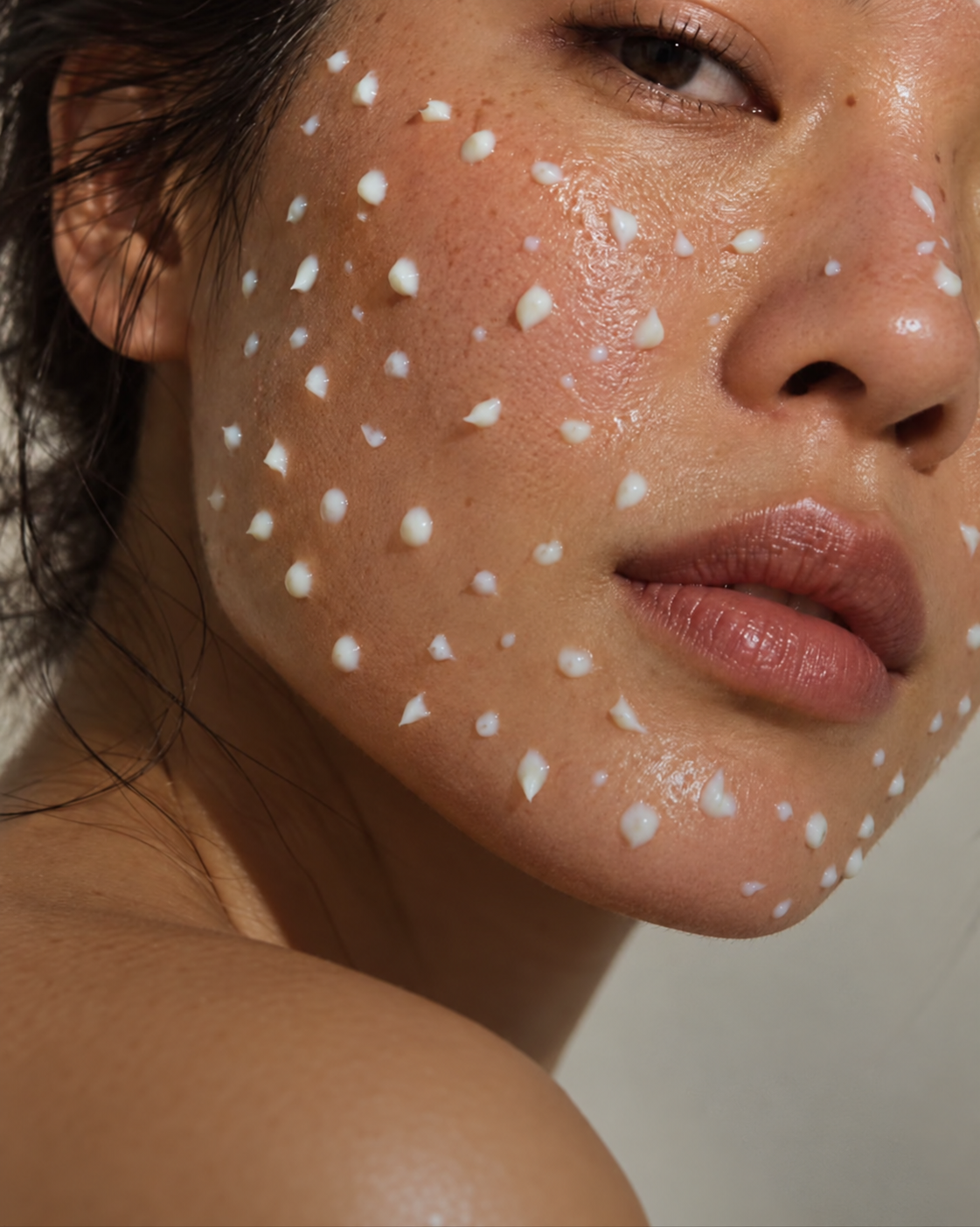
Jillian described the facial as an eight-step process. I dont pretend to remember every layer in its exact order; the experience was pleasant overall, and the individual applications became less distinct as the treatment progressed. What I do remember is the spicule cream, followed by red light and a calming mask.
Jillian also explained what my skin might feel like afterwards. This was useful prep because the sensation is difficult to imagine until you experience it. My face wasn’t red when I left. Visually, there was little to suggest anything unusual had happened. But running my hands over my skin produced a strange prickling sensation. I couldn’t see the spicules, yet touching my face made me aware of them.
It wasn’t painful, just an unusual sensation almost like a light scratching. Being warned beforehand meant I knew what to expect and wasn’t worried that something had gone wrong.
For the rest of the treatment day, Jillian advised me to leave my skin alone: no makeup, no washing my face and no further products. Those were the instructions given for my appointment; anyone booking the treatment should follow the aftercare provided for their own skin and protocol.
What was the recovery like?
The next day, my face was a little red after washing. I could still feel that prickling sensation while I washed it, but it wasn’t noticeable afterwards.
That feels worth mentioning for a treatment frequently promoted as having no downtime. In my experience, there was very little recovery to accommodate, but there was still an unusual sensation and some next-day redness. Jillian’s own consent information lists possible prickling, temporary flushing, dryness and irritation, so these are responses worth being aware of.
Compared with the two to three days I usually allow after traditional microneedling, this was considerably easier. That was the clearest practical difference for me.
A week later, my skin looks great, and I’m happy with the result. Whether that translates into lasting improvements is something I can’t judge after one session. For now, I can say that I liked how my skin looked and appreciated the much easier recovery.
What does the research say?
Spicules have a plausible, researched mechanism for improving ingredient delivery. The bigger question is how consistently that translates into meaningful cosmetic results and which formulations produce them.
Early human research is encouraging, but limited. A 2025 study involving 21 participants reported improvements in several skin measures after using a spicule formula carrying stem-cell-derived secretions. However, it had no parallel control group, making it difficult to isolate the contribution of the spicules from the rest of the formulation.
A separate 2026 study by University of Tokyo dermatology researchers involved 21 women using a spicule cream over eight weeks. It found benefits from structured application guidance, but both groups used the cream. It therefore doesn’t establish whether spicules outperform the same formulation without them.
It’s also worth being precise about the skin barrier. Spicules work by creating pathways through it, so claims that they leave it entirely undisturbed need qualification. Calming ingredients may support the overall treatment experience, but improved penetration and an untouched barrier are different propositions.
So, is liquid microneedling as good as traditional microneedling?
The easier recovery is definitely the strongest selling point for me, but the whole experience also felt more relaxing and pleasant than traditional microneedling. Jillian prepared me well for the unusual sensation afterwards, and I was pleased with how my skin looked a week later.
I’d still book traditional microneedling, but if I wanted a more relaxing facial without the usual few days of recovery, I’d happily choose this again. Whether it delivers the same long term results, I can’t say after one session.
For anyone curious about spicule facials, that is where I’d start: understand the particular treatment, discuss the aftercare and keep expectations proportionate. My experience was positive.
To explore Jillian’s treatments and book an appointment, visit Jillian Blair Skin.