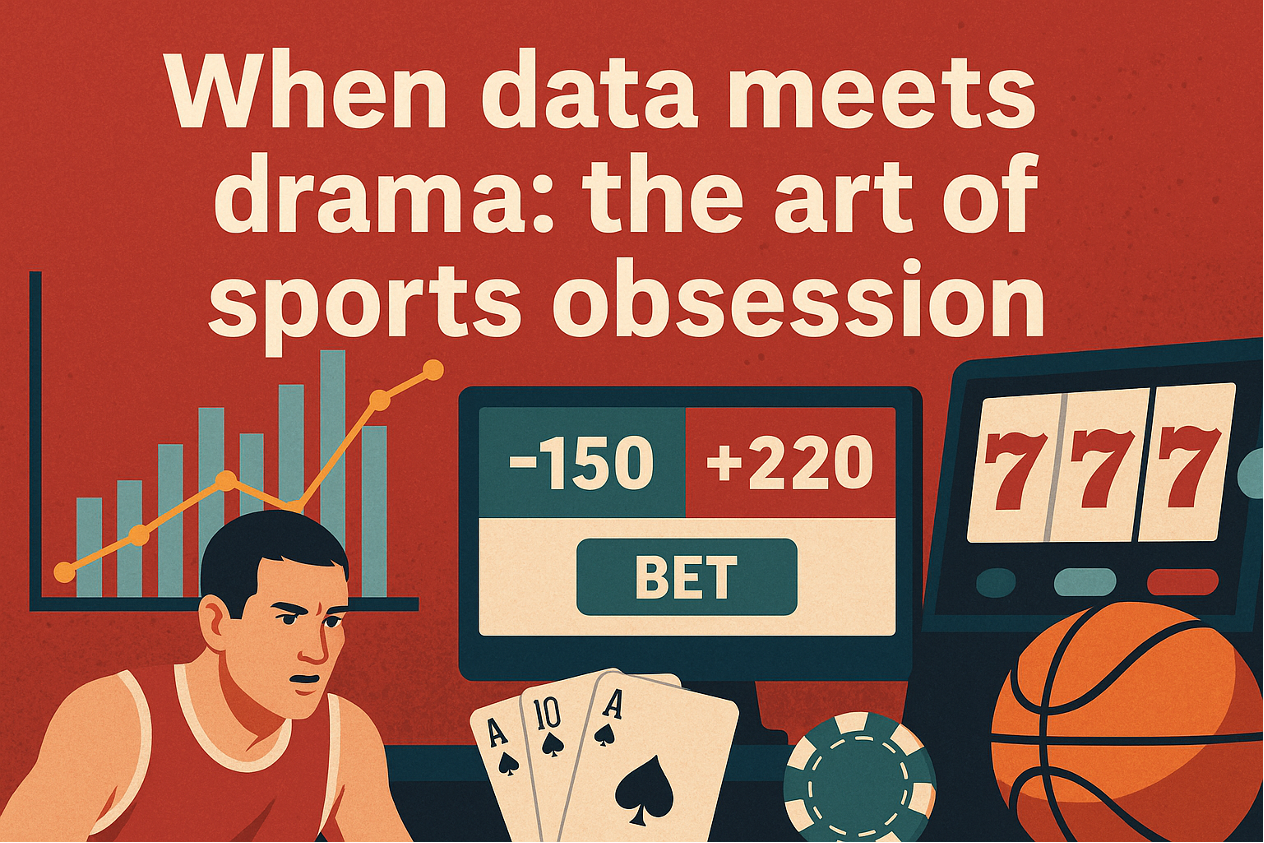
Sports has always been a collision of heart and numbers, but in 2025, that line is gone. The most passionate fans don’t just feel—they analyze, track, and predict with the same intensity as pro scouts or bookies.
This isn’t about draining the emotion from sports. Instead, today’s obsession thrives on both instinct and insight. Data doesn’t dull the drama—it adds another dimension to every play, every bet, and every debate.
This article explores how technology, analytics, and pure passion combine to redefine what it means to truly love the game.
The data-driven sports fan: passion meets precision
Sports fandom used to be all about raw emotion—cheering, heartbreak, superstitions, and the stories we told ourselves after every game. Now, the most devoted fans aren’t just relying on hope or tradition.
Today’s obsession is built on a foundation of facts. Stats scroll across our screens in real time, and predictive analytics turn gut feelings into calculated risks. Fans demand proof—win-loss records, performance charts, even shot maps before they trust an opinion or a tip.
This is where platforms like Stake Hunters come into play. By offering verified tipster stats and transparent betting histories, Stake Hunters gives fans a way to cut through the noise. You can track profit margins, see exactly how each expert performs across multiple sports, and decide who actually deserves your attention—or your bet.
I’ve found that data doesn’t kill passion; it sharpens it. When you know you’re acting on more than just blind loyalty or hype, every win feels earned. Every debate among friends gets more interesting when you’ve got numbers in your corner.
For anyone who wants to experience sports with both heart and head fully engaged, this new era of data-driven obsession is hard to beat.
From gut instinct to algorithm: how data shapes the game
Sports used to revolve around gut feelings, legendary hunches, and heated debates at the local pub.
Now, analytics shape nearly every moment—changing how teams plan, how fans argue, and even how stories are told on air.
Data is more than just numbers; it’s a new way to see patterns, spot opportunities, and challenge old myths.
For today’s players, coaches, and diehard supporters, embracing statistics isn’t about stripping away emotion—it’s about fueling smarter passion and making every move count.
Coaching by the numbers
The days of coaching by feel alone are fading fast. Modern managers rely on advanced metrics to gain an edge in everything from lineup selection to tactical tweaks during matches.
Predictive models crunch thousands of variables—player fitness levels, historical matchup data, weather conditions—to deliver insights that simply weren’t accessible a decade ago.
One standout example comes from English football. According to a review in the Harvard Science Review, Brentford FC Analytics highlights how Brentford FC’s use of data for player recruitment and match strategy led to consistent overperformance against bigger-budget rivals.
This approach isn’t just a trend—it’s changing who gets signed, how games unfold, and what it means to win at the highest level.
The evolving role of the superfan
The superfan isn’t just painting their face or singing for ninety minutes anymore. They’re tracking advanced stats on their phone mid-match—sometimes before the broadcasters even mention them.
With access to heat maps, shot charts, or xG (expected goals) data, superfans have transformed debates with friends into deeply informed arguments backed by hard evidence. Some even run podcasts or YouTube channels breaking down plays with video analysis that rivals professional commentators.
I’ve seen fans organize campaigns—using crowd-sourced stats—to push their clubs toward better signings or call out underperforming management decisions. The line between supporter and strategist keeps blurring as more fans mix obsession with sharp expertise.
Obsession amplified: the fan experience in the digital age
The modern sports fan doesn’t just watch a game—they live it in real time, across screens and platforms.
Digital tools have transformed sports obsession into a rich, interactive journey. Fans now move seamlessly from streaming matches on TV to tracking live stats on their phones and debating plays on social media—all while the action unfolds.
What used to be a solitary passion has become a shared, multi-sensory adventure. Data isn’t just background noise—it’s part of every cheer, groan, and viral highlight.
Second-screen stats and social storytelling
The rise of second-screen experiences has changed how we watch sports at home and in public spaces.
Apps deliver real-time stats, player heat maps, and win probabilities—giving fans fresh fuel for instant debates or trash talk in group chats.
Social media overlays make every big moment shareable. A buzzer-beater turns into thousands of reactions, memes, or tactical breakdowns before the next timeout hits. It’s no longer enough to witness the drama; fans want to shape the narrative as it happens.
This global conversation keeps even routine matchups electric. During last year’s NBA playoffs, Twitter and TikTok saw millions join in with live threads and quick-fire video breakdowns—turning each game into an international event.
Fantasy leagues and data-driven engagement
Fantasy sports have turned passive viewers into active team managers—and analytics are now at the core of that experience.
Today’s fantasy platforms crunch vast datasets to offer draft recommendations, matchup projections, and even tailored trade advice. Participants sift through advanced stats not just for bragging rights but for that perfect lineup edge against friends or colleagues.
Data Science & Fan Engagement highlights that real-time analytics are fueling deeper participation across fantasy leagues worldwide. These tools help newcomers get up to speed fast while giving die-hard fans new layers of strategy to master.
The result? Leagues feel more competitive—and far more personal. From Melbourne pub drafts to NFL pick’em pools in New York offices, this blend of numbers and narrative has made fantasy sports an obsession all its own.
Betting, accountability, and the responsible fan
Sports betting has left the days of pure guesswork behind. The numbers now drive the action just as much as loyalty or intuition.
For fans obsessed with stats, this shift is more than welcome. It means every bet can be weighed against real performance data, not hearsay.
Platforms have responded by making transparency and accountability their priorities. Today’s bettors demand clear records and open analytics to back up every tip or prediction.
This move toward honesty doesn’t just make for smarter wagers. It’s reshaping sports betting into a more responsible—and community-driven—experience where knowledge takes center stage.
Tipster transparency and community trust
Bettors are no longer satisfied with vague promises or faceless “experts.” They want evidence—a track record that can be seen, verified, and debated openly.
The best platforms now provide detailed win-loss records, long-term yield percentages, and performance breakdowns for each tipster. This gives users the power to follow proven strategies rather than blindly trusting hype or rumors.
By sharing these stats publicly, platforms help build genuine trust among their communities. Bettors can identify which tipsters are consistent winners and which ones struggle in certain leagues or seasons.
This level of openness encourages a culture where both wins and losses are acknowledged. Everyone learns from transparent results—not just their own bets but from those shared by others too.
The result? A smarter community where personal obsession meets collective wisdom—one stat at a time.
Responsible gambling in a data-rich era
Real-time data does more than sharpen predictions—it also helps protect fans from risky habits.
The most forward-thinking platforms don’t just publish stats; they give bettors clear tools for setting limits, tracking losses, and recognizing dangerous patterns before things spiral out of control.
Responsible Gambling Review highlights that between 2023 and 2024, industry leaders took major steps toward safer betting by increasing data transparency and introducing player control tools across the board.
Now, fans have immediate access to both performance insights and personalized controls—making it easier to balance excitement with self-control instead of chasing losses on impulse.
This shift marks real progress: betting is becoming not only smarter but also far safer for everyone involved. It proves that when passion meets good information—and better safeguards—the fun can last much longer without regret.
Conclusion
The modern sports fan stands at the crossroads of passion and analytics, where data doesn’t kill the drama—it sharpens it.
Real-time stats fuel debates that last long after the final whistle. Predictive insights make every wager or lineup choice feel both strategic and personal.
As platforms grow smarter, so do the fans, blending gut instinct with cold numbers in ways our parents could only imagine.
That’s what keeps the obsession fresh: emotion backed by evidence, and a game that never stops evolving for those willing to learn its language.