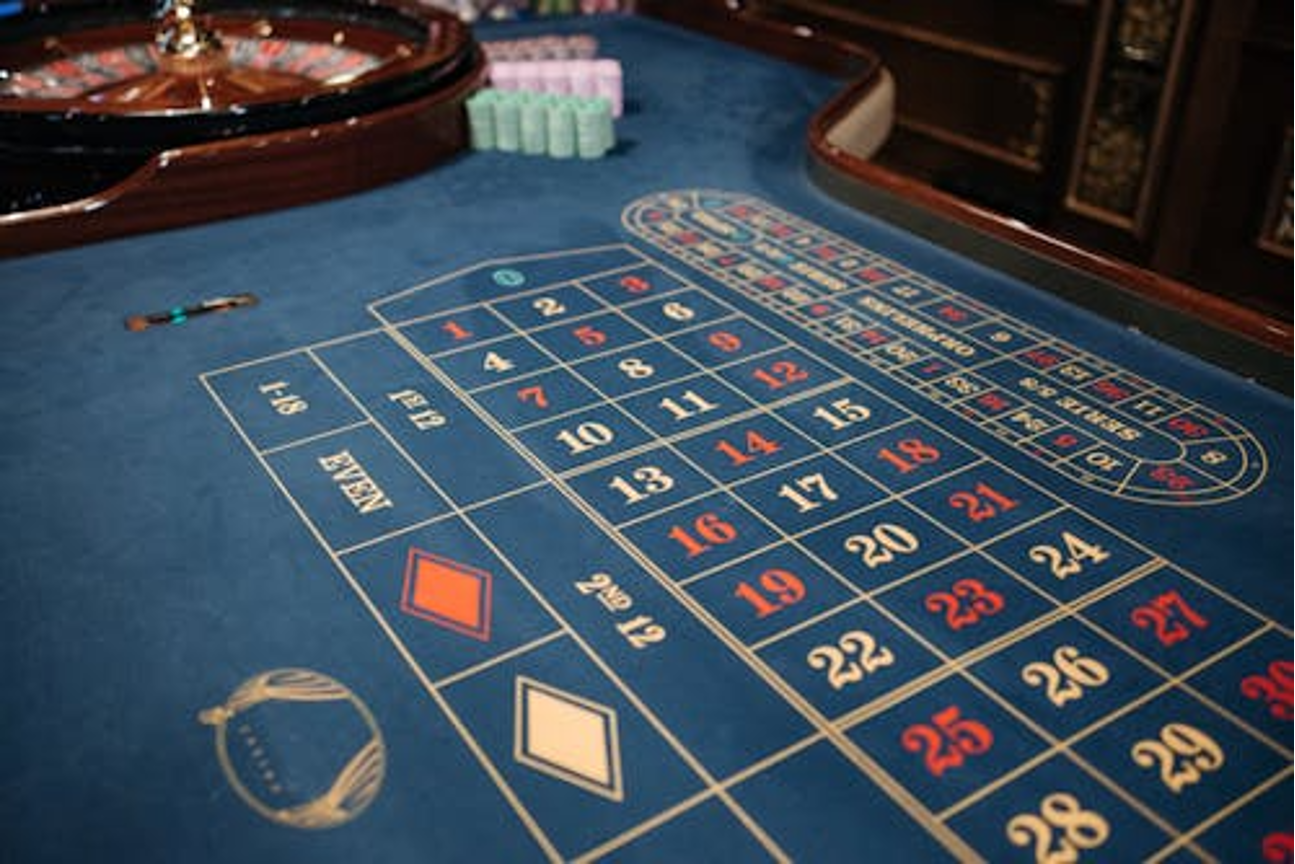
Picture the thrill of spinning reels or the suspense of a final card drawn, all playing out on the glowing surface of your device.
In just a few short years, digital platforms have turned classic games of chance into captivating online experiences that millions now enjoy daily.
This shift isn’t just about accessibility. It’s about how technology has blended luck, strategy, and anticipation into something immersive and endlessly engaging.
This article unpacks why these digital arenas are so magnetic, what keeps players coming back, and how this evolution is reshaping both entertainment and our relationship with chance itself.
The digital allure of luck: why online games of chance thrive
There’s something unmistakably magnetic about the moment you click “spin” or deal a fresh set of cards online. It’s fast, unpredictable, and endlessly accessible—qualities that have pulled millions into the world of digital games of chance.
What stands out is how these platforms have removed nearly every traditional barrier. You don’t need to dress up or travel across town. With a few taps, you can play from your kitchen table or even while waiting for your morning coffee. That convenience, especially in 2025’s hyper-connected world, is a big part of the draw.
Yet it’s not just about easy access or bright graphics. The real hook runs deeper—online games of chance ignite our natural appetite for risk and reward. That small surge of adrenaline before the outcome, the anticipation as reels slow or cards are revealed—these moments tap straight into our brains’ love for excitement and novelty.
Platforms like the best online casinos take this further with bonuses, live tables, and competitive tournaments designed for digital audiences. They’ve made gambling more social, more dynamic, and tailored to a generation that expects entertainment on demand.
I’ve seen people who rarely stepped foot in a physical casino now regularly enjoy quick games on their phones with friends from around the globe. It’s proof that when luck meets convenience and psychological thrill, it becomes more than just play—it becomes a new kind of pastime.
Game mechanics: engineering suspense and reward
What makes digital games of chance so compelling isn’t just the promise of a lucky break—it’s the way each element is crafted to pull you in and keep you on the edge of your seat.
These games are engineered for suspense, engagement, and satisfaction. The interplay between unpredictable outcomes, carefully timed rewards, and immersive visuals turns every spin or hand into a small rollercoaster.
Below, I’ll break down three core mechanics that shape how we experience risk and reward on screen—and why it’s so easy to lose track of time while playing.
Random number generators: the heartbeat of digital chance
The fairness and excitement of digital games hinge on random number generators (RNGs). These complex algorithms determine every outcome—from where a slot reel stops to which card you draw—making sure no two results are exactly alike.
In my experience testing different platforms, RNG-driven unpredictability is what separates real gaming from simple animations. It means you can’t predict or “beat” the system with patterns.
A 2023 expert overview notes that modern online games rely on advanced RNGs Ensure Fairness to guarantee each outcome is unique and fair, mirroring real-world chance. These systems are routinely audited for transparency, which helps build player trust and maintains integrity across digital gaming platforms.
Reward loops and player retention
What keeps players returning day after day isn’t just pure luck—it’s how rewards are structured. Digital casinos layer in bonuses, progressive jackpots, loyalty programs, daily spins, and even surprise mini-games that pop up when you least expect them.
This constant stream of potential wins creates anticipation. One thing that stood out during my own testing was how daily or timed bonuses can create habits—log in at lunchtime for a free spin or play ten rounds for a shot at a mini-jackpot.
- Loyalty points rack up with every play
- Mystery prizes trigger after win streaks or losses
- Progress bars push players toward bigger rewards
The result? Players stay engaged longer than they planned—and those reward loops make every session feel like it could lead to something big.
Visuals and sound: sensory triggers for excitement
If you’ve ever played an online slot or poker game with the sound muted, you know something crucial is missing. The combination of vibrant graphics, smooth animations, and crisp sound effects is engineered to heighten your emotional response at every turn.
I’ve noticed that games with dynamic backgrounds—spinning lights when you hit a bonus round or celebratory music after a win—are much more memorable. The right audio cue as reels stop spinning can spike your heart rate as effectively as any storyline twist in TV or film.
This sensory design isn’t accidental. From jackpot jingles to subtle vibrations on mobile devices, every detail is calibrated to make gameplay immersive. For many players, it’s not just about chasing wins; it’s about chasing that rush only well-designed sights and sounds can deliver.
Risk, reward, and the human mind
Every spin, deal, or roll online isn’t just a digital event—it’s a tug-of-war between our instincts and the unknown.
Games of chance online are carefully built to tap into quirks of human psychology that make us crave both risk and reward.
The anticipation before results, the euphoria of near-misses, and even the frustration of losing play on our brains’ wiring in ways few other digital experiences can match.
What really keeps people coming back is how these platforms blend randomness with just enough interaction to convince us we have some sway over fate—even when we know luck is really in charge.
The result is a potent cocktail: a rush for some, a challenge for others, and sometimes an emotional ride that’s hard to step away from.
The near-miss effect and player motivation
If you’ve ever watched three reels stop with two matching symbols lined up—and the third just out of reach—you know that jolt. That “almost” win feels tantalizingly close.
Psychologists call this the near-miss effect. Even though it’s technically a loss, your brain lights up as if you’re about to win.
Near-Miss Effect in Slots: A 2024 study published in the Psychology of Addictive Behaviors found that near-miss outcomes in online slot machines reliably increase players’ motivation to continue gambling, even though they are objectively losses. This ‘near-miss effect’ activates reward circuits in the brain, reinforcing the desire to keep playing despite not winning.
I’ve seen firsthand how players hit “spin” again after an almost-win—convinced the next one will be different. It’s not just about money; it’s about chasing that feeling of being on the brink of success.
The illusion of control in virtual environments
Many digital games sprinkle in elements like skill-based bonuses or interactive features—a “pick your prize” bonus round or strategic card decisions during blackjack sessions.
These mechanics are designed to give players a sense they’re steering their outcome, even when most results come down to chance. This belief can be strangely powerful; I’ve met people who swear by lucky patterns or rituals online just as much as at physical tables.
The illusion isn’t always harmful—sometimes it simply makes games more engaging. Yet it can also lead us to overestimate our influence and keep playing longer than planned, thinking we’re due for a turnaround if we just make one more “smart” move.
Chasing losses: The emotional rollercoaster
Losing stings, whether it happens once or spirals into several missed chances in a row. What fascinates me is how quickly hope can turn into frustration—and how design choices amplify these swings.
Flashing animations after wins—or encouraging messages after losses—can push some players to double down instead of taking a break. The highs feel higher because recovery seems just one click away; lows feel sharper when each loss stacks up so quickly online.
This cycle can nudge people toward riskier bets or longer sessions without pausing for reflection. On responsible platforms, I appreciate tools like cooling-off periods or spend limits—they offer guardrails against going too far on this emotional ride. In my view, these features should be industry standard rather than optional extras.
Innovation and the future of digital chance
Luck may be timeless, but the ways we chase it online change every year.
Digital gaming now goes well beyond spinning reels on a phone. New technology is creating playgrounds where social connection, immersion, and safety blend with risk and reward.
The next wave of online chance isn’t just about bigger jackpots—it’s about making every spin or hand feel more personal and connected. Let’s look at how live interaction, advanced devices, and smarter safeguards are shaping what comes next.
Live dealer and social experiences
One thing that’s redefined online gaming is the rise of live dealer tables—real people dealing cards or spinning wheels over high-definition video streams.
This setup brings an authentic casino vibe right to your living room. There’s real-time chat, genuine reactions from hosts, and even shared moments with other players. I’ve seen Lithuanian gamers celebrate together after a big win or commiserate over a tough break—something you’d never get from old-school automated games.
Many platforms are adding tournaments, leaderboards, and social feeds to keep that energy going long after each round ends. The result is a digital gambling scene that feels less lonely and more like an interactive night out—with everyone sharing the same virtual table.
Mobile and VR: Expanding the playground
The smartphone made it possible to play anywhere—on the train, waiting for coffee, or lounging at home. But now virtual reality is taking things up a notch by dropping you right into 3D casinos that look and sound almost real.
A 2024 industry report notes that VR in Online Gambling is emerging fast, promising immersive lobbies where players can walk around, chat naturally with others, and interact with games using hand gestures. Suddenly, blackjack feels like you’re across from a real opponent—not just tapping buttons on a screen.
This tech isn’t mainstream everywhere yet (especially outside major cities), but it’s catching on quickly as devices become affordable. In my view, it’s only a matter of time before mobile-VR combos are as common as sports betting apps.
Responsible gaming: Tech solutions for safer play
The same technology making games more engaging is also powering smarter tools to protect players.
Most platforms now offer self-exclusion options so you can lock yourself out if things start getting risky. Spending limits—daily, weekly or monthly—help curb impulsive losses before they add up. AI algorithms quietly monitor player behavior in real time; if someone shows signs of chasing losses or unhealthy habits, they may get nudges to take a break or access help resources before things spiral out of control.
I appreciate how these safety nets work behind the scenes without disrupting the fun for responsible players. As regulation tightens in Lithuania and beyond, expect even better tech-driven safeguards—and more open conversations about healthy play—in the years ahead.
Reflecting on the evolution of digital chance
From spinning reels on a phone to interactive live dealer tables, digital games of chance have shifted the way we chase luck and excitement.
They blend instant gratification with social connection, transforming what used to be solitary bets into shared experiences across continents.
The screen isn’t just a passive window anymore—it’s an active playground for anticipation, decision-making, and risk-taking.
As technology keeps pushing boundaries, this playground only grows more creative and immersive, challenging our perceptions of luck and redefining entertainment itself.