Why does AI video now feel culturally different from the clumsy novelty it was not long ago? The point is no longer just to make pictures move. It is to make them carry feelings.
Adobe’s 2025 creators survey points in the same direction: 71% of video creators said they had already used AI video generation or editing tools. This is no longer a fringe experiment. Motion is becoming part of the visual language people expect to see online.
But this is not only about speed, scale, or convenience. It is also about mood. A still image can suggest feeling. Motion lets that feeling unfold. It gives softness, tension, hesitation, glamour, or desire a little more room to breathe. That matters in online spaces where the goal is not just to show something, but to make someone feel pulled into it.
Reuters also reported in April that India’s film industry is already using AI to cut timelines, lower costs, and speed up parts of the production process. The biggest point is not that one model has won. It is that AI video is moving from novelty toward fluency.
The platforms like Lanta AI become interesting. Lanta presents itself less as a one-off effect app and more as a broader AI video generator built around turning text or images into short video clips across multiple models. That matters because the cultural shift here is not simply that better tools exist. It is that image-to-video tools are becoming ordinary enough to shape how people present themselves online.
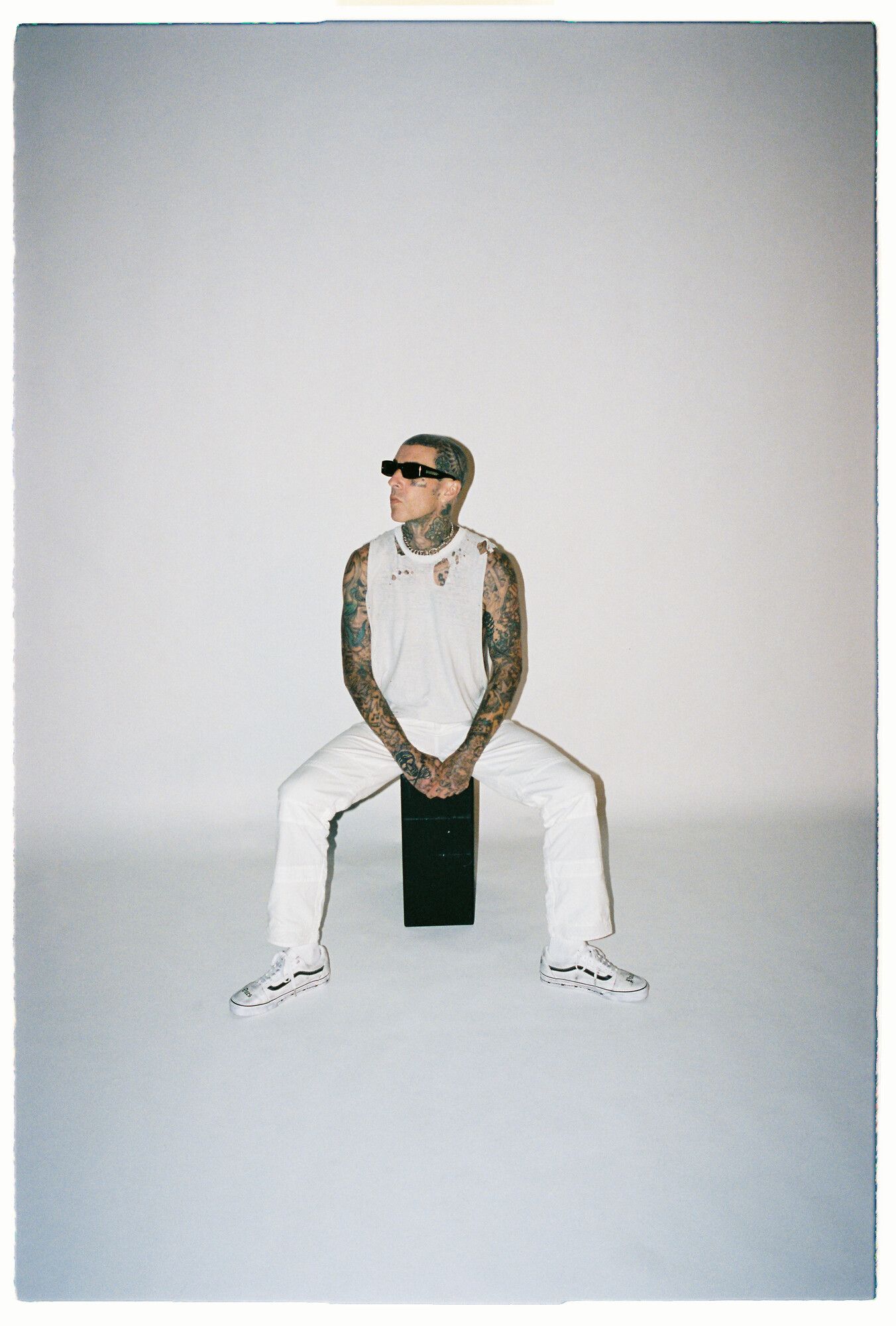
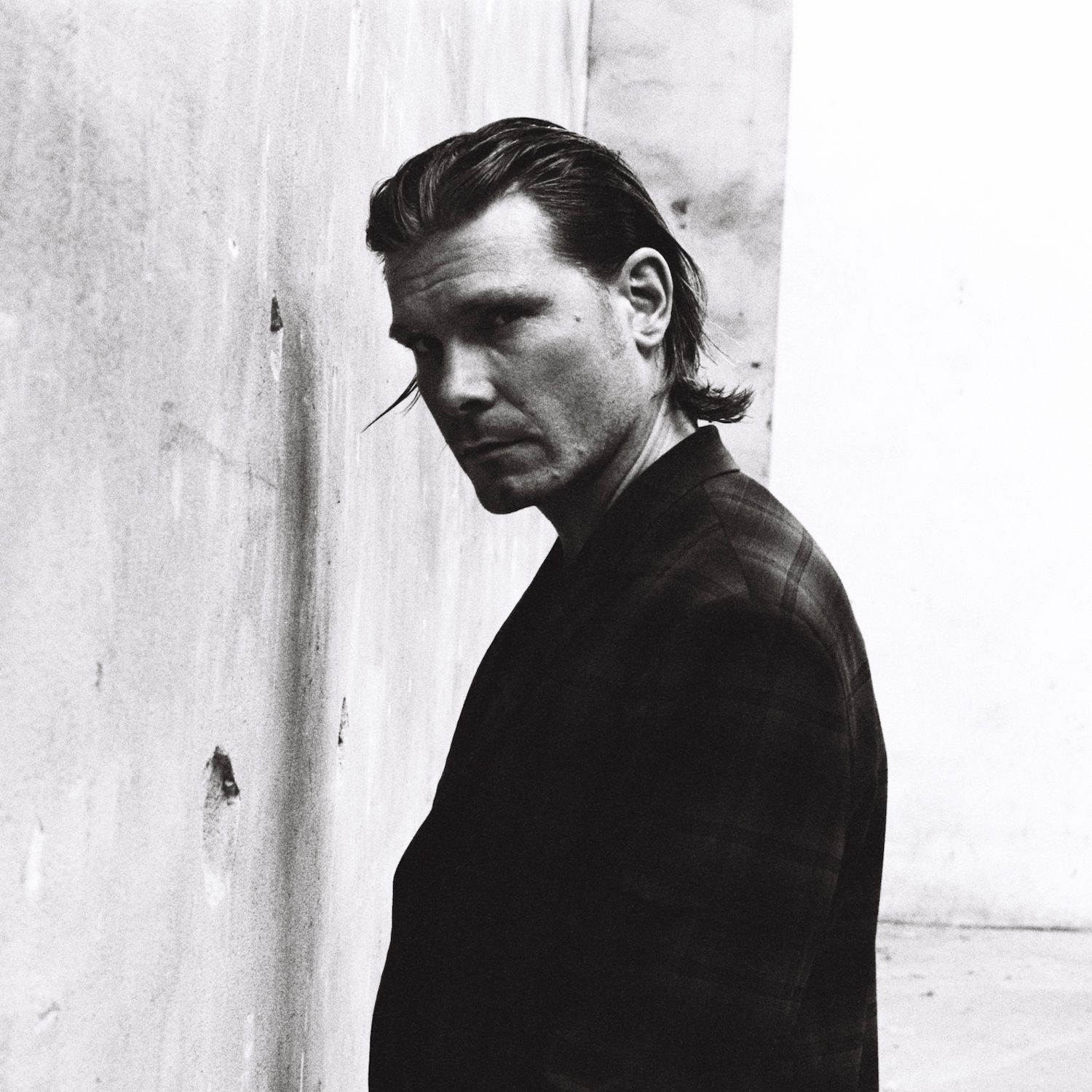
Once that threshold is crossed, the kinds of images people choose start to say a lot. A fashion portrait no longer behaves only like a still editorial image. It starts to feel like a fragment from a campaign film. A beauty shot becomes less about composition alone and more about atmosphere. A couple photo stops working only as documentation and starts to behave like a mood piece.
None of this guarantees good work. In fact, the opposite problem is now everywhere: too much motion, not enough meaning. As AI video becomes easier to make, more of it feels empty. Audiences are already quick to sense the gap between polished visuals and actual intention. The stronger work stands out precisely because so much weaker work now exists.
And that may be the best way to understand why AI video is replacing static images as the new language of mood online. Not because the still image has lost its power. It has not. But because online, feeling now travels more easily through motion than through stillness alone. The image still sets the tone. It just no longer has to do all the work by itself.