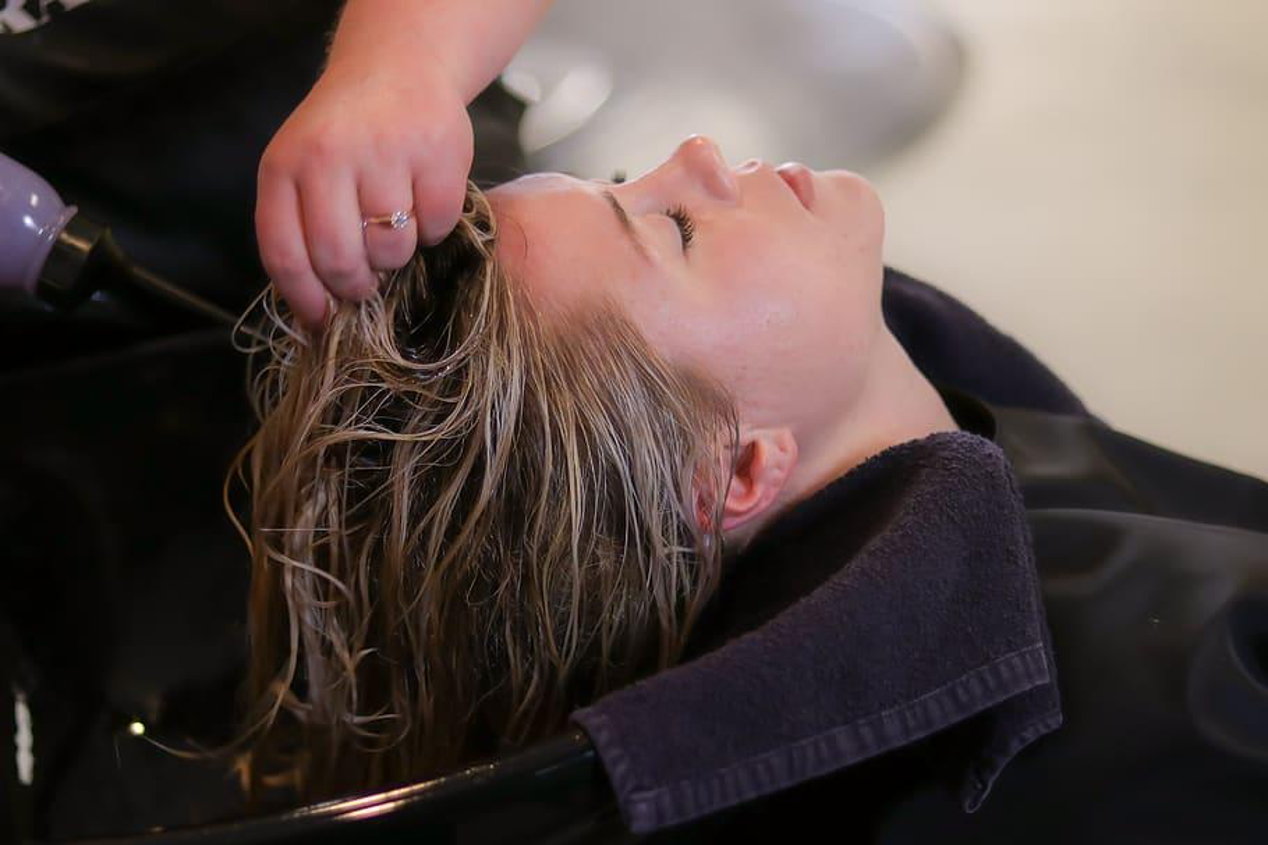
The toner should be what brings the color together, not what makes your scalp feel like it’s on fire. When that stinging turns into a real burn, the problem usually doesn’t start with the toner itself. More often than not, your scalp was already irritated earlier in the process, and the toner just made it worse. Bleach, developer, multiple sessions after the process, rough work around the roots, or even a scalp that was already dry or sensitive can make your skin much more reactive than it seems. So when you apply the toner, discomfort can set in quickly. A little warmth is one thing. Burning, pain, redness, swelling, or a feeling of sensitivity are something else entirely, and shouldn’t be ignored as a normal part of getting your color right.
The scalp is often already irritated before toner goes on
Toner gets blamed because that is the stage when the discomfort becomes impossible to ignore, but the real issue often starts earlier. The scalp may already be stressed from lifting, friction, heat, or a formula that sat too close to the skin for too long. Even when there are no visible marks, the barrier can be compromised enough to react sharply once another chemical step hits the roots. That is why two people can sit through the same toner and have completely different experiences. One feels a light tingle that fades. The other feels heat, stinging, and tenderness that lingers well after the rinse. Beauty routines built around healthier-looking hair tend to work better when scalp condition is part of the conversation, and Lunesi fits into that thought naturally because the brand’s range is built around healthy, glowing hair with scalp care sitting inside the ritual rather than outside it. The moment the scalp starts burning, the goal should shift from tone perfection to calming the skin before things escalate.
Bleach leaves the scalp far more vulnerable than it seems
Bleach is often the quiet setup behind toner discomfort. Even a well-executed lightening appointment can leave the scalp more exposed than usual because the skin has already gone through an intensive chemical process. Some people feel fine right after rinsing and assume everything is settled, then toner lands on the same area and the sting arrives all at once. That happens because irritation does not always announce itself immediately. A scalp that has been processed, rubbed, shampooed too hard before the appointment, or scratched without much thought can react much faster during the next step. This is also why burning tends to be more common around the hairline, parting, and crown, where product placement, brushing, and scalp contact are often most direct. When the barrier is weakened, the toner is not really creating the whole problem from scratch. It is exposing a problem that was already there.
Timing, overlap, and root work matter more than most people think
One reason toner can feel unexpectedly harsh is that color services are often judged by the mirror result instead of by what the scalp has just handled in a short space of time. Back-to-back processing, repeated lightening over already fragile areas, and root application that runs slightly onto sensitized skin can all make the scalp more reactive. Someone may sit down expecting a quick refining step and forget that the roots have already been through developer, lifting, rinsing, sectioning, brushing, and another application. That stack of contact adds up. Even the most polished salon result can come with discomfort if the scalp has been treated as though it will always tolerate one more round. The irony is that better-looking hair usually comes from more restraint, not more pushing. When the scalp stays calmer, the finish often looks cleaner too because the hairline is not left red, tight, or flaky in the days after the appointment.
The first response should be simple, not heroic
Once toner starts burning in a way that feels sharp or steadily worse, trying to push through usually makes no sense. The smartest response is to rinse, stop the exposure, and avoid turning a stressed scalp into a full recovery project. People often want a complicated fix right away, but the first move is usually very plain. Remove the product. Let the scalp cool down. Skip extra actives, heavy friction, and hot tools for a bit. The urge to correct the color immediately can be strong, especially when someone is already halfway through a transformation, but that is usually the wrong instinct. The scalp does not care whether the tone is perfect that day. It cares whether the barrier is still intact. If symptoms move beyond burning into swelling, weeping, blistering, or a reaction spreading past the scalp, that is no longer a beauty inconvenience. It is a signal to get proper medical advice instead of guessing.
Better color usually starts with a calmer scalp
The real answer to why toner burns the scalp is usually less dramatic than people expect. It tends to come down to an irritated barrier, a scalp that was already too sensitive before toning started, or a formula meeting skin that had no real capacity left to tolerate one more chemical step. That is why the better question is not how to endure the burn. It is how to stop setting the scalp up for it in the first place. More space between appointments, gentler prep, less friction at the roots, and more attention to scalp condition can change the whole experience. Beautiful hair color always gets more attention than scalp comfort, but the two are tied much more closely than people admit. When the scalp is calm, hair color tends to sit better, feel better, and look more polished long after the appointment is done.