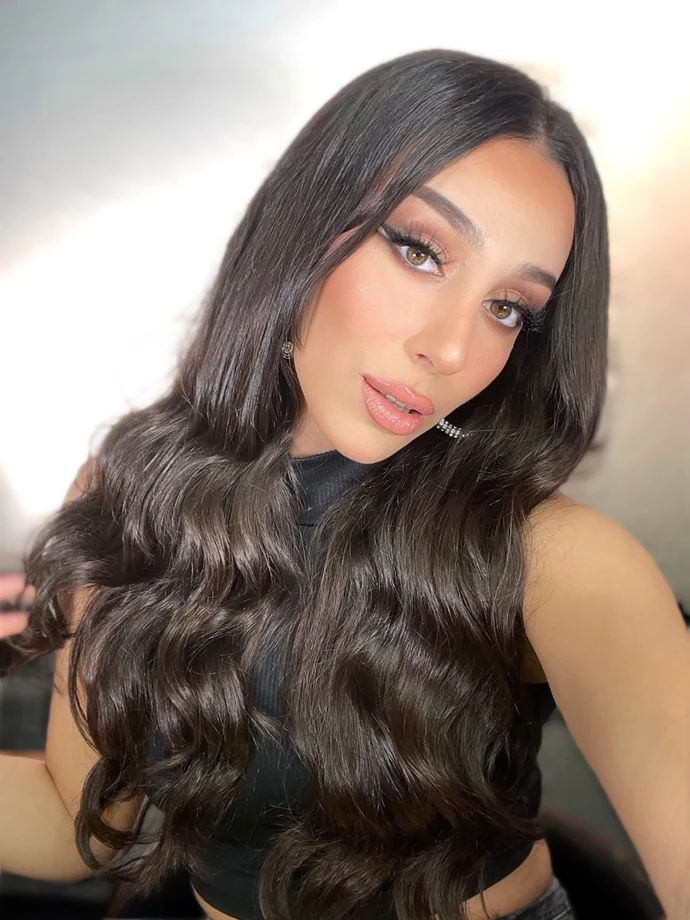
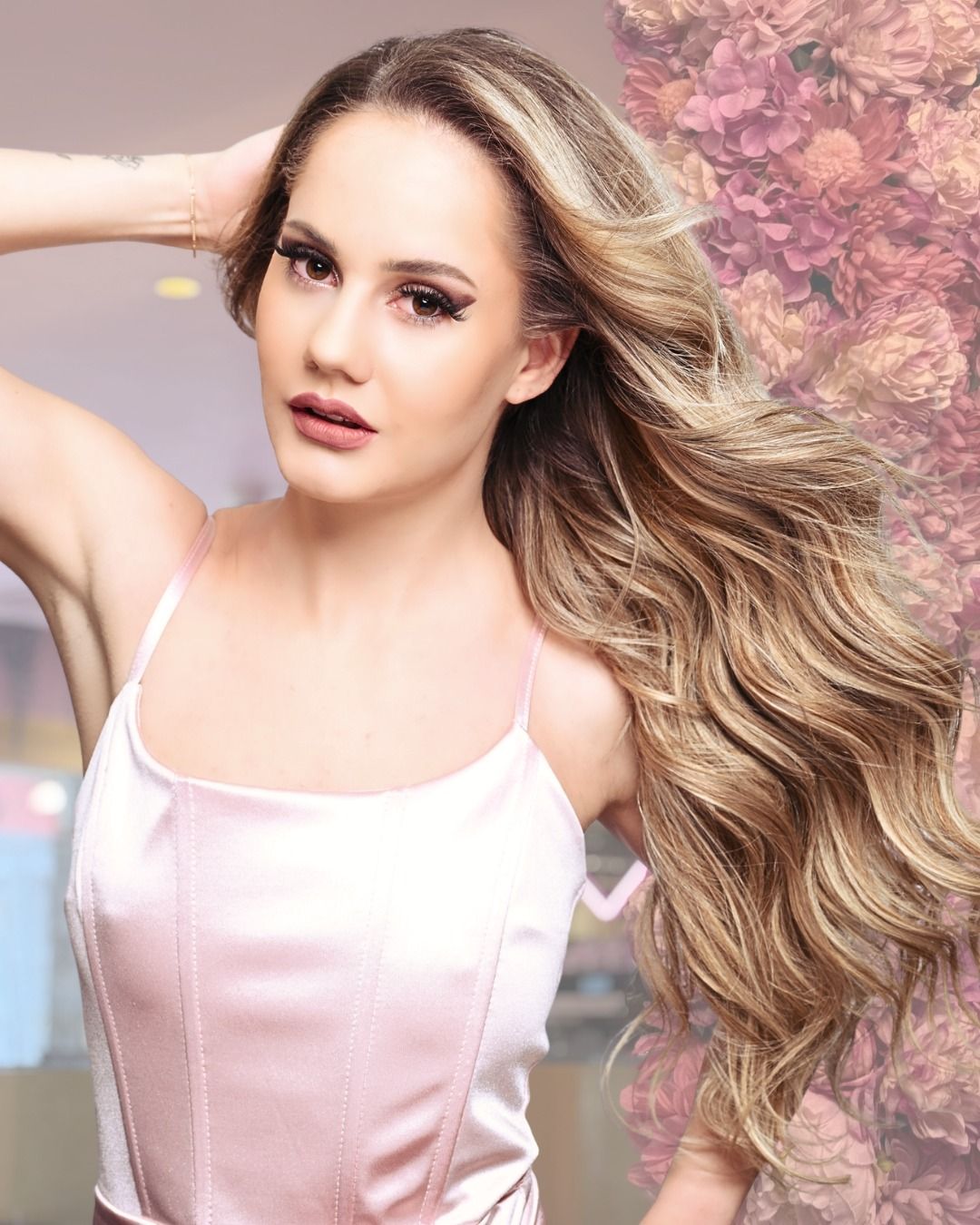
There’s a certain kind of hair that’s everywhere right now. You’ll spot it backstage at fashion week, across your Instagram feed, and walking past you on an otherwise unremarkable Tuesday morning. It’s not overly styled, nor is it trying too hard. It simply looks… better. Thicker. Healthier. Expensive. And no, it’s not just good genes.
We’re in the era of quiet luxury beauty, where the goal isn’t transformation, but refinement. Skin looks like skin (only more luminous), makeup is pared-back, and hair, perhaps most noticeably has taken on a new level of polish. Beauty trends continue to shift towards wellness, longevity and more effortless routines, with consumers prioritising ease and refinement over high-maintenance aesthetics.
The Shift Towards “Invisible” Beauty
For years, obvious extensions and overworked styling dominated the conversation. Now, the pendulum has swung in the opposite direction. The modern approach is undetectable enhancements that blend seamlessly into your natural hair, adding density and structure without ever announcing themselves. Behind the scenes, however, there’s often more going on
Speak to any stylist working across editorial shoots or red carpet prep, and one thing becomes clear: truly great hair is rarely left to chance. What appears effortless is often carefully constructed and increasingly, that includes the discreet use of high-quality extensions.
The emphasis on hair health has also been reinforced by experts like the British Association of Dermatologists, who continue to highlight the importance of minimising heat damage and mechanical stress.
Quality Matters More Than Ever
As the demand for natural looking results grows, so too does the importance of sourcing.
Instead, there’s a move towards premium, ethically sourced options that prioritise texture, tone, and longevity. Investing in the right supplier makes all the difference, particularly when navigating the increasingly saturated market of UK based hair extensions specialists like Hickenbick Hair, where craftsmanship and quality control are central to achieving that barely there finish.
Perhaps the most appealing part of this shift is how it aligns with a broader desire for low-maintenance beauty. This aligns with broader consumer shifts noted by platforms like Pinterest, where searches for low maintenance hair routines have steadily increased.
Ultimately, what we’re seeing isn’t just a trend, but a recalibration of expectations. “Good hair” no longer means freshly styled or perfectly curled, it means healthy-looking, balanced, and quietly elevated.