Image by Magnific
There was a time when dressing a child for a formal occasion meant one of two things: an outfit that looked polished in photographs and produced complaints within the hour, or a compromise that was comfortable enough to survive the day but never quite matched the occasion. For a long time, parents accepted this as an unavoidable trade-off. The children’s formalwear category simply did not try very hard.
That has changed. The broader children’s wear market is undergoing a significant shift, one that is particularly visible in occasionwear, and the driving forces behind it are reshaping what parents expect and what designers are delivering.
The Market Has Woken Up to What Parents Actually Want
The global children’s wear market is projected to grow from $291 billion in 2025 to nearly $493 billion by 2034, a trajectory that reflects something more substantial than population growth. Today’s parents are more style-conscious and more quality-focused than previous generations, and they are applying that scrutiny to every category of their children’s wardrobes including the formal end.
The result is a market that can no longer rely on the assumption that parents will accept a trade-off between how an outfit looks and how it performs on an actual child. Brands that have built their occasionwear around genuine wearability alongside considered design are pulling ahead, while those still producing the stiff, synthetic-lined, uncomfortably formal products of a decade ago are finding buyers increasingly difficult to retain.
The Aesthetic Has Shifted Too
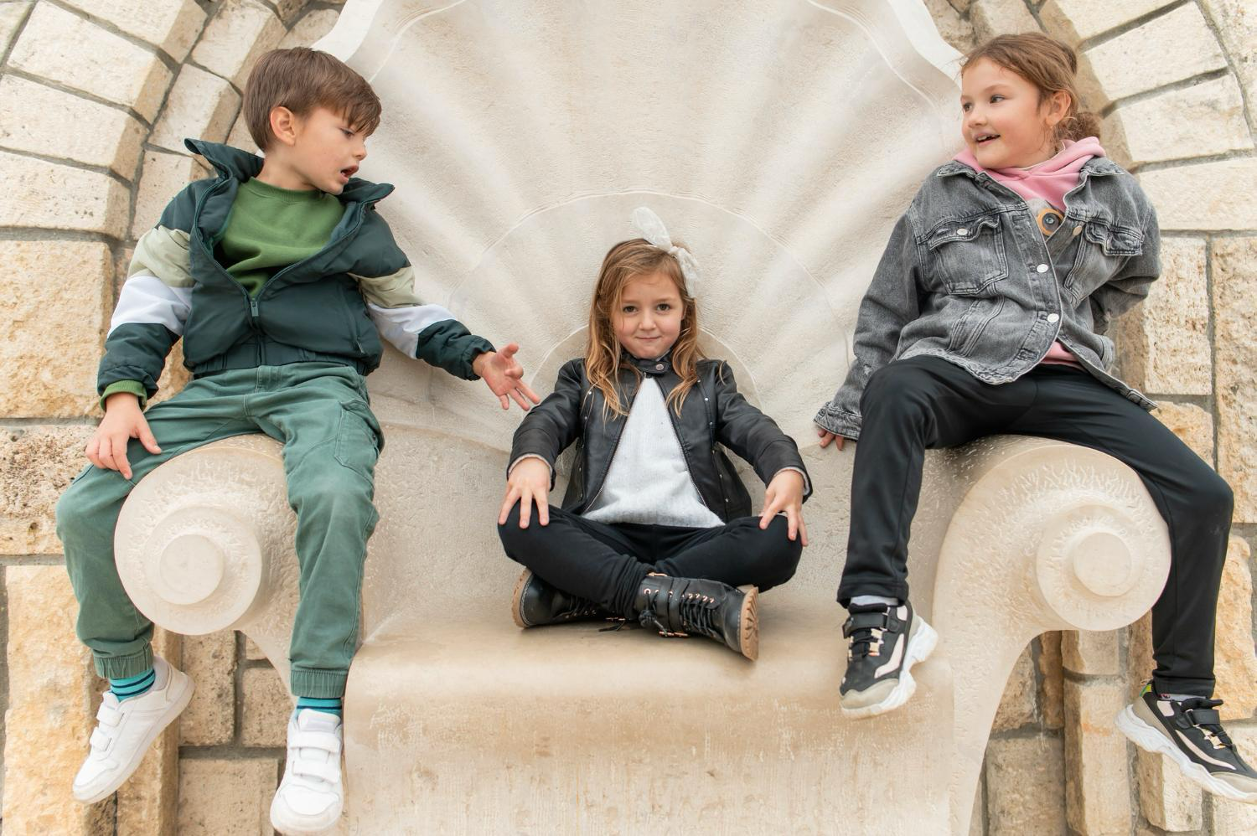
The visual language of children’s occasionwear in 2026 is different from what it was even five years ago. The trend toward rigid formality has softened considerably. Parents are gravitating toward pieces that feel elevated rather than costume-like: refined silhouettes, quality fabrics, and details that read as deliberate rather than decorative. The cottagecore influence that took hold earlier in the decade has contributed to this, bringing with it a preference for soft fabrics, delicate finishes, and styles that feel considered without being overdressed.
Color has also evolved. While white and navy remain perennial staples for formal occasions, the palette available in children’s occasionwear now extends into rich jewel tones, deep greens, burgundy, and plum, shades that photograph beautifully and feel genuinely fashionable rather than merely appropriate. Parents who follow adult fashion trends are increasingly expecting the same chromatic sophistication in their children’s formal wardrobe.
Footwear Has Finally Caught Up
One of the most noticeable gaps in the children’s occasionwear category has historically been footwear. Dress clothing improved steadily while formal shoes for children remained largely stuck: either visually tired or physically uncomfortable, with little overlap between the two failure modes.
The segment that has seen the most interesting development is girls’ dress shoes, where a handful of brands have applied genuine craft to the problem of producing footwear that looks as considered as the outfit it accompanies while actually functioning on the foot of a real child. Perroquet Shoes girls dress shoes represent exactly this approach. Handcrafted in genuine leather with construction drawing on European shoemaking traditions, Perroquet’s range covers the full formal spectrum: Mary Janes, T-bar styles, scalloped cap-toe designs, velvet smoking slippers with embroidered crests, and monk strap options that work as confidently for a school recital as for a wedding. The leather softens and adapts with wear, the silhouettes are genuinely classic rather than trend-chasing, and the price point is positioned to make quality accessible without requiring the budget of a luxury purchase. For parents who have spent years choosing between shoes that look right and shoes their daughter will actually wear without protest, Perroquet sits at that intersection.
Sustainability Is Reshaping Purchasing Decisions
The modern upgrade in children’s occasionwear is not purely aesthetic. A growing segment of parents is applying sustainability criteria to formal purchases alongside everyday ones, and this is changing what they are willing to buy and how they think about value.
Fast fashion occasionwear, the kind designed to be worn once and discarded, is facing increasing resistance from parents who are thinking more carefully about what they buy for their children. The shift toward quality construction and natural materials is partly an aesthetic preference and partly a values-driven one. A well-made formal dress or a pair of leather shoes that can be passed down, resold, or worn across multiple occasions represents a fundamentally different proposition from a synthetic outfit with a single-use lifespan.
According to Vogue Business, sustainability has moved from a niche consideration to a mainstream purchasing driver in children’s fashion, with parents increasingly factoring material quality, production ethics, and longevity into buying decisions that would previously have been made on price and appearance alone.
What This Means for the Occasion Itself
The practical consequence of these shifts is that dressing a child for a formal occasion has become a more considered and more satisfying process than it used to be. The options available across clothing and footwear are genuinely better: more wearable, more thoughtfully made, and more visually aligned with what parents want to see on their children without requiring a negotiation between appearance and comfort.
The child who arrives at a wedding, a christening, or a formal school event in an outfit that fits well, feels good, and looks genuinely considered is also the child who is present and comfortable rather than preoccupied with something that pinches or pulls. That outcome, obvious as it sounds, has historically been harder to achieve than it should have been. The modern upgrade to kids’ occasionwear is largely a story of the industry finally catching up to what parents always wanted.