(Source)
In July 2025, Jane Birkin’s original Hermès Birkin sold for €8.6 million, setting the auction record for a handbag.
That sale made headlines, but the bigger point is quieter. Certain pre-owned icons now hold 95 to 138 percent of their value at resale, even after years of use.
Savvy UK buyers already act on this. They buy pre-loved, avoid the steepest retail markups, and carry a bag that can hold value while it earns its keep.
The best purchases blend style, resale demand, and everyday usefulness.
Key Takeaways
The strongest bags pair brand scarcity with proven demand and clear buyer protections.
- Hermès leads the field. Rebag’s 2025 Clair Report shows about 138 percent value retention.
- Some models trade above retail. The Kelly averages about 50 percent above RRP, and The Row’s Margaux sits at about 7 percent above.
- UK buyers get a tax edge. Under the VAT Margin Scheme, VAT applies only to the reseller’s profit margin.
- Sustainability is measurable. WRAP found that adding nine months of use cuts carbon, water, and waste footprints by about 20 to 30 percent.
- Authentication is manageable. AI-supported services such as Entrupy claim about 99.86 percent accuracy, though a strong return policy still matters.
- Consumer protections still apply. UK distance sales from businesses usually include a 14-day cooling-off period, and goods must match their description.
What Investment Means for Handbags
A handbag is an investment only when it holds value, sells easily, and gets worn.
Value retention is the resale price divided by the recommended retail price, or RRP. Liquidity means how quickly a bag sells.
Utility is cost-per-wear, which is what you really pay after resale, spread across the times you carry it. That matters because a bag you use twice a week beats one that sits in a box.
Not every bag appreciates, and condition does most of the work. The strongest performers are iconic models with clean corners, strong hardware, and complete packaging. Brand price rises matter too. Chanel raised handbag prices by about 7 percent in 2023 and another 3 percent in 2024, which changed the resale market.
Three Big Benefits of Going Pre-Owned
Pre-owned wins on price, resale strength, and environmental impact.
Superior Value Retention and Select Appreciation
Hermès reached 138 percent retention in 2025, and Goyard averaged about 104 percent in 2024. British Vogue, citing The RealReal’s 2024 report, also noted Bottega Veneta’s Andiamo at up to 95 percent of RRP and the Loewe Puzzle up about 40 percent since 2020. Demand is broadening too. The RealReal also reported a 900 percent year-over-year rise in men’s bag searches.
Lower Effective Entry Cost and UK VAT Advantage
Entry cost is lower too. Under the UK VAT Margin Scheme, VAT applies to the reseller’s profit margin, not the full selling price. That helps narrow the gap between a carefully sourced pre-owned bag and a new one from the boutique.
Sustainability You Can Measure
The environmental case is measurable. WRAP found that extending a product’s active life by nine months cuts carbon, water, and waste footprints by about 20 to 30 percent. Durable leather, sensible storage, and timely repairs stretch those gains.
What to Buy So Your Bag Holds or Grows in Value
Start with icons that have steady demand, easy recognition, and years of price history behind them.
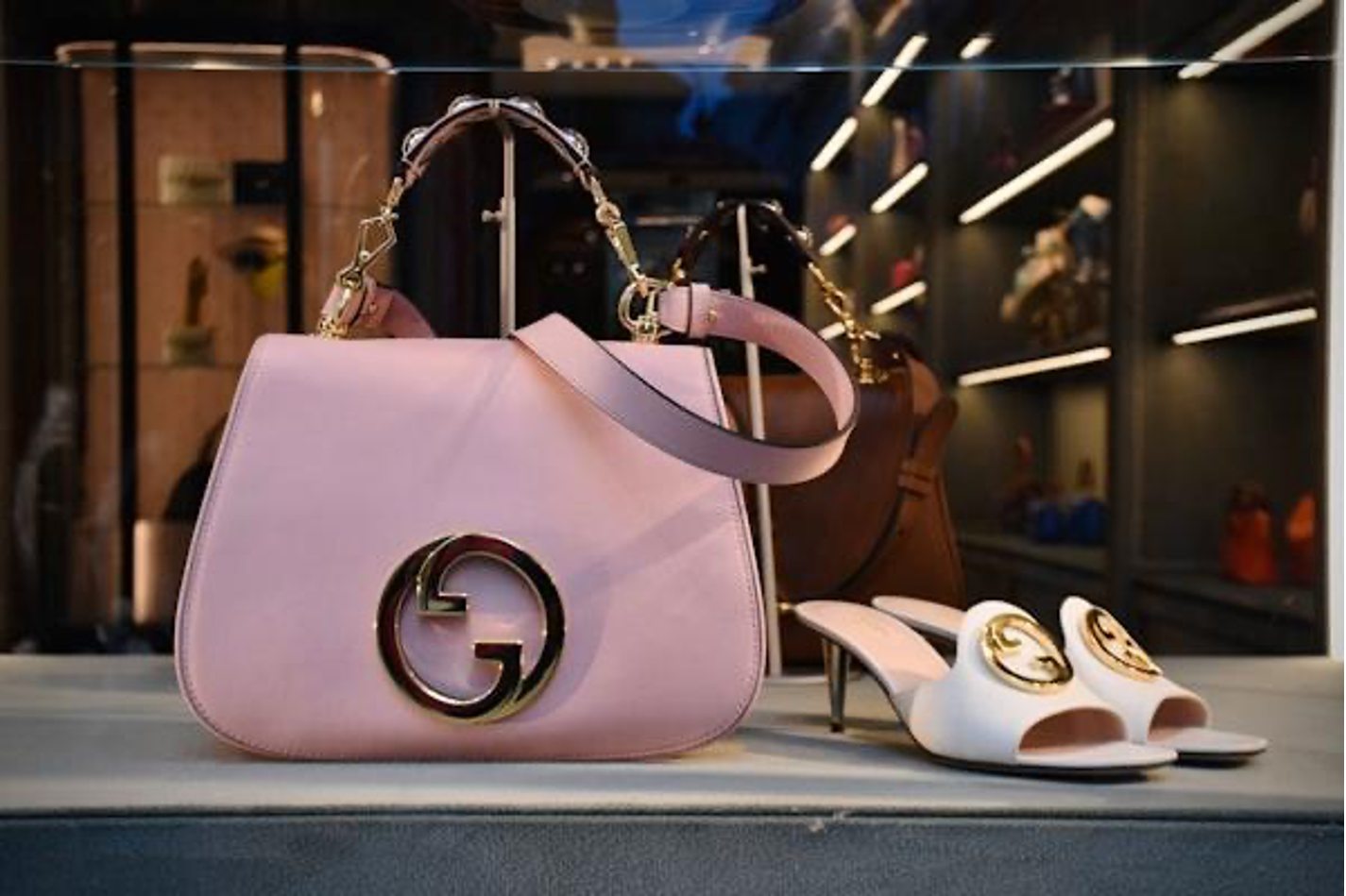
Hermès Birkin and Kelly in neutral leather with gold or palladium hardware remain the clearest long-proven choices. Chanel’s Classic Flap in caviar leather and classic colours also benefits from price increases. Louis Vuitton’s Speedy and Neverfull offer faster liquidity at a lower entry point, while Goyard’s Saint Louis gains strength from scarcity.
Test a bag against your real life before you buy. Over 30 days, note outfits, weather, capacity, and how often you would reach for it. If you buy a Chanel Wallet on Chain for £2,800, use it 60 times, and resell it for £2,500, your effective cost-per-wear falls below £6.
Buy the best condition you can afford, and favour a full set, meaning the box, dust bag, receipt, and any cards or extras that came with it. Check serial numbers or chips, stitching, hardware weight, logo stamps, and smell. Use independent authentication before the return window closes.
Where to Shop So You Buy Right, Not Twice
Where you buy matters almost as much as what you buy.
Large resale platforms offer depth, but only if their grading is clear and their return window gives you time to verify the bag independently. Filter for excellent or very good condition, and compare photos of corners, edge paint, lining, and hardware before you pay. For a UK-based starting point, S&R Jewellers stocks a specialist-authenticated selection ofpre-owned luxury handbags in UK, available to browse online or view in-store at their London location.
UK-based specialist boutiques remove extra friction. You avoid import VAT paperwork, deal under UK consumer rules, and usually get easier returns or in-person inspection. That matters if this is your first serious purchase or if you want local aftercare.
Use forums and social groups for research, not payment. Study wear patterns, serial ranges, and common flaws there, then buy through a business with documented checks. If you still buy socially, ask for timestamped photos, live video, and a payment service that holds the funds until the bag is approved.
How to Track Your Bag’s Investment Performance
You do not need a finance dashboard to track a handbag well.
Keep a short list of recent comparable sales for the same model, size, leather, colour, condition, and whether it is a full set. A 15-minute monthly scan of asking prices versus sold prices is usually enough to spot shifts after a brand price rise or a waitlist change.
Track cost-per-wear too. Save receipts for repairs that improve resale, such as edge paint or strap work, and keep insurance values current. Many UK home policies have single-item limits, so higher-value bags may need to be listed separately for full cover.
Make Your Wardrobe Work Like a Portfolio
A small, disciplined collection usually performs better than a crowded one.
Spread your spend across two or three proven brands, then add one trend-led piece only if you would love it at zero resale gain. Buy pre-owned in excellent condition, keep every receipt, and store the bag well. That keeps your exit options open without treating fashion like a day trade.
If you want one simple rule, buy the bag you will wear, but buy the version the next buyer will want.