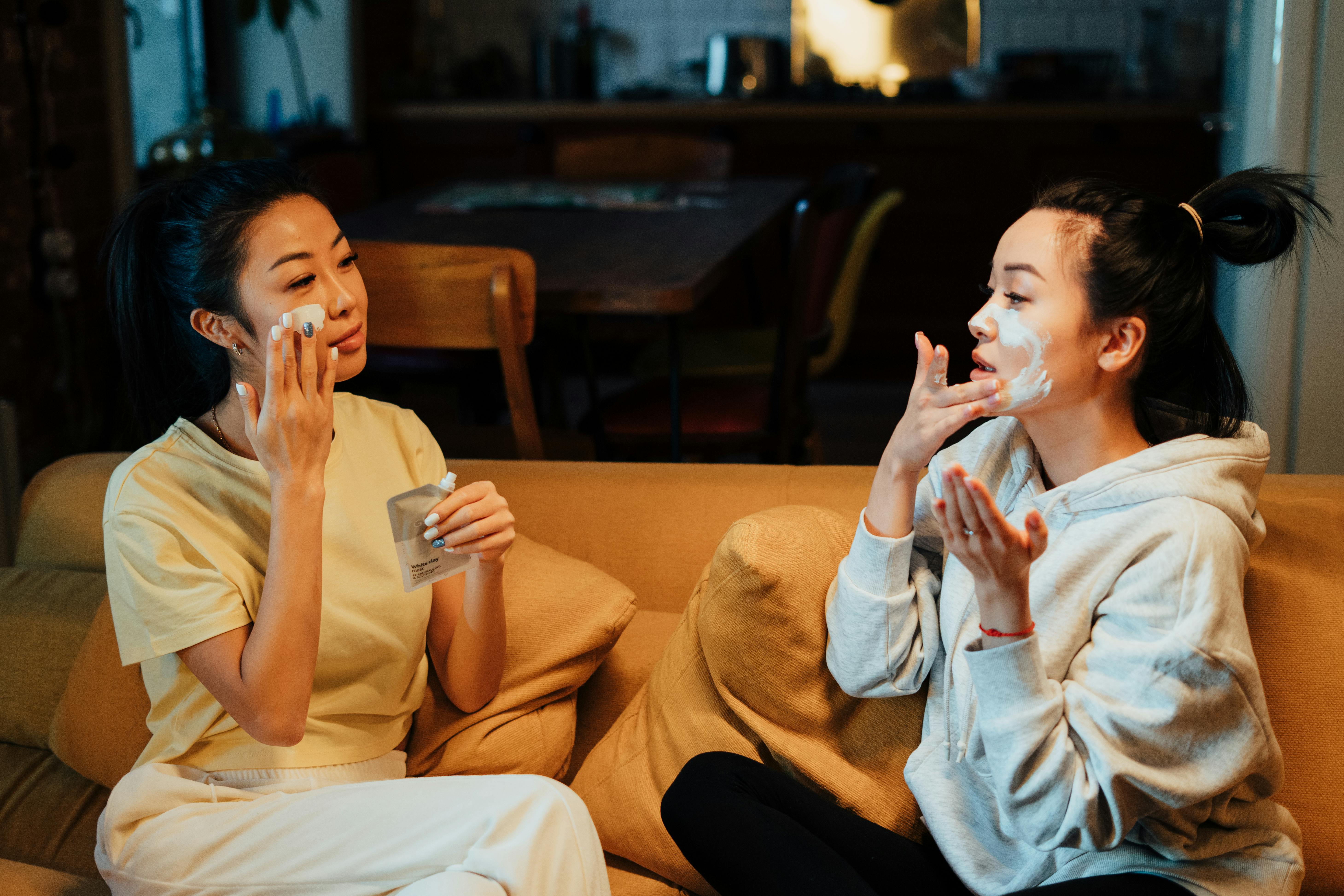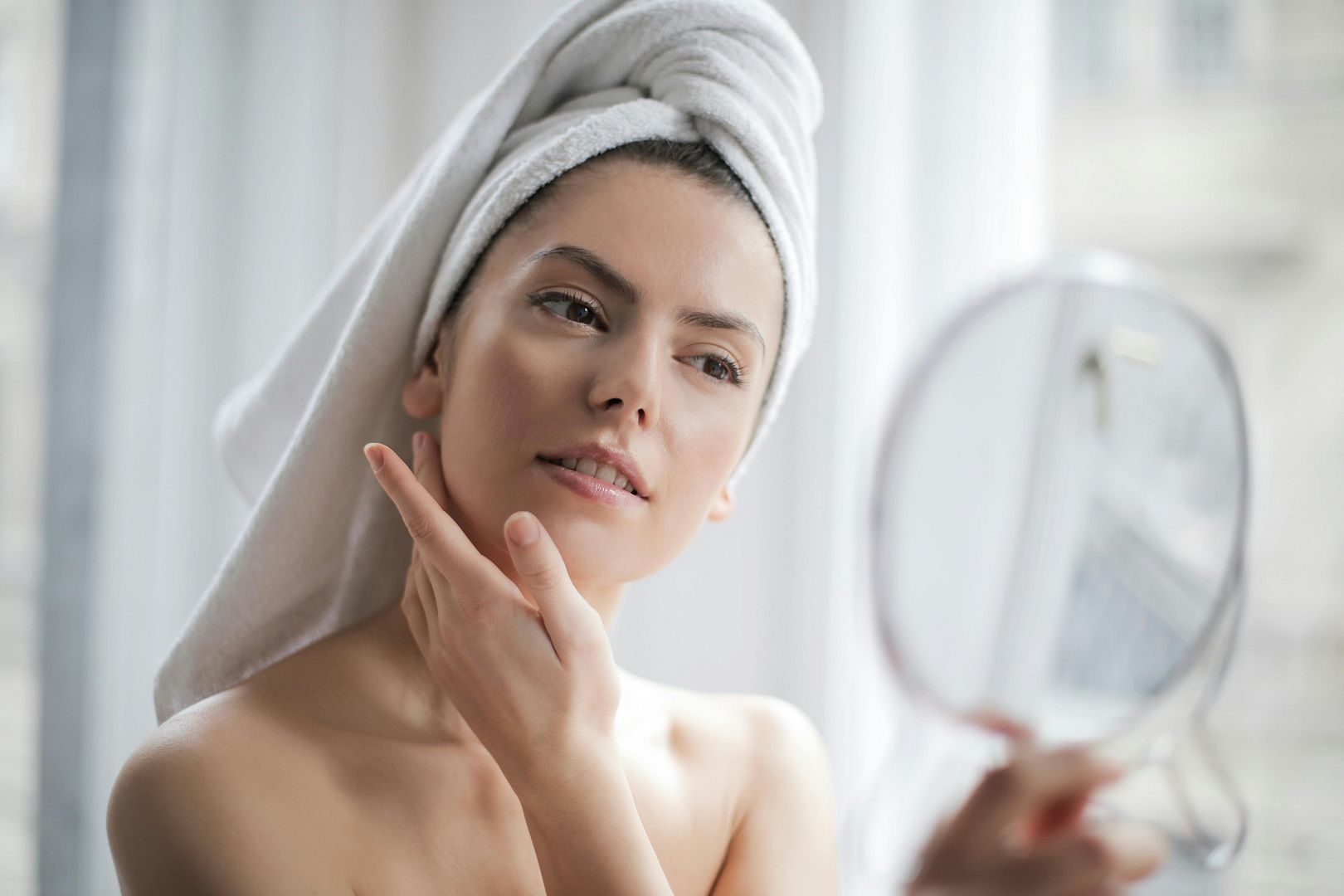
There’s a specific kind of frustration in doing “all the right things”: the double cleanses and the pricey overnight masks only to wake up looking as tired as you feel. Somewhere between the routine and the reality, the vitality we’re promised goes missing.
It’s a frustration I know well. For years, my skin reflected exhaustion rather than health, with dry patches appearing without warning and breakouts arriving at the most inconvenient moments. No matter how carefully I followed the latest advice or invested in new products, the results felt temporary at best. What lingered longer than any glow was the sense that something deeper was being overlooked.
Over time, it became clear that the issue wasn’t effort or discipline. It was expectation. The skincare industry is built around immediacy: faster results, brighter skin, and instant transformation. But skin does not operate on trends or timelines dictated by marketing cycles. It responds to what it has been exposed to repeatedly over time.
Trends will always evolve. New ingredients, routines, and promises will continue to shape the conversation, and social media will keep redefining what progress is supposed to look like. But skin does not respond to trends.
Skin Reflects What It’s Been Through
Skin is not failing when it appears reactive or unpredictable; it is responding. Sun exposure, chronic stress, dehydration, hormonal shifts, and the repeated use of aggressive treatments all leave an imprint.
As we age, the skin’s natural renewal processes slow down. Cell turnover becomes less efficient, the barrier weakens, moisture retention declines, and recovery takes longer. When the skin barrier is compromised, even well-intentioned routines can begin to overwhelm rather than support. Sensitivity increases and redness lingers. What is often described as “problematic” skin is frequently skin that has simply been asked to do too much, too quickly, for too long.
This realization changed how I began to think about skincare entirely. If many skin concerns are cumulative, then meaningful improvement has to be built the same way: gradually, consistently, and with restraint.
The Illusion of Fast Results
Modern skincare culture is fueled by overstimulation. We see exfoliating acids layered too frequently and actives swapped before the skin has time to respond. The pursuit of instant brightness or smoothness can create visible change in the short term, but it often keeps the skin locked in a constant cycle of repair.
Rather than strengthening the skin, this approach can prevent it from ever stabilizing. The skin becomes dependent on intervention, reactive to rest, and less resilient overall. What looks like progress is often just temporary compensation. Choosing a slower path requires patience from both the brand and the person using the products. Supporting the skin’s natural functions may not deliver overnight transformation, but it allows the skin to regain balance and predictability over time.
This philosophy ultimately shaped the way I approached skincare professionally and informed the foundation of my work with JEYANCIE Beauty, where the focus remains on supporting skin health over the long term rather than chasing immediate results.
Rethinking the “Glow”
One of the most misunderstood concepts in skincare is “glow”. True radiance cannot be applied or forced into existence. It is earned when the skin is functioning well.
When skincare routines prioritize barrier support and hydration, the skin begins to retain moisture more effectively. Cell turnover becomes more consistent and texture appears smoother in its natural state. As inflammation subsides, breakouts and redness become less frequent. This shift isn’t a cosmetic coincidence; calm skin reflects light differently, and that is what we perceive as glow.
How Long-term Care Slows Cumulative Damage
Building skincare with the future in mind requires looking beyond today’s results. Much of what we recognize as aging isn’t simply the passage of time. It is the accumulation of daily stress without adequate recovery. Consistent hydration, barrier protection, and thoughtful care help slow collagen breakdown and reduce cumulative strain on the skin.
Aging itself cannot be stopped, and no routine eliminates change entirely. The goal isn’t to reverse time, but to allow skin to age more evenly, gradually, and with greater resilience.
Many people don’t adjust their skincare habits until something goes wrong. When issues arise, routines often shift into emergency mode, introducing aggressive treatments in an attempt to undo damage quickly. But skin tends to thrive when it is no longer treated like a crisis. With regular, supportive care, it becomes more predictable, flare-ups resolve more easily, and the foundation becomes stronger. This is why skincare is best understood as an investment, requiring consistency, patience, and trust in the process.
The Luxury of Low-Maintenance Skin
I’ve gone through several studies that show that a large proportion of people do not change their skincare behavior unless they encounter an issue. Once it happens, we all switch to emergency mode, trying anything and everything to reverse the problem.
But your skin tends to respond better when you stop treating it like a 911 emergency. If you do a good job of regularly taking care of your skin, it will become more predictable. Flare-ups are more easily healed, texture stays smoother and because you have a stronger skin foundation, you naturally rely on less aggressive treatments.
This is why I say that skincare is an investment, not because it will necessarily cost you anything, but instead because it demands time, patience and trust in the process. Over time, that investment pays off in something more substantive, like calm and glowing skin.
Final Thoughts
Trends will always evolve. New ingredients, routines, and promises will continue to shape the conversation, and social media will keep redefining what progress is supposed to look like. But skin does not respond to trends. It responds to time, consistency, and care.
Healthy skin isn’t built in a week. It is shaped through understanding, daily attention, and routines designed to support rather than overwhelm. When skincare is treated as a long-term commitment rather than a quick fix, the results tend to be quieter, steadier, and far more enduring.