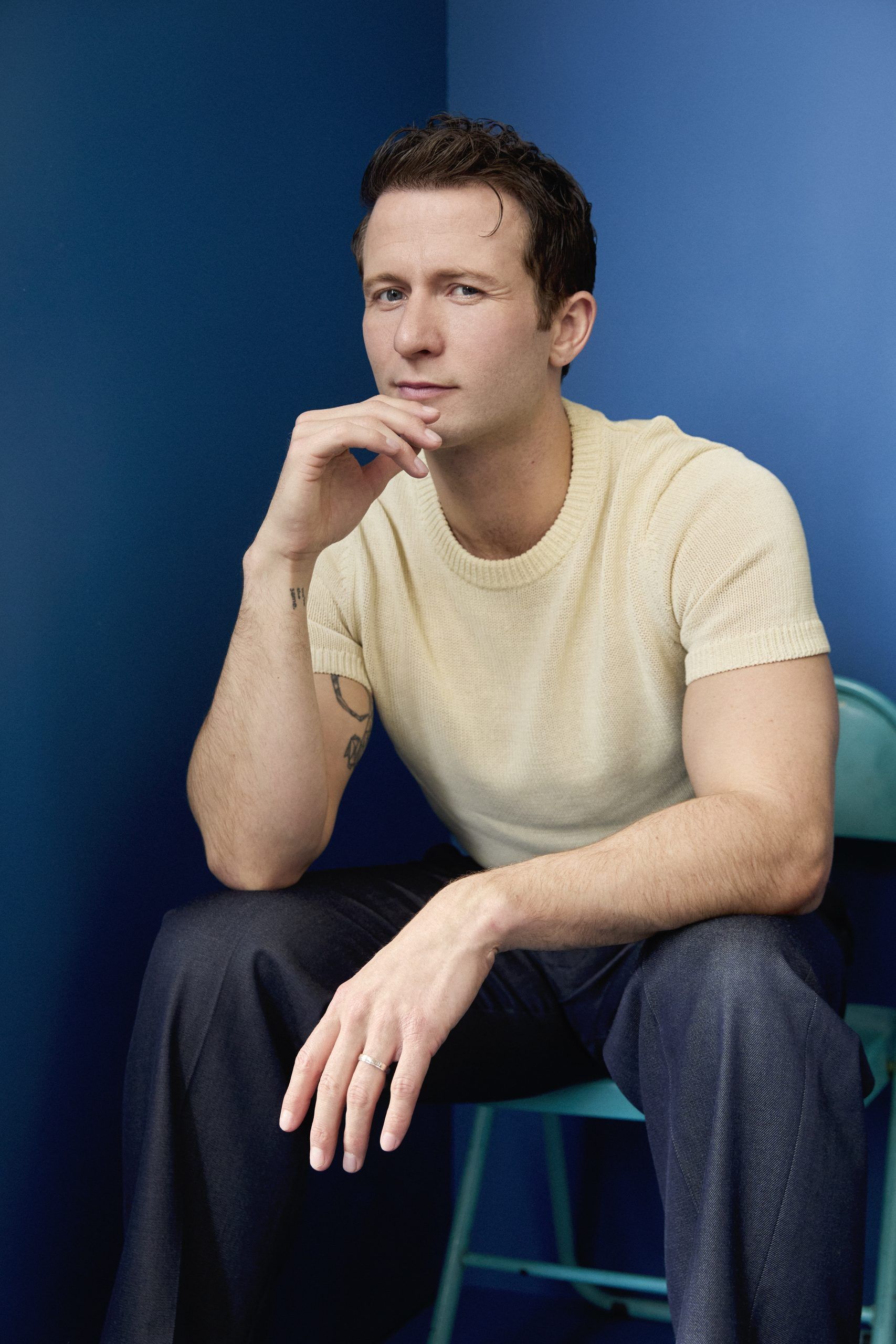
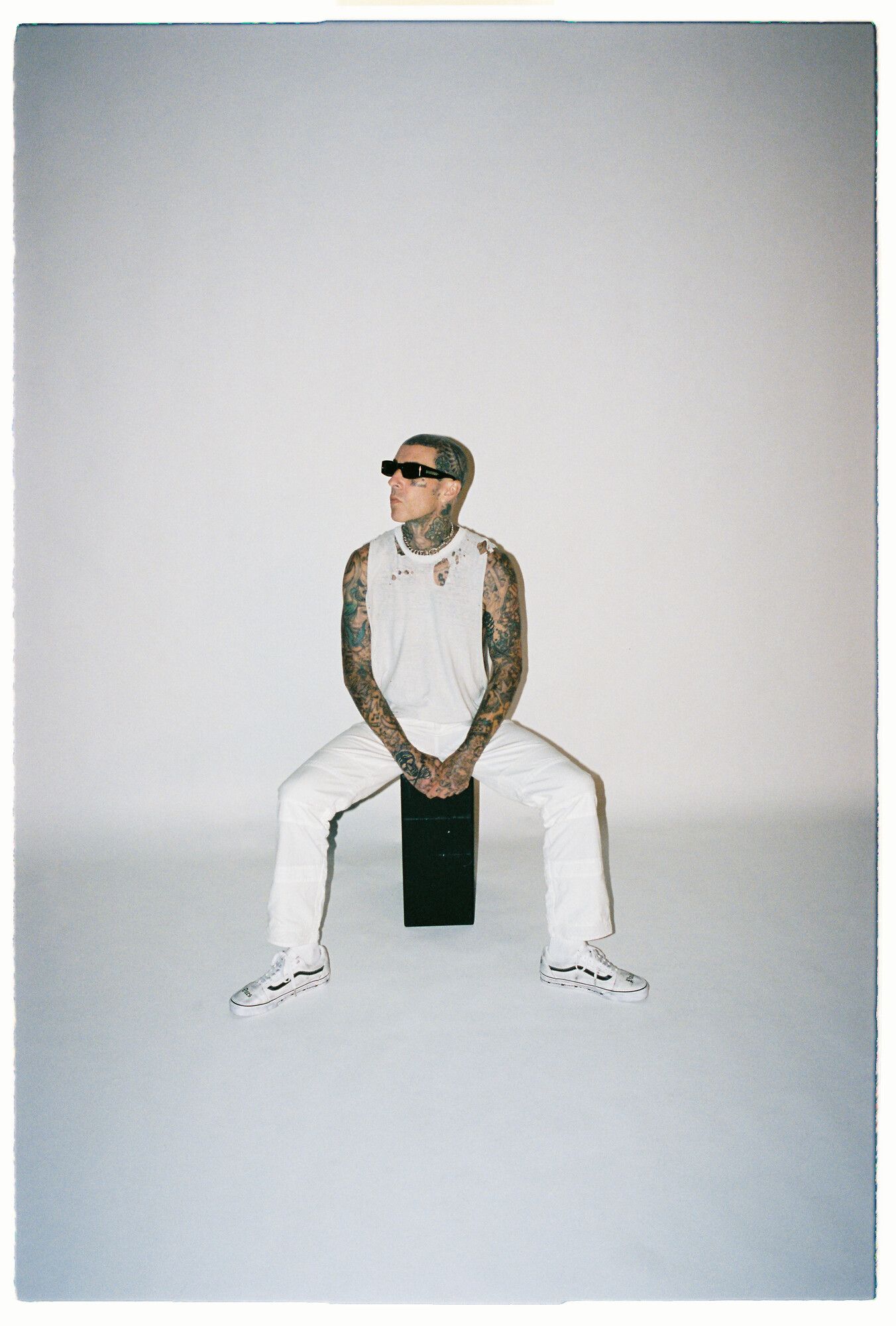
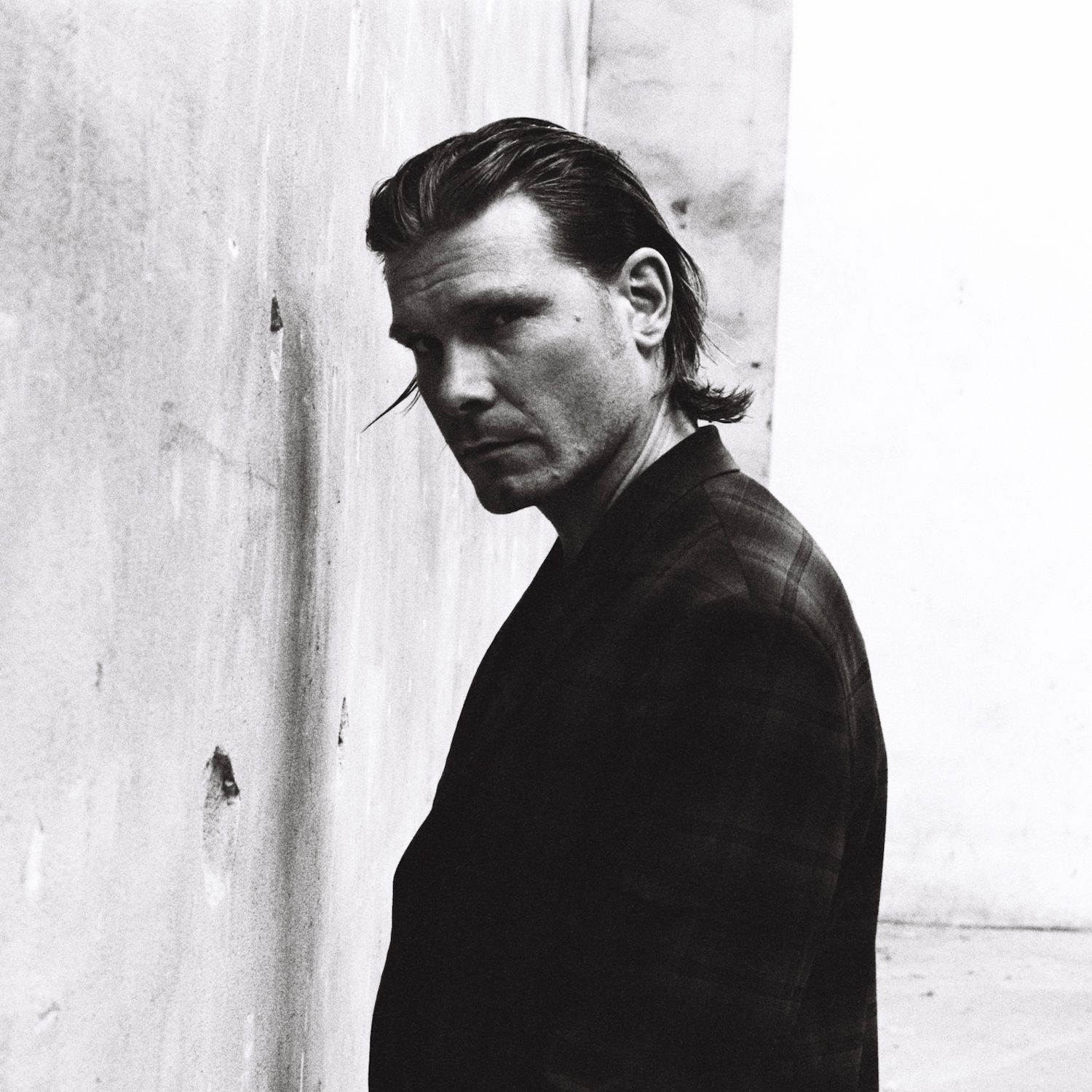
There’s a photographer who spent years shooting musicians before pivoting to direct films…his experience behind a still camera so deeply influenced his filmmaking that critics noted a rare stillness and lyricism running through both bodies of work. There’s a musician who writes screenplays and novels alongside recording albums, treating each discipline as a different expression of the same restless creative voice. There’s a filmmaker who started as a painter, whose visual sensibility became so inseparable from his films that you can feel the brushwork in the cinematography. There’s a performance artist who composes music, directs theater, writes, and plays multiple instruments — and really doesn’t know how to answer when someone asks what she does.
None of them have a tidy job title…and that’s ok.
And they’re some of the most compelling creative voices of their generation (and yes, all real examples).
The Gallery Isn’t the Gatekeeper Anymore
For most of the 20th century, the art world ran on gatekeepers. Galleries decided who got shown. Labels decided who got heard. Publishers decided who got read. If you wanted an audience, you needed someone with institutional power to open the door for you.
That system didn’t just favor certain kinds of work, it favored certain kinds of artists. Specialists. People who could be categorized, marketed, and slotted into an existing commercial framework. A painter was a painter. A photographer was a photographer. Not having one specialty was a liability.
The internet didn’t just democratize distribution, it demolished the whole premise. When you can build a direct relationship with an audience without anyone’s permission, the institutional framework stops being a ladder and starts being a detour. Artists who understood that early are years ahead of the ones who are still waiting to be discovered.
What replaced the gatekeepers wasn’t chaos, it was community. The most interesting creative work happening right now is living on independent platforms, digital publications, and niche spaces where the audience actually cares. Not algorithm-chasing on Instagram. Not trying to go viral. Real, sustained creative conversation between people who make things and people who love them.
The Creative Generalist Is Having a Moment
There’s a term that’s been floating around design and tech circles for a while — the “creative generalist.” Someone with deep curiosity and real skill across multiple disciplines, who can move fluidly between them and draw unexpected connections. The idea used to be slightly apologetic, like you were admitting you hadn’t committed hard enough to any one thing.
That framing is gone.
Look at the artists doing the most interesting work right now and the pattern is obvious. The boundaries between photography and film, between illustration and tattoo, between writing and visual art…they were always somewhat artificial. The medium changed but the underlying impulse didn’t. It’s all just people trying to make something that means something. It’s creative people creating.
The tools caught up with the instinct. A filmmaker can shoot, edit, score, and distribute a short film alone now in a way that would have required a team and a budget ten years ago. A visual artist can write about their process, build an audience around their ideas, and sell work directly, without a gallery taking fifty percent and deciding which collectors get access.
The generalists aren’t spreading themselves thin. They’re finding the connective tissue between disciplines that specialists miss entirely.
Tattoo Culture and the Mainstreaming of Craft
One of the more interesting examples of this shift is what’s happened to tattooing over the last fifteen years.
Tattoo was always an art form…technically demanding, deeply personal, with its own history and iconography. It spent decades existing outside the mainstream art conversation. That’s over. The artists pushing the boundaries of tattoo today are in conversation with fine art, illustration, graphic design, and photography simultaneously. Their work shows up in galleries. Their process videos get millions of views. Their influence runs in both directions.
What changed wasn’t the art. It was the audience’s willingness to engage with it on its own terms, without needing a museum to cosign it first.
That’s the broader shift. The audience got more sophisticated and less deferential to institutional taste at the same time. They don’t need someone to tell them what’s worth paying attention to. They’re finding it themselves…in the corners of the internet where people are making things because they love making them, not because a market research team green-lit it.
Where the Good Stuff Actually Lives
Here’s the honest reality of where interesting creative work is happening right now: it’s not at Art Basel. It’s not on the front page of streaming platforms. It’s in the places that don’t have massive marketing budgets behind them.
It’s independent film festivals where the director also wrote the score. It’s photographers who are also essayists. It’s digital publications built around genuine creative communities rather than advertiser demographics.
The audience for this work exists and it’s growing. People are tired of the algorithmic sameness of mainstream culture and are actively looking for something with a point of view. They’re not hard to reach. They’re just not being served by the outlets that are still operating like it’s 2005.
Independent creative magazines like Feeling Creative? exist specifically in this space…built around the idea that the most interesting creative voices today are the ones crossing disciplines, ignoring job titles, and making work that doesn’t fit neatly into a category. Film, photography, art, tattoo, writing, music… not as separate silos but as different expressions of the same creative restlessness.
That’s where the conversation is. The artists who are paying attention already know it.
Author Bio: Mike Meyerson has worked in video, film, and advertising for over 25 years (and yes, he’s also a musician, writer and photographer…but unfortunately he can’t draw anything other than stick figures). He’s the founder of Feeling Creative?, a digital magazine built for the creative generalist…photographers who write, filmmakers who illustrate, artists who don’t have a clean answer when someone asks what they do. Based in NY’s Hudson Valley.