
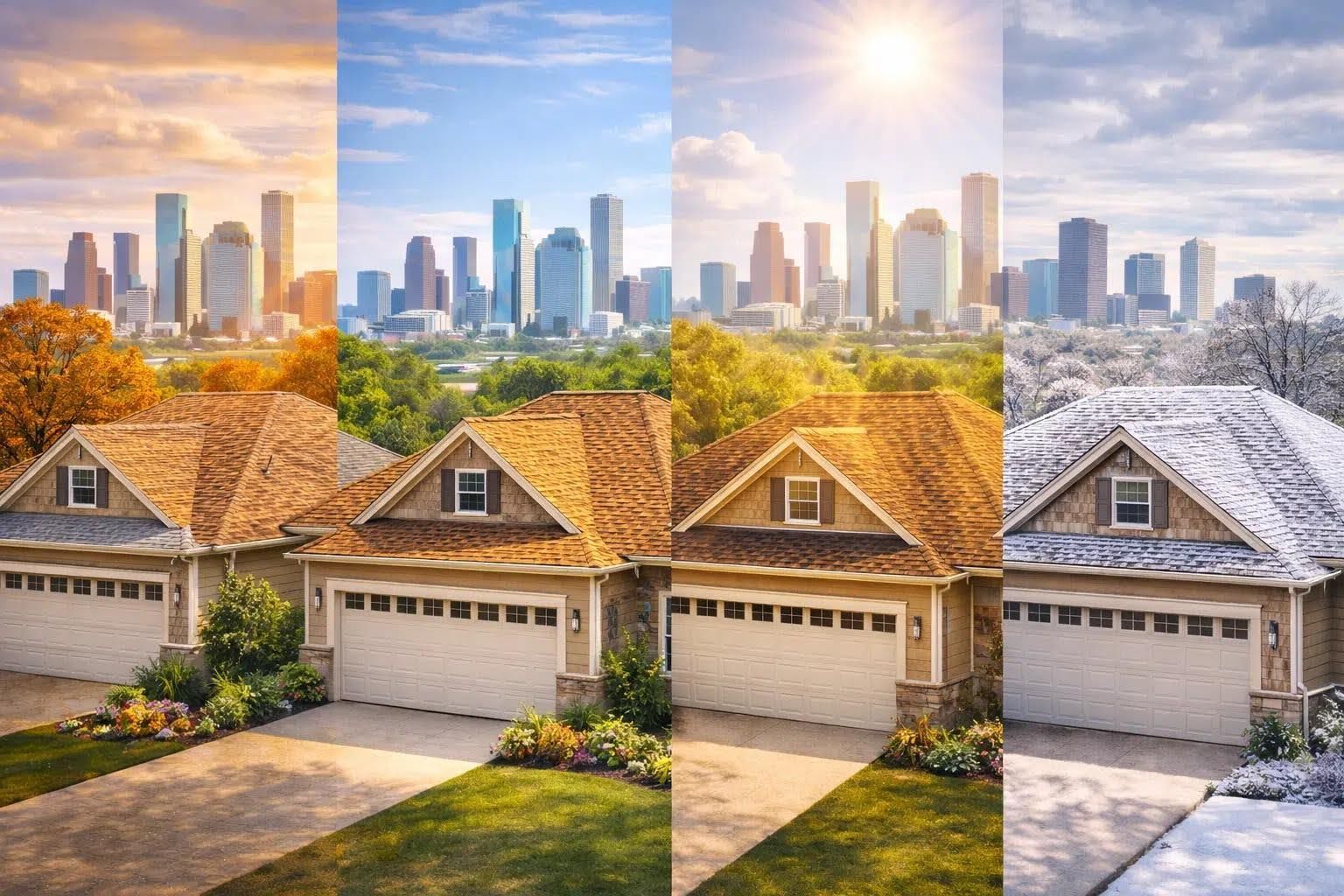
Replacing a roof is a major investment, and timing plays a crucial role in how smooth, fast, and cost-effective the project will be. Weather conditions, contractor availability, and material performance all influence the best season for roof replacement. Choosing the right time of year can help homeowners avoid delays, reduce costs, and ensure a higher-quality installation.
Spring – A Popular Season for Roof Replacement
Spring is one of the most common times for roof replacement because temperatures are moderate and weather conditions are generally stable. Roofing materials like shingles perform better when installed in mild weather, allowing proper sealing and adhesion.
However, spring is also a busy season for roofing contractors, which may lead to longer scheduling times and higher demand. Homeowners who plan ahead can still take advantage of this season’s favorable conditions.
Summer – Fast Installation but Weather Risks
Summer offers long daylight hours and generally dry conditions, making it ideal for efficient roofing work. Contractors can complete projects faster without interruptions from rain or cold temperatures.
However, extreme heat can sometimes make installation more challenging for workers and may soften certain materials too much during peak temperatures. Sudden summer storms, especially in some regions, can also cause short delays.
Fall – The Best Overall Season for Roof Replacement
Fall is widely considered the best time of year for roof replacement. Temperatures are cool but not freezing, allowing roofing materials to seal properly. Weather conditions are typically more predictable, and contractors are still active before winter slows down construction work.
Scheduling a roof replacement in the fall also ensures your home is fully protected before winter arrives. Snow, ice, and freezing temperatures can cause serious damage to an aging roof, so completing installation beforehand is a smart preventative step.
Winter – Possible but Not Ideal
Roof replacement can be done in winter, but it often comes with challenges. Cold temperatures can make roofing materials brittle and harder to work with. Snow and ice can also delay projects and reduce installation efficiency.
That said, emergency replacements may still be necessary during winter if a roof is severely damaged. In such cases, experienced contractors can still complete the job with proper precautions, though conditions are not ideal.
Roof Replacement in Philadelphia
In cities like Philadelphia, seasonal weather variations make timing especially important. Spring and fall are typically the most reliable seasons due to moderate temperatures and lower chances of extreme weather. Summer storms and winter snow can both create delays or complicate installation schedules, so many homeowners in the region prefer planning their roof replacements during early fall for maximum efficiency and protection before harsh winter conditions arrive.
Regardless of season, working with an experienced roofing company is essential for a successful project. Professional contractors can guide homeowners on the best timing based on local climate conditions and roof condition.
High-quality services such as Roof Installation by Umbrella Roof ensure that materials are installed correctly and perform well in all weather conditions, maximizing the lifespan of the new roof.
Homeowners can also consult general home improvement resources such as <a href=””>U.S. Department of Energy Weatherization Tips</a> to better understand how roofing upgrades contribute to energy efficiency.
Conclusion
The best time of year for roof replacement depends on weather conditions, contractor availability, and regional climate. While spring and summer offer workable conditions, fall remains the most reliable season for most homeowners. In places like Philadelphia, careful planning ensures your roof is installed at the right time to withstand seasonal challenges.
Choosing the right season, combined with professional installation, helps guarantee a durable, long-lasting roof that protects your home for years to come.
Homeowners can also consult general home improvement resources such as U.S. Department of Energy Weatherization Tips to better understand how roofing upgrades contribute to energy efficiency.



