A Smoky Mountains escape often feels best when you keep the plan simple. If you are heading to this part of Tennessee, it helps to think less about doing everything and more about enjoying the setting well. Gatlinburg makes that easy, especially when your trip includes privacy, scenery, and time to slow down. A well-chosen cabin can shape the entire experience, turning an ordinary weekend into something calmer, more comfortable, and far more memorable.
Why Cabin Size Matters
If your goal is a peaceful mountain retreat, one bedroom cabins in Gatlinburg TN can be a smart fit. They are designed for travelers who want comfort without taking on more space than they need. That usually means a more intimate setting, less clutter, and a stay that feels easy to manage from the minute you arrive.
Alpine Chalet Rentals offers one-bedroom cabins that are ideal for couples, honeymooners, and small families, with amenities such as hot tubs, fireplaces, mountain views, and fully equipped kitchens to make your Smoky Mountain getaway both comfortable and memorable.
A smaller cabin also changes the pace of your trip in a good way. It feels personal. You are not walking through extra rooms you never use. You are choosing a space that matches the mood of a quiet getaway, and that can make the whole experience feel more intentional.
Choose The Right Setting
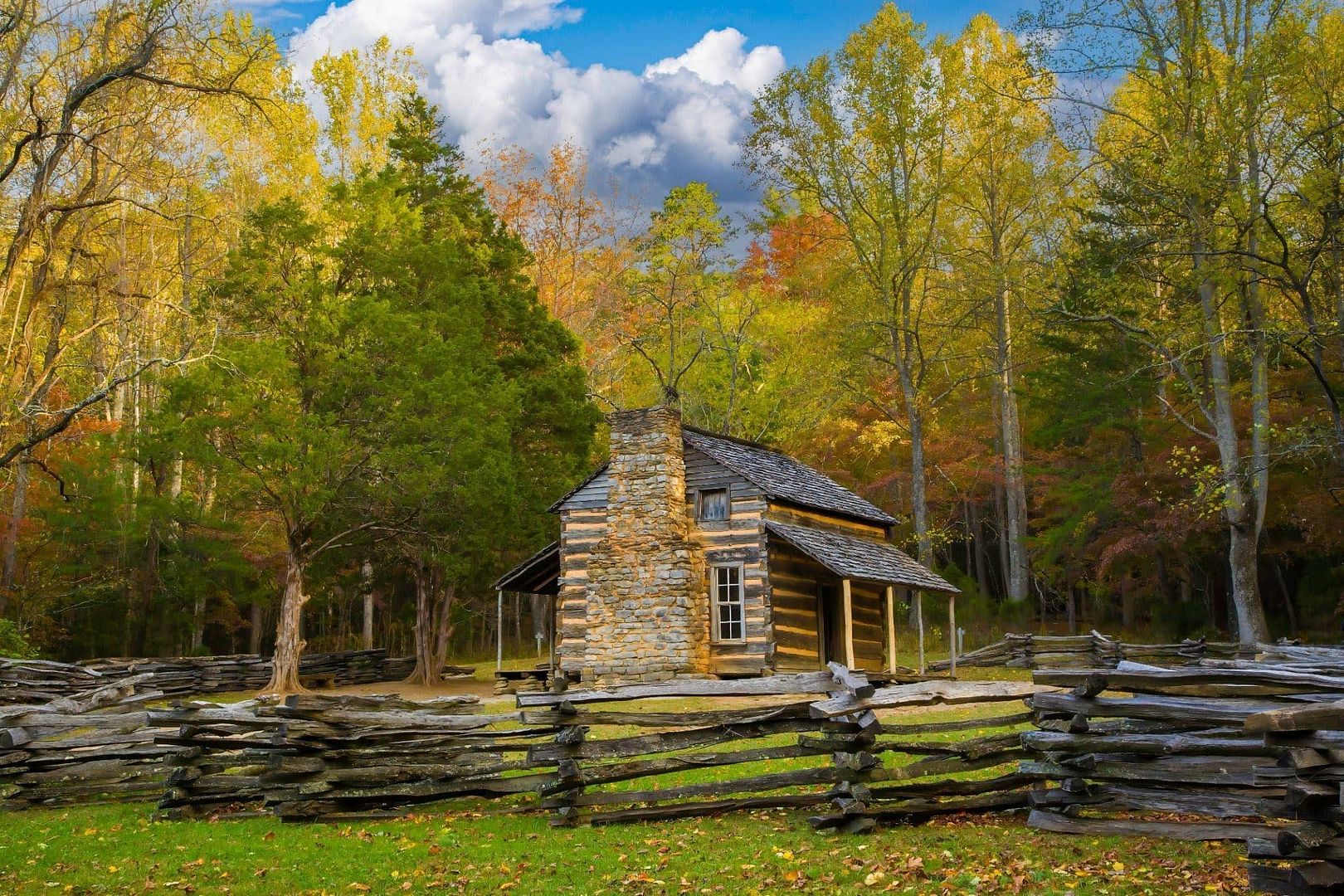
The location of your cabin can shape your trip just as much as the cabin itself. Some travelers want broad mountain views, while others prefer wooded seclusion that feels tucked away. Neither choice is better. It depends on whether you picture yourself watching sunrise from a deck or enjoying the calm of a tree-lined setting.
Drive time is another detail worth checking before you book. A cabin that feels remote can be wonderful, but you still want to feel comfortable getting around. The best choice usually balances privacy with convenience, so you can enjoy quiet surroundings without making every outing feel like a long expedition.
Time Your Trip Well
The season you choose affects almost everything, from road traffic to the atmosphere on your cabin deck. If you prefer a quieter experience, early spring and late fall are often the easiest times to visit. These off-peak periods tend to feel calmer, which gives you more space to enjoy the landscape without the heavier flow of visitors.
Early spring has a fresh, open feeling. Trees begin to wake up, temperatures are usually manageable, and the mountain scenery starts to soften after winter. It is a good season for travelers who want a peaceful setting without the intensity of peak vacation crowds.
Late fall offers a different kind of quiet. After the busiest leaf-viewing weeks pass, the region settles down. You may get crisp air, clearer views, and a more restful rhythm overall. If your goal is to read, rest, and take unhurried drives, that timing can work particularly well.
No season is perfect for every traveler, so it helps to match the calendar to your mood. If you want energy, choose a busier window. If you want stillness, off-peak timing usually delivers it more naturally.
Plan Easy Day Outings
A relaxing cabin trip does not need a long checklist of activities. In fact, the best outings are often the simple ones that leave plenty of time to return and enjoy your space. A scenic drive through Great Smoky Mountains National Park can be enough for one day, especially if your goal is to take in overlooks, pause for photos, and keep the schedule loose.
You might also enjoy visiting Ober Mountain for mountain views and seasonal activities, then heading back before the day feels too full. Another easy option is Gatlinburg SkyPark, which offers a memorable perspective without requiring you to plan an entire day around it.
If you prefer something slower, the Great Smoky Arts & Crafts Community offers a more grounded experience. You can browse handmade goods, stop in small studios, and move at your own pace. It feels personal rather than rushed.
The key is not to overbuild the day. Pick one or two things that genuinely interest you, then leave room to return to the cabin while there is still daylight. That balance often makes the trip feel more restorative.
Make Cabin Time Count
Many travelers make the mistake of treating the cabin as a place to sleep rather than a central part of the experience. A better approach is to let the cabin become part of the plan. That might mean coffee on the deck, a quiet hour with a book, or simply watching the light change across the trees.
Simple routines feel different in a mountain setting. Breakfast seems calmer when you are not rushing. Evening conversation lasts longer when there is a view outside and nowhere else you need to be. Even a short stay can feel fuller when you stop measuring value by how many places you visit.
Cabin time also gives you room to unplug in a realistic way. You do not need a grand digital detox speech. You just need a few hours without constant noise. That shift can be surprisingly refreshing.
If your cabin includes a fireplace or hot tub, use them. Those features are not small extras. They help define the mood of the trip. The more you enjoy the space itself, the more your stay feels like an actual retreat instead of just a change of address.
Pack With Purpose
Packing for a cabin stay is easier when you think in terms of comfort and flexibility. Start with layers. Mountain weather can shift during the day, and you will be happier with options than with one heavy choice that works only at night.
Comfortable shoes are worth bringing even if you are not planning major hikes. Short walks, scenic stops, and uneven ground all feel easier when your footwear is reliable. You should also think ahead about meals. Bringing groceries for a few simple breakfasts, snacks, and one or two easy dinners can make your stay feel smoother from the start.
For evenings, pack items that help you enjoy staying in. That could be a book, a card game, a playlist, or ingredients for a meal you actually look forward to making. Cabin trips are often at their best after the daytime activity is over.
Finally, leave a little room in your bag for practical extras. A light jacket, basic toiletries, and chargers are obvious, but a reusable water bottle and a small tote for day outings can also come in handy. Good packing does not need to be complicated. It just needs to support the kind of trip you want to have.