Most visitors come to Phnom Penh for the Royal Palace, the National Museum, Wat Phnom or the sombre legacy of the Killing Fields. But beyond the city’s best-known landmarks is another Phnom Penh, one shaped by artisans preserving Cambodia’s traditions while giving them new expression through design, craft, food and art.
Behind restored façades and tucked away in leafy courtyards, galleries and independent boutiques reveal a different story of the capital. Here, Khmer heritage lives on through the hands of artisans and designers who continue to honour traditional crafts while giving them a contemporary voice.
Chapter 1
Street 240: Phnom Penh’s Creative Quarter
Just a short walk from the Royal Palace, Street 240 offers a different perspective on Phnom Penh. Once a quiet residential street lined with French colonial buildings, it has evolved into one of the city’s most creative neighbourhoods. Rather than international brands, the focus here is on Cambodian craftsmanship and businesses with a story to tell.
Threads of Cambodia
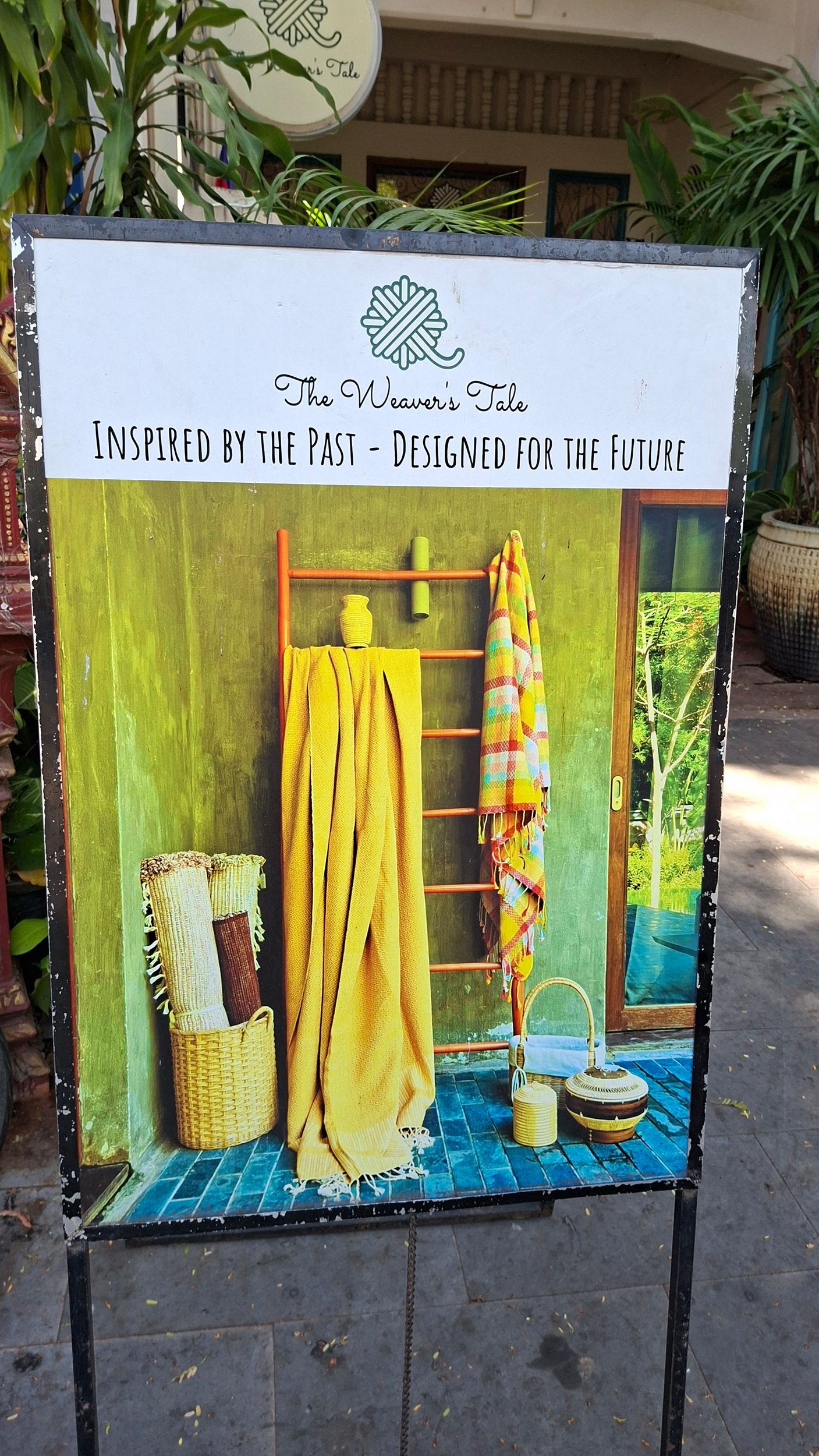
The Weaver’s Tale is one of the street’s best introductions to Cambodia’s artisan community. Handwoven textiles, ceramics, baskets and jewellery fill the boutique, but it is the stories behind them that leave the strongest impression. Inside, photographs and printed information introduce the weaving communities, ceramicists and social enterprises responsible for each collection, creating a connection with the people behind the craftsmanship.
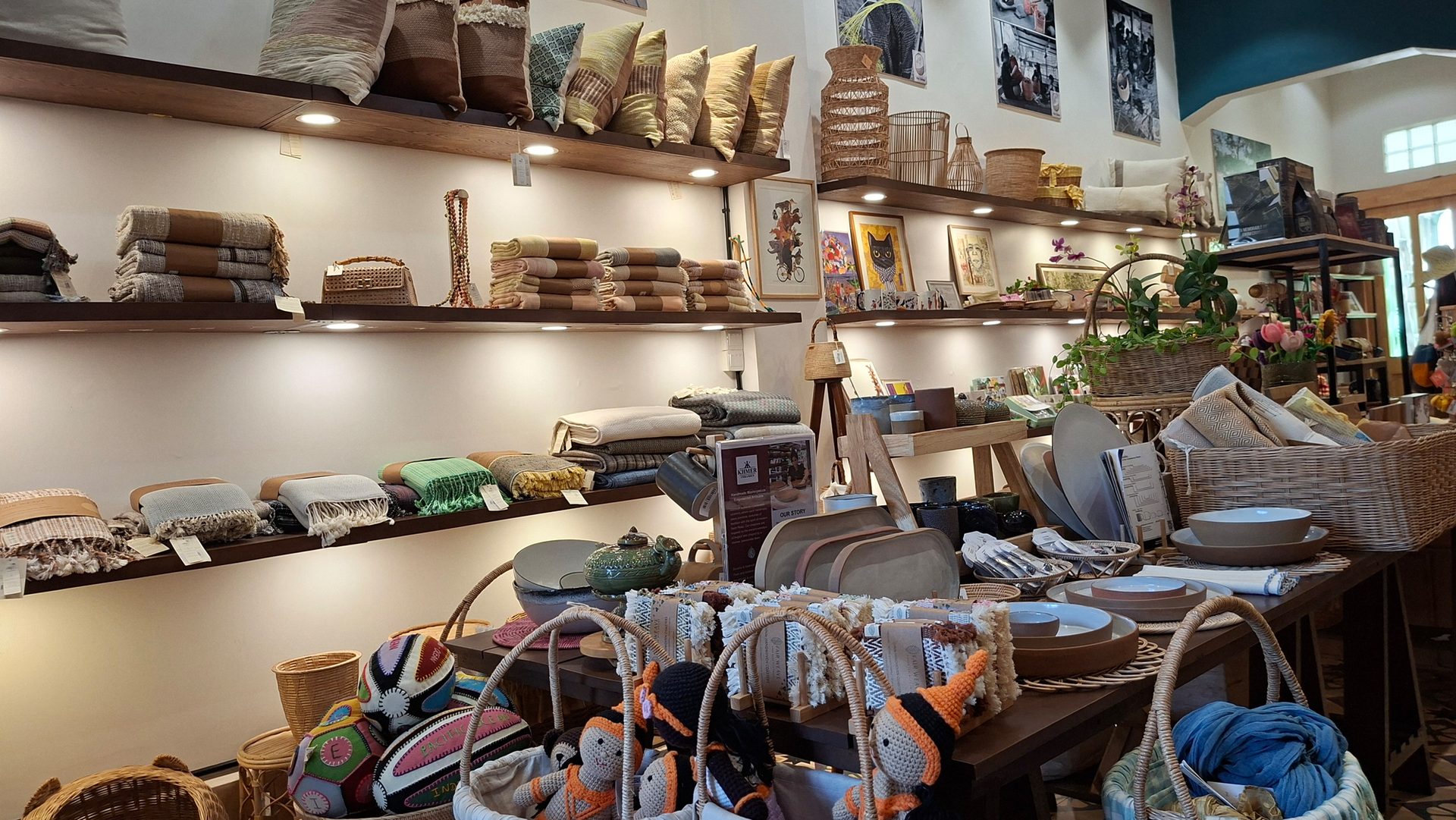
Blankets woven by Fair Weave use traditional techniques passed from one generation to the next, while other displays highlight makers working with locally sourced materials or recycled metals. Rather than simply browsing, you come away with a better understanding of the people, skills and traditions behind each piece.
Stories Between the Shelves
Open Book is more than somewhere to buy a book. Part bookshop, part library and part community space, it invites visitors to browse the shelves before settling into one of the reading areas. There is no expectation to make a purchase, making it somewhere you can simply spend time with a book in hand, something increasingly uncommon.
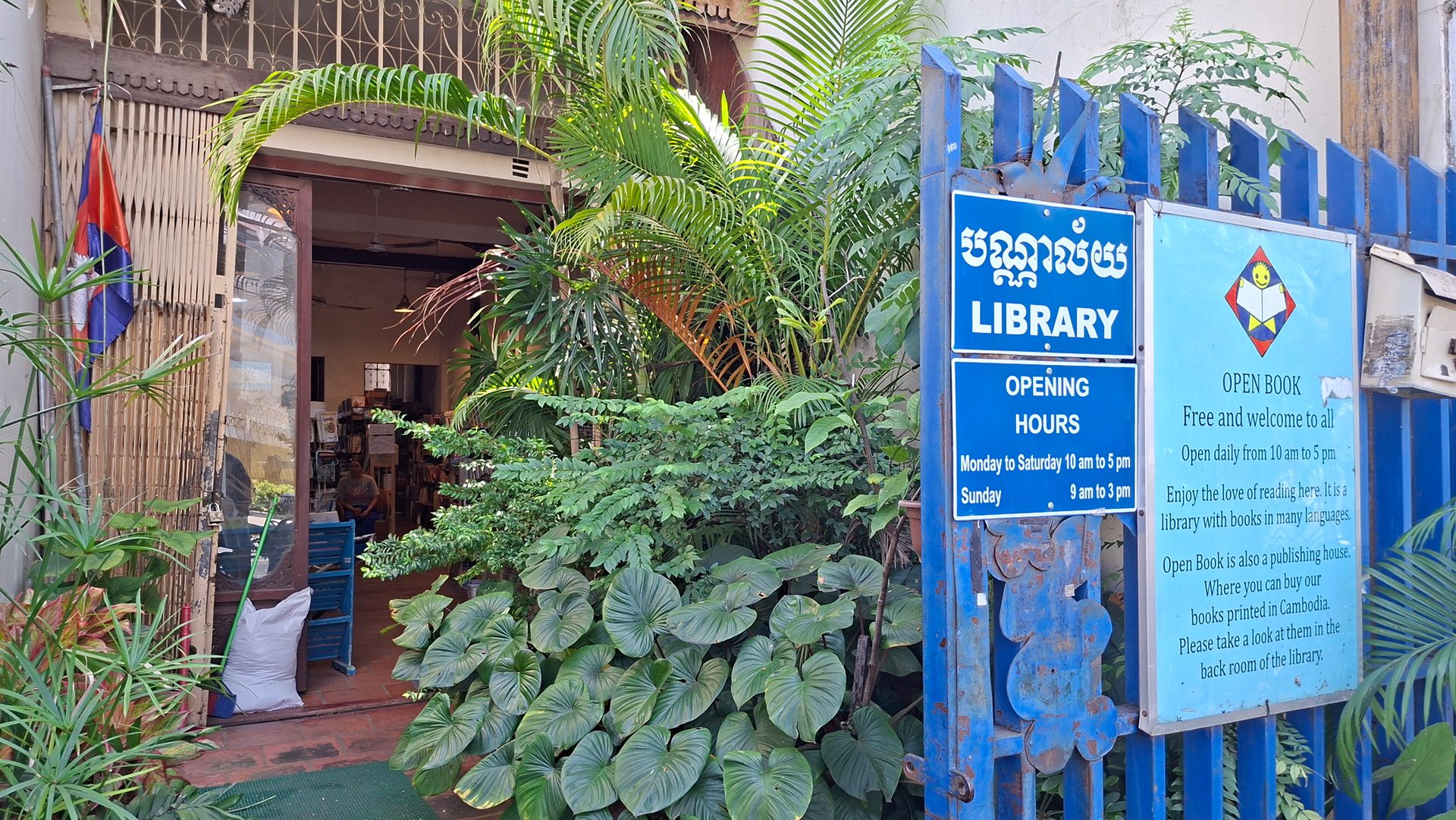
The collection includes both Khmer and English-language titles, while regular discussions and community events have helped establish it as part of Phnom Penh’s growing creative scene. Whether searching for a new read or escaping the midday heat for an hour, it is a thoughtful addition to Street 240 and another example of the independent businesses helping shape the neighbourhood.
Thoughtful Living
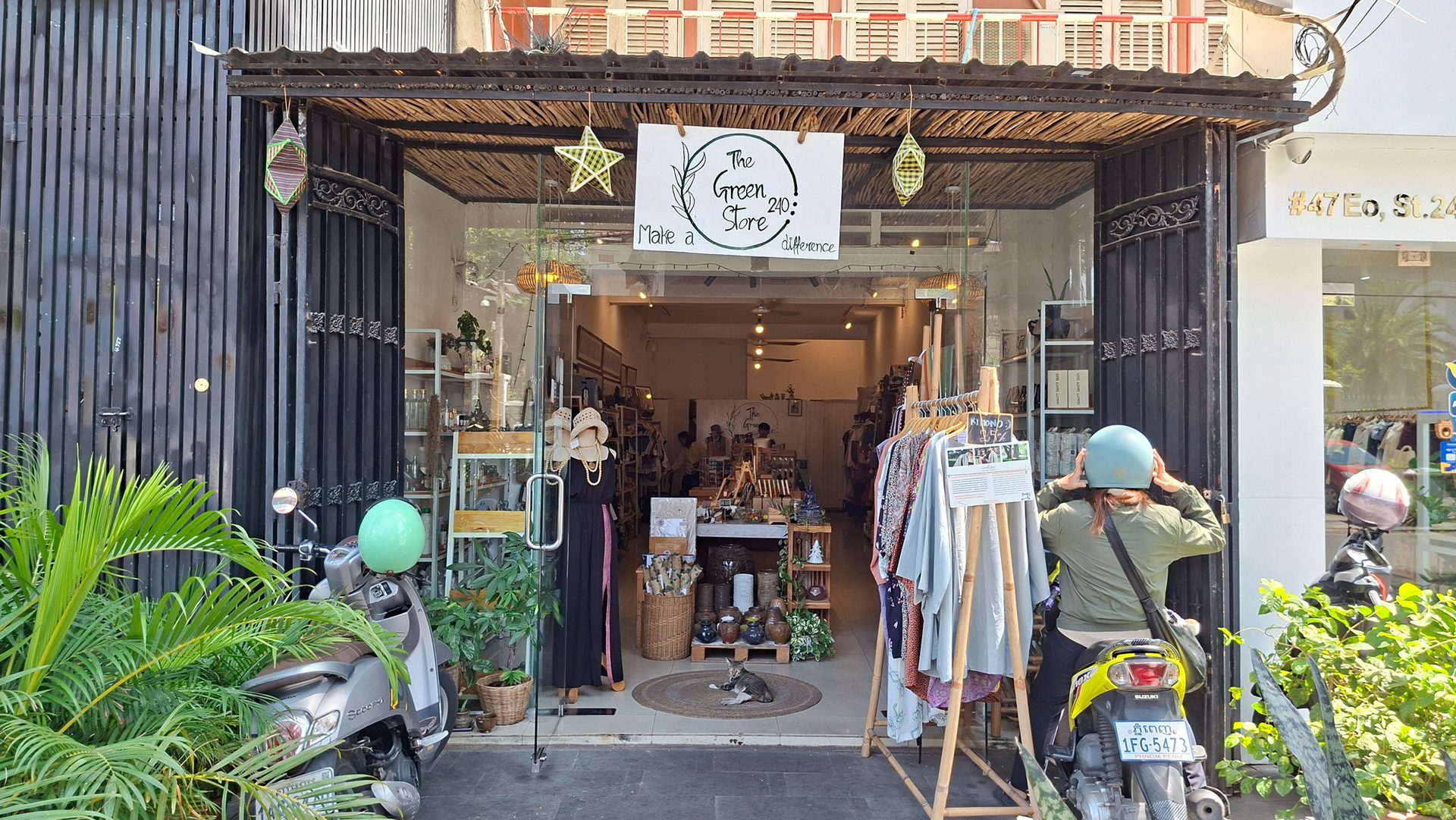
The Green Store brings together ethically made homewares, natural skincare, textiles and gifts from Cambodian artisans. Many of the products are made using locally sourced materials, with information about the makers reinforcing the street’s wider focus on craftsmanship, sustainability and supporting local communities. Together, the independent businesses along Street 240 offer an insight into Cambodia’s creative industries that extends well beyond traditional souvenirs.
Chapter 2
Beauty in Everyday Rituals
One of the simplest expressions of Cambodian craftsmanship can be found among the flower stalls of Phnom Penh’s markets. Here, unopened lotus buds are hand-folded into intricate patterns, transforming these flowers into an offering that is both decorative and symbolic.
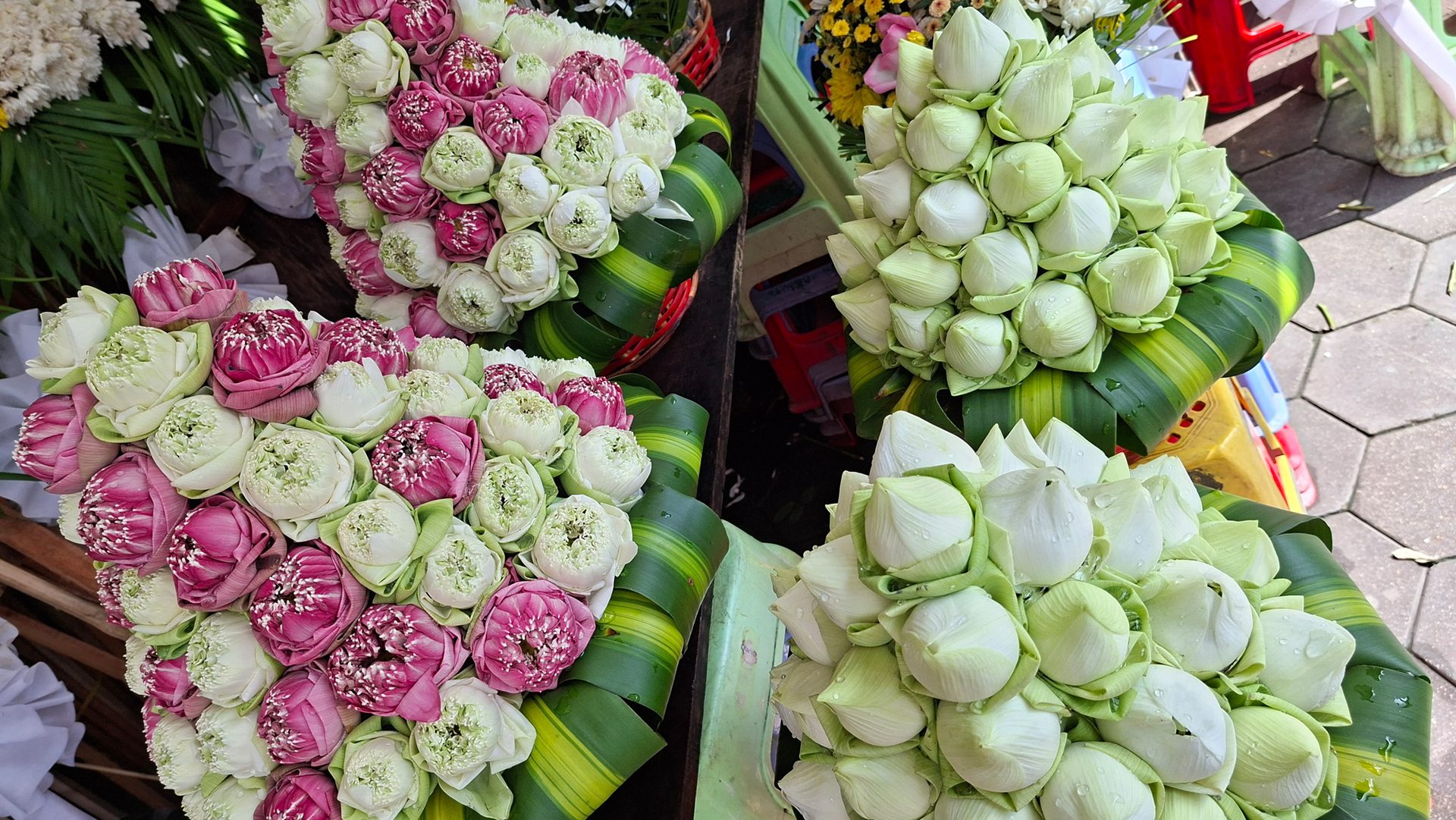
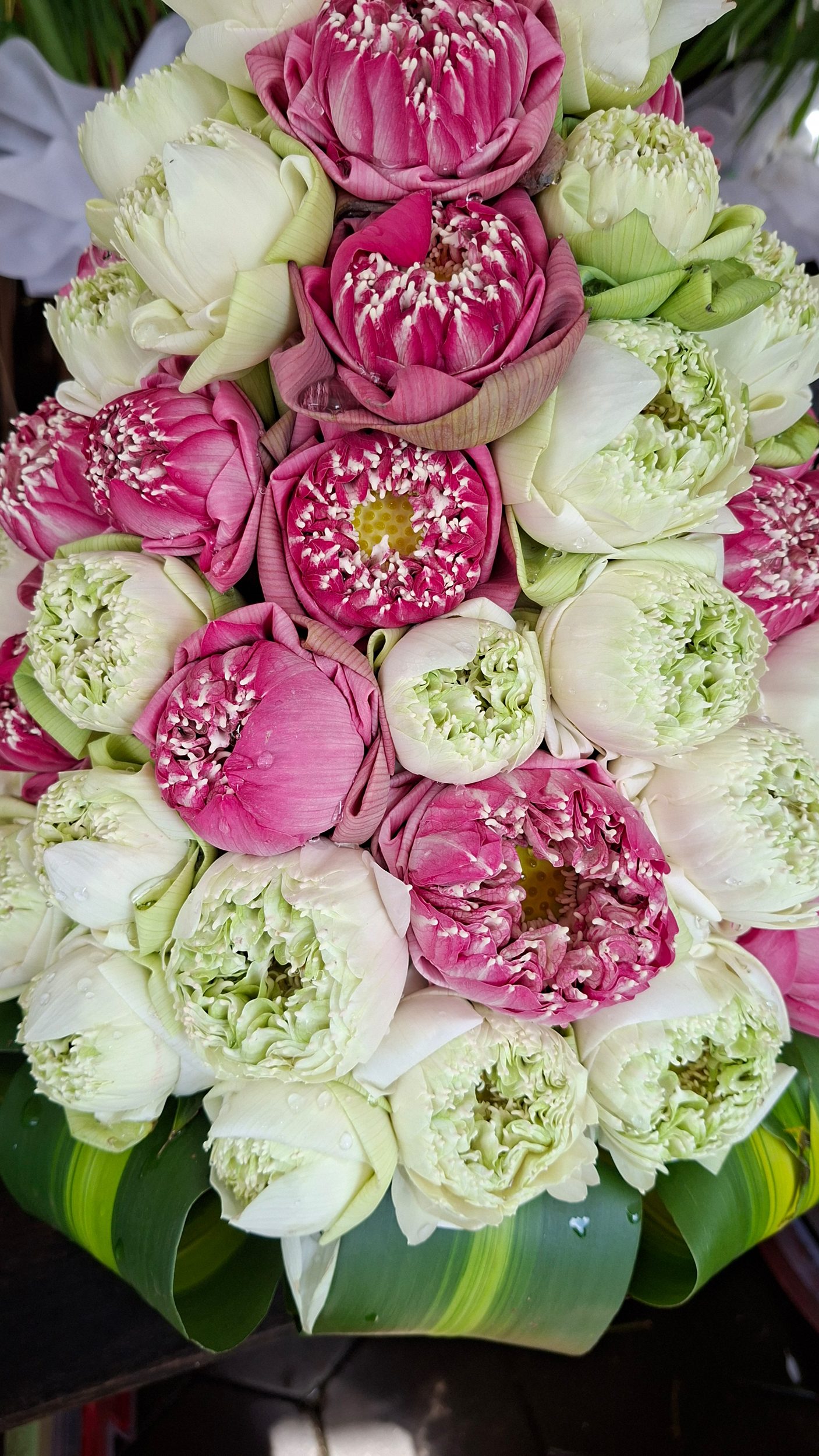
Rooted in Buddhism, the lotus represents purity and enlightenment. The folded blooms are placed at shrines, temples and spirit houses, while others are simply for the home. Watching vendors prepare flower after flower with precision and speed reveals a skill passed down through generations yet often overlooked by visitors.
Chapter 3
Cambodia’s Black Gold
Few ingredients are as closely associated with Cambodia as Kampot pepper. When authentic, it carries an official certification mark guaranteeing its origin and quality. At La Plantation’s Phnom Penh, a small museum introduces the pepper grinder before a tasting experience explores the distinct characteristics of black, white and red pepper, each revealing how different harvesting, smoking and processing methods create remarkably different flavours.
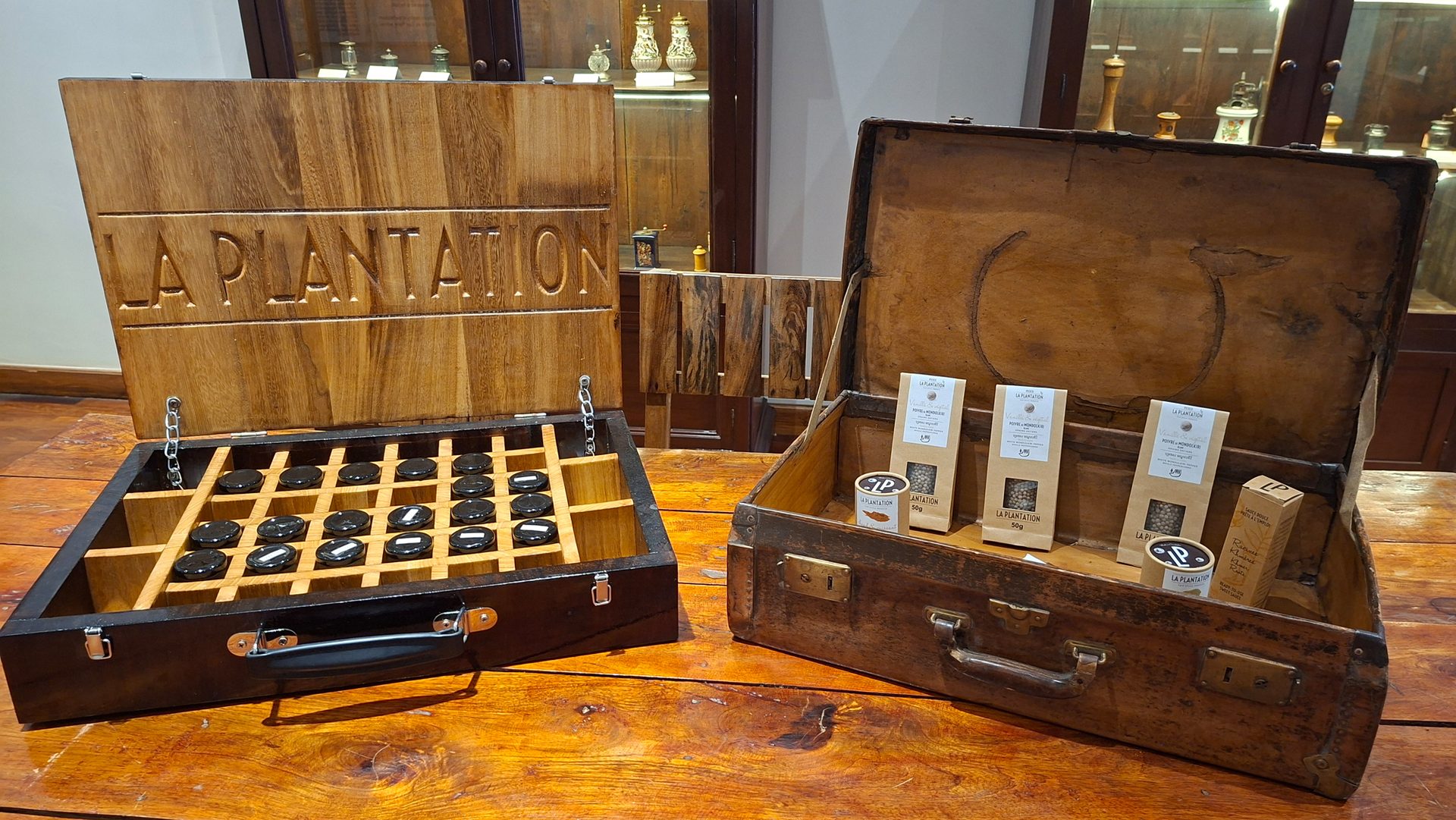
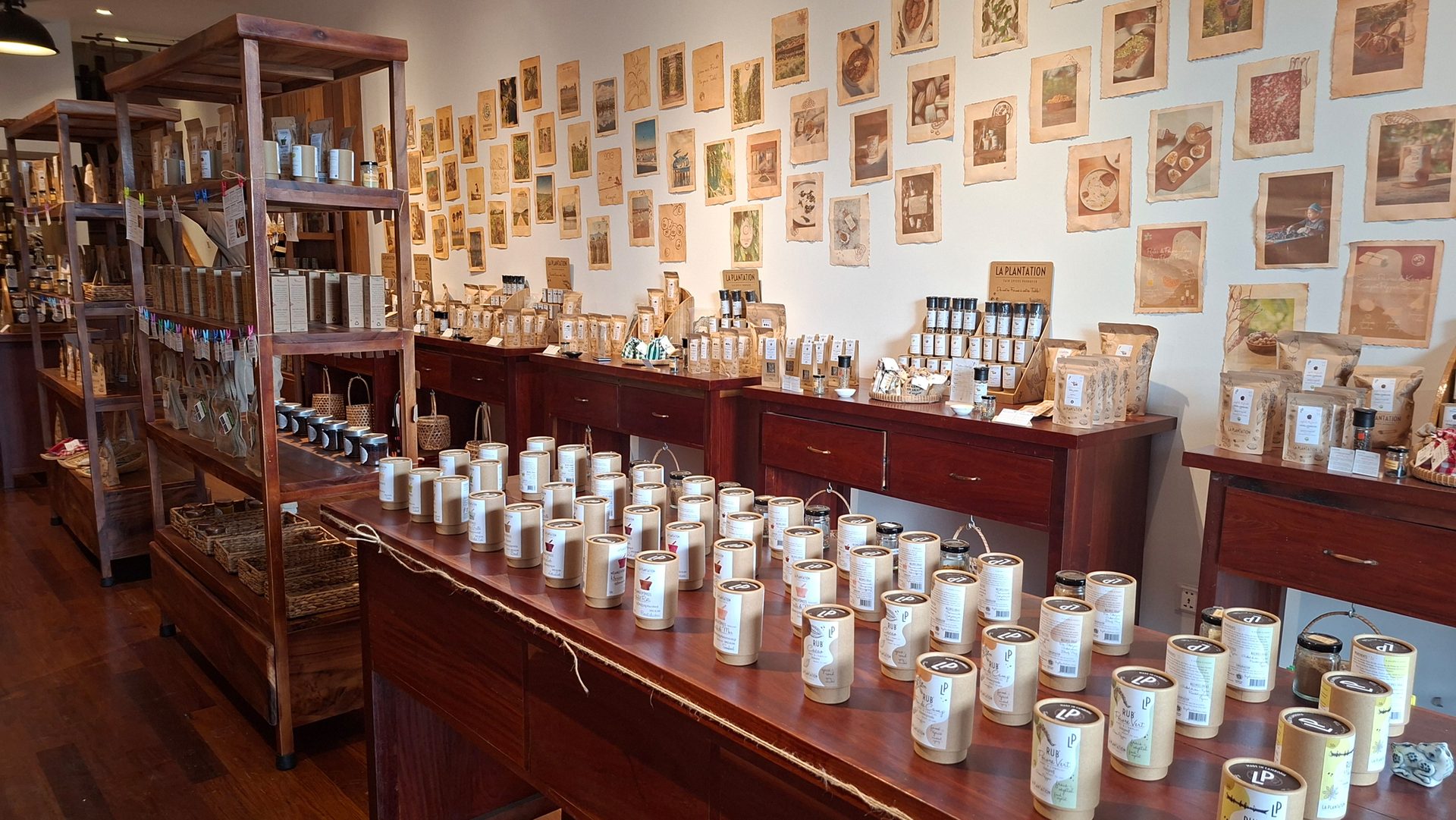
The biggest surprise, however, was not the pepper itself but the products inspired by it. Salted fresh Kampot pepper, designed to be enjoyed as a snack or added to trail mix, was really quite addictive, while roasted Cambodian cashew nuts seasoned with white Kampot pepper and salt quickly found their way into our shopping basket. Beautifully packaged in simple brown paper bags, they also make thoughtful gifts to take home.
Chapter 4
The City’s New Canvas
From traditional craftsmanship, Phnom Penh’s artistic story continues in a more contemporary setting. On the 35th floor of Rosewood Phnom Penh, the Rosewood Gallery showcases rotating exhibitions by regional artists. During our visit, ‘Reflections’ brought together a collection of contemporary works that offered another perspective on Cambodia through painting, sculpture and mixed media.
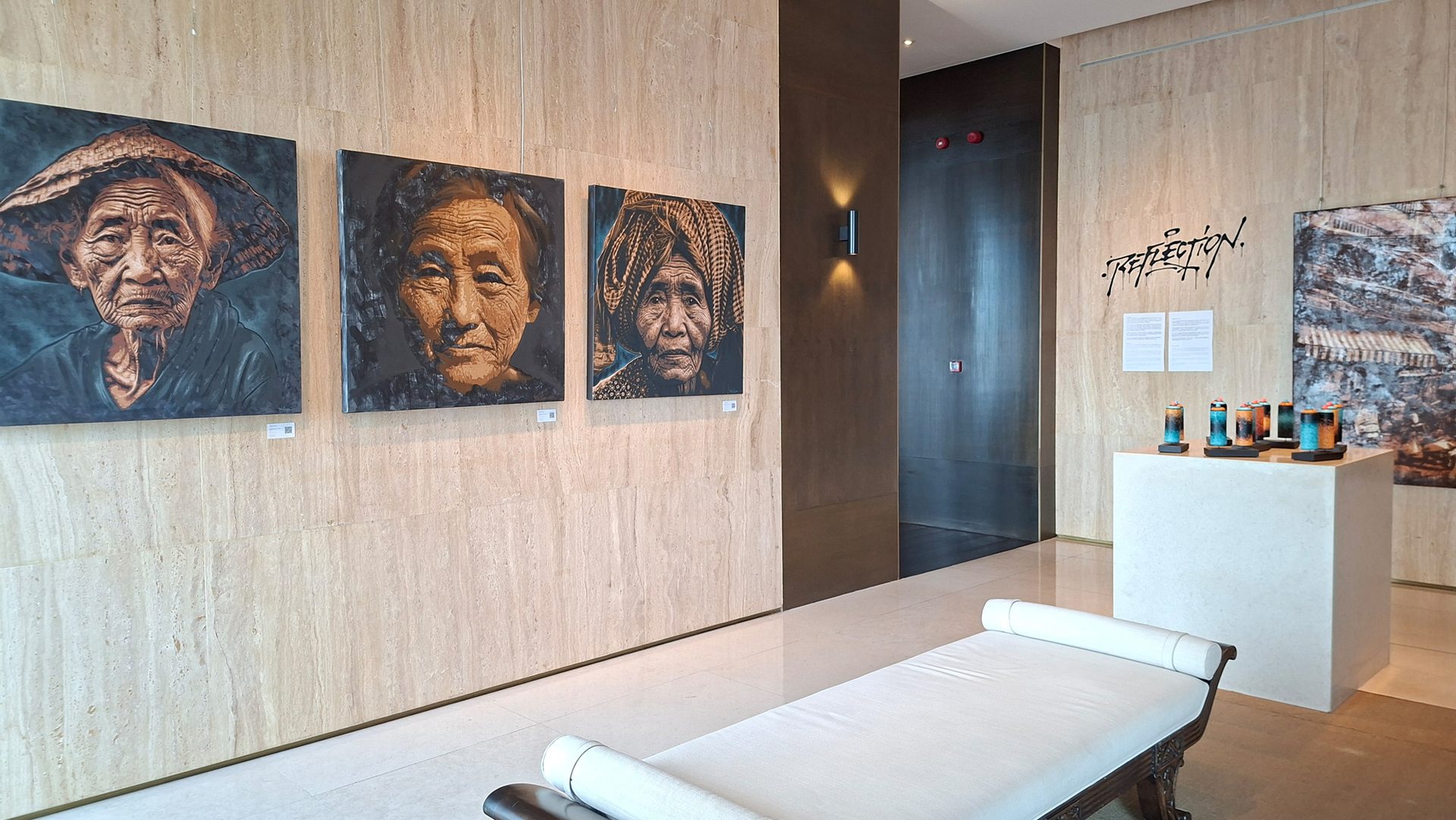
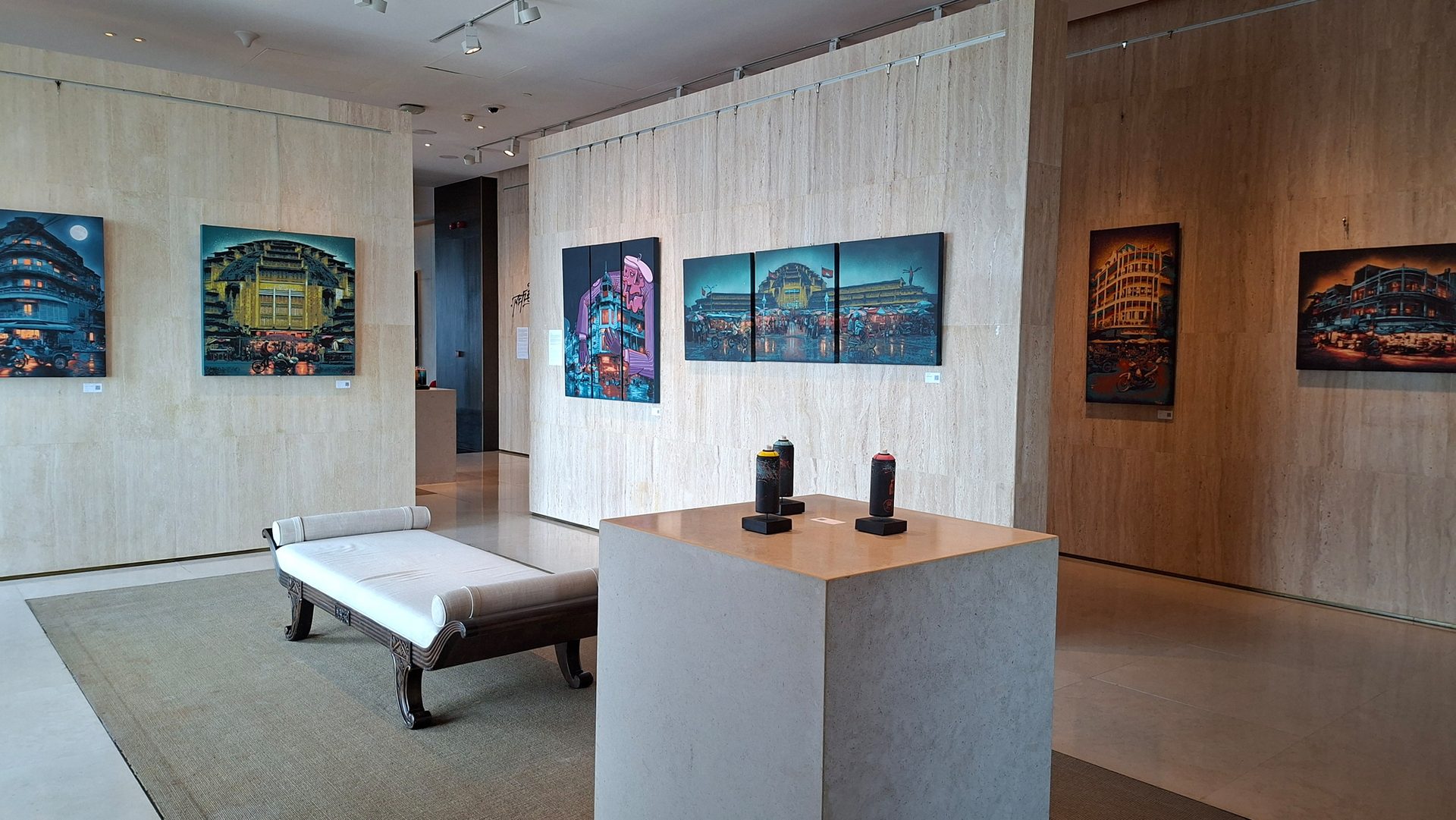
Housed within one of the city’s most recognisable landmarks, the gallery demonstrates how luxury hospitality can play a role beyond accommodation, providing a platform for local artists while introducing guests to Cambodia’s evolving cultural landscape. It is a fitting reminder that Phnom Penh’s artistic identity is shaped as much by today’s creators as by the artisans preserving traditions on its streets.
Chapter 5
A City of Makers
Phnom Penh’s artisan story is not confined to a single neighbourhood or gallery. It moves across market stalls, boutiques, workshops and exhibition spaces, where centuries-old skills sit alongside contemporary creativity. Together, they reveal a city whose cultural identity continues to be shaped by the people keeping traditions alive while finding new ways to express them. For visitors willing to look beyond the city’s headline attractions, they offer a richer understanding of Cambodia through the hands of the people who continue to create it.
Words and photography Joanna Matlub