Most of the attention in wedding planning goes to the big, visible moments — the venue, the dress, the ceremony itself. The wedding band tends to get decided almost as an afterthought, squeezed in between everything else. That’s a mistake, because unlike almost every other decision made during that process, the band is the one thing you’ll actually have on your body every single day for the rest of your life. It deserves more thought than a quick decision made under time pressure.
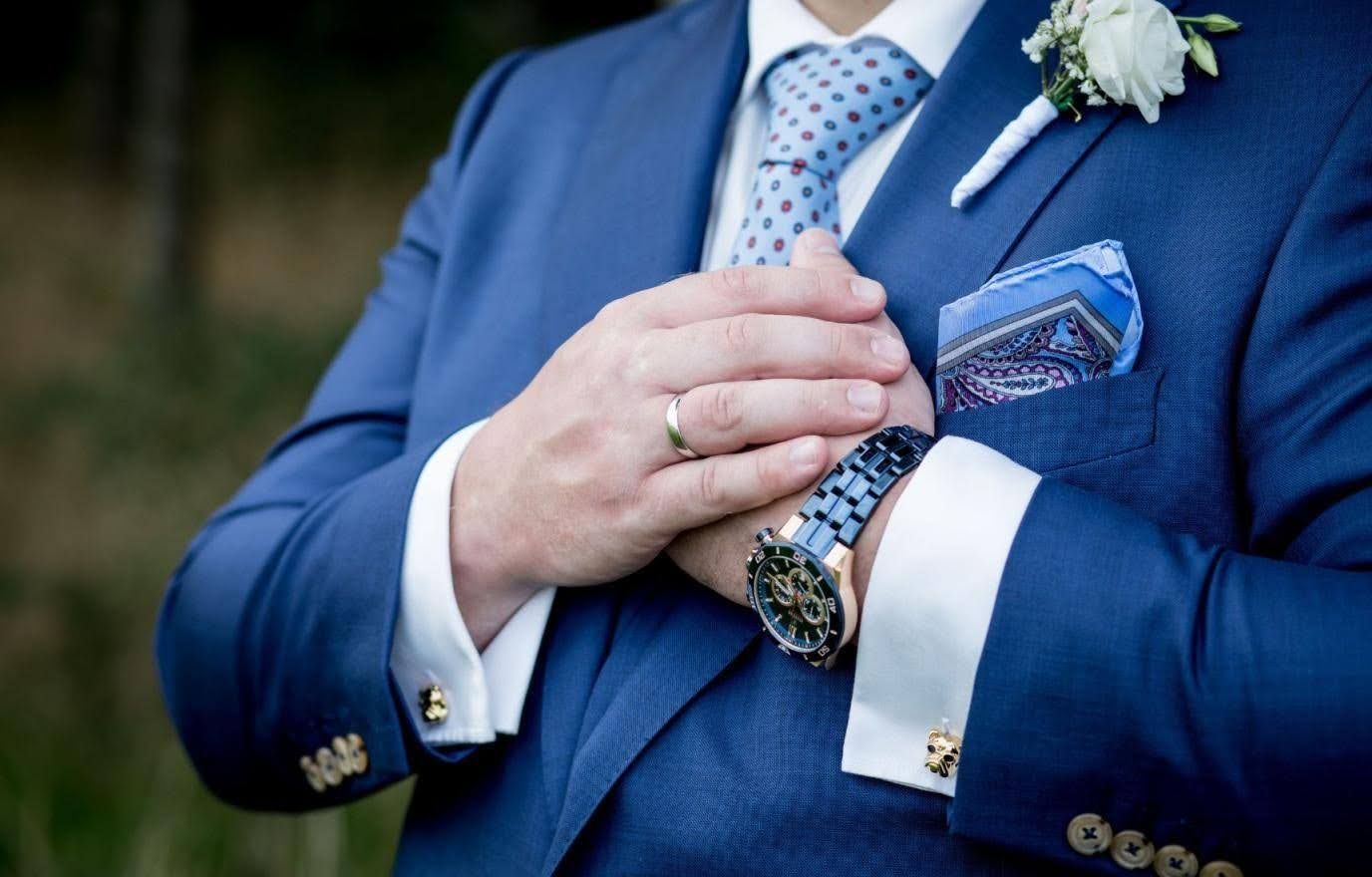
Think Past the Wedding Day
It’s easy to choose a ring based on how it looks in a single moment — at the altar, in photos, on a display case under good lighting. But a wedding band’s real job starts the next morning, and continues through decades of showers, workouts, manual tasks, and ordinary wear. Anyone browsing this collection of wedding bands early in the process tends to notice this shift quickly: durability, comfort, and low maintenance start to outweigh small differences in shine or detail once you’re picturing fifteen years of daily wear instead of a single day of photos.
Material Decides More Than People Expect
The metal a band is made from determines almost everything else about how it lives with you day to day. Gold and platinum are the traditional choices, and for good reason — they carry symbolic weight and can be resized if your finger changes over time. But they also scratch, dull, and need occasional professional polishing to stay looking sharp. Alternative metals like tungsten carbide take the opposite tradeoff: exceptional hardness and scratch resistance, with almost no upkeep required, at the cost of being effectively unresizable once made. Titanium sits somewhere in between — lighter than tungsten, more resistant to damage than gold, but softer than tungsten carbide overall. None of these is objectively “better.” The right choice depends entirely on how you actually plan to live with the ring.
Comfort Is a Design Detail, Not an Accident
A ring that looks identical to another can feel completely different on the hand, and the difference usually comes down to the interior profile. A flat-interior band has sharper edges where metal meets skin, which can create pressure points during long wear. A comfort-fit interior, by contrast, is gently domed on the inside, spreading pressure more evenly and making the ring far easier to put on and take off. It’s worth specifically asking whether a band has a comfort-fit interior before buying — it’s a small manufacturing choice that has an outsized effect on how the ring actually feels after eight hours on your hand, not just the first eight minutes.
Width Changes the Whole Feel of the Ring
Band width isn’t just a style preference — it changes weight, presence, and how the ring interacts with your hand throughout the day. Narrower bands, generally in the 4mm to 6mm range, sit closer to a traditional, understated profile and tend to disappear into daily life without drawing much attention. Wider bands, from 8mm up, carry more visual weight and read as more of a deliberate statement. Neither is more “correct” than the other. It’s worth trying on a few different widths in person if possible, since the difference between, say, a 6mm and an 8mm band is more noticeable on the hand than it looks in photos.
Getting the Size Right the First Time
Sizing deserves more care than it usually gets, particularly for anyone considering a metal that can’t be resized later. Finger size shifts slightly through the day, with temperature, and with hydration, so a measurement taken in a comfortable, neutral state — not right after a workout or a hot shower — tends to be the most reliable. It’s also worth remembering that width affects perceived fit: a wider band in the same nominal size will typically feel tighter than a narrower one, since more metal is in contact with the skin. When in doubt, getting measured in person rather than relying on a printed ring sizer at home avoids most of the guesswork.
Budget Without Compromising on What Matters
Wedding band prices span an enormous range, and a higher number doesn’t automatically mean better durability or comfort. It’s more useful to decide what actually matters to you — material performance, design, brand reputation — and set a budget around that, rather than starting from a price point and working backward. Alternative metal bands often make this easier, since they tend to offer a meaningful cost advantage over traditional precious metals at comparable widths and finishes.
The Bottom Line
A wedding band works best when it’s chosen for the life you actually live, not just the day you get married. Material, fit, width, and sizing all matter more than they get credit for in the moment, because the ring’s real job starts long after the ceremony ends. Taking the time to think it through properly means ending up with something you’ll wear without a second thought — which, for a piece of jewelry meant to stay on your hand for good, is exactly the point.